Aedes w-album
Taxonomy
This page represents the following TreeOfLife-200M taxonomic path.[1]
- Kingdom: Animalia
- Phylum: Arthropoda
- Class: Insecta
- Order: Diptera
- Family: Culicidae
- Genus: Aedes
- Species: Aedes w-album
Visual Description
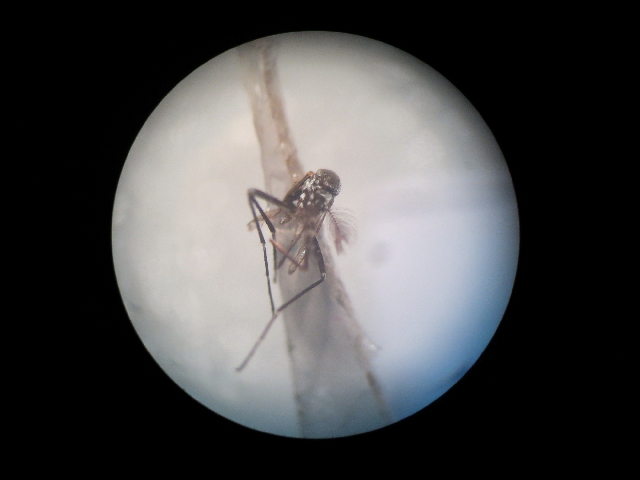
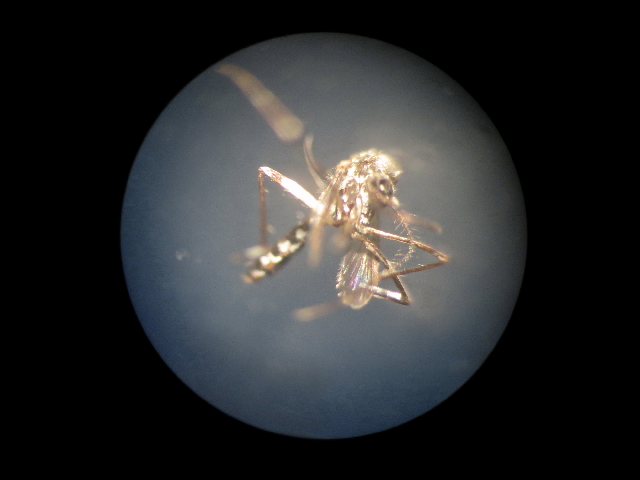
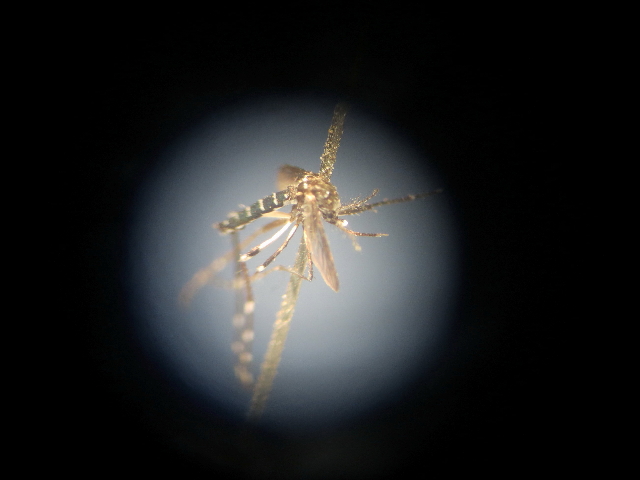
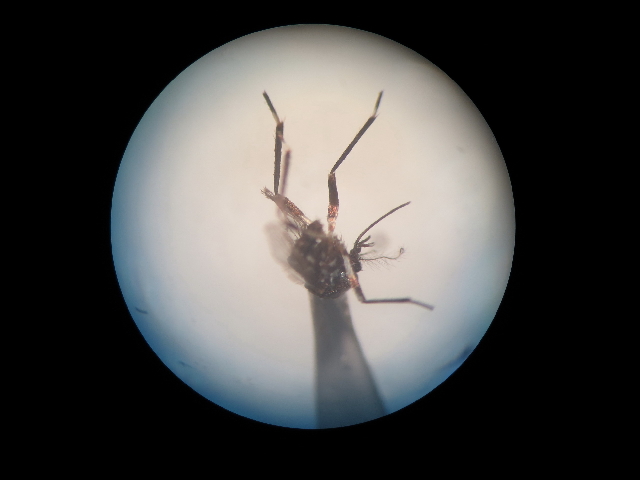
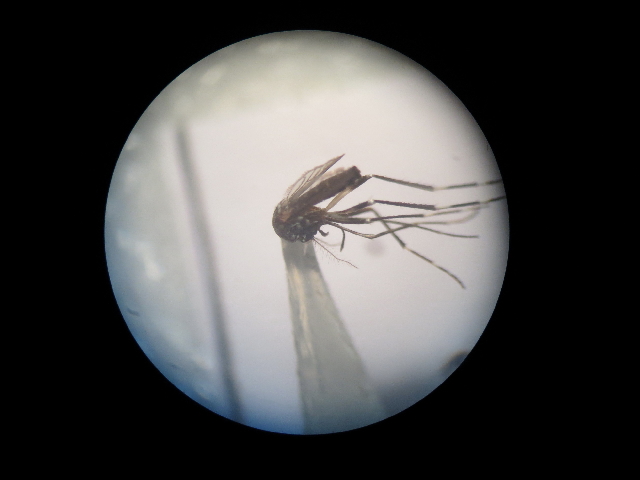
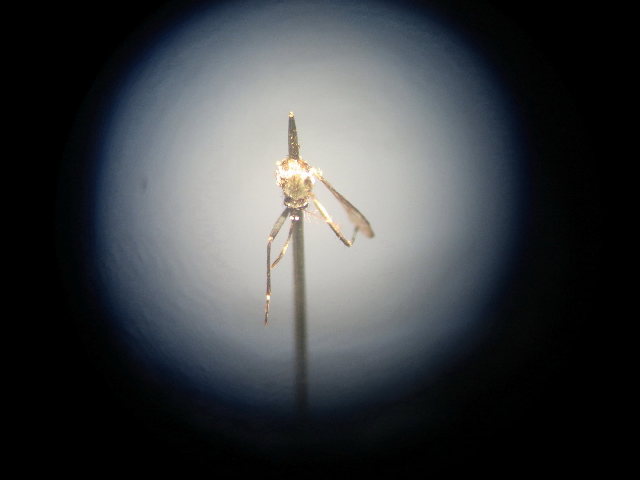
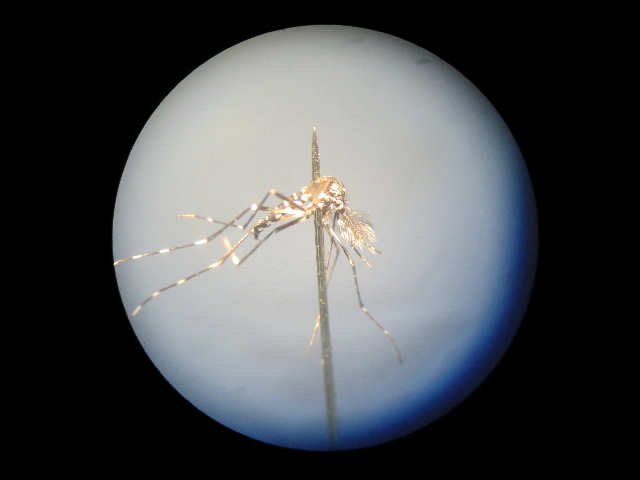
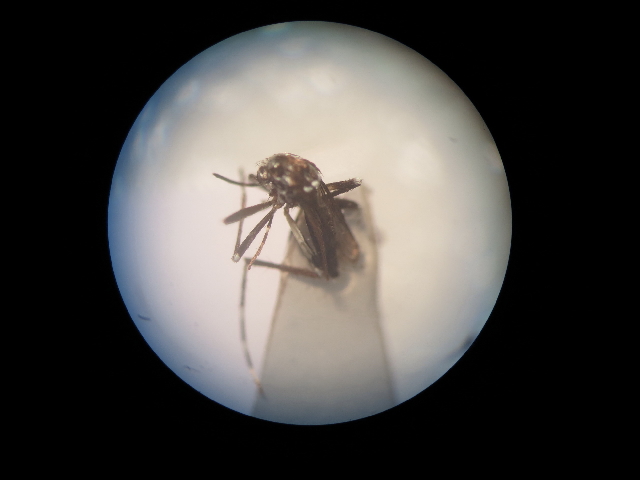
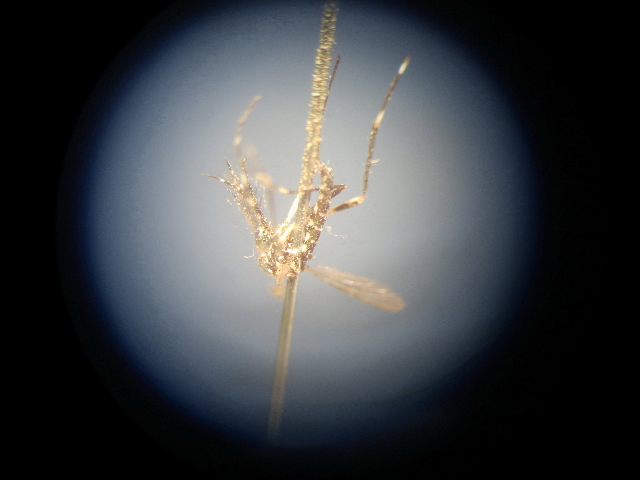
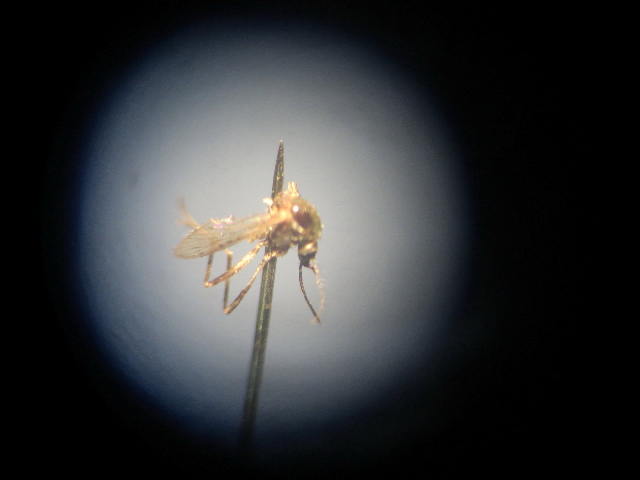
Based on observations from the TreeOfLife-200M dataset, Aedes w-album exhibits morphological characteristics typical of the genus Aedes.[1] As with many culicids, these specimens display a slender body form with distinct, segmented appendages. Due to the nature of the museum-preserved specimens in the dataset, specific fine-scale diagnostic features such as precise scale patterns on the thorax or abdomen are difficult to resolve, but the general habitus is consistent with the family Culicidae.[1]
Biology and Classification
Aedes w-album was originally described by Theobald in 1905 under the basionym Stegomyia w-alba.[2] It is currently recognized as an accepted species within the genus Aedes.[2]
While specific ecological data for Aedes w-album is limited, research on related species within the genus Aedes—such as Aedes aegypti—has provided significant insights into mosquito physiology and ageing. Studies on Aedes aegypti have identified proteomic biomarkers that correlate with age, which are critical for assessing the risk of pathogen transmission.[3]
Gallery
References
- 1 2 3 Dataset view for Animalia / Arthropoda / Insecta / Diptera / Culicidae / Aedes / w-album constructed from imageomics/TreeOfLife-200M records under this taxonomic path. Hugging Face Datasets. https://huggingface.co/datasets/imageomics/TreeOfLife-200M.
- 1 2 Aedes w-album (Theobald, 1905). GBIF. https://www.gbif.org/species/1651602. Accessed 2026-07-15.
- ↑ Leon E. Hugo; James Monkman; Keyur A. Dave; Leesa Wockner; Geoffrey W. Birrell; Emma L. Norris; Vivian Kienzle; Maggy T. Sikulu-Lord; Peter A. Ryan; Jeffery J. Gorman; Brian H. Kay. Proteomic Biomarkers for Ageing the Mosquito Aedes aegypti to Determine Risk of Pathogen Transmission. PLoS ONE. 2013. https://doi.org/10.1371/journal.pone.0058656.