Aedes vexans
Taxonomy
This page represents the following TreeOfLife-200M taxonomic path.[1]
- Kingdom: Animalia
- Phylum: Arthropoda
- Class: Insecta
- Order: Diptera
- Family: Culicidae
- Genus: Aedes
- Species: Aedes vexans
Visual Description
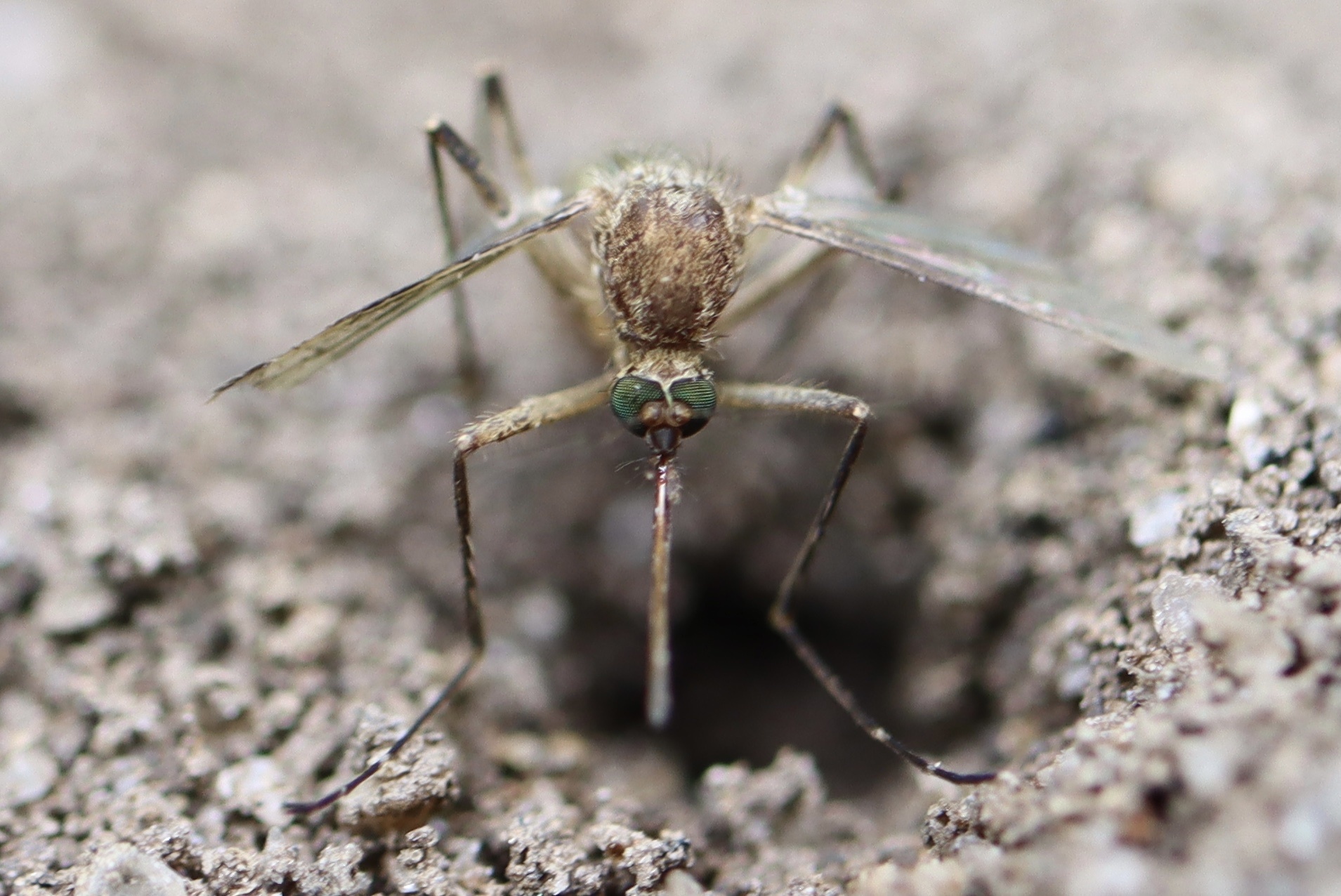
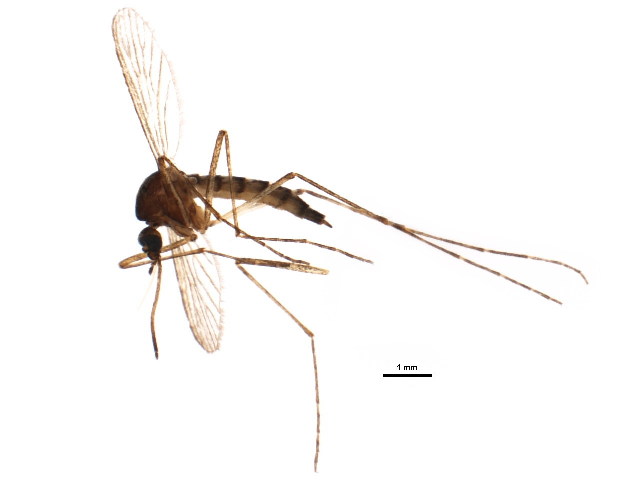
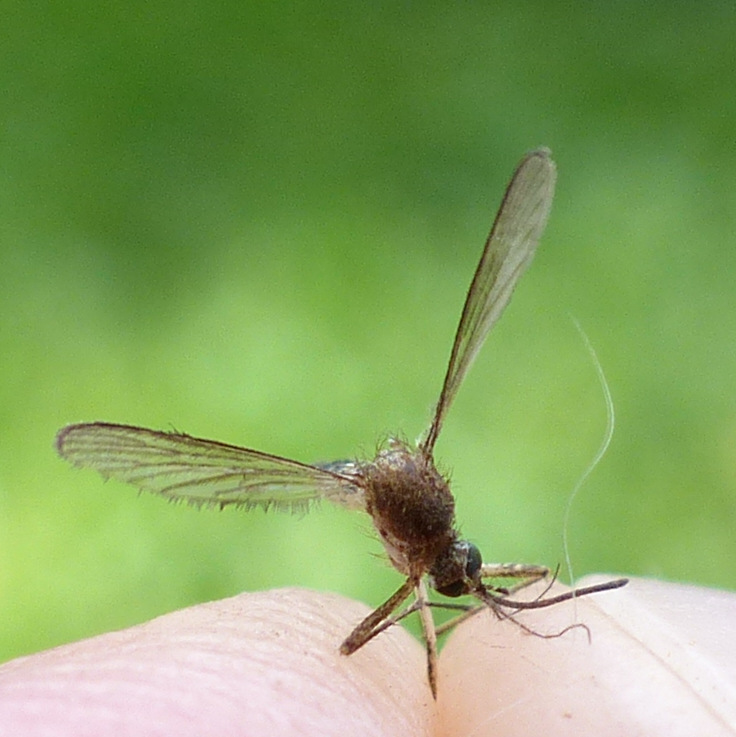
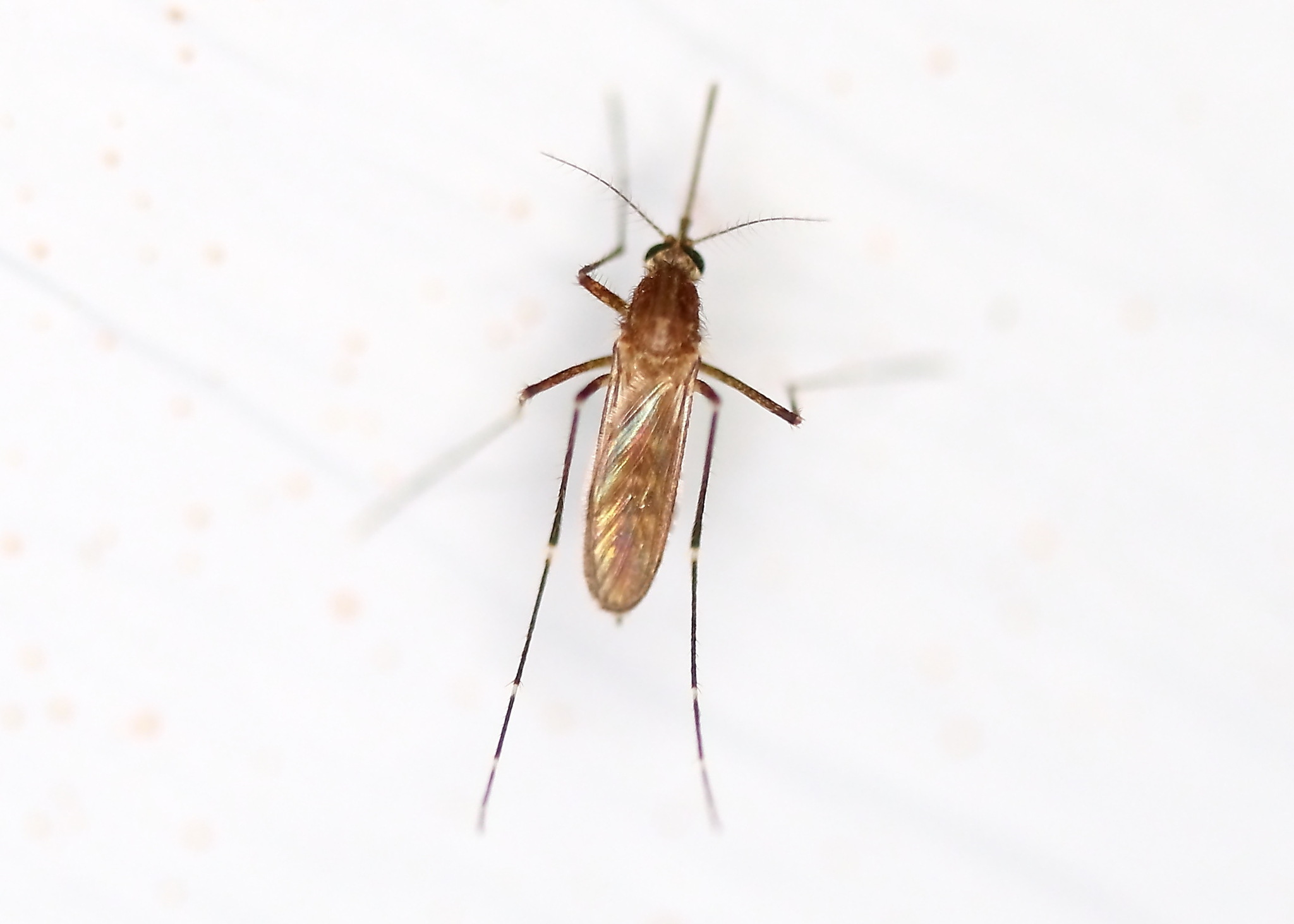
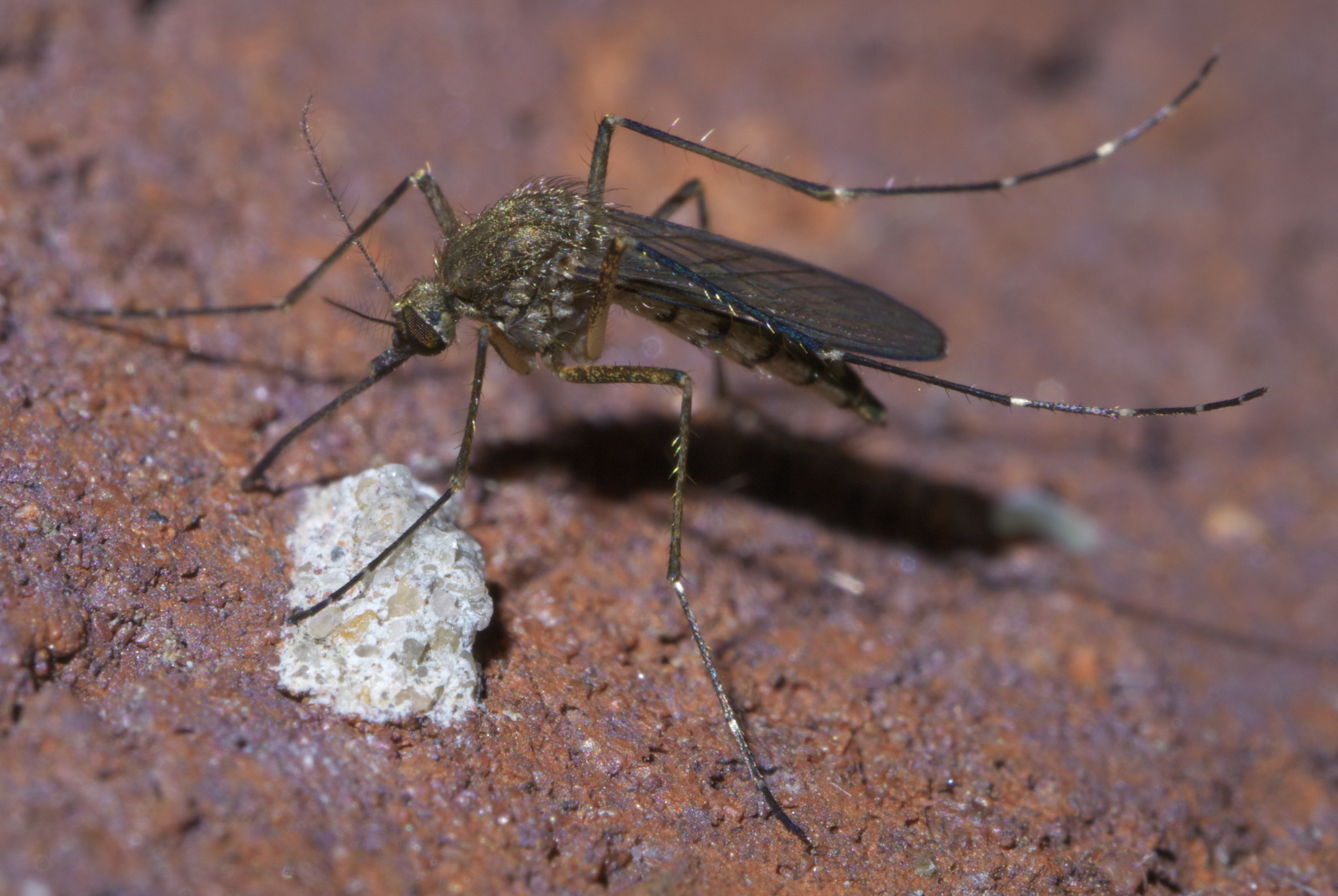
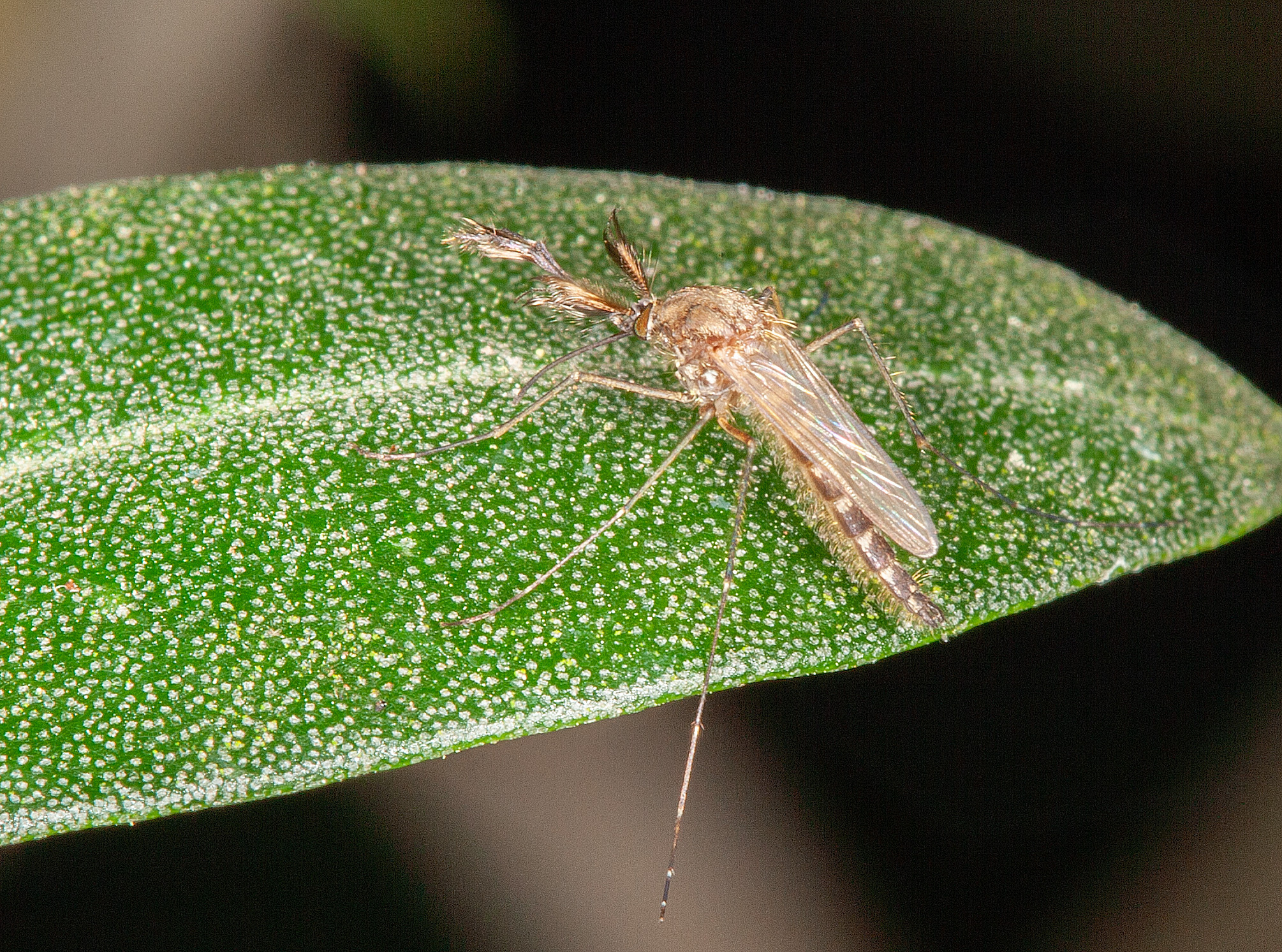
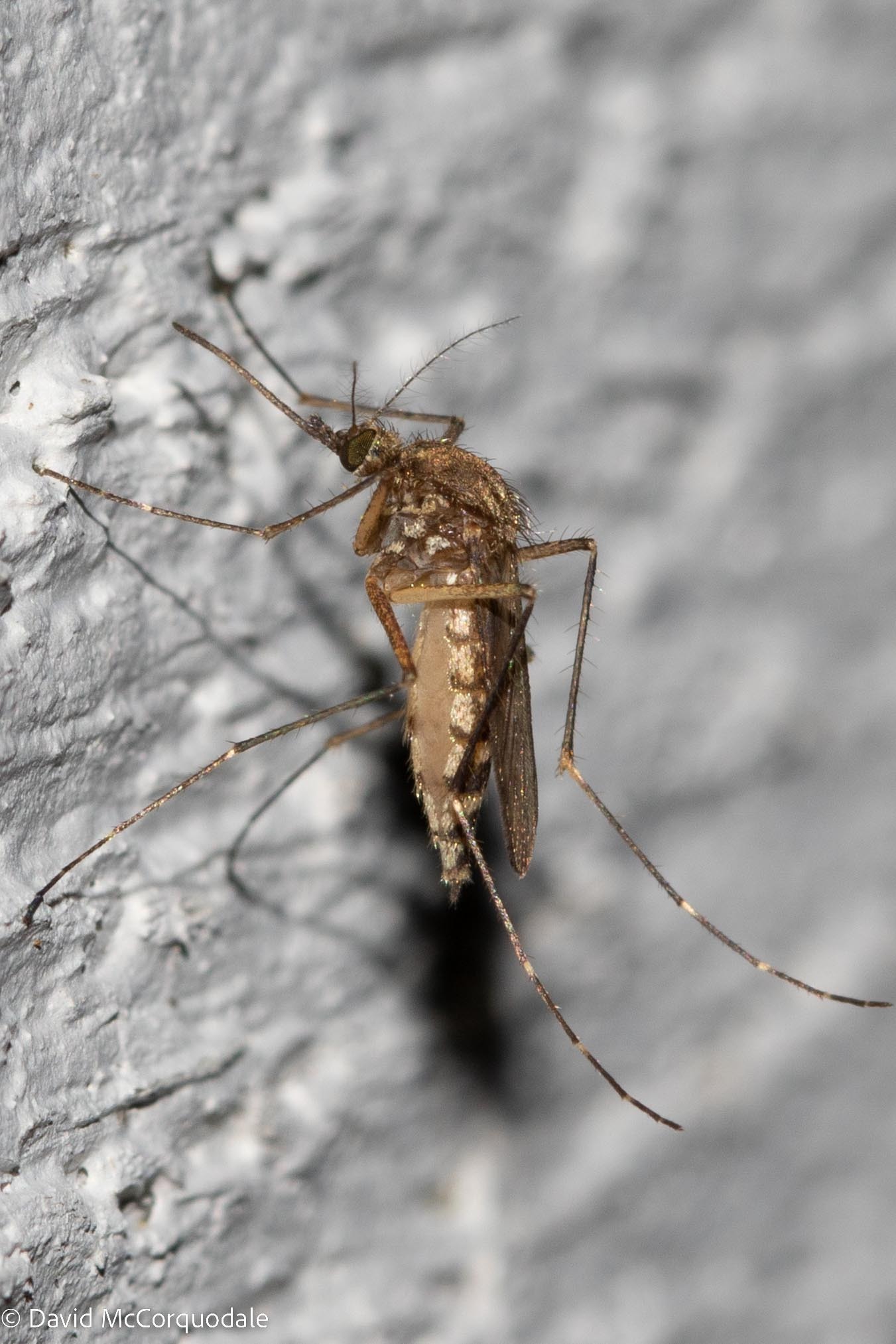
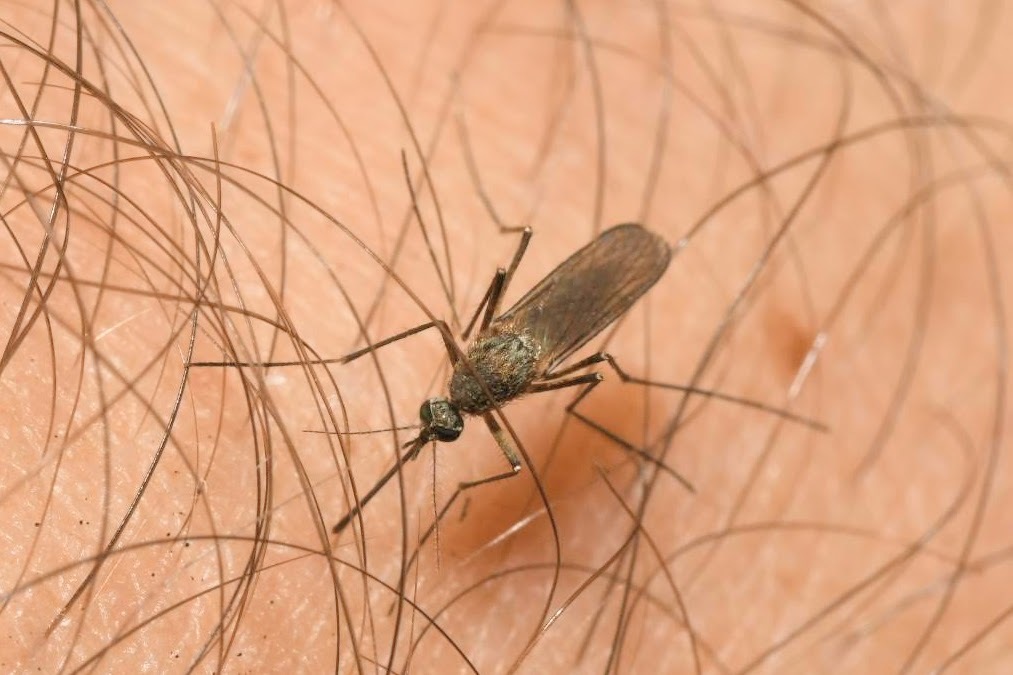
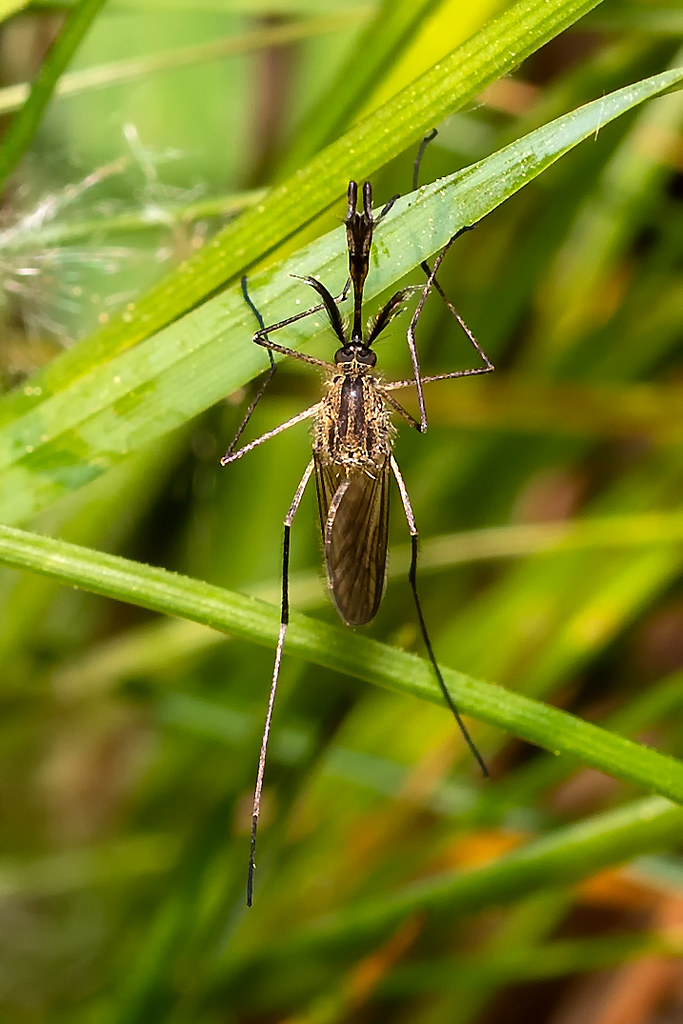
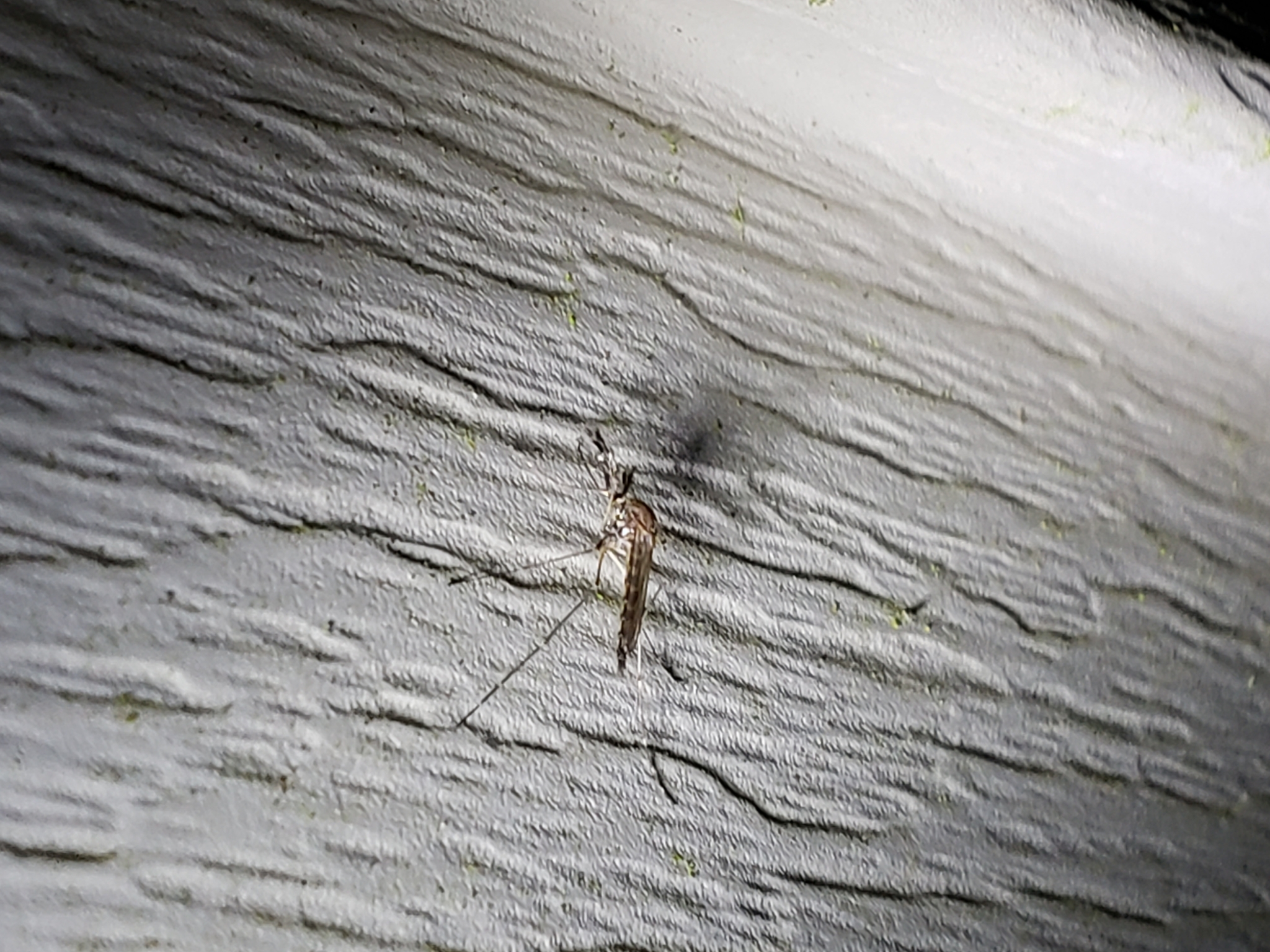
Aedes vexans, commonly known as the inland floodwater mosquito, is a dipteran insect characterized by its slender, elongated body typical of the family Culicidae. Observations from the TreeOfLife-200M dataset reveal a mosquito with a patterned thorax and abdomen, often displaying brownish or greyish coloration with lighter, pale-colored bands or markings on the abdominal segments.[1] The wings are generally clear with fine venation, and the legs are long and slender, often exhibiting distinct pale rings at the joints.[1]
Ecology and Medical Significance
Aedes vexans is a widely distributed mosquito species known for its role as a vector for various pathogens. In 2000, during an outbreak of Rift Valley fever (RVF) in the Kingdom of Saudi Arabia and Yemen, the Rift Valley fever virus (RVFV) was isolated from Aedes vexans arabiensis.[2] Phylogenetic analysis of the M segment of this isolate suggested a potential introduction of the virus from East Africa into the Arabian Peninsula, possibly through the movement of infected mosquitoes or livestock.[2]
Gallery
References
- 1 2 3 Dataset view for Animalia / Arthropoda / Insecta / Diptera / Culicidae / Aedes / vexans constructed from imageomics/TreeOfLife-200M records under this taxonomic path. Hugging Face Datasets. https://huggingface.co/datasets/imageomics/TreeOfLife-200M.
- 1 2 Barry R. Miller; Marvin S. Godsey; Mary B. Crabtree; Harry M. Savage; Yagob Al-Mazrao; Mohammed H. Al-Jeffri; Abdel-Mohsin M. Abdoon; Suleiman M. Al-Seghayer; Ali Alshahrani; Thomas G. Ksiazek. Isolation and Genetic Characterization of Rift Valley fever virus from Aedes vexans arabiensis, Kingdom of Saudi Arabia. Emerging infectious diseases. 2002. https://doi.org/10.3201/eid0812.020194.