Aedes unilineatus
Taxonomy
This page represents the following TreeOfLife-200M taxonomic path.[1]
- Kingdom: Animalia
- Phylum: Arthropoda
- Class: Insecta
- Order: Diptera
- Family: Culicidae
- Genus: Aedes
- Species: Aedes unilineatus
Visual Description
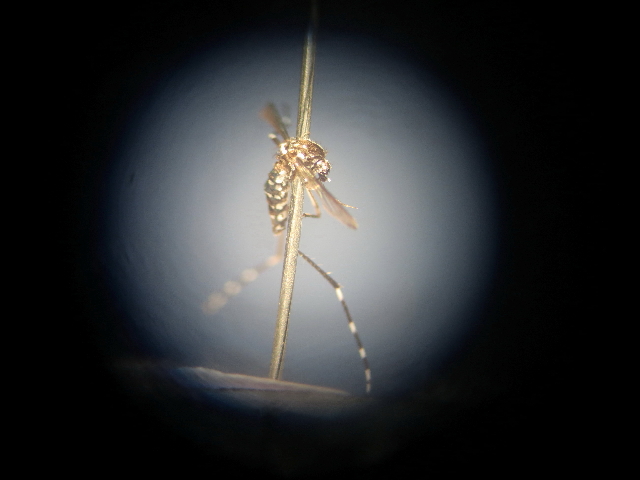
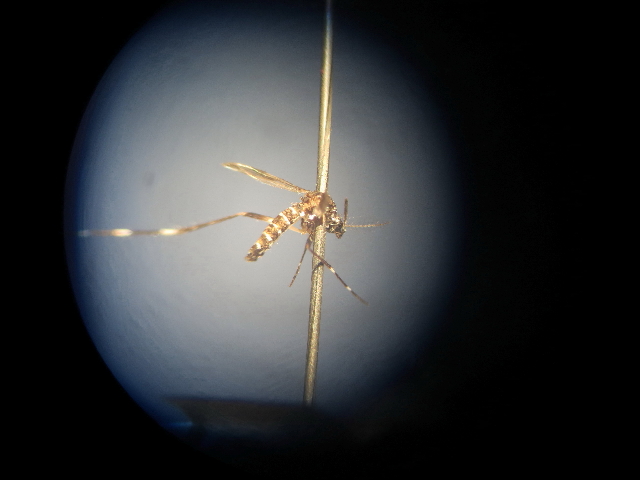
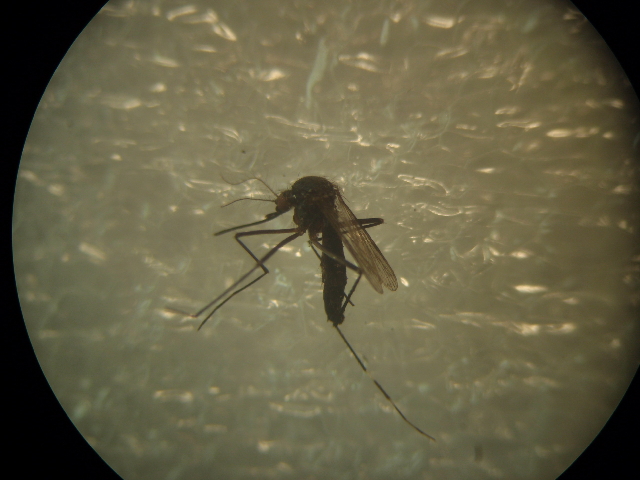
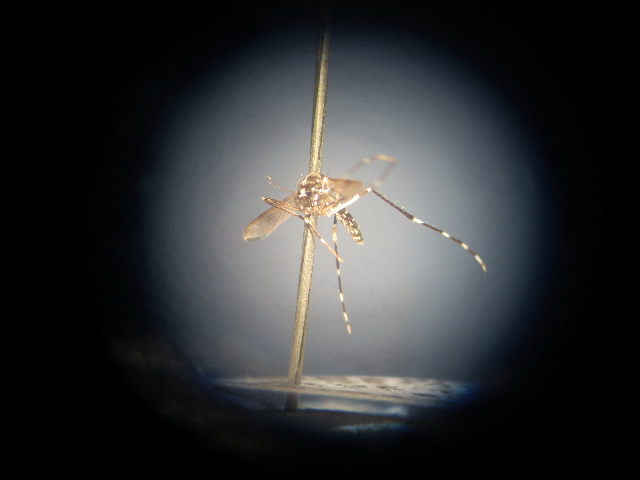
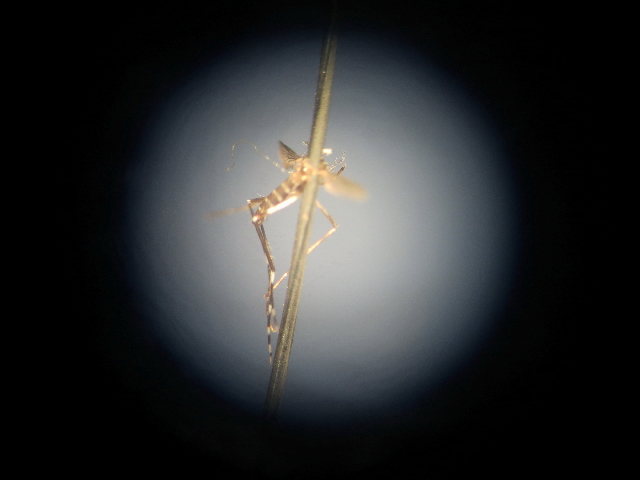
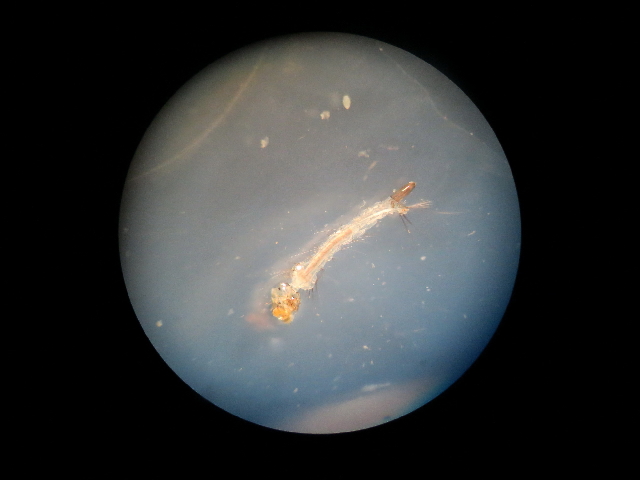
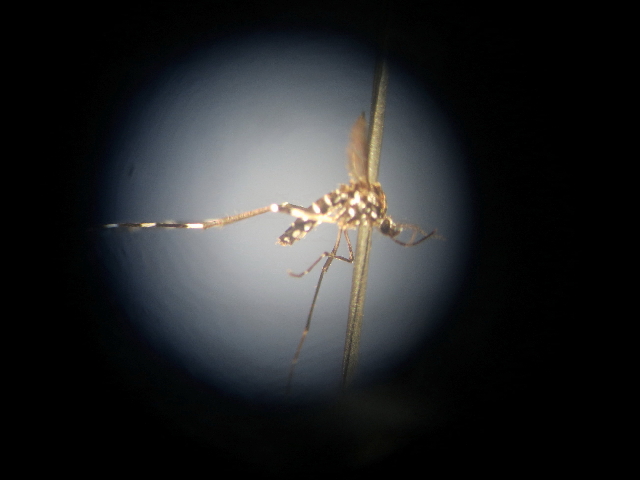
Based on examination of museum specimens, Aedes unilineatus exhibits typical morphological characteristics of the genus Aedes. The specimens display a dark, sclerotized body structure. Visible traits include the presence of distinct, light-colored longitudinal scaling patterns on the scutum, which are characteristic of many species within the subgenus Stegomyia. The legs show banded patterns, a common feature in this group. These observations are consistent with specimens cataloged in the TreeOfLife-200M dataset.[1]
Vector Competence
Research into the vector competence of Aedes unilineatus has been conducted, specifically regarding its potential to transmit the Zika virus (ZIKV). In experimental studies using specimens collected from Kedougou, Senegal, Ae. unilineatus was found to be susceptible to oral infection by various ZIKV strains. However, under the tested laboratory conditions (27 ± 1 °C and 80 ± 5 % relative humidity), the virus was not detected in the mosquito saliva at 5, 10, or 15 days post-infection, indicating that it did not demonstrate the potential to transmit the virus in this study.[2]
Gallery
References
- 1 2 Dataset view for Animalia / Arthropoda / Insecta / Diptera / Culicidae / Aedes / unilineatus constructed from imageomics/TreeOfLife-200M records under this taxonomic path. Hugging Face Datasets. https://huggingface.co/datasets/imageomics/TreeOfLife-200M.
- ↑ Cheikh Tidiane Diagne; Diawo Diallo; Oumar Faye; Yamar Bâ; Ousmane Faye; Alioune Gaye; Ibrahima Dia; Ousmane Faye; Scott C. Weaver; Amadou Alpha Sall; Mawlouth Diallo. Potential of selected Senegalese Aedes spp. mosquitoes (Diptera: Culicidae) to transmit Zika virus. BMC Infectious Diseases. 2015. https://doi.org/10.1186/s12879-015-1231-2.