Aedes triseriatus
Taxonomy
This page represents the following TreeOfLife-200M taxonomic path.[1]
- Kingdom: Animalia
- Phylum: Arthropoda
- Class: Insecta
- Order: Diptera
- Family: Culicidae
- Genus: Aedes
- Species: Aedes triseriatus
Visual Description
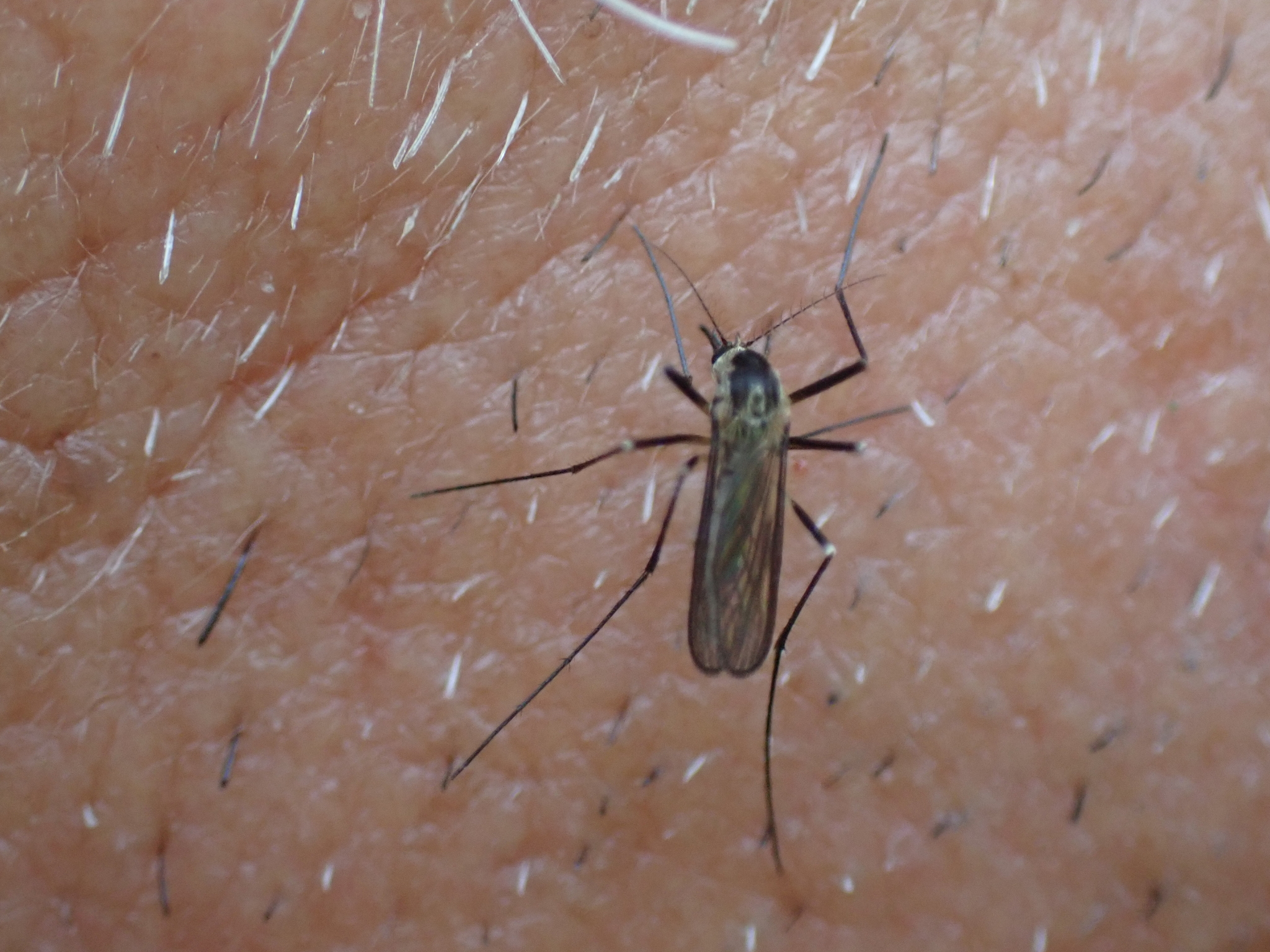
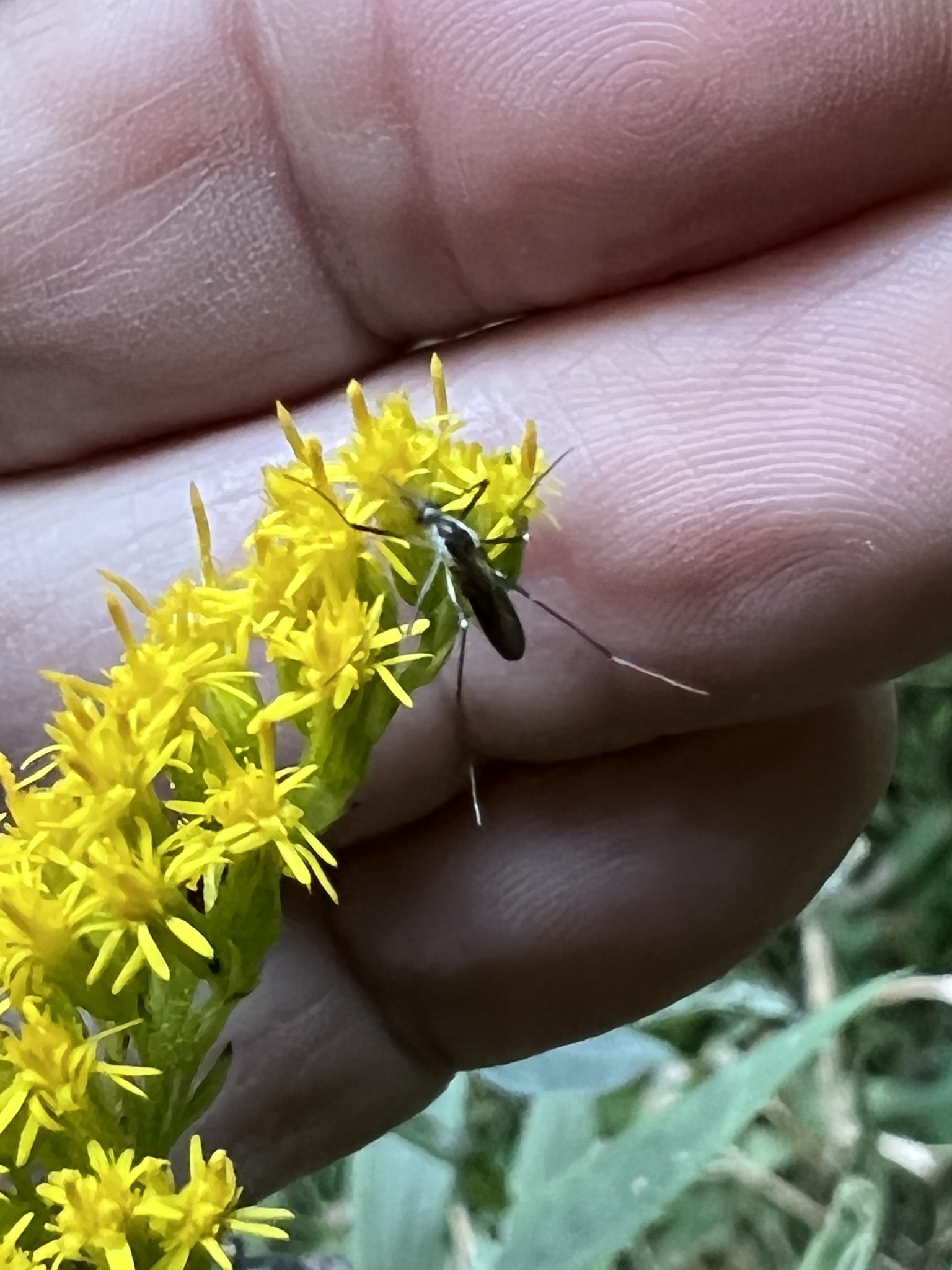
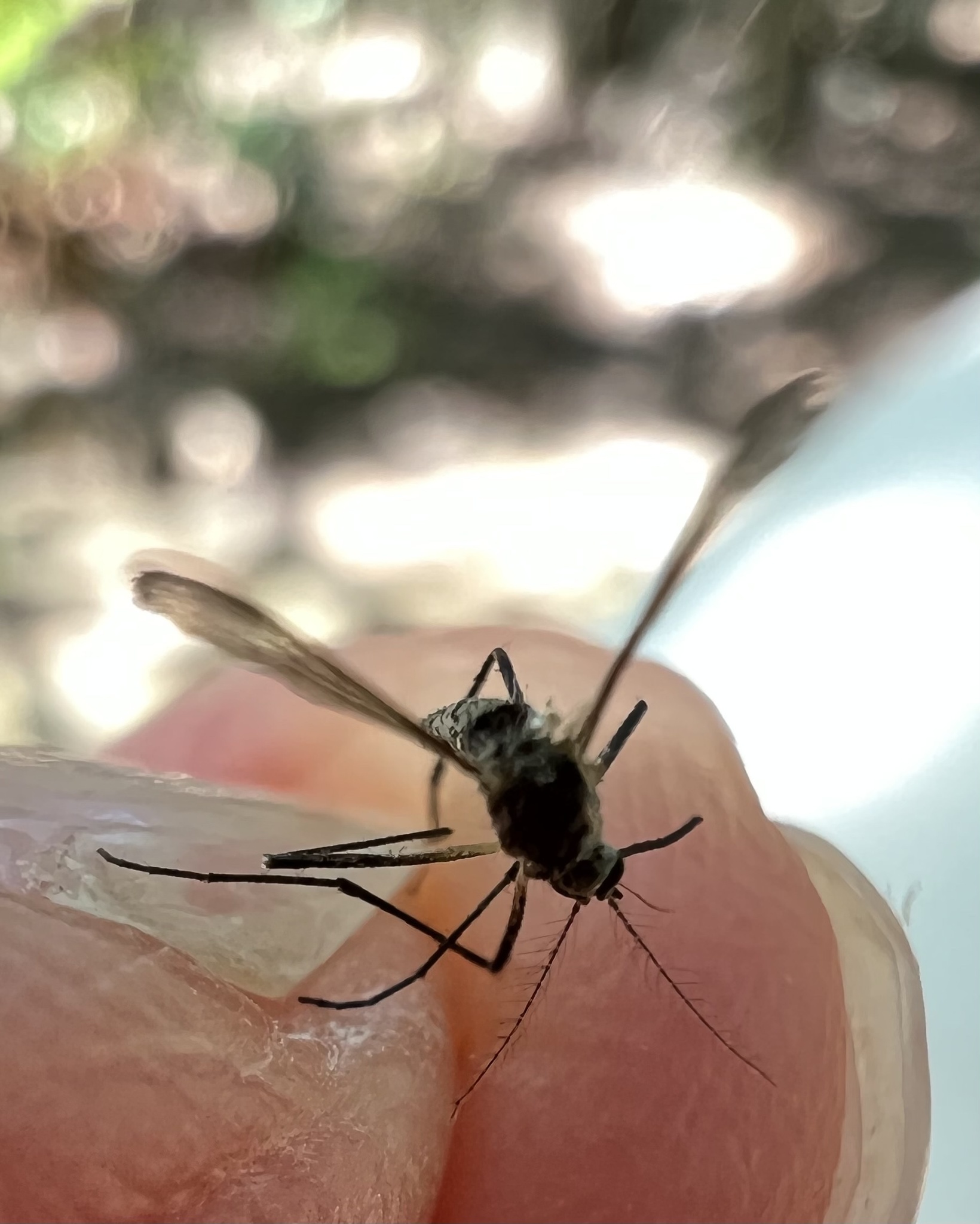
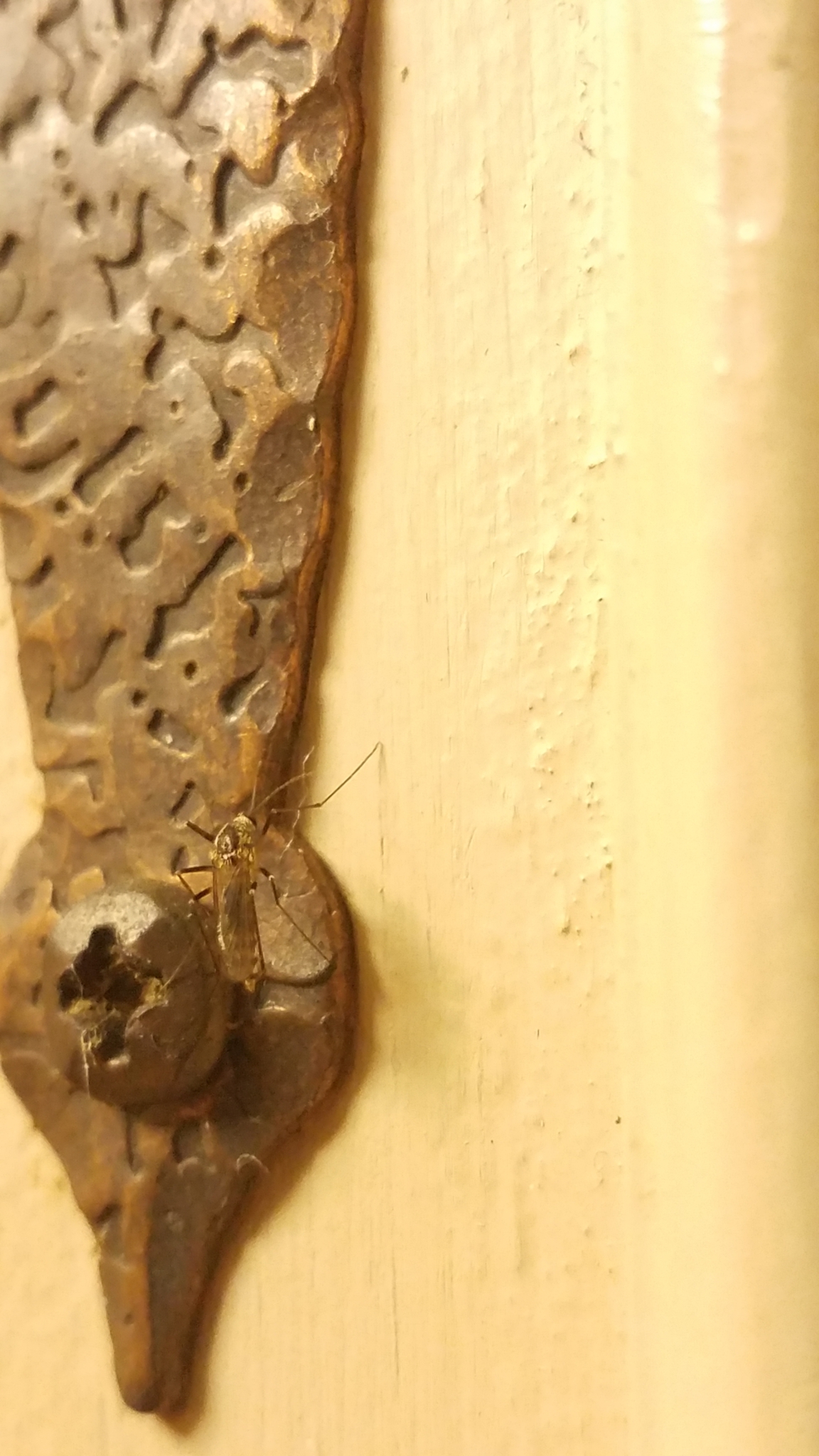
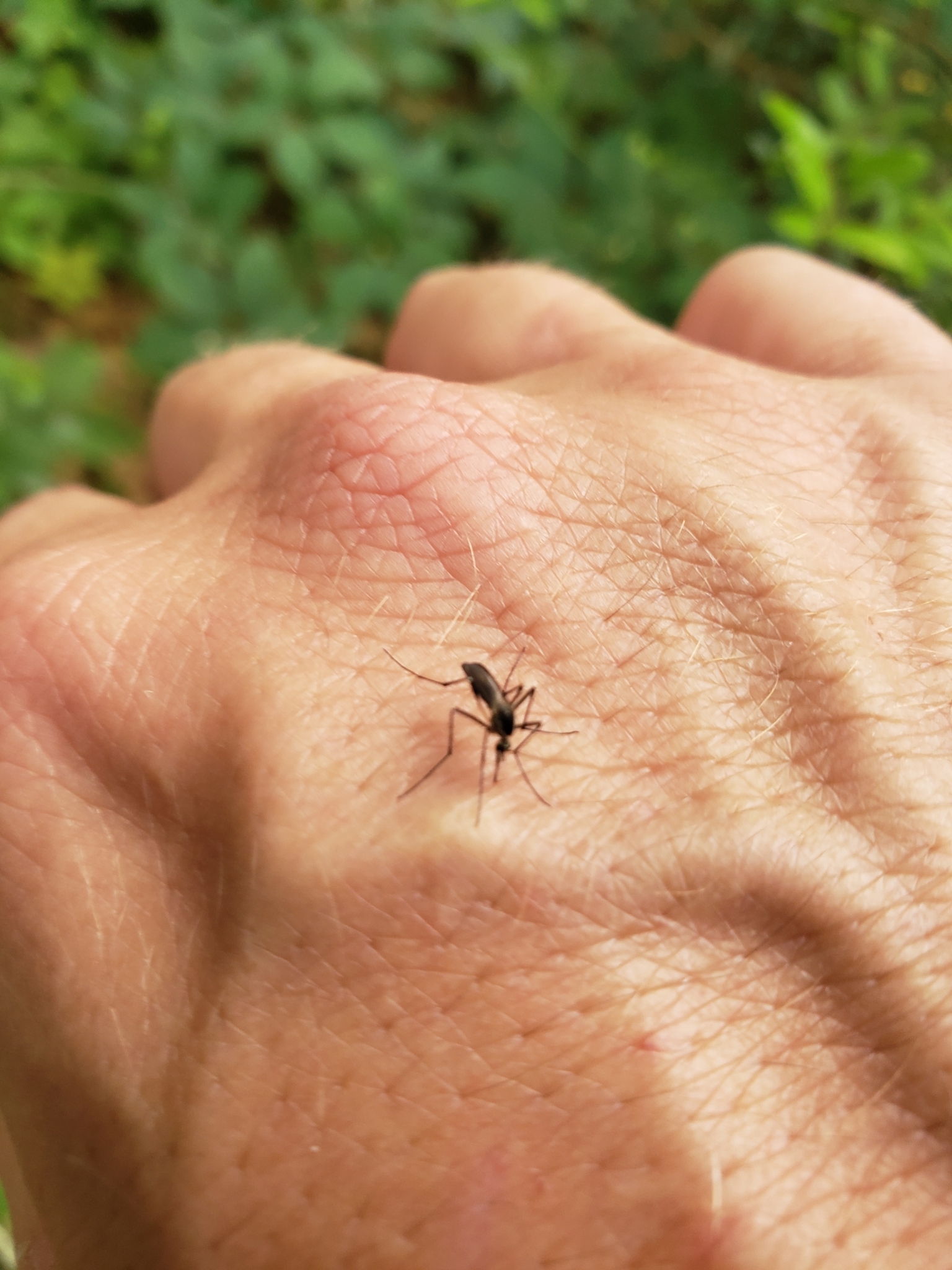
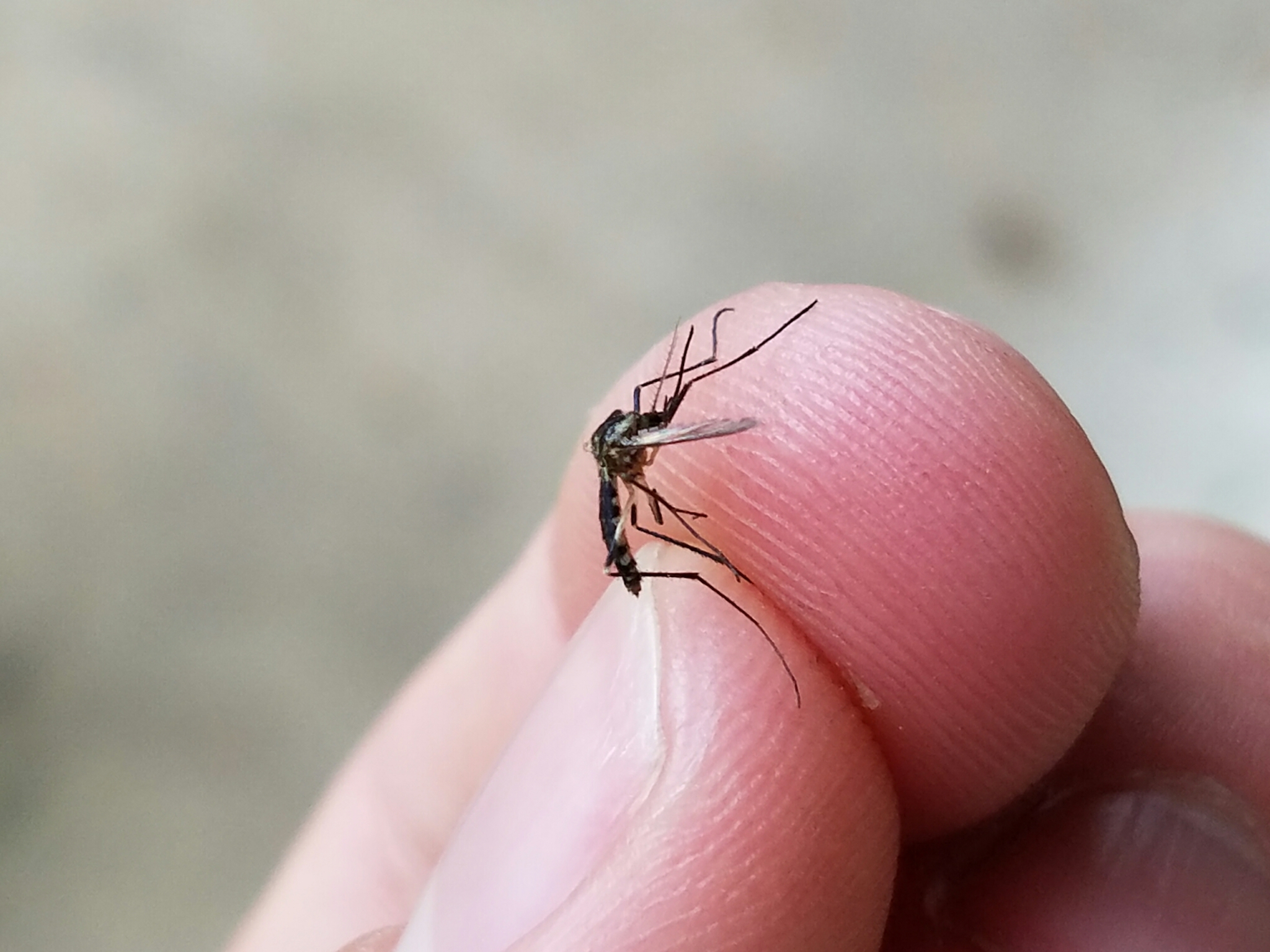
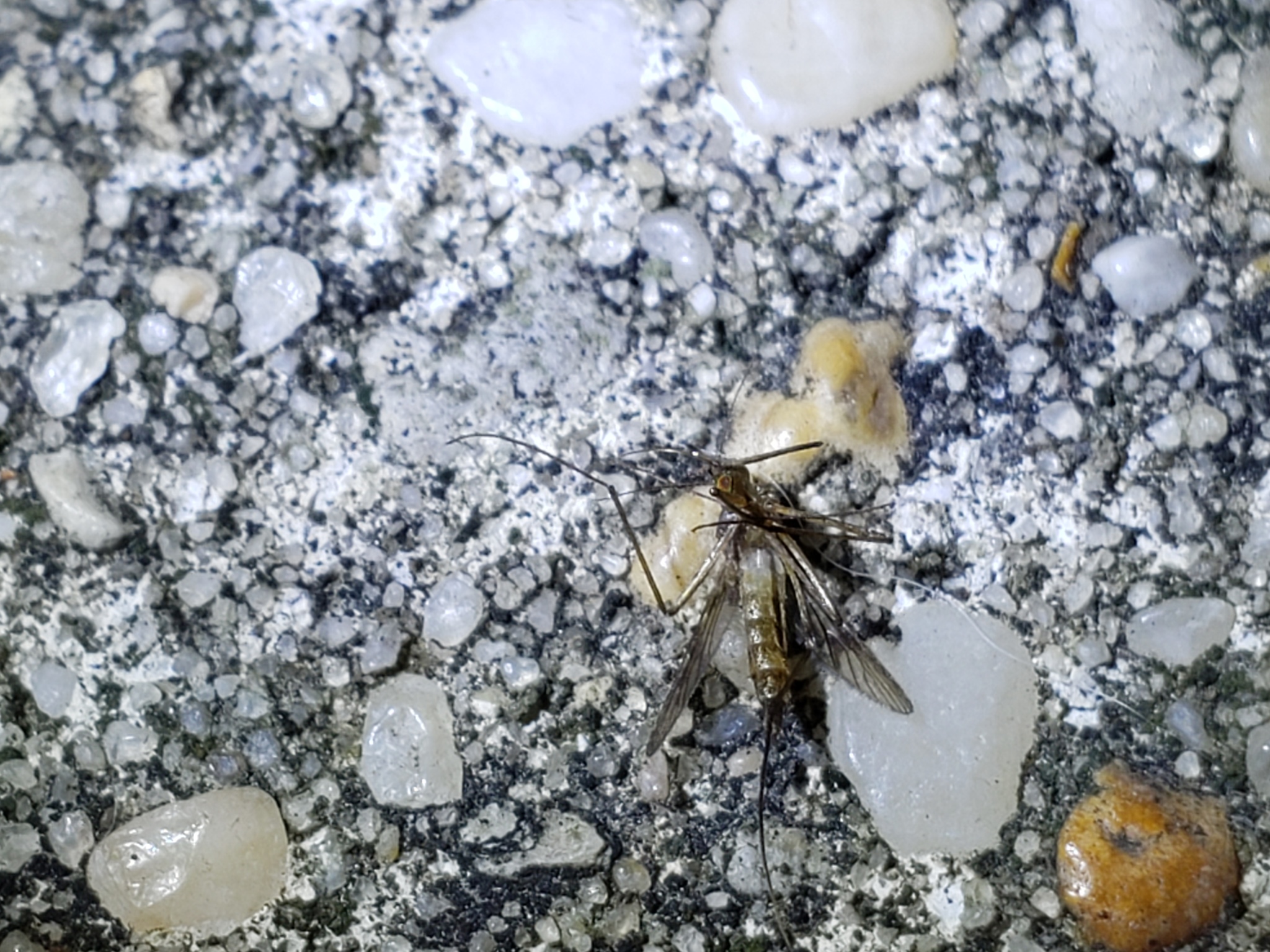
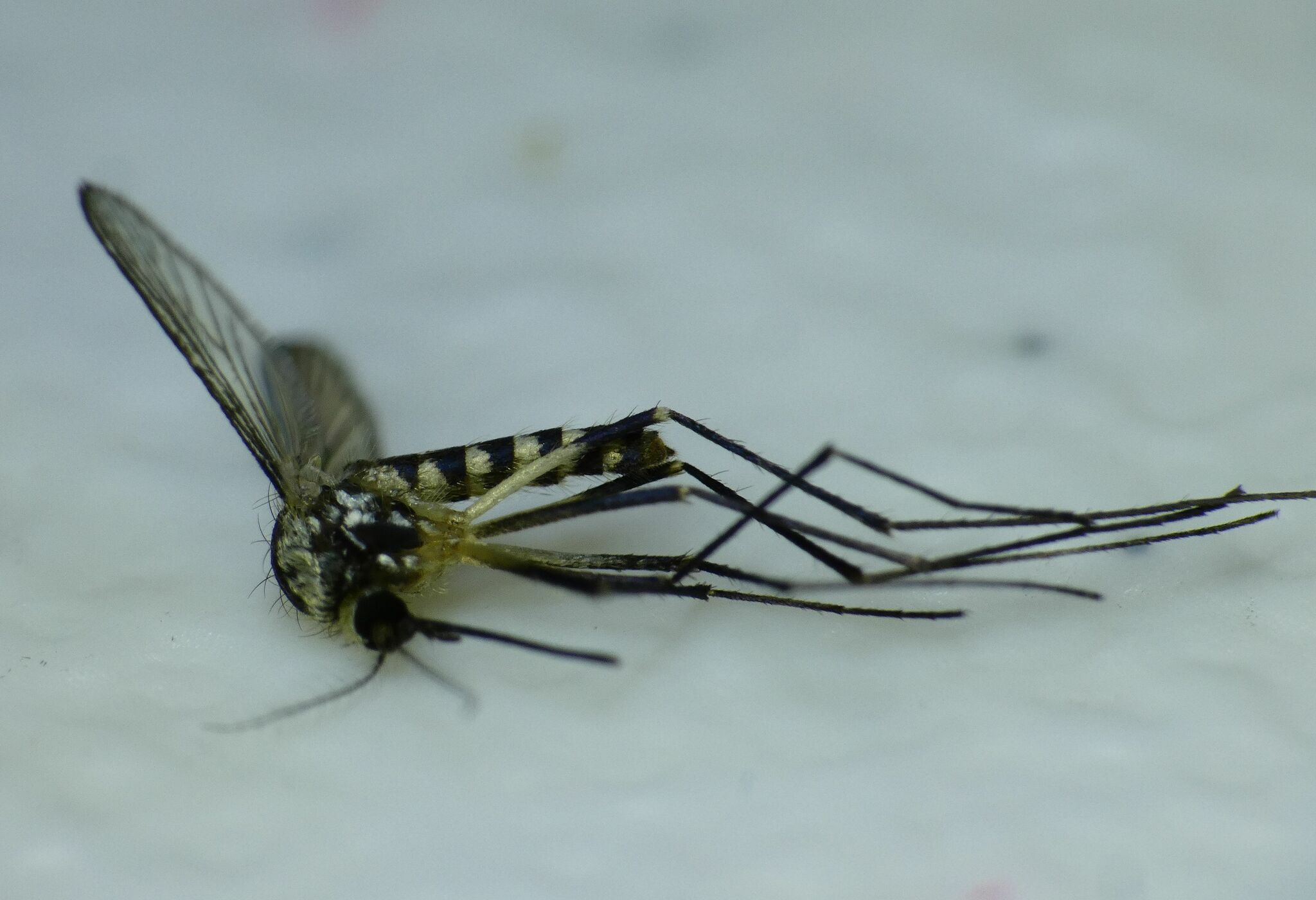
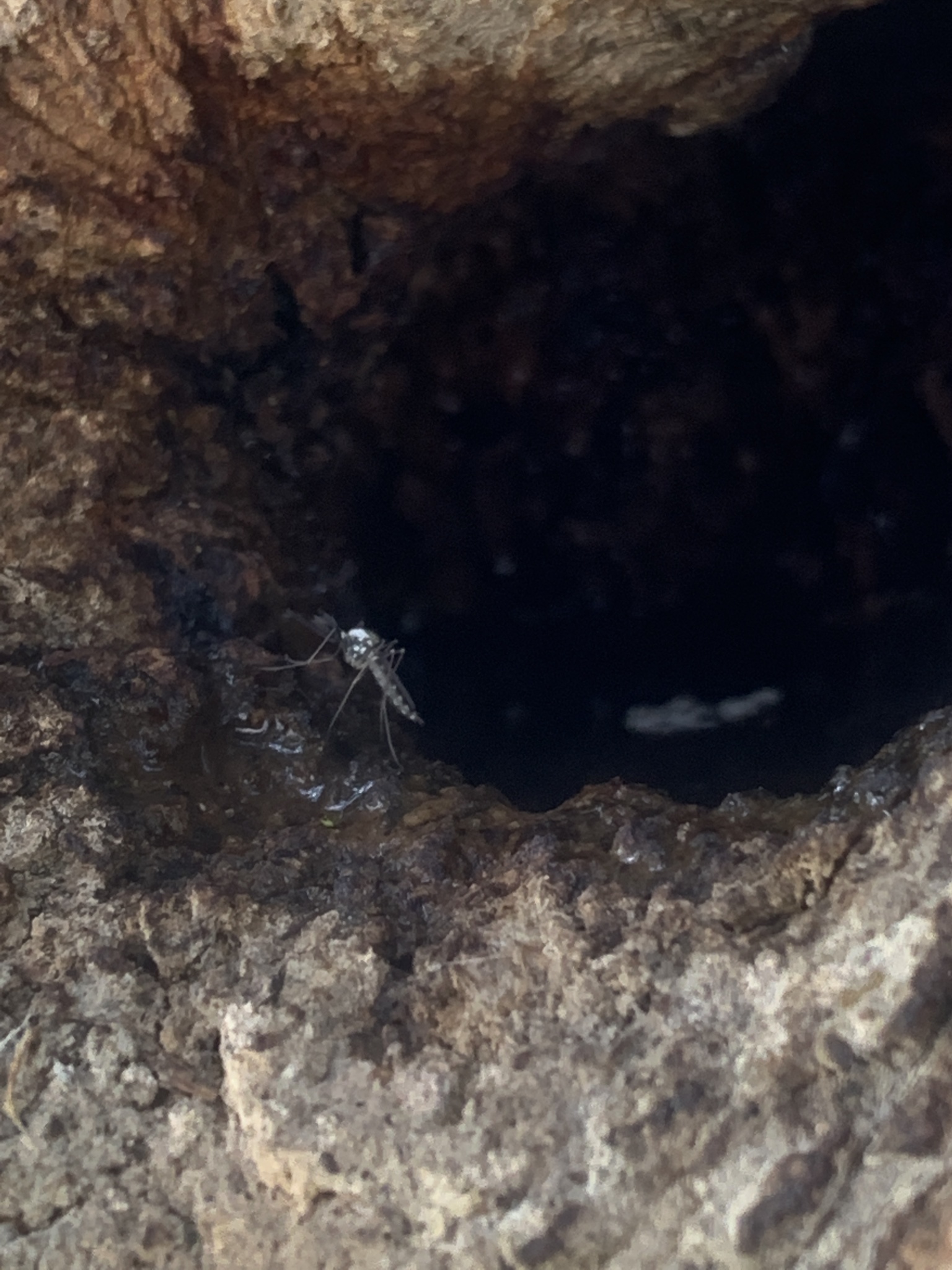
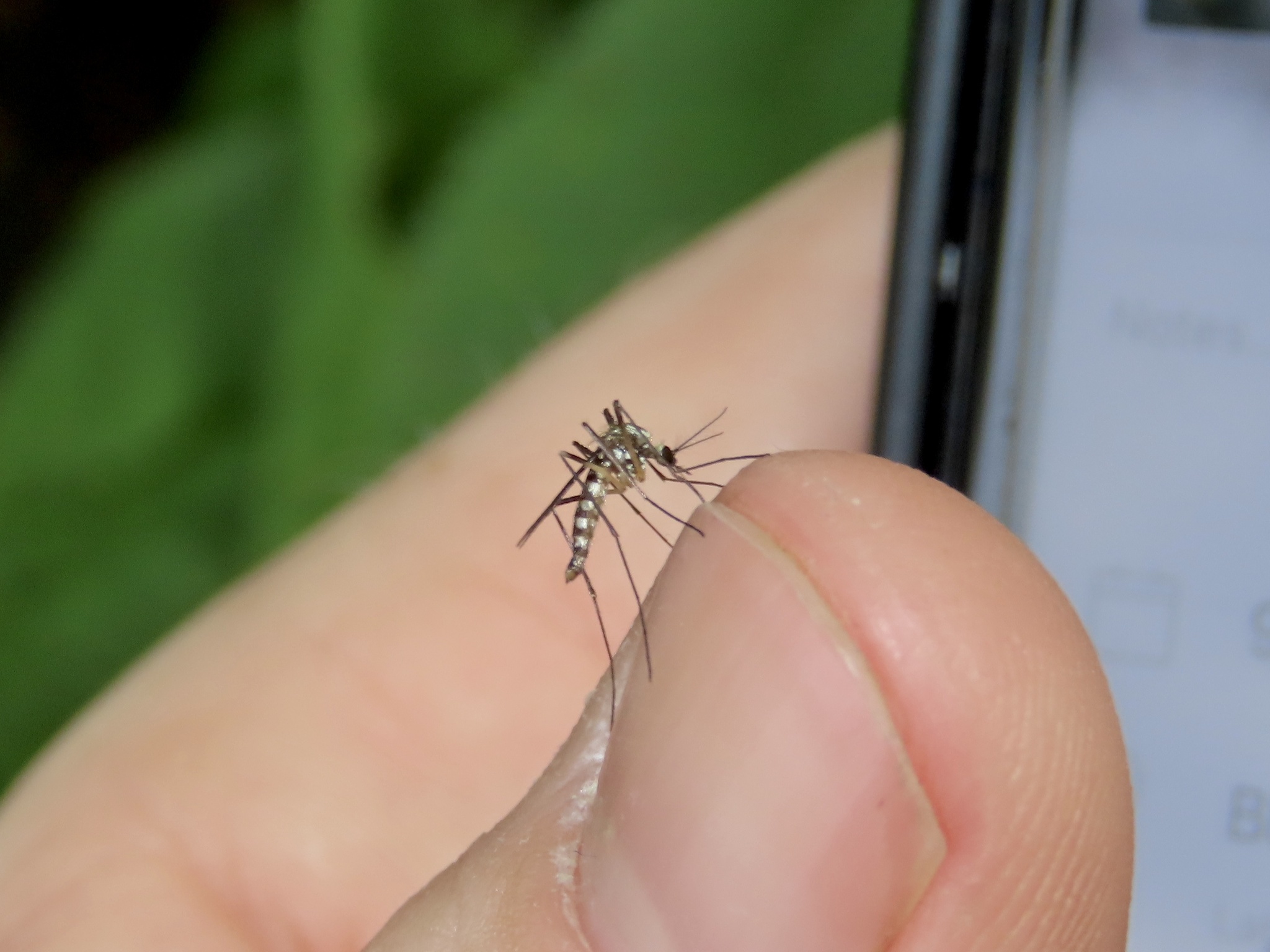
Aedes triseriatus, commonly known as the Eastern treehole mosquito, exhibits characteristic morphological traits of the family Culicidae. Observations from the TreeOfLife-200M dataset reveal a slender, mosquito-like body form typical of the genus Aedes.[1] The specimens display a dark, often blackish, coloration on the thorax and abdomen. Distinctive white or silvery-white scale patterns are visible on the sides of the thorax and abdomen, providing a contrast against the darker background. The legs are generally dark, sometimes with subtle pale banding. The wings are narrow and membranous, typical for dipteran insects.[1]
Biology and Ecology
Aedes triseriatus is a species of mosquito native to North America. It is commonly referred to as the Eastern treehole mosquito, reflecting its primary larval habitat in water-filled tree holes.[2] The species was originally described by Thomas Say in 1823 as Culex triseriatus.[3]
Research into the vector competence of Aedes triseriatus has shown that it can be susceptible to various viruses, including the Zika virus, although its efficiency as a vector can vary compared to other mosquito species.[4] In its natural environment, it interacts with other species, such as the predatory mosquito Toxorhynchites rutilus, and can serve as a host for various pathogens.[5]
Gallery
References
- 1 2 3 Dataset view for Animalia / Arthropoda / Insecta / Diptera / Culicidae / Aedes / triseriatus constructed from imageomics/TreeOfLife-200M records under this taxonomic path. Hugging Face Datasets. https://huggingface.co/datasets/imageomics/TreeOfLife-200M.
- ↑ Aedes triseriatus. Wikipedia. https://en.wikipedia.org/wiki/Aedes_triseriatus. Accessed 2026-07-14.
- ↑ Aedes triseriatus (Say, 1823). GBIF. https://www.gbif.org/species/1651799. Accessed 2026-07-15.
- ↑ Matthew T. Aliota; Stephen A. Peinado; Jorge E. Osorio; Lyric C. Bartholomay. Culex pipiensandAedes triseriatusMosquito Susceptibility to Zika Virus. Emerging infectious diseases. 2016. https://doi.org/10.3201/eid2210.161082.
- ↑ Aedes triseriatus. Global Biotic Interactions. https://www.globalbioticinteractions.org/?targetTaxon=Aedes%20triseriatus. Accessed 2026-07-14.