Aedes togoi
Taxonomy
This page represents the following TreeOfLife-200M taxonomic path.[1]
- Kingdom: Animalia
- Phylum: Arthropoda
- Class: Insecta
- Order: Diptera
- Family: Culicidae
- Genus: Aedes
- Species: Aedes togoi
Visual Description
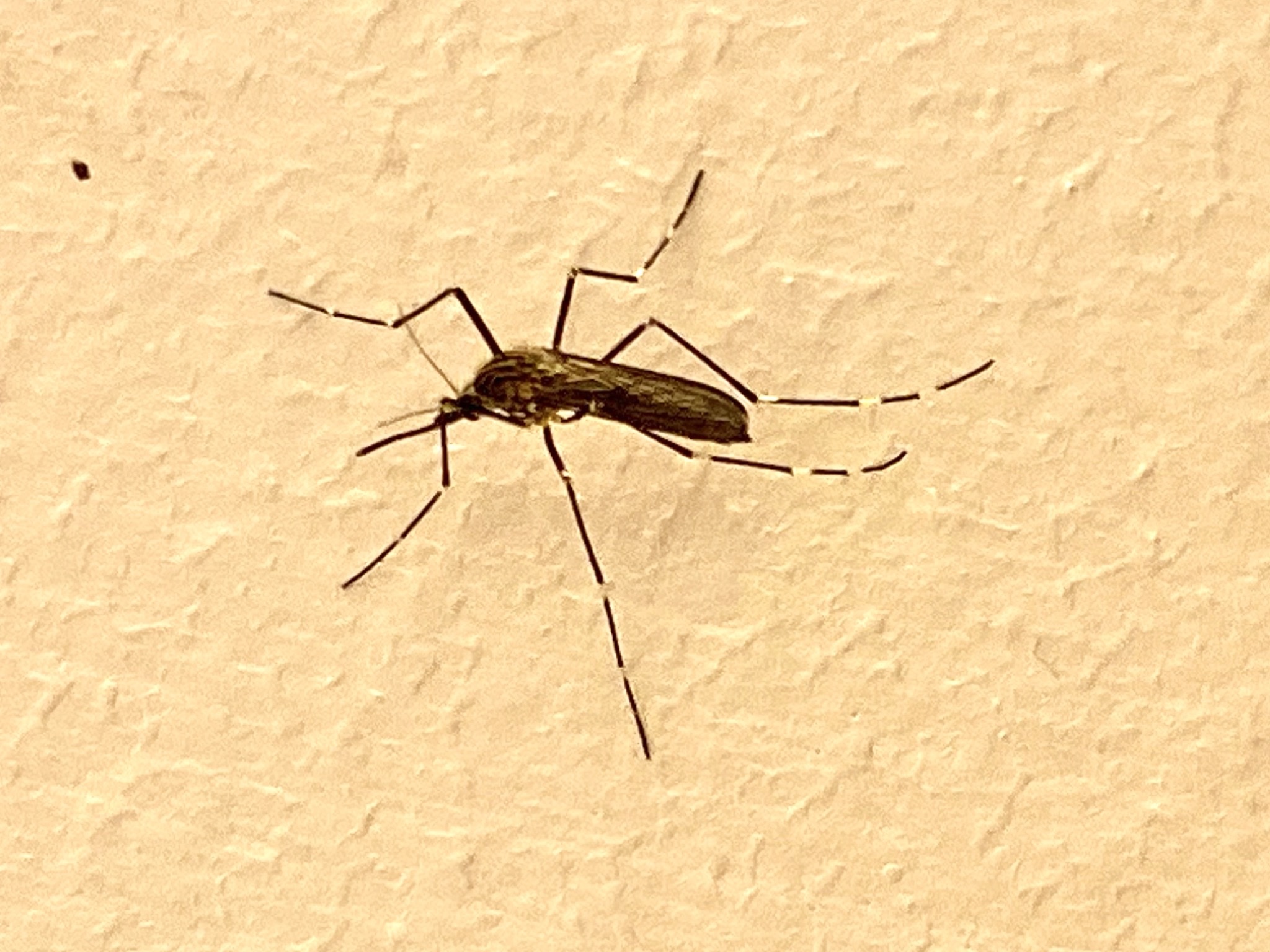
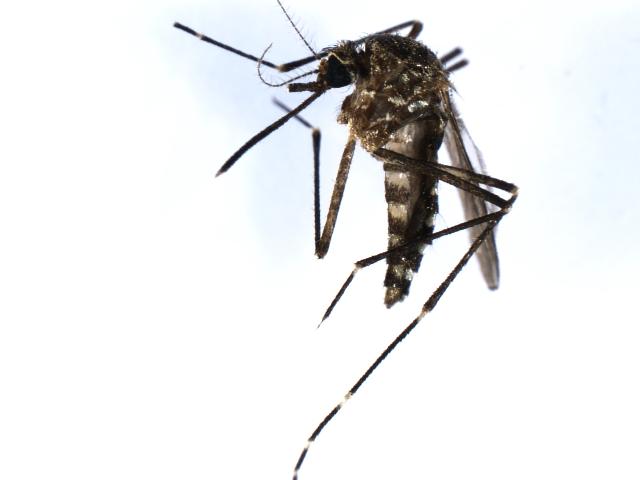
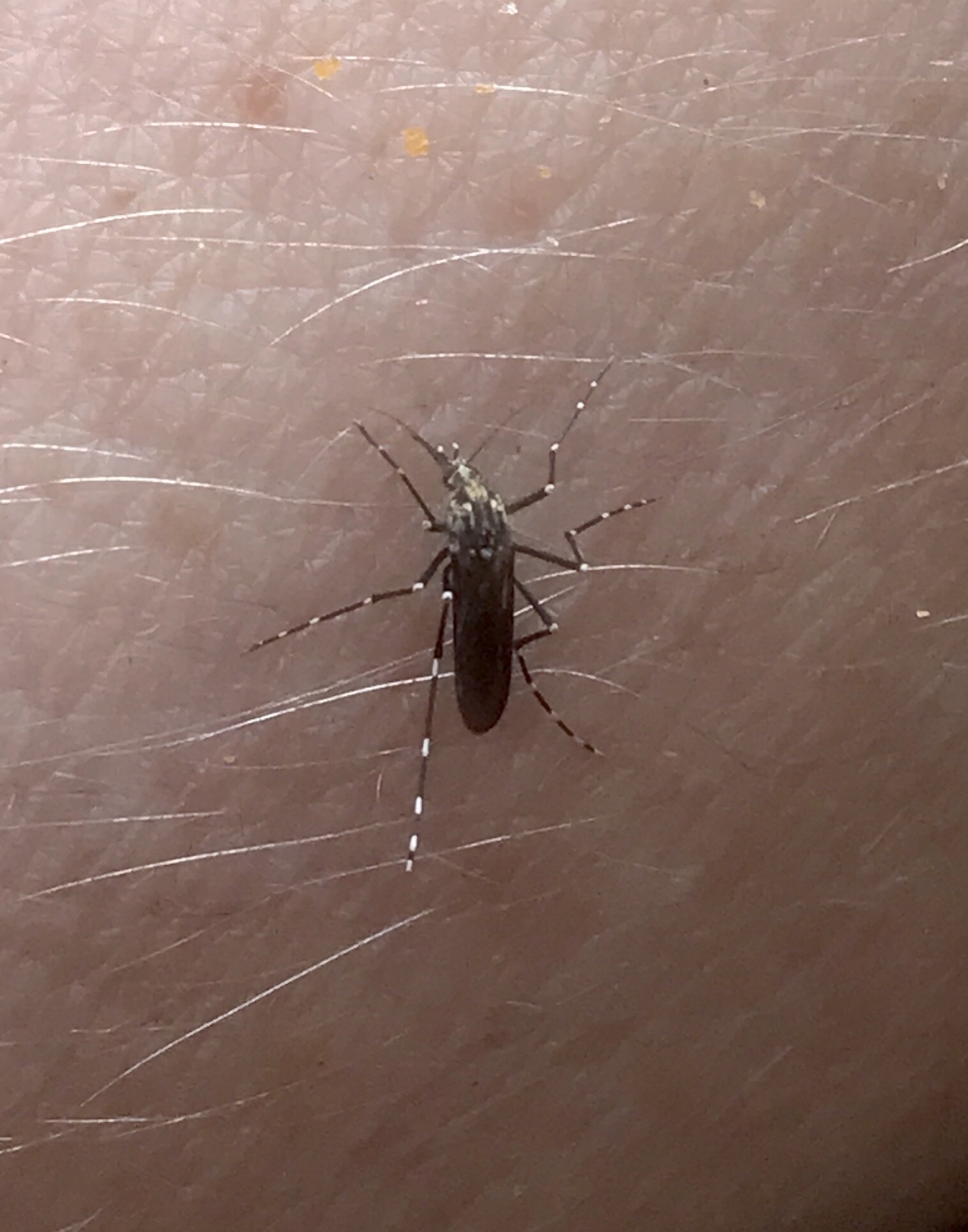
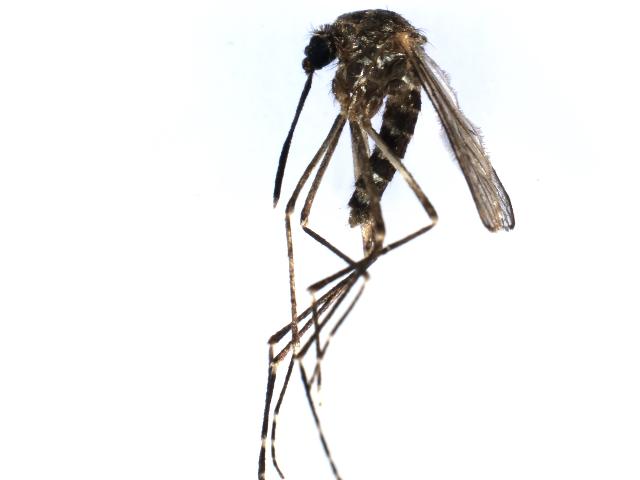
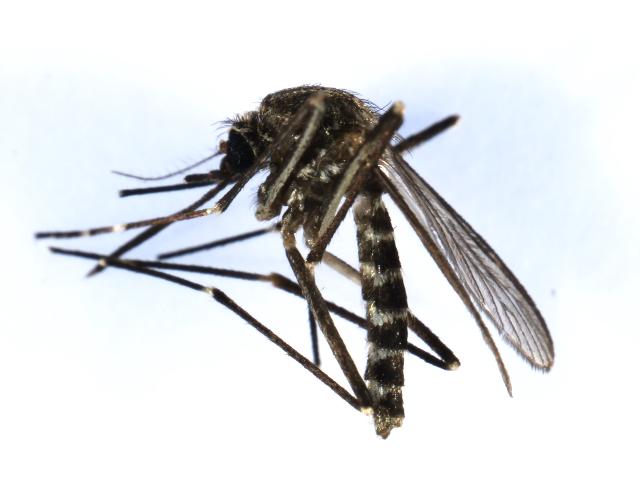
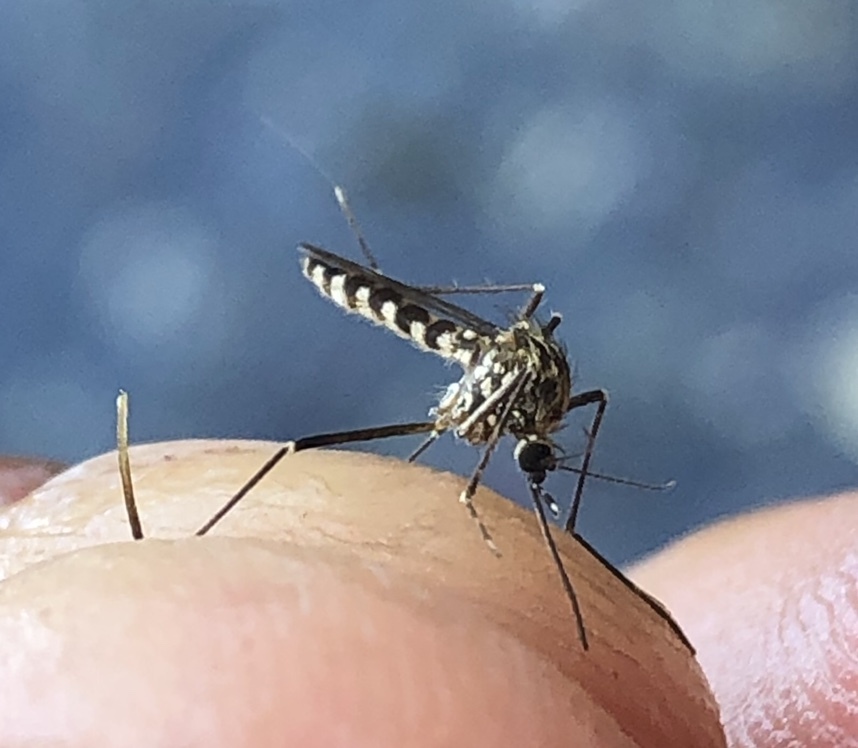
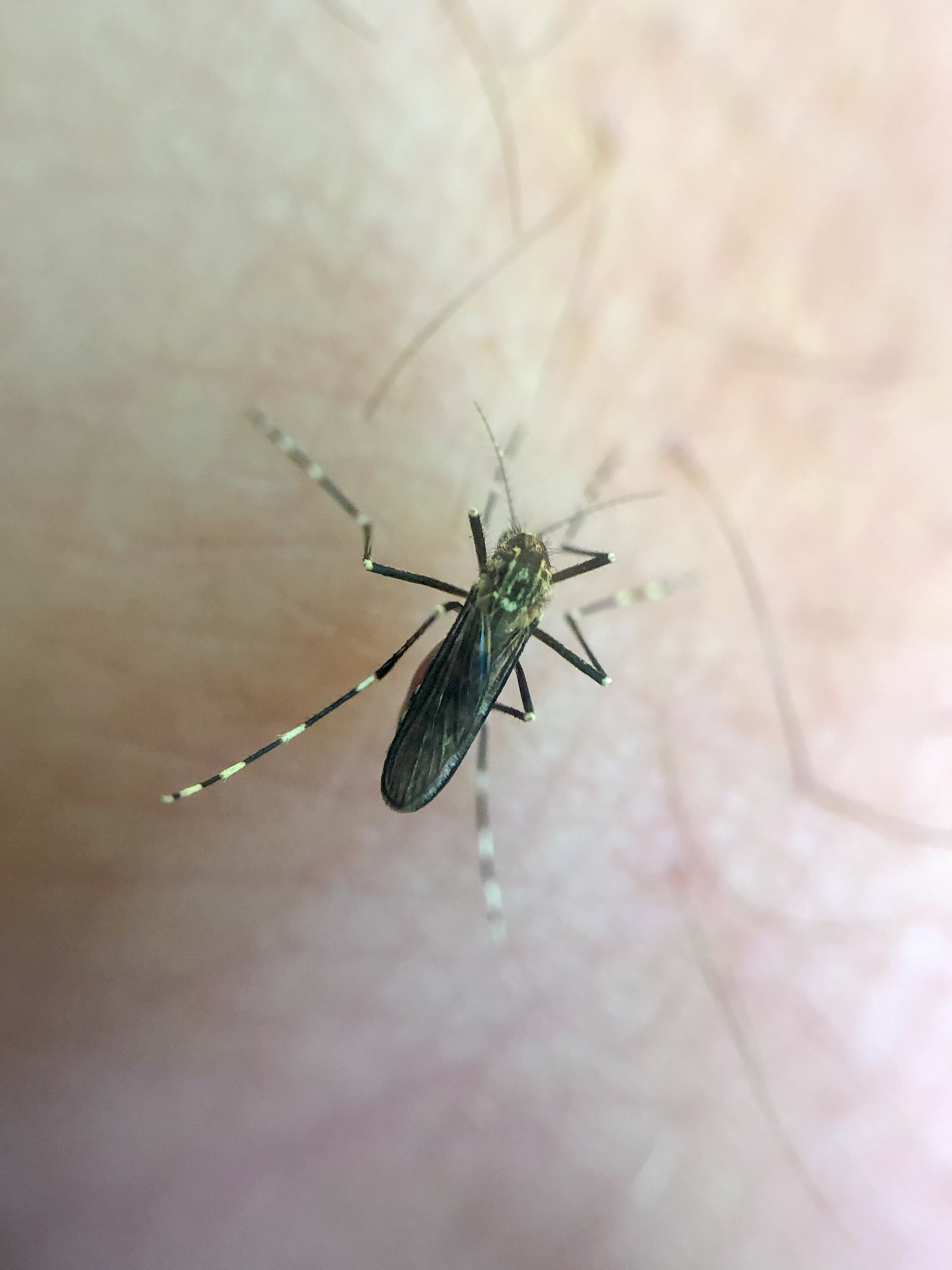
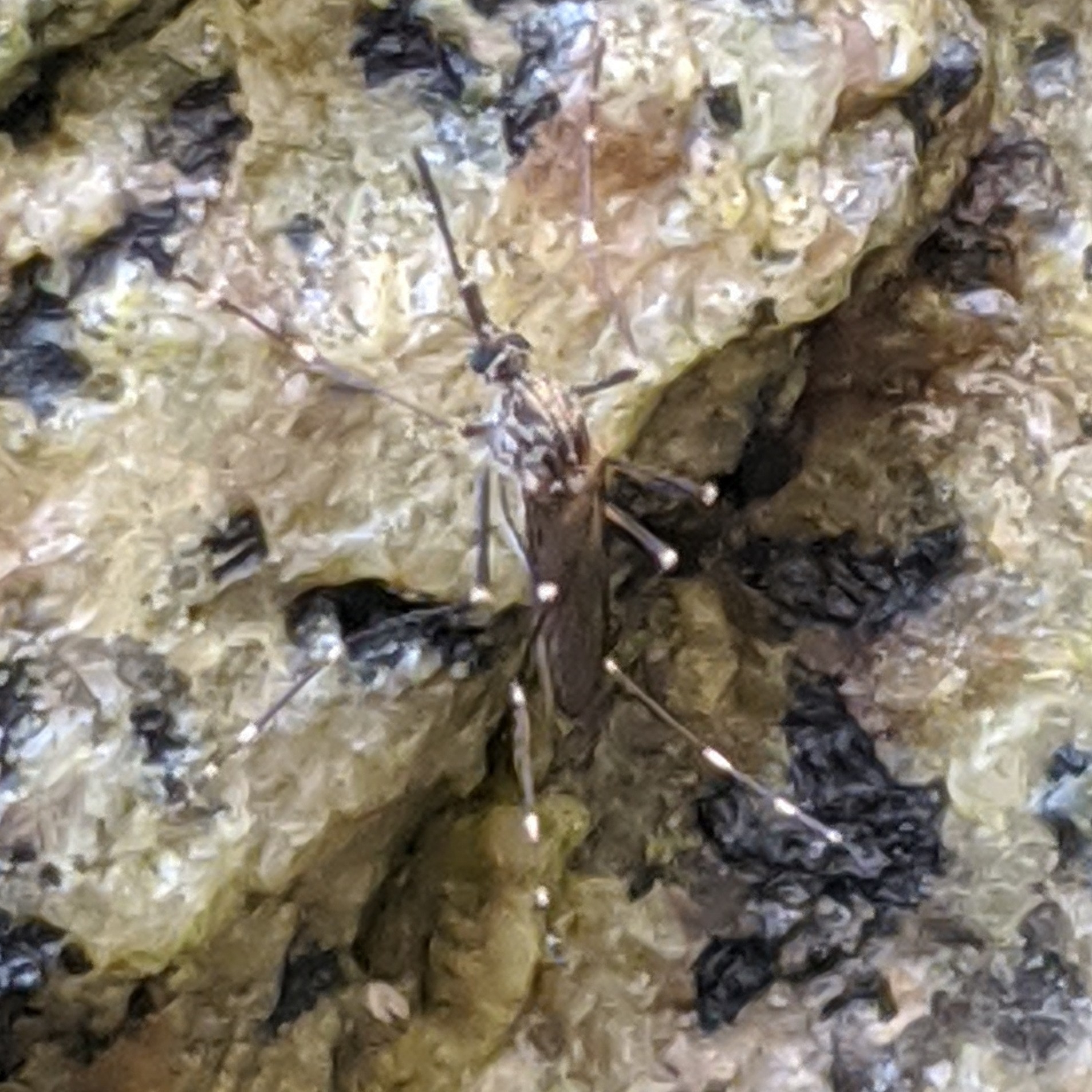
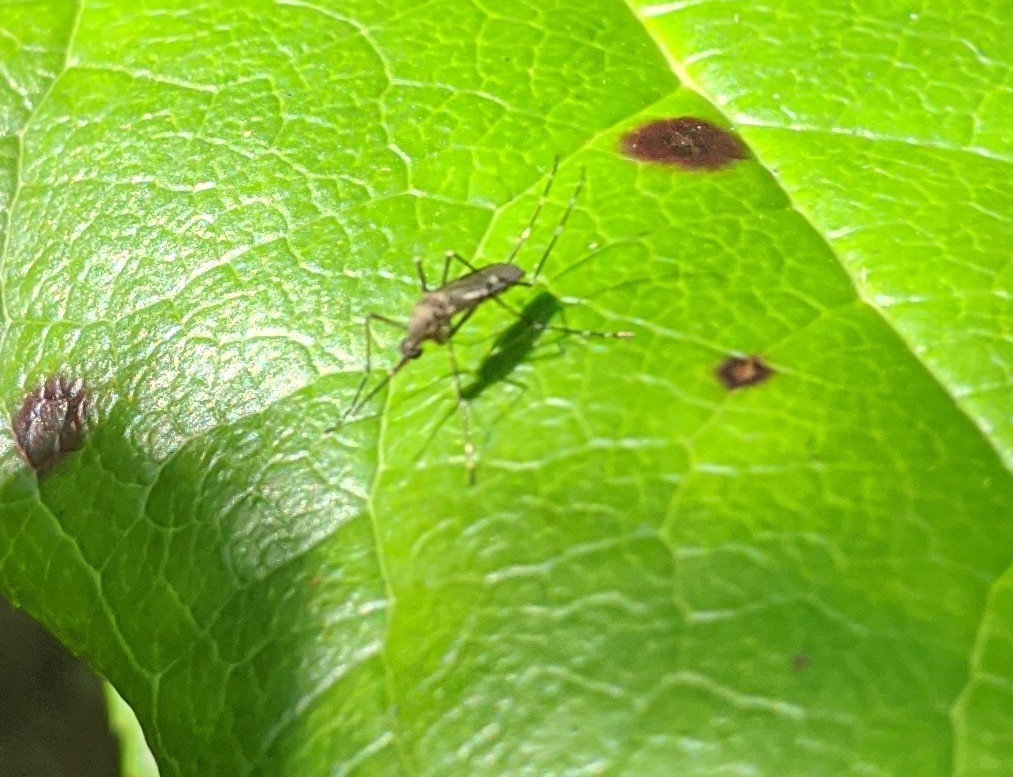
Based on observations from the TreeOfLife-200M dataset, Aedes togoi exhibits typical mosquito morphology.[1] The adult form displays slender, elongated legs and a pair of narrow, membranous wings. The body is characterized by distinct segmentation, with a prominent thorax and a slender abdomen. The coloration is generally muted, featuring patterns of dark and light scales that provide a mottled appearance across the body and appendages.[1]
Larval Respiratory Adaptation
The fourth instar larva of Aedes togoi possesses a specialized respiratory mechanism centered on its siphon, which must reach the water surface to access air.[2] The apex of the siphon is equipped with five hydrophobic, flap-like lobes—a pair of large posterior lobes, a pair of smaller lateral lobes, and a single anterior lobe—that surround the central spiracle.[2]
When the larva contacts the water surface, these lobes spread into a triangular configuration, enabling the spiracle to open and interface with the air.[2] During submergence, the lobes fold into a cone-like shape, effectively sealing the spiracle and preventing water entry.[2] This mechanism relies on the interaction between surface tension and the hydrophobic properties of the lobes, allowing the larva to maintain a seal against hydrostatic pressure while submerged.[2]
Gallery
References
- 1 2 3 Dataset view for Animalia / Arthropoda / Insecta / Diptera / Culicidae / Aedes / togoi constructed from imageomics/TreeOfLife-200M records under this taxonomic path. Hugging Face Datasets. https://huggingface.co/datasets/imageomics/TreeOfLife-200M.
- 1 2 3 4 5 Seung Chul Lee; Jun Ho Kim; Sang Joon Lee; Sang Joon Lee; Sang Joon Lee. Floating of the lobes of mosquito (Aedes togoi) larva for respiration. Scientific Reports. 2017. https://doi.org/10.1038/srep43050.