Aedes taeniorhynchus
Taxonomy
This page represents the following TreeOfLife-200M taxonomic path.[1]
- Kingdom: Animalia
- Phylum: Arthropoda
- Class: Insecta
- Order: Diptera
- Family: Culicidae
- Genus: Aedes
- Species: Aedes taeniorhynchus
Visual Description
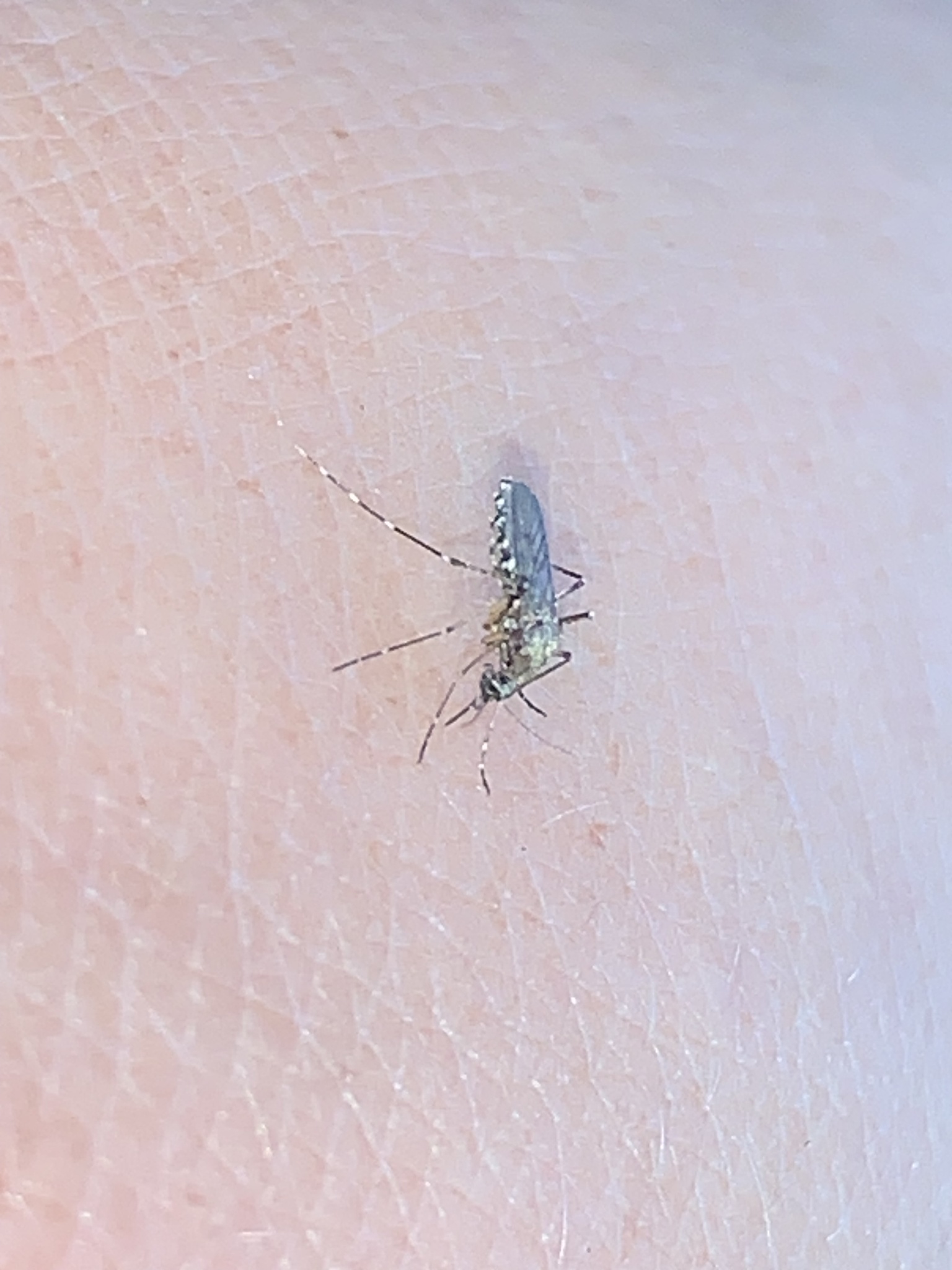
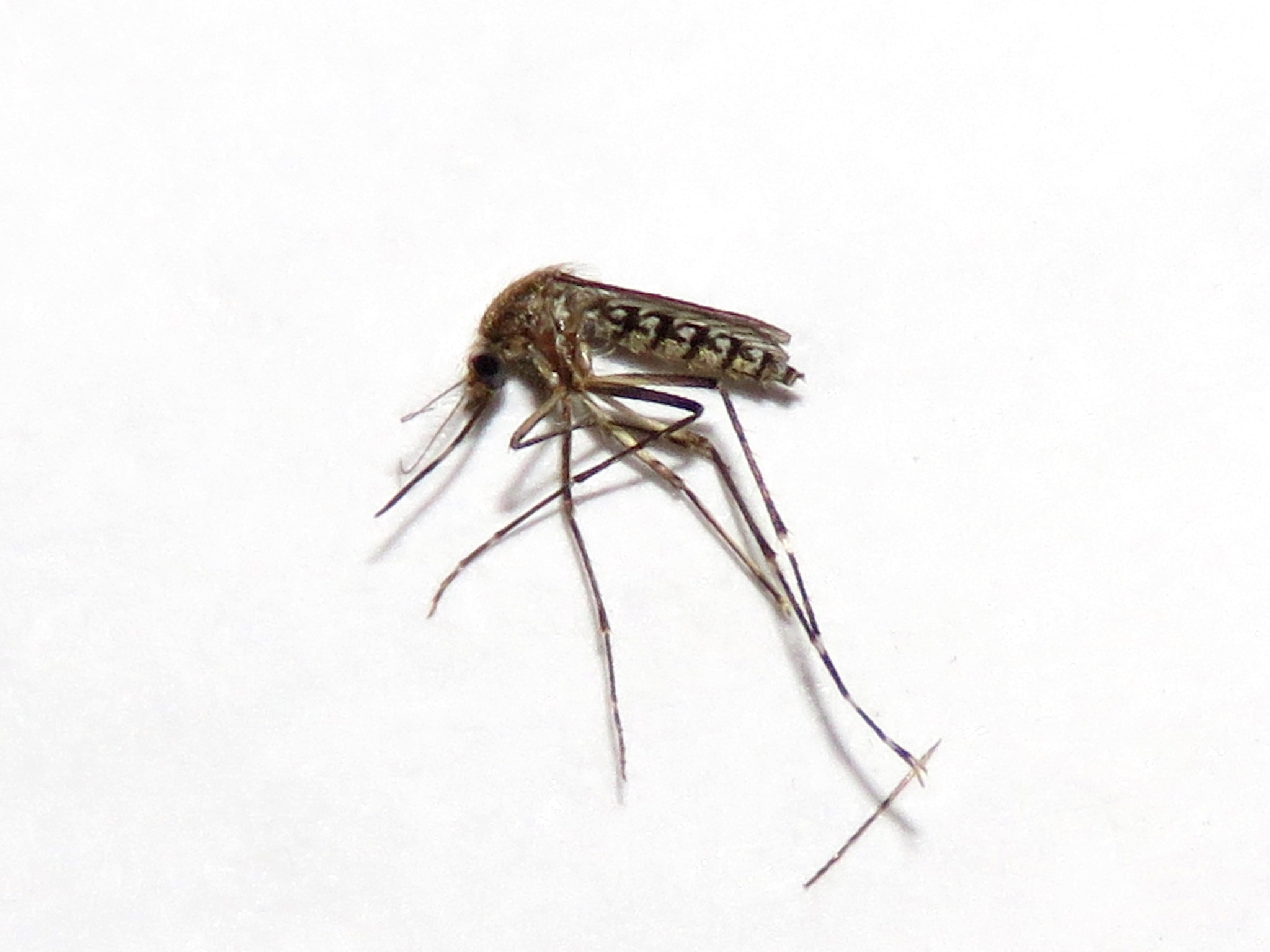
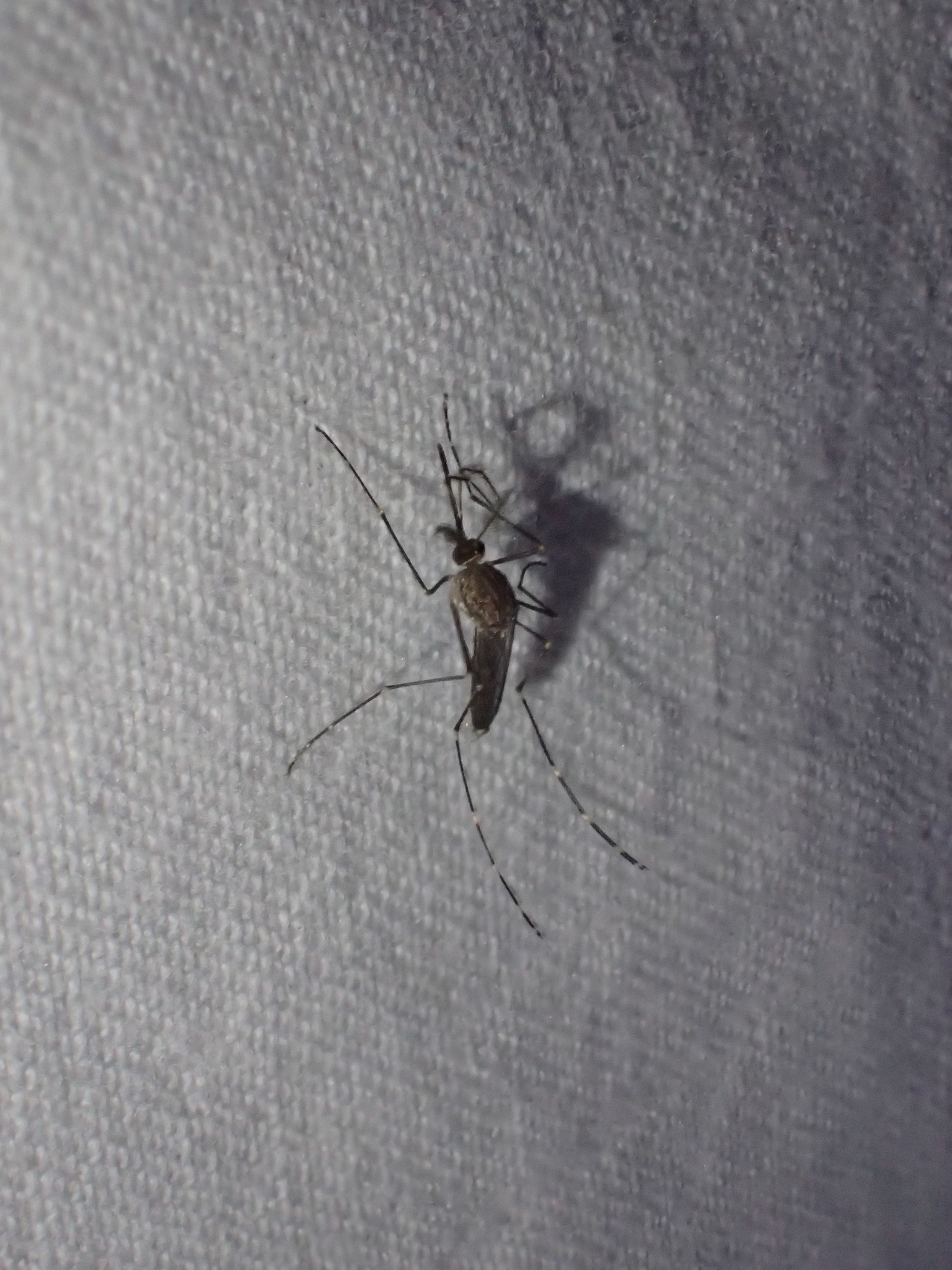
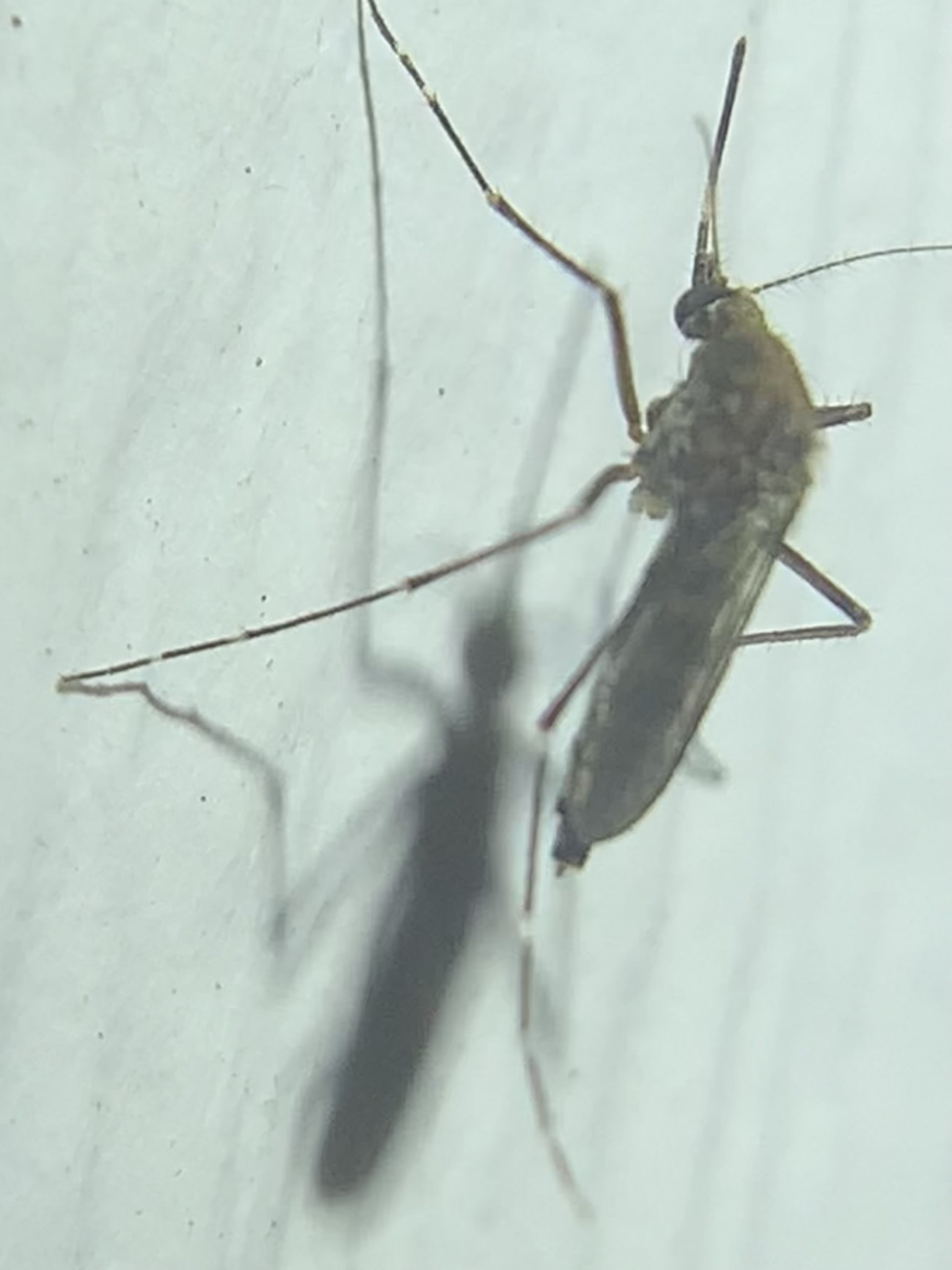
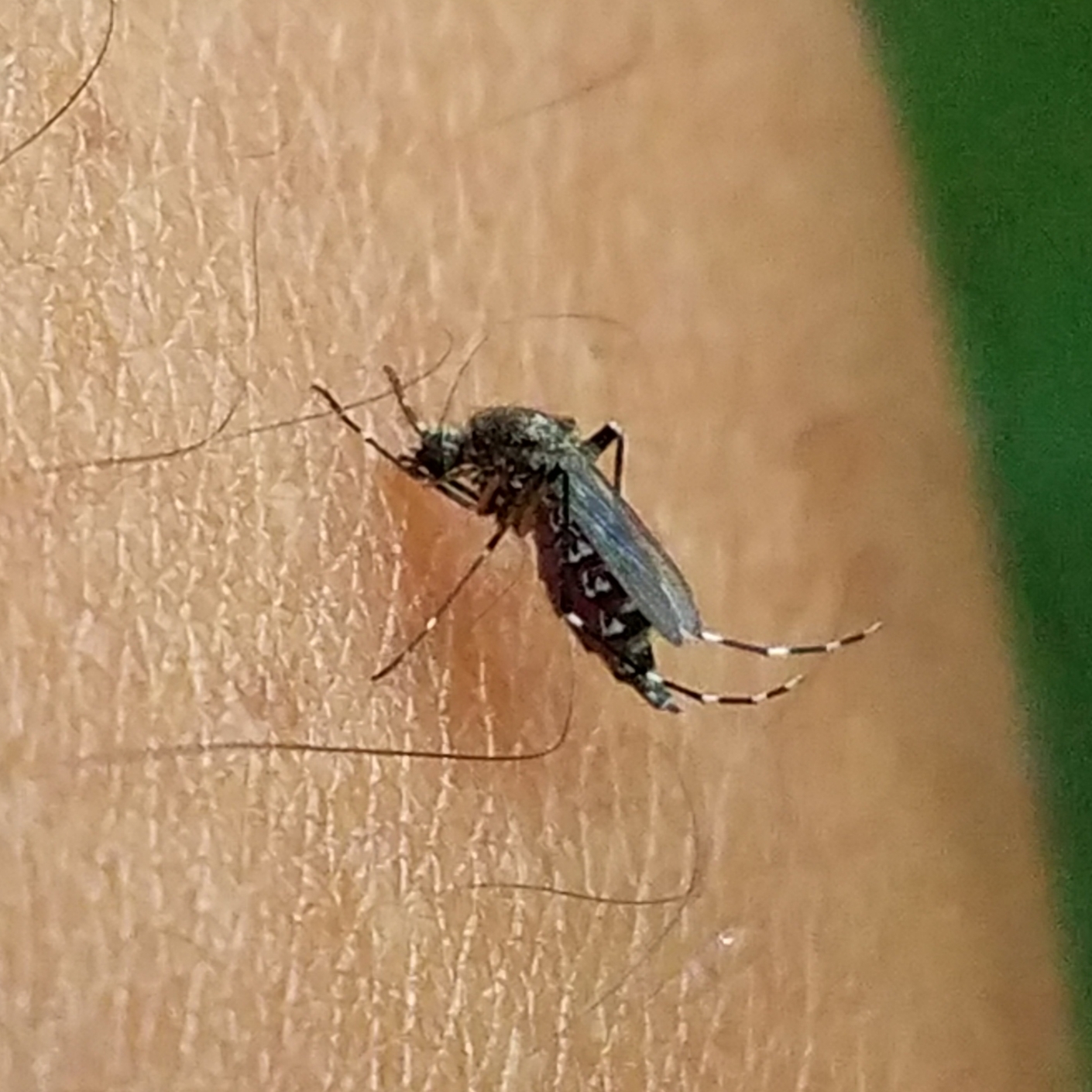
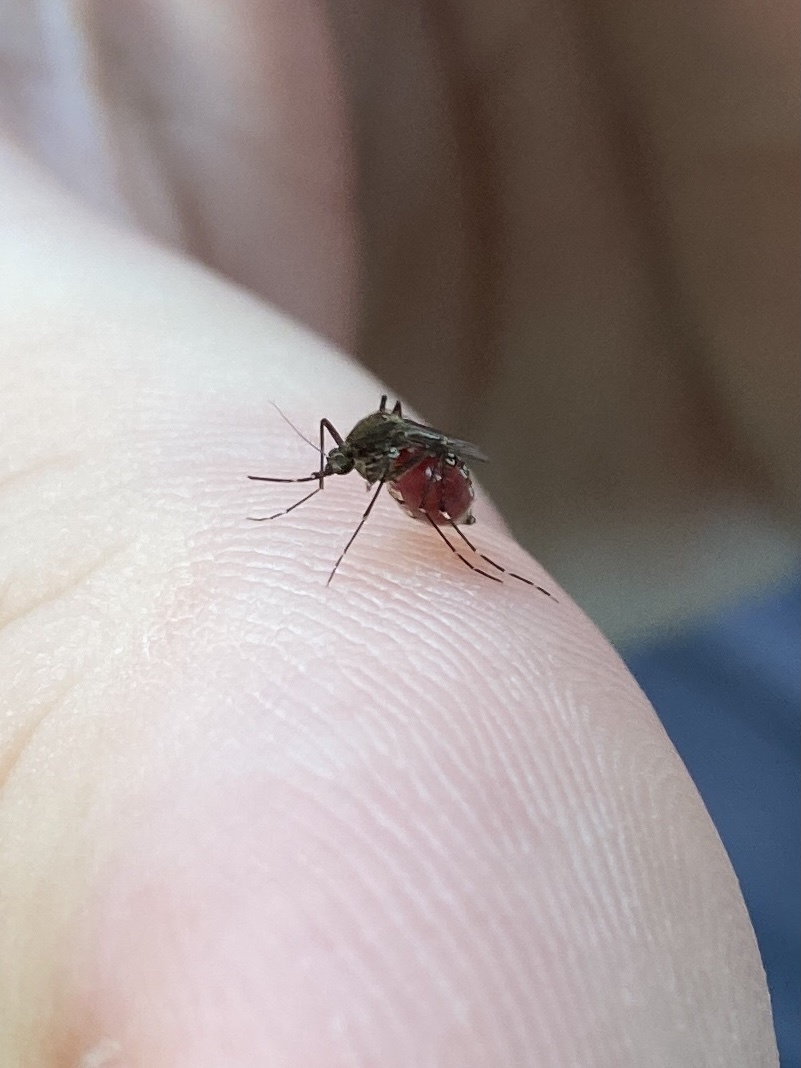
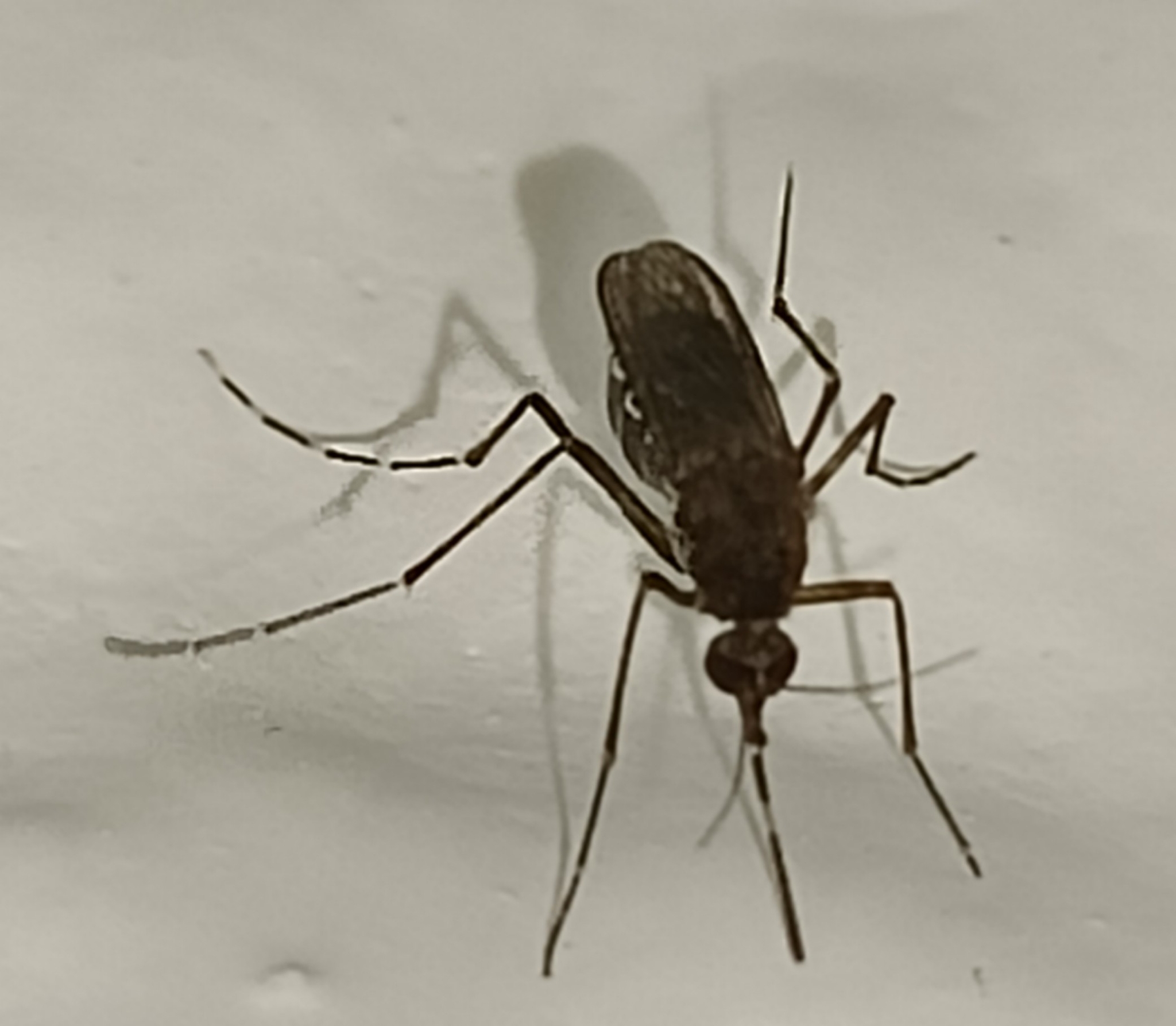
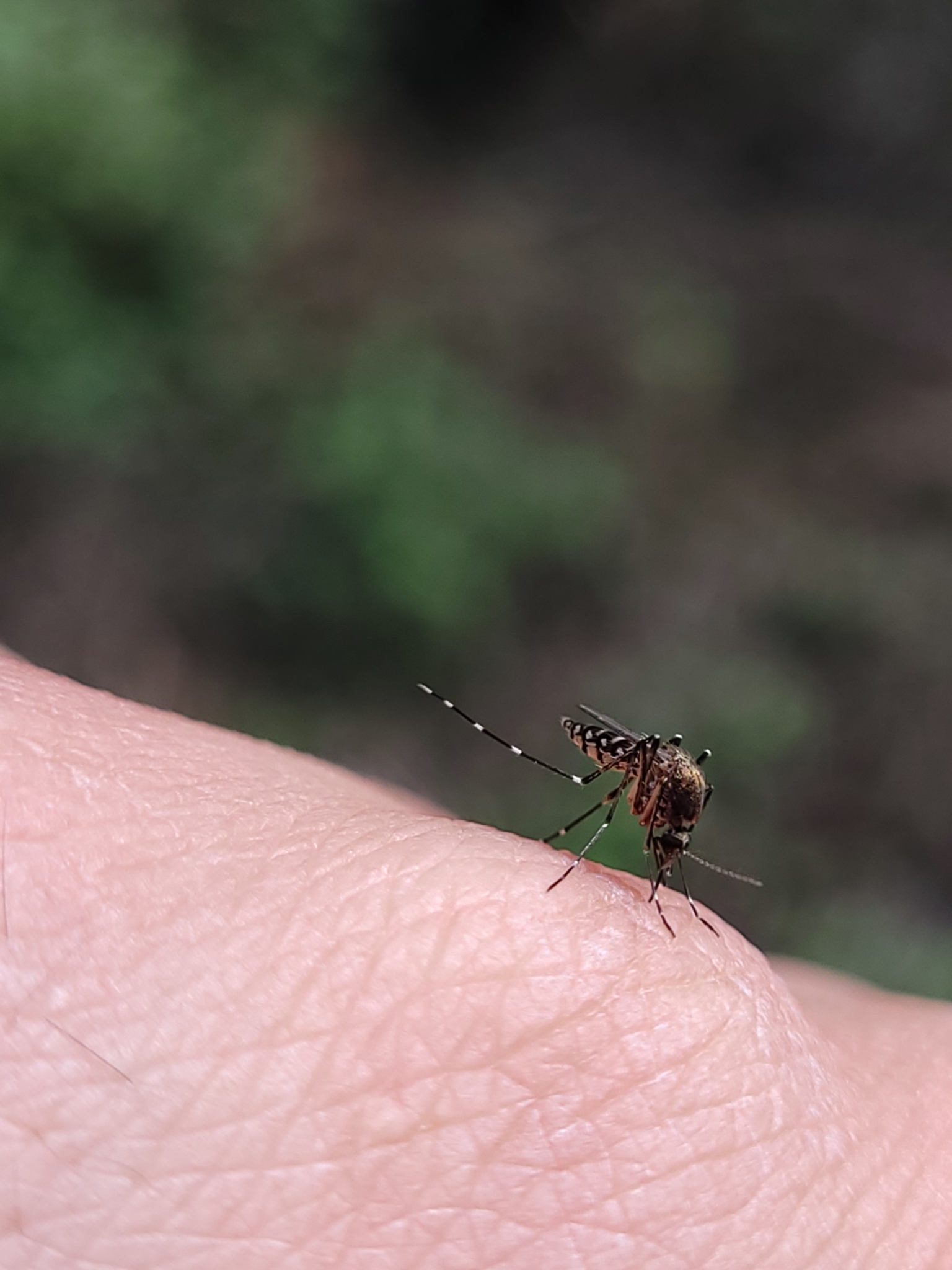
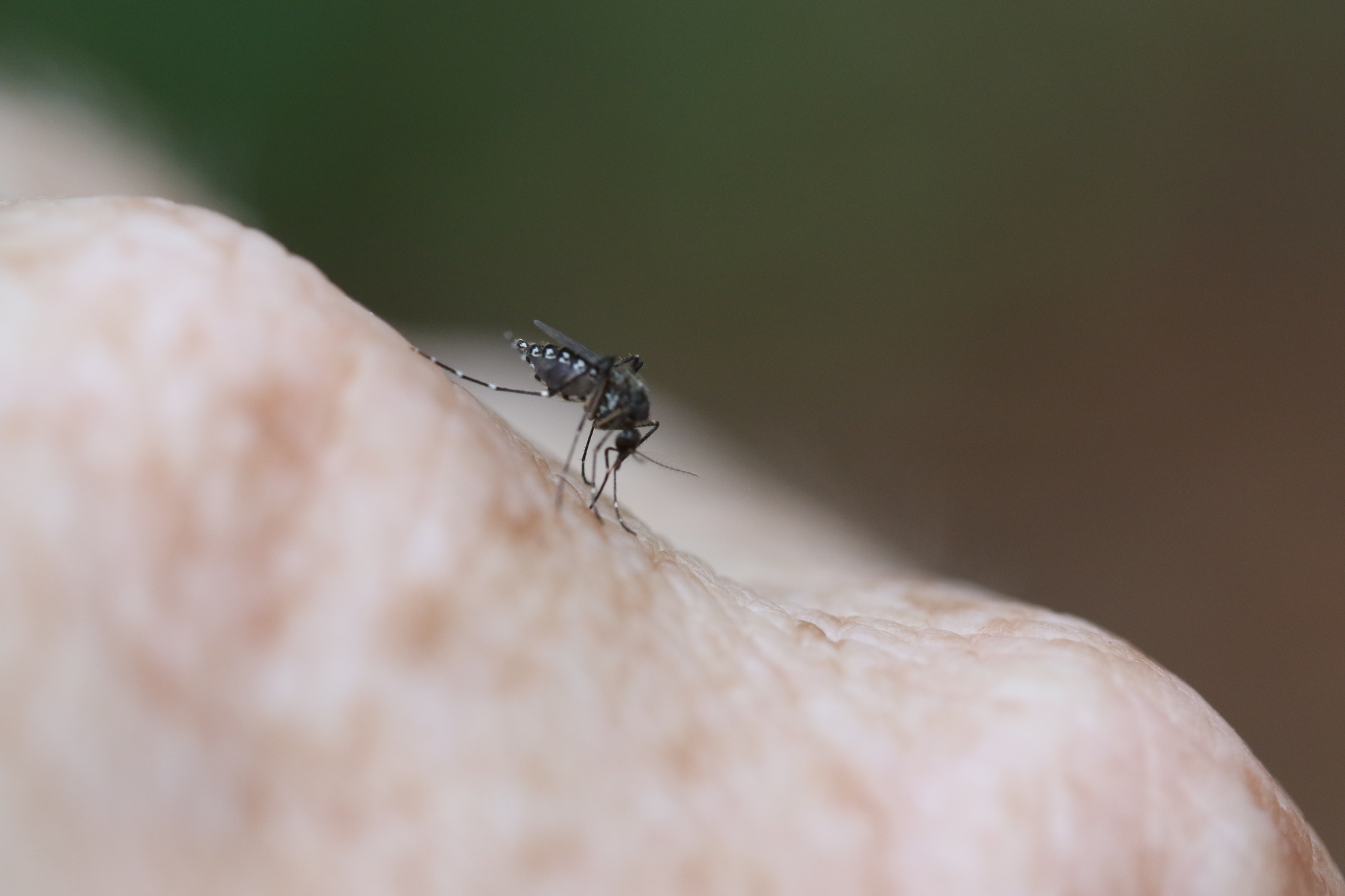
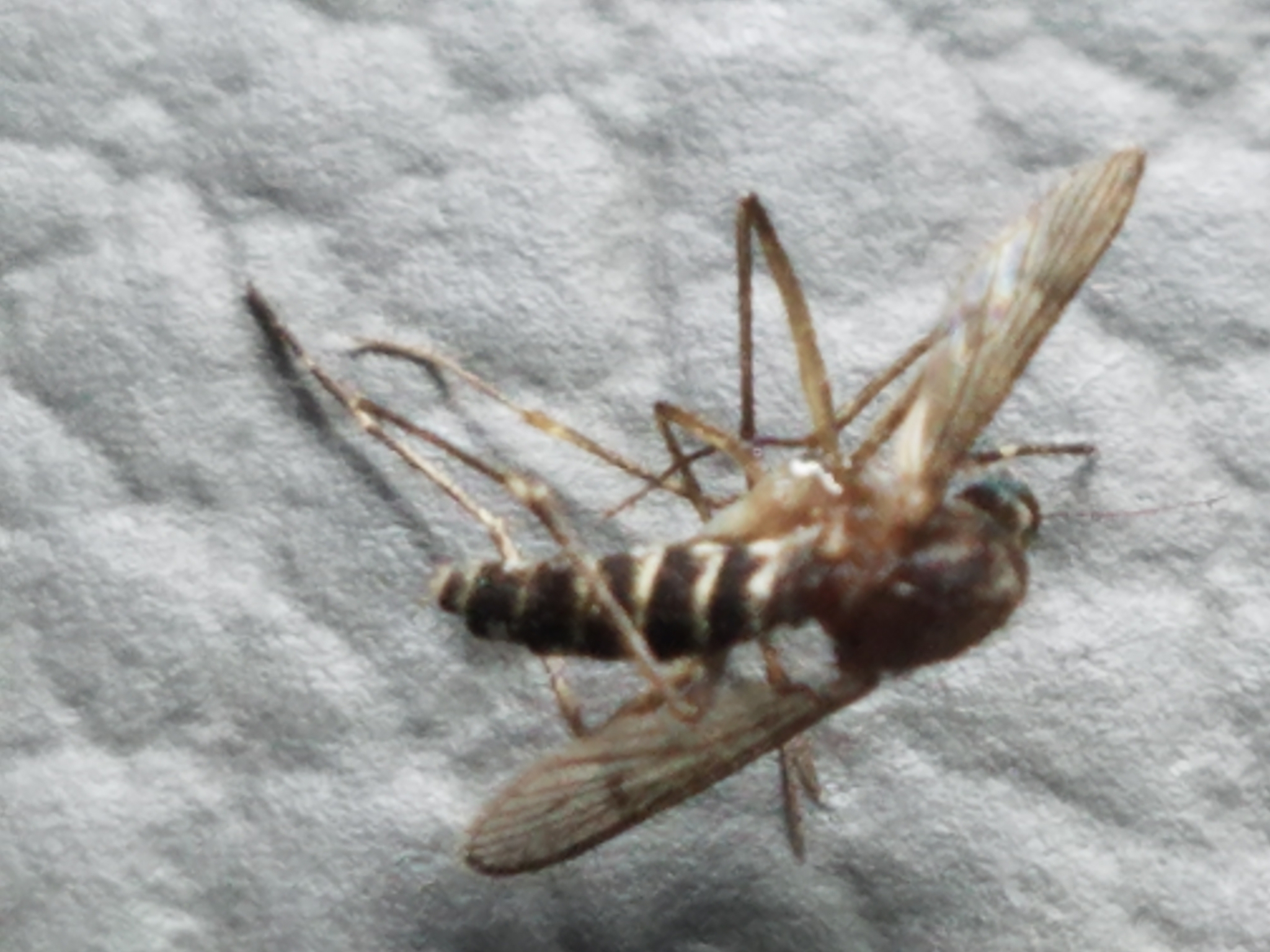
Aedes taeniorhynchus, commonly known as the black salt marsh mosquito, exhibits typical culicid morphology. Observations from the TreeOfLife-200M dataset reveal a slender, dark-bodied insect with characteristic mosquito features, including a prominent proboscis, long, thin legs, and a pair of wings with distinct venation patterns.[1] The body coloration is generally dark, often with lighter banding on the abdomen and legs, which is a common trait in many Aedes species.[1]
Ecology and Behavior
Aedes taeniorhynchus is widely recognized as the black salt marsh mosquito.[2] It is a mosquito species known for its presence in the Galápagos Islands, where it has been the subject of research regarding its blood-feeding habits and its potential to transmit pathogens, such as avian malaria, to endemic wildlife.[3]
Studies on Isla Santa Cruz have indicated that A. taeniorhynchus feeds on a diverse range of vertebrate hosts.[3] Notably, blood meals analyzed in these studies were numerically dominated by humans, a finding that may be attributed to the local abundance and availability of human hosts in the area.[3]
Gallery
References
- 1 2 3 Dataset view for Animalia / Arthropoda / Insecta / Diptera / Culicidae / Aedes / taeniorhynchus constructed from imageomics/TreeOfLife-200M records under this taxonomic path. Hugging Face Datasets. https://huggingface.co/datasets/imageomics/TreeOfLife-200M.
- ↑ Aedes taeniorhynchus (Wiedemann, 1821). GBIF. https://www.gbif.org/species/1652052. Accessed 2026-07-15.
- 1 2 3 Samoa Asigau; Sawsan Salah; Patricia G. Parker. Assessing the blood meal hosts of Culex quinquefasciatus and Aedes taeniorhynchus in Isla Santa Cruz, Galápagos. Parasites & Vectors. 2019. https://doi.org/10.1186/s13071-019-3835-7.