Aedes stimulans
Taxonomy
This page represents the following TreeOfLife-200M taxonomic path.[1]
- Kingdom: Animalia
- Phylum: Arthropoda
- Class: Insecta
- Order: Diptera
- Family: Culicidae
- Genus: Aedes
- Species: Aedes stimulans
Visual Description
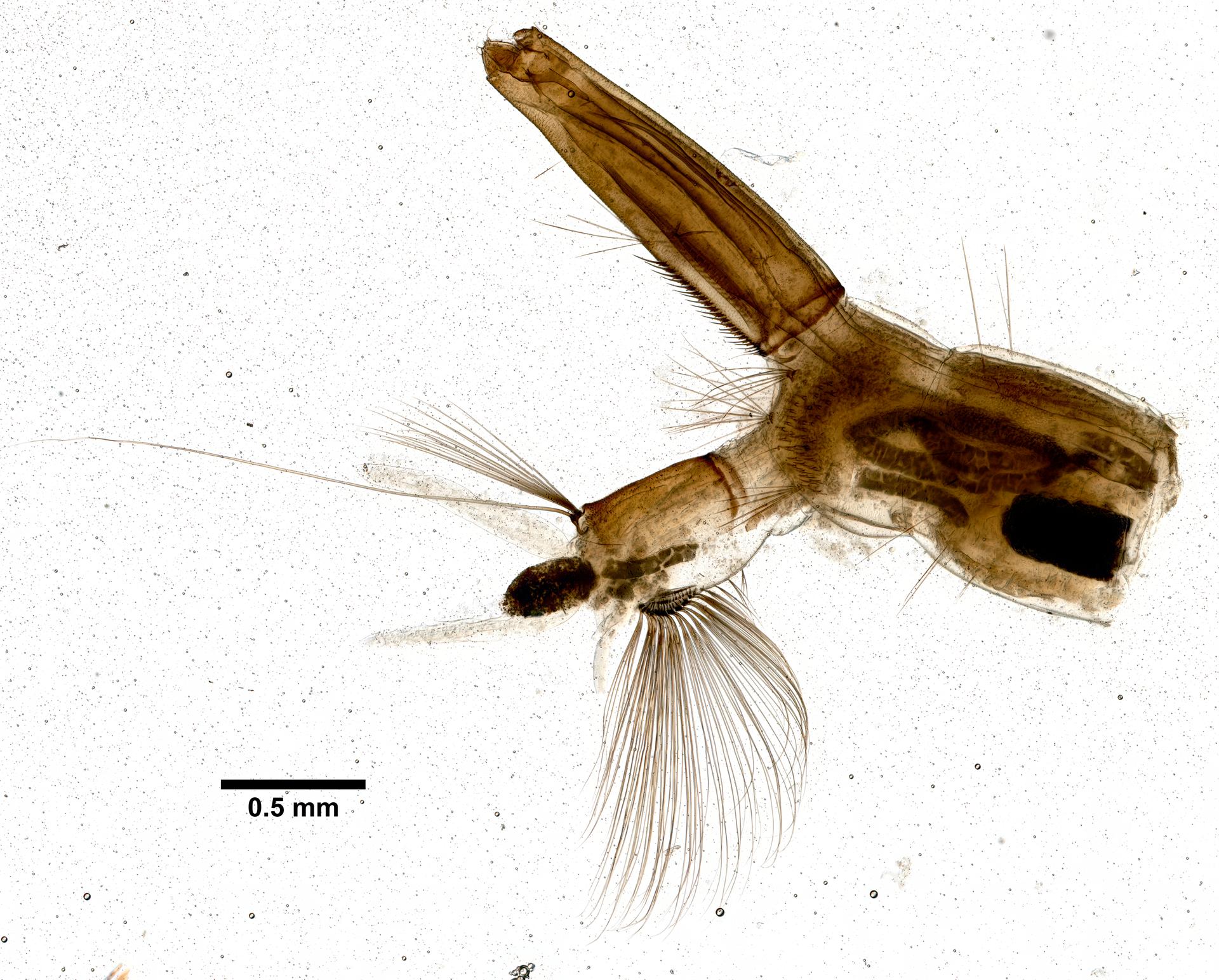
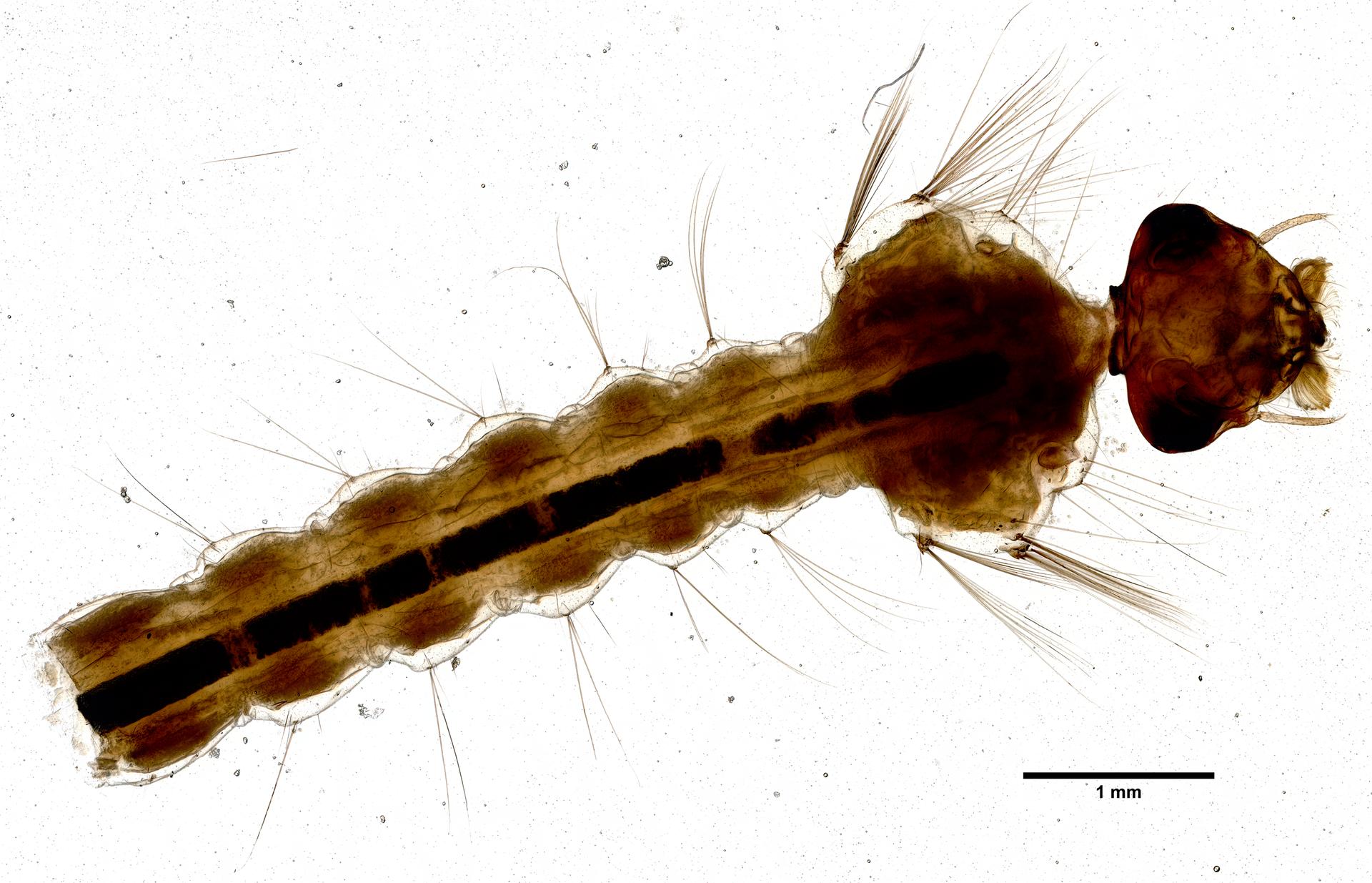
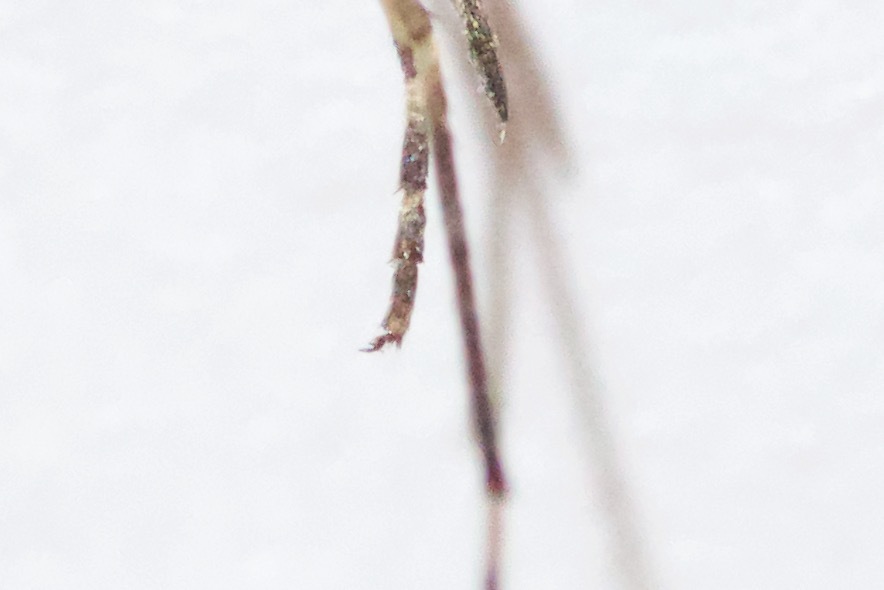
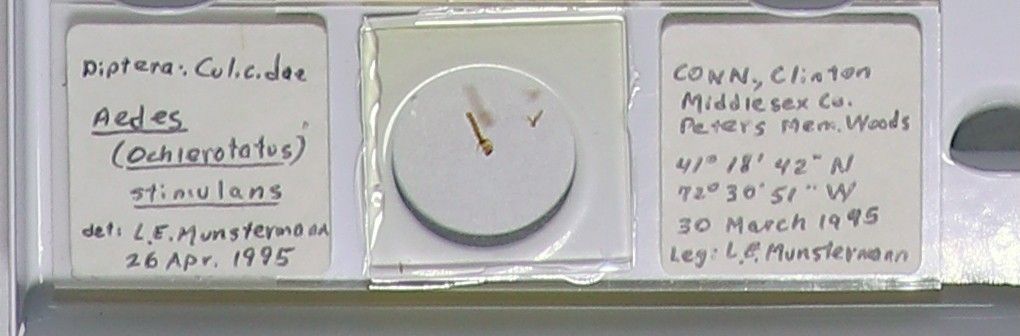
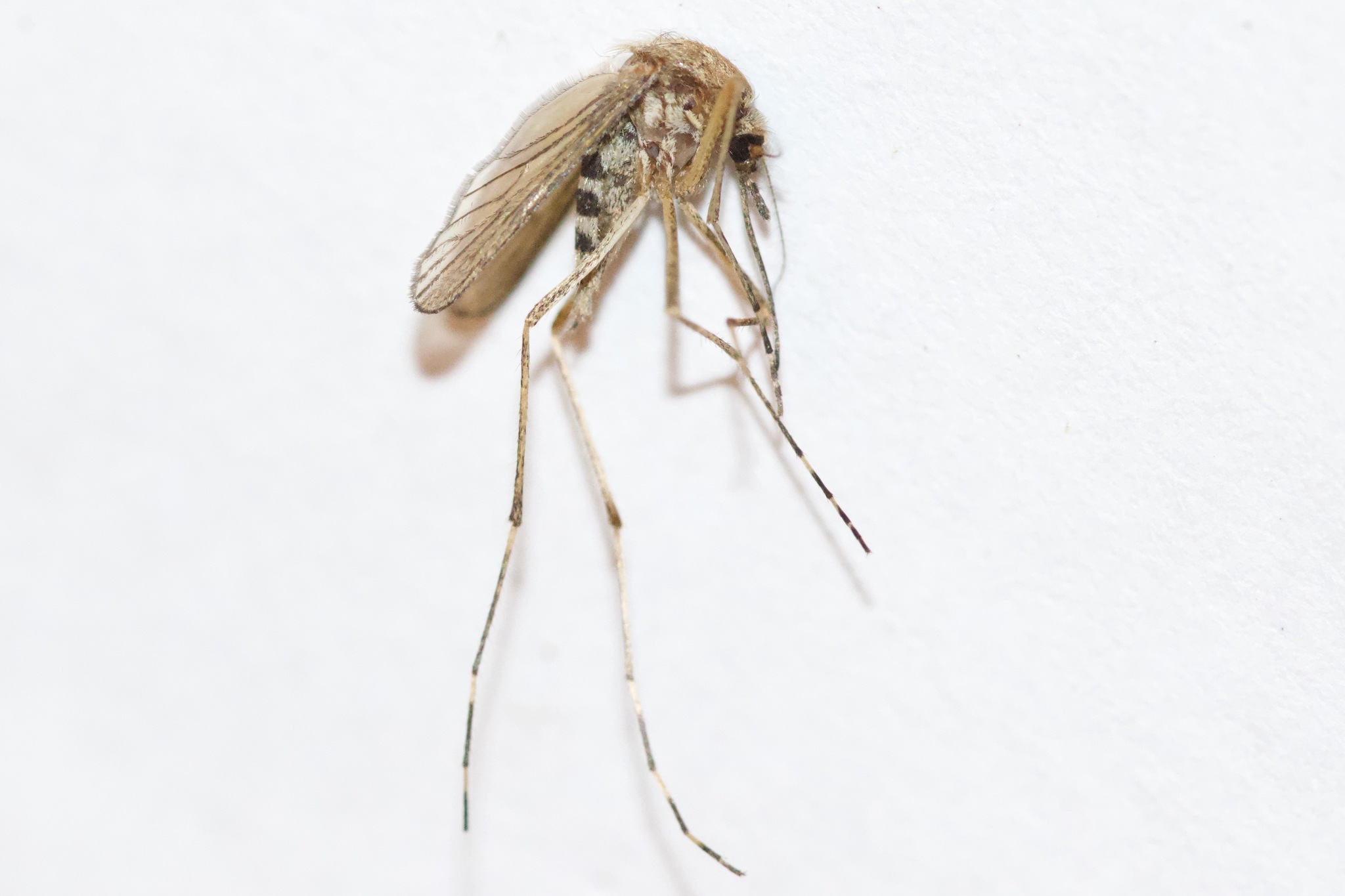
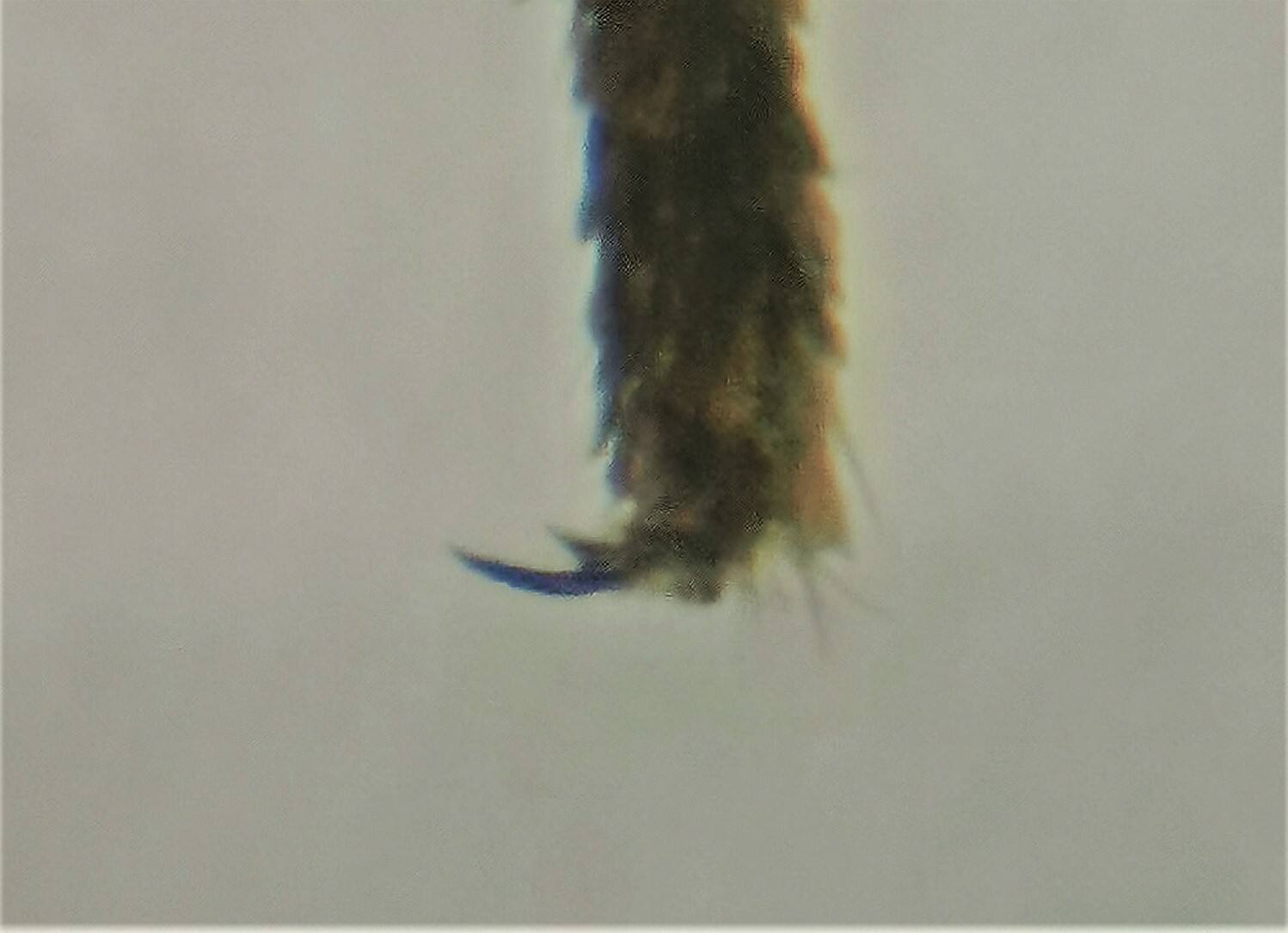
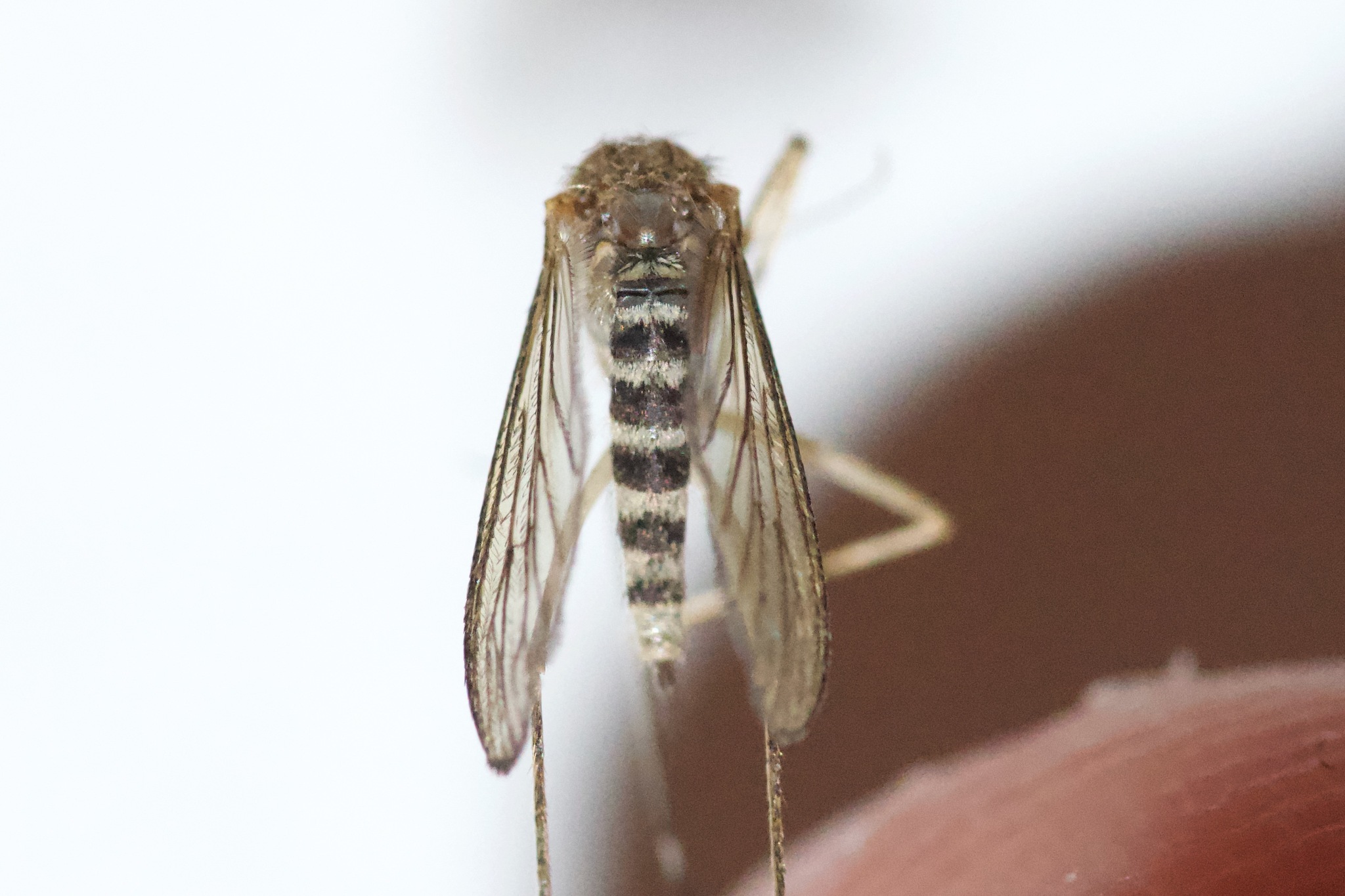
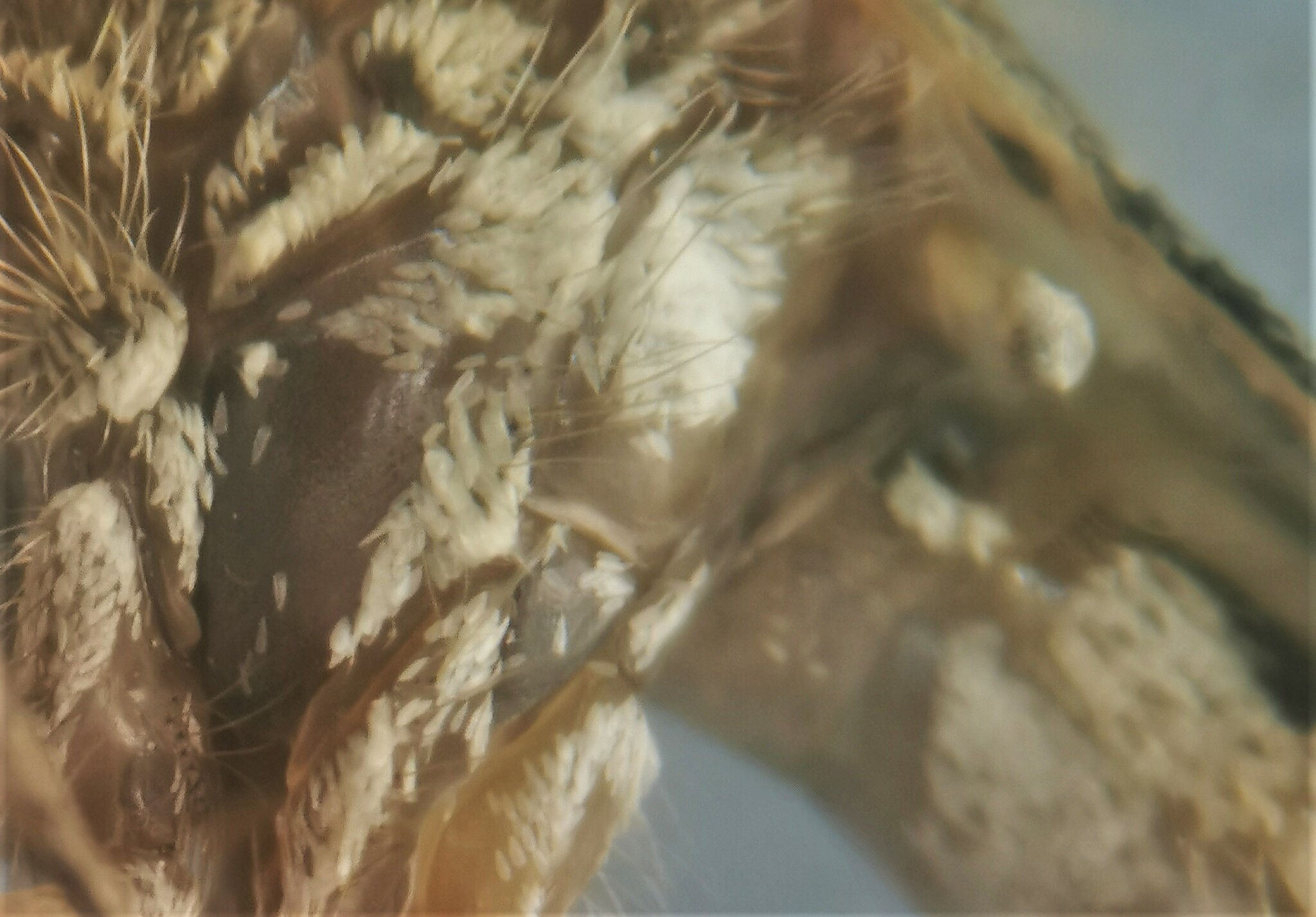
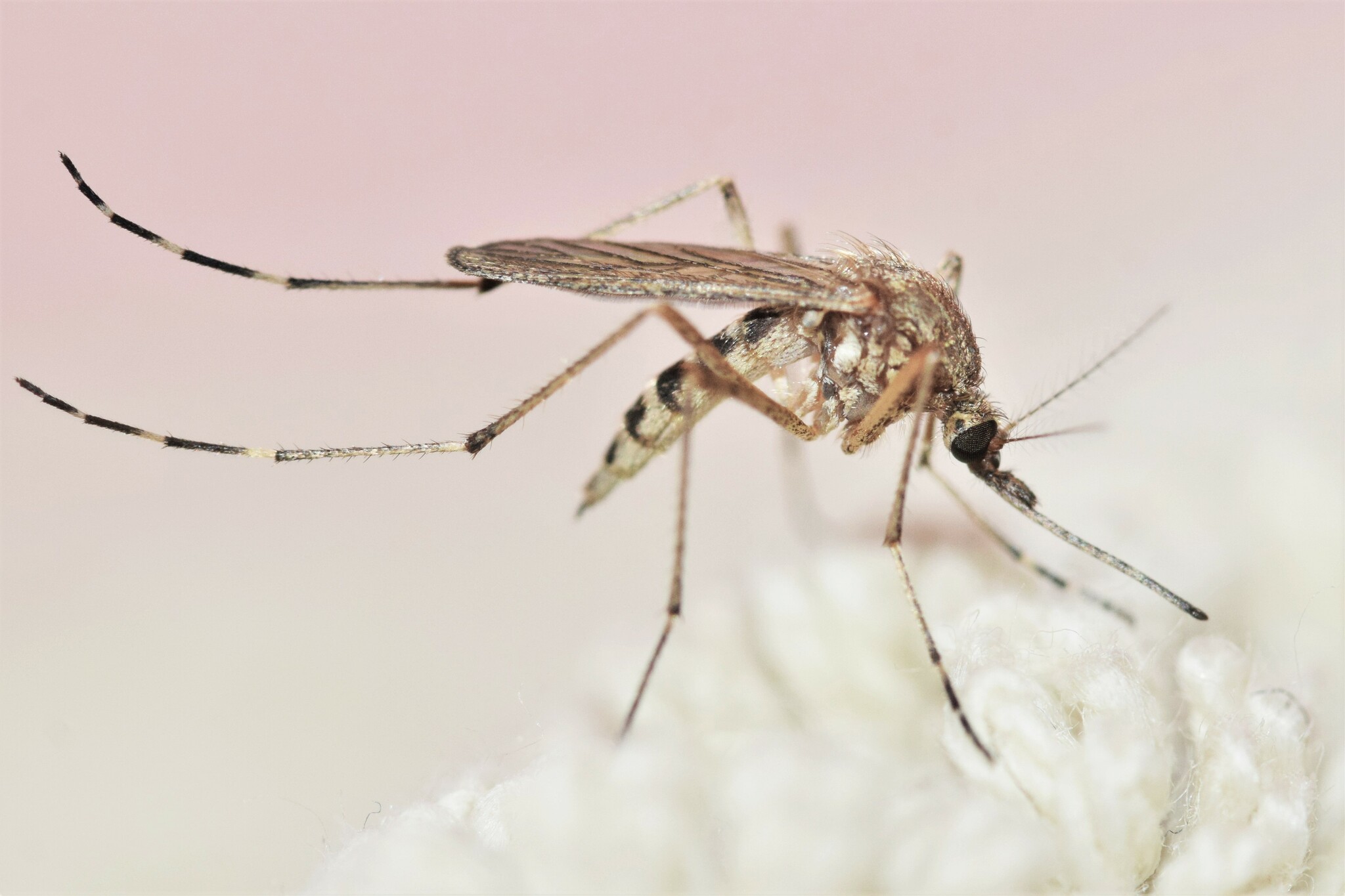
Aedes stimulans, commonly known as the woodland mosquito, exhibits typical culicid morphology. Based on observations from the TreeOfLife-200M dataset, the species displays a slender, elongated body characteristic of mosquitoes, with long, thin legs and a pair of wings.[1] The thorax and abdomen are often marked with distinct patterns of scales, which are typical for members of the genus Aedes.[1]
Biology and Ecology
Aedes stimulans is a species of mosquito described by Francis Walker in 1848.[2] Research into the nuclear DNA content of Aedes mosquitoes has measured the haploid (1C) DNA content of A. stimulans at 1.439 ± 0.004 pg.[3] Among examined species of the subgenus Ochlerotatus, A. stimulans has been noted for having the largest total chromosomal length at somatic metaphases.[3]
Ecologically, Aedes stimulans interacts with various organisms in its environment. It has been identified as a host for the Jamestown Canyon virus and the microsporidian parasite Amblyospora stimuli.[4] Additionally, it is known to be preyed upon by the little brown bat (Myotis lucifugus).[4]
Gallery
References
- 1 2 3 Dataset view for Animalia / Arthropoda / Insecta / Diptera / Culicidae / Aedes / stimulans constructed from imageomics/TreeOfLife-200M records under this taxonomic path. Hugging Face Datasets. https://huggingface.co/datasets/imageomics/TreeOfLife-200M.
- ↑ Aedes stimulans (Walker, 1848). GBIF. https://www.gbif.org/species/1652104. Accessed 2026-07-15.
- 1 2 P. Nagesh Rao; K S. Inter and intraspecific variation in nuclear DNA content in Aedes mosquitoes. Heredity. 1987. https://doi.org/10.1038/hdy.1987.120.
- 1 2 Aedes stimulans. Global Biotic Interactions. https://www.globalbioticinteractions.org/?targetTaxon=Aedes%20stimulans. Accessed 2026-07-14.