Aedes sollicitans
Aedes sollicitans, commonly known as the saltmarsh mosquito, is a species of mosquito in the family Culicidae. It is a known vector for several pathogens, including the Eastern equine encephalitis virus (EEEV), Venezuelan equine encephalitis virus, and dog heartworm.[1]
Taxonomy
This page represents the following TreeOfLife-200M taxonomic path.[2]
- Kingdom: Animalia
- Phylum: Arthropoda
- Class: Insecta
- Order: Diptera
- Family: Culicidae
- Genus: Aedes
- Species: Aedes sollicitans
Visual Description
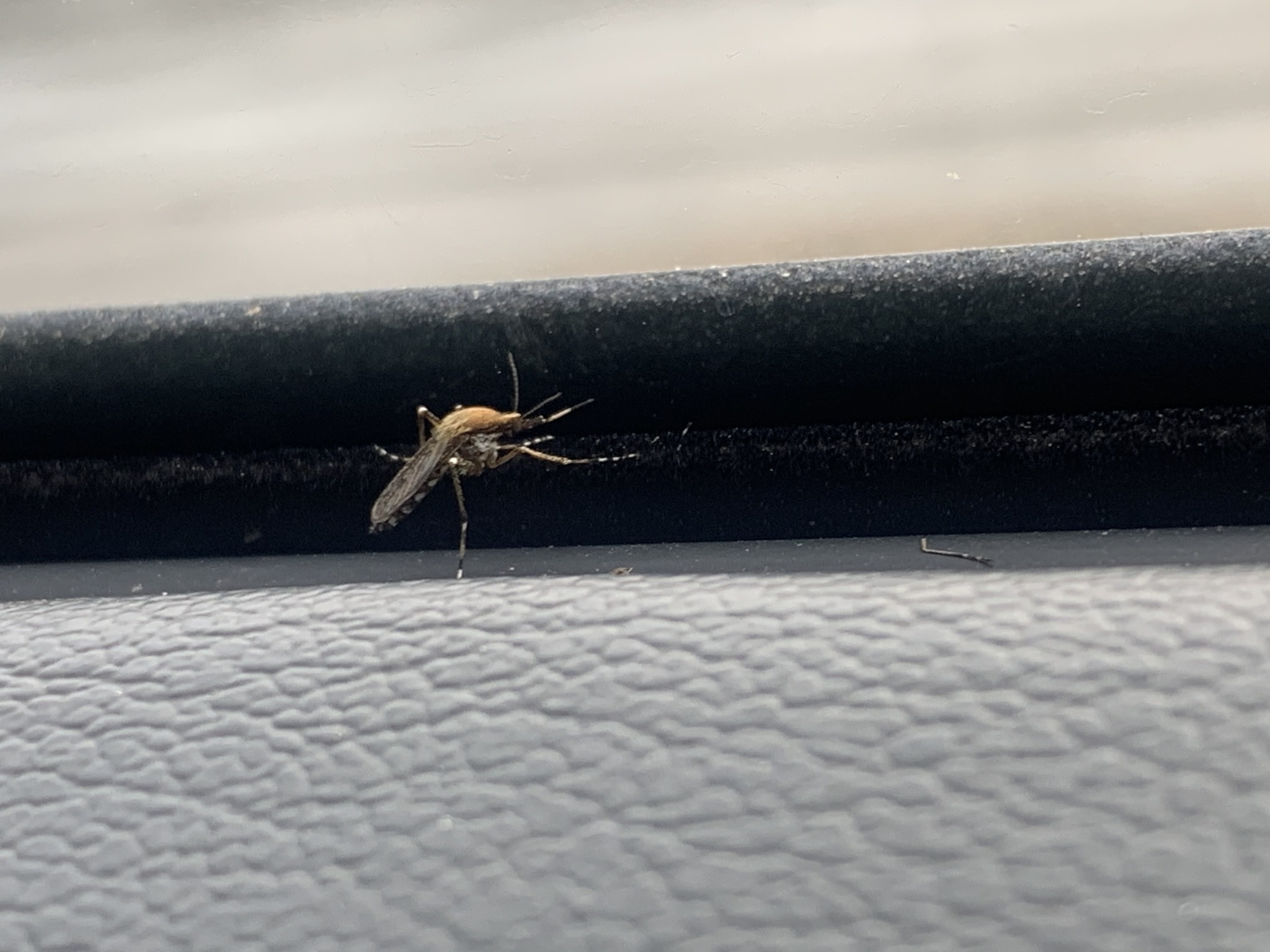
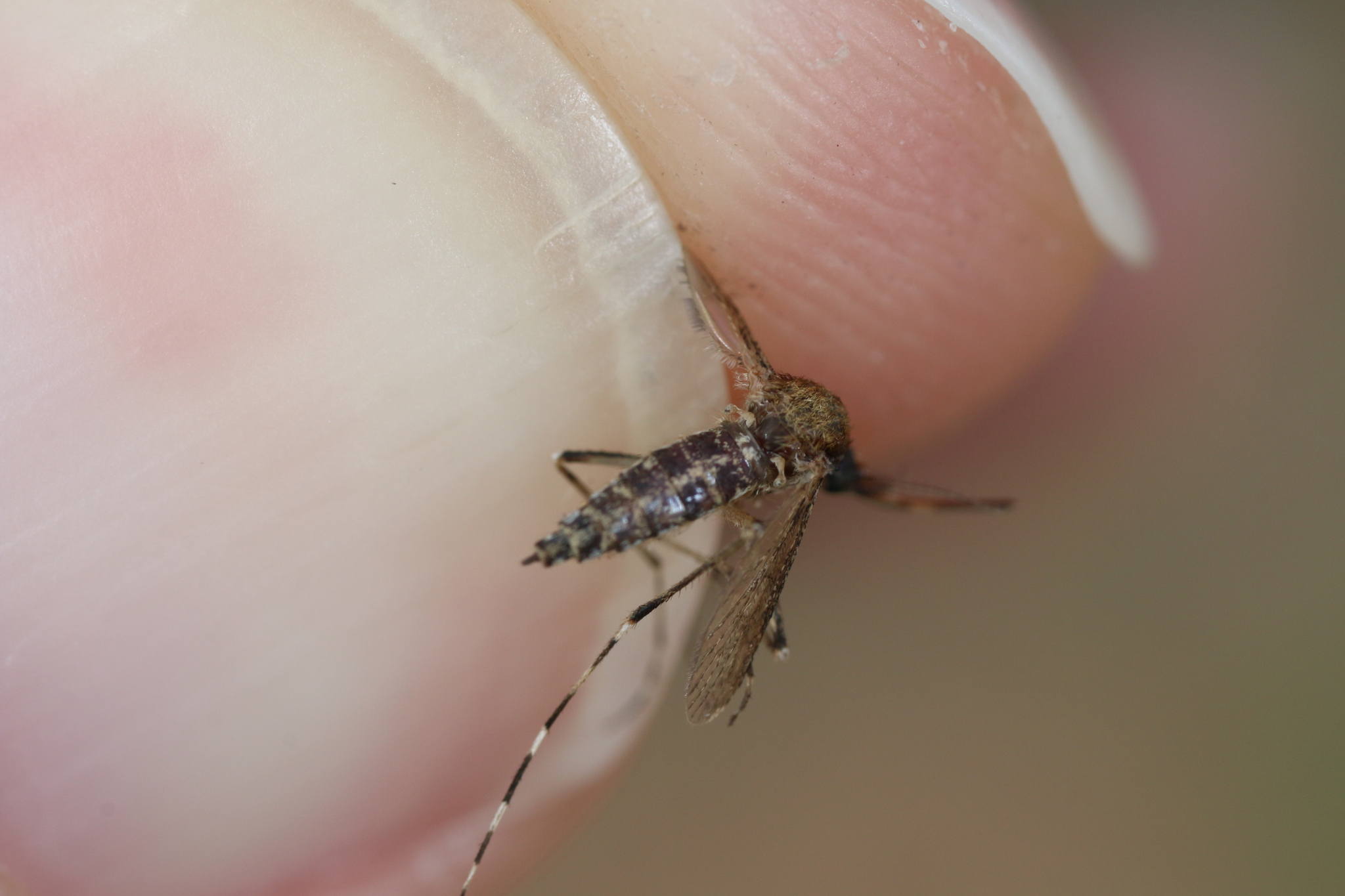
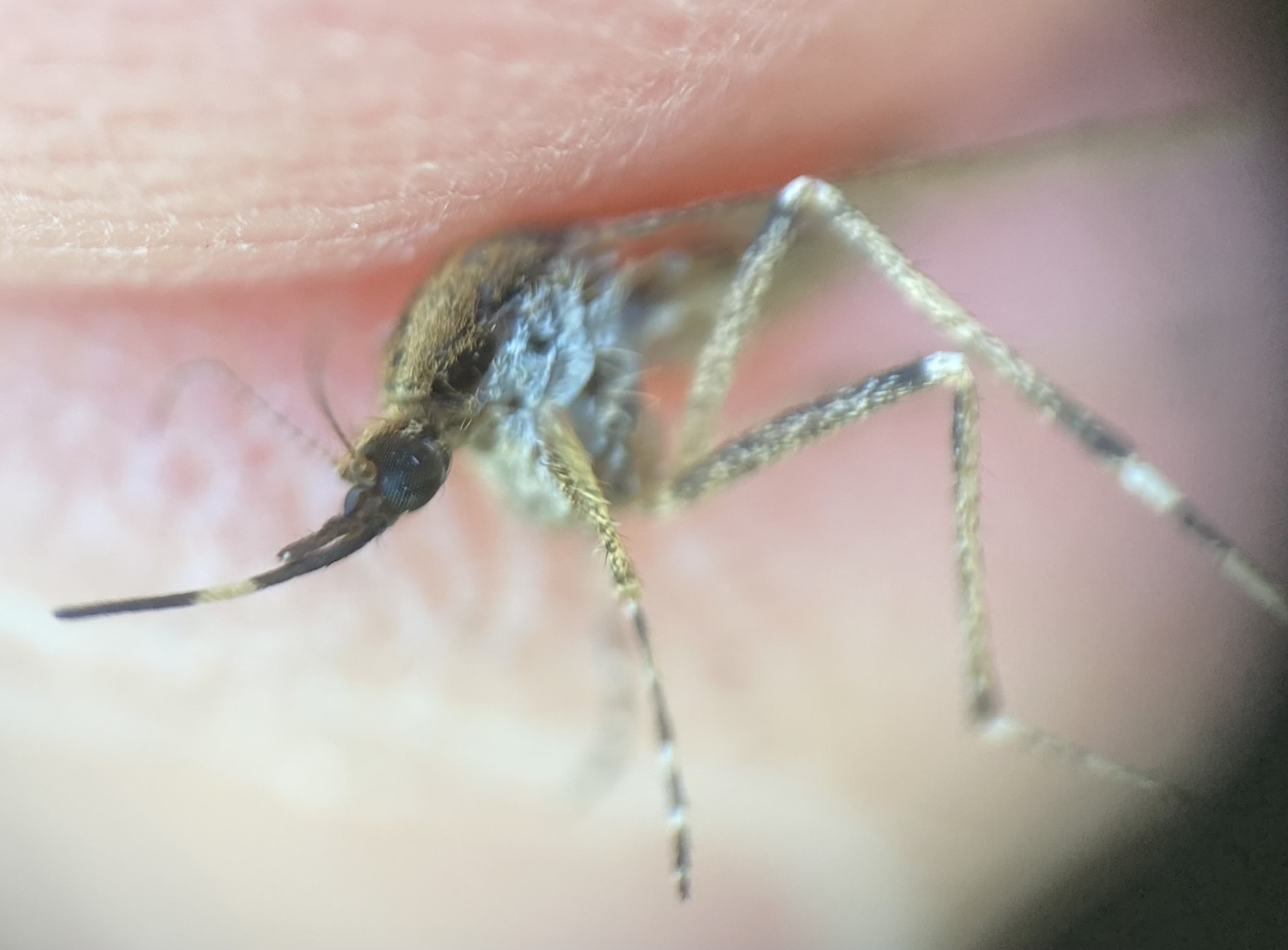
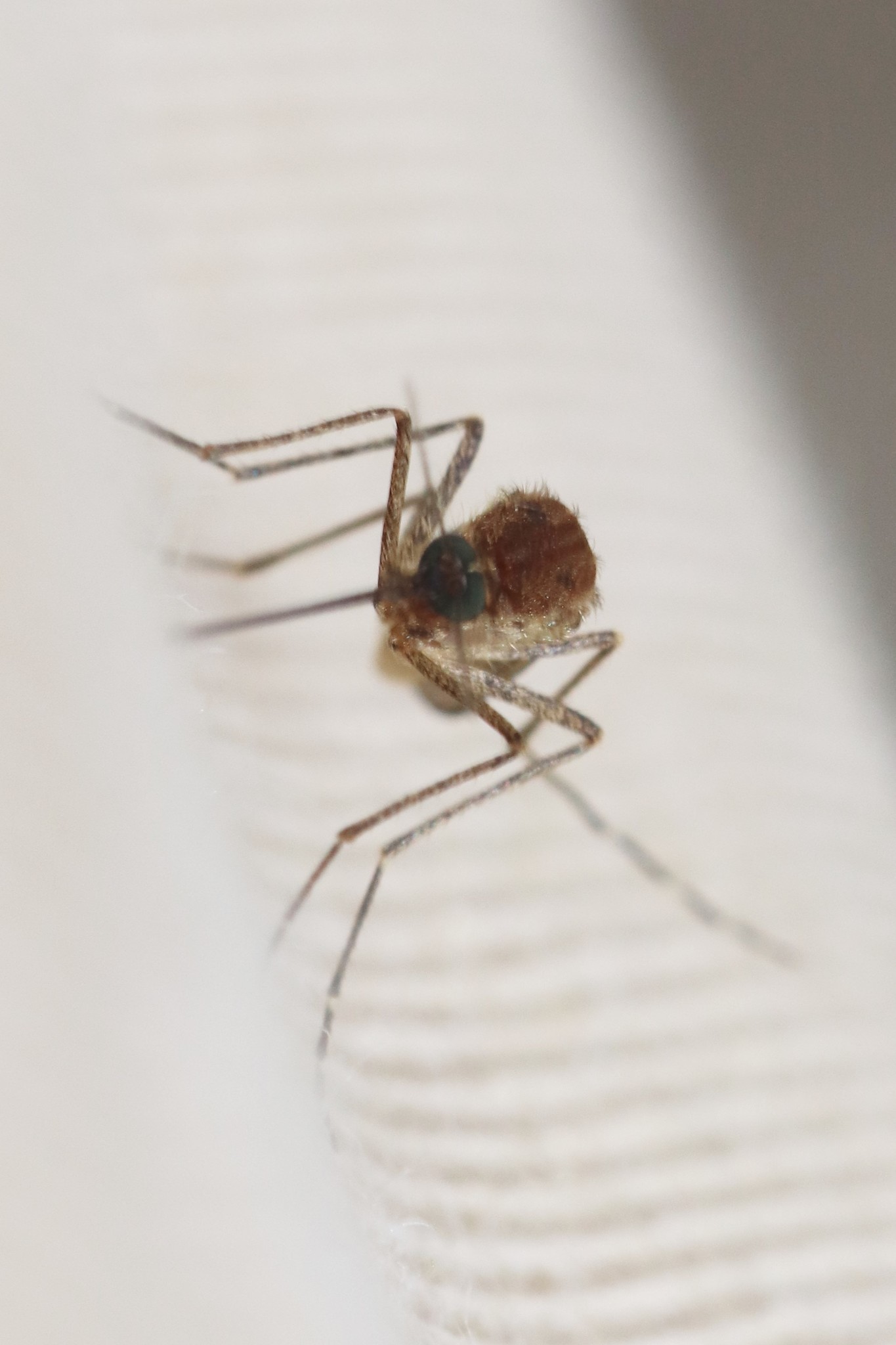
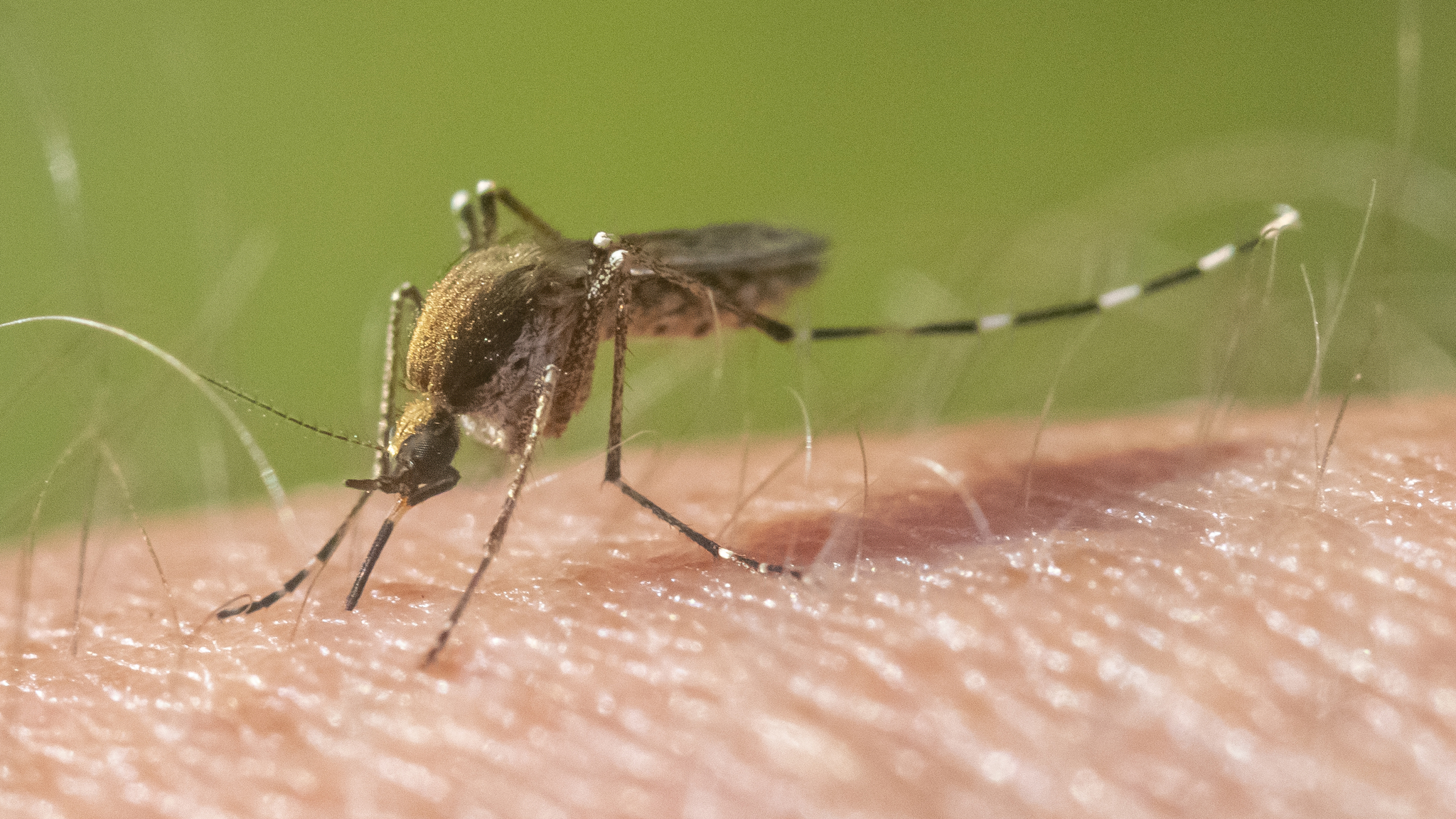
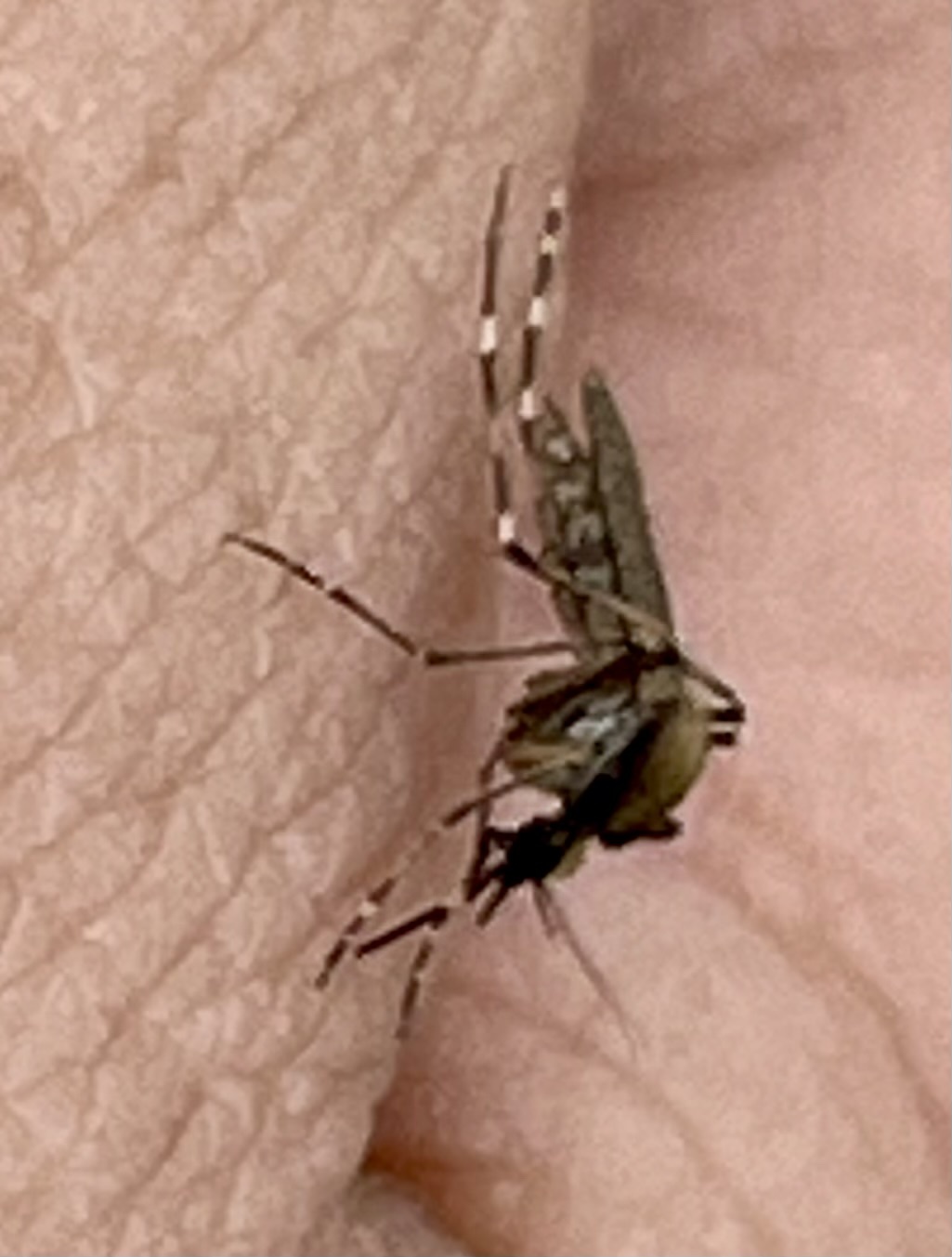
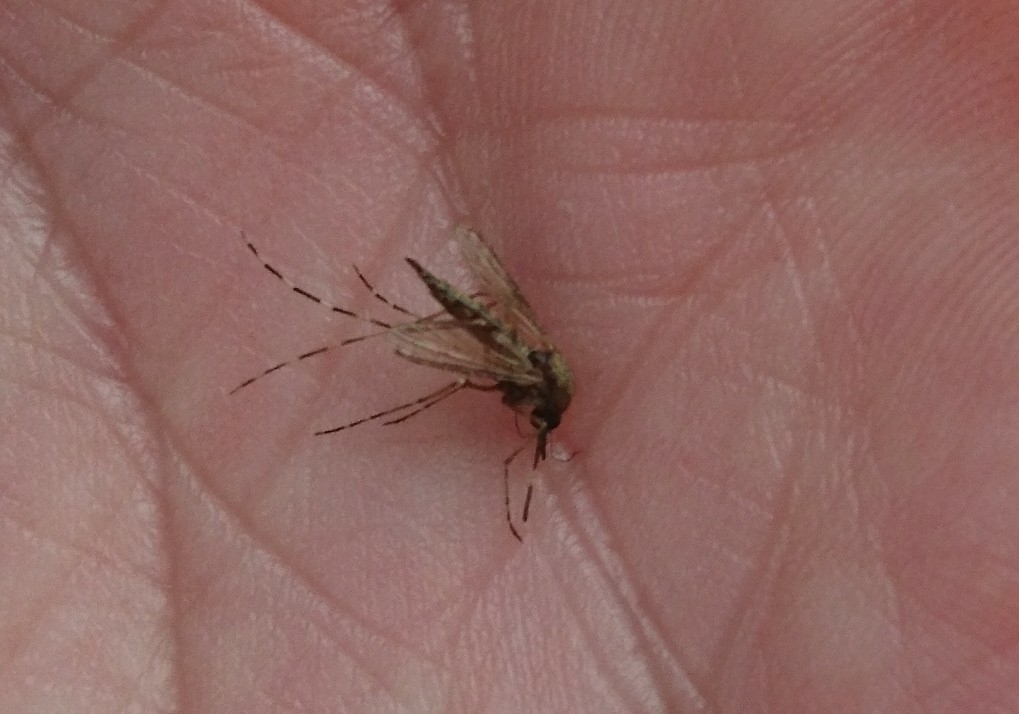
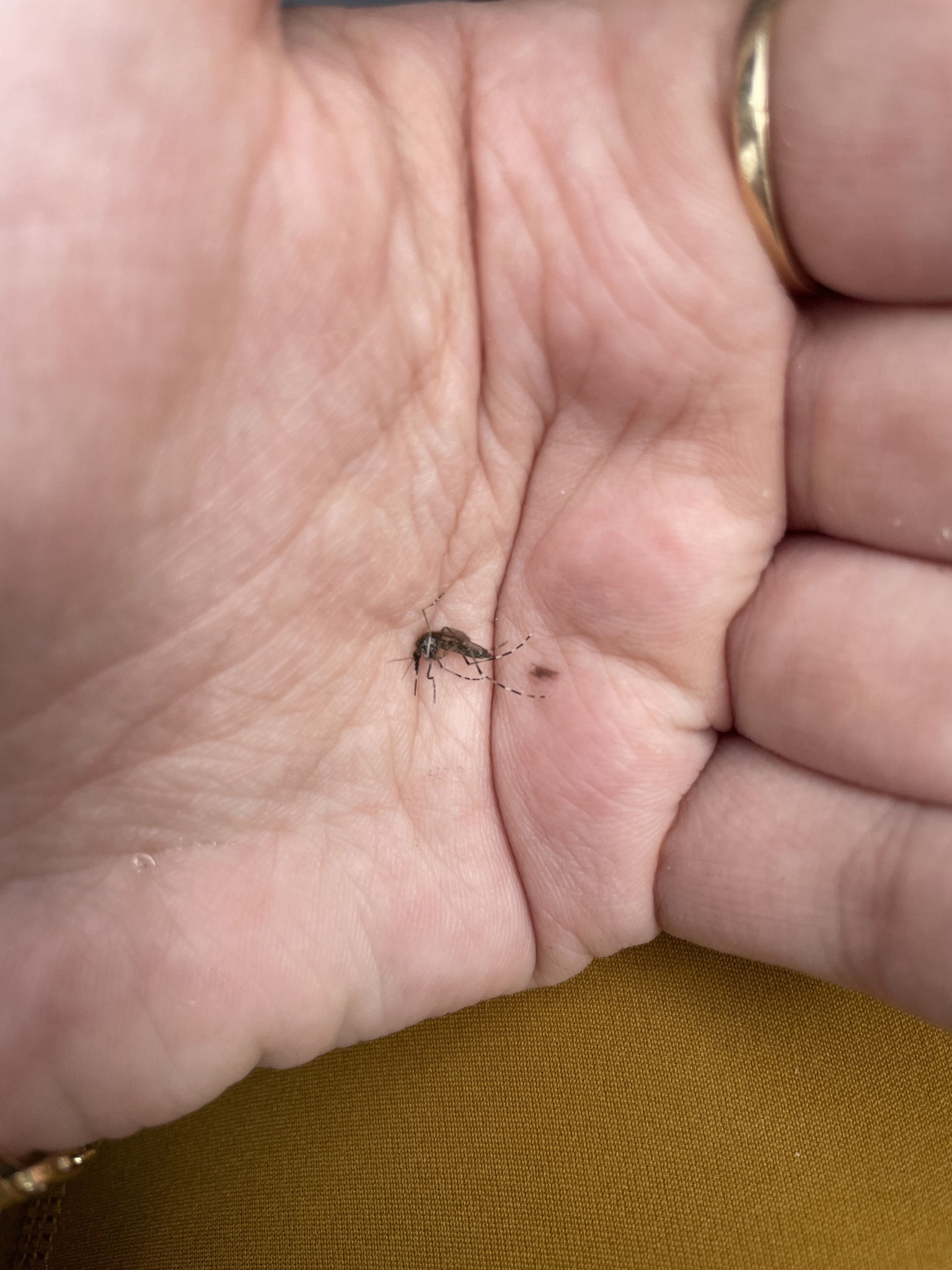
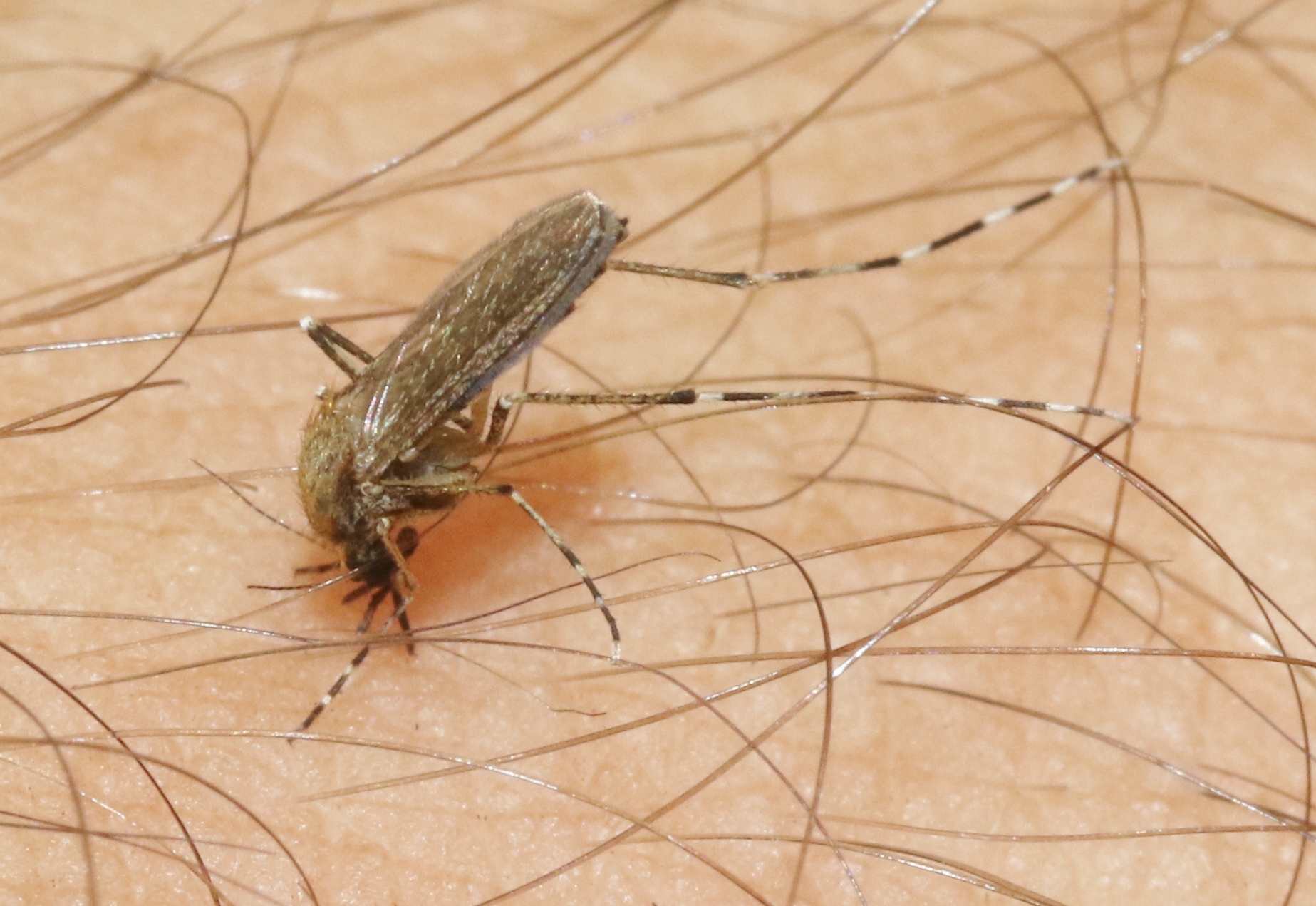
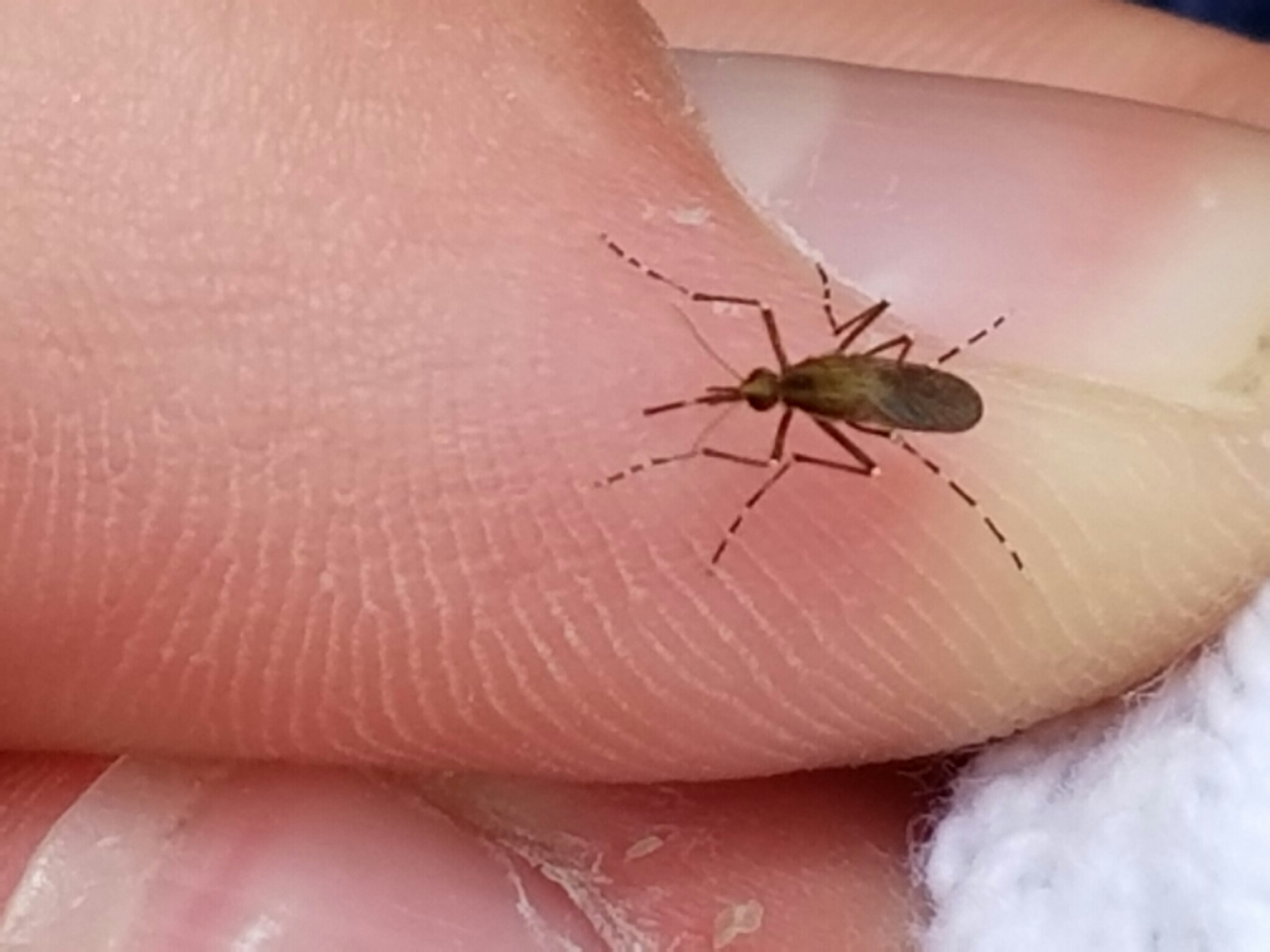
Aedes sollicitans exhibits the characteristic morphology of a mosquito, with a slender body, long legs, and a pair of wings. Observations from the TreeOfLife-200M dataset show a distinct, patterned appearance on the thorax and abdomen, often featuring yellowish or golden scales that create a banded or mottled effect.[2] The legs typically display pale banding, which is a diagnostic feature for identification.[3]
Biology and Ecology
Arginine kinase (AK) is an enzyme involved in energy metabolism in Aedes sollicitans, catalyzing the reversible transfer of the γ-phosphoryl group of ATP to L-arginine, which provides rapid energy for muscular contraction.[1] The Aedes sollicitans AK gene has a nucleotide length of 714 bp and encodes a protein of 238 amino acids.[1]
In silico molecular docking studies indicate that Gedunin, a pentacyclic triterpenoid derived from the neem tree (Azadirachta indica), can bind to the functional active sites of the Aedes sollicitans arginine kinase protein, potentially inhibiting the enzyme and down-regulating its activity.[1]
Aedes sollicitans is known to interact with various hosts, including mammals and birds, which serve as blood meal sources.[4]
Gallery
References
- 1 2 3 4 P Nijanthi; S. Santhi; Balaji Munivelan. Molecular dynamics studies on the arginine kinase protein of Aedes sollicitans: Against the natural chemical compound, Gedunin. International Journal of Mosquito Research. 2023. https://doi.org/10.22271/23487941.2023.v10.i2a.665.
- 1 2 Dataset view for Animalia / Arthropoda / Insecta / Diptera / Culicidae / Aedes / sollicitans constructed from imageomics/TreeOfLife-200M records under this taxonomic path. Hugging Face Datasets. https://huggingface.co/datasets/imageomics/TreeOfLife-200M.
- ↑ Aedes sollicitans. Wikipedia. https://en.wikipedia.org/wiki/Aedes_sollicitans. Accessed 2026-07-14.
- ↑ Aedes sollicitans. Global Biotic Interactions. https://www.globalbioticinteractions.org/?targetTaxon=Aedes%20sollicitans. Accessed 2026-07-14.