Aedes simpsoni
Taxonomy
This page represents the following TreeOfLife-200M taxonomic path.[1]
- Kingdom: Animalia
- Phylum: Arthropoda
- Class: Insecta
- Order: Diptera
- Family: Culicidae
- Genus: Aedes
- Species: Aedes simpsoni
Visual Description
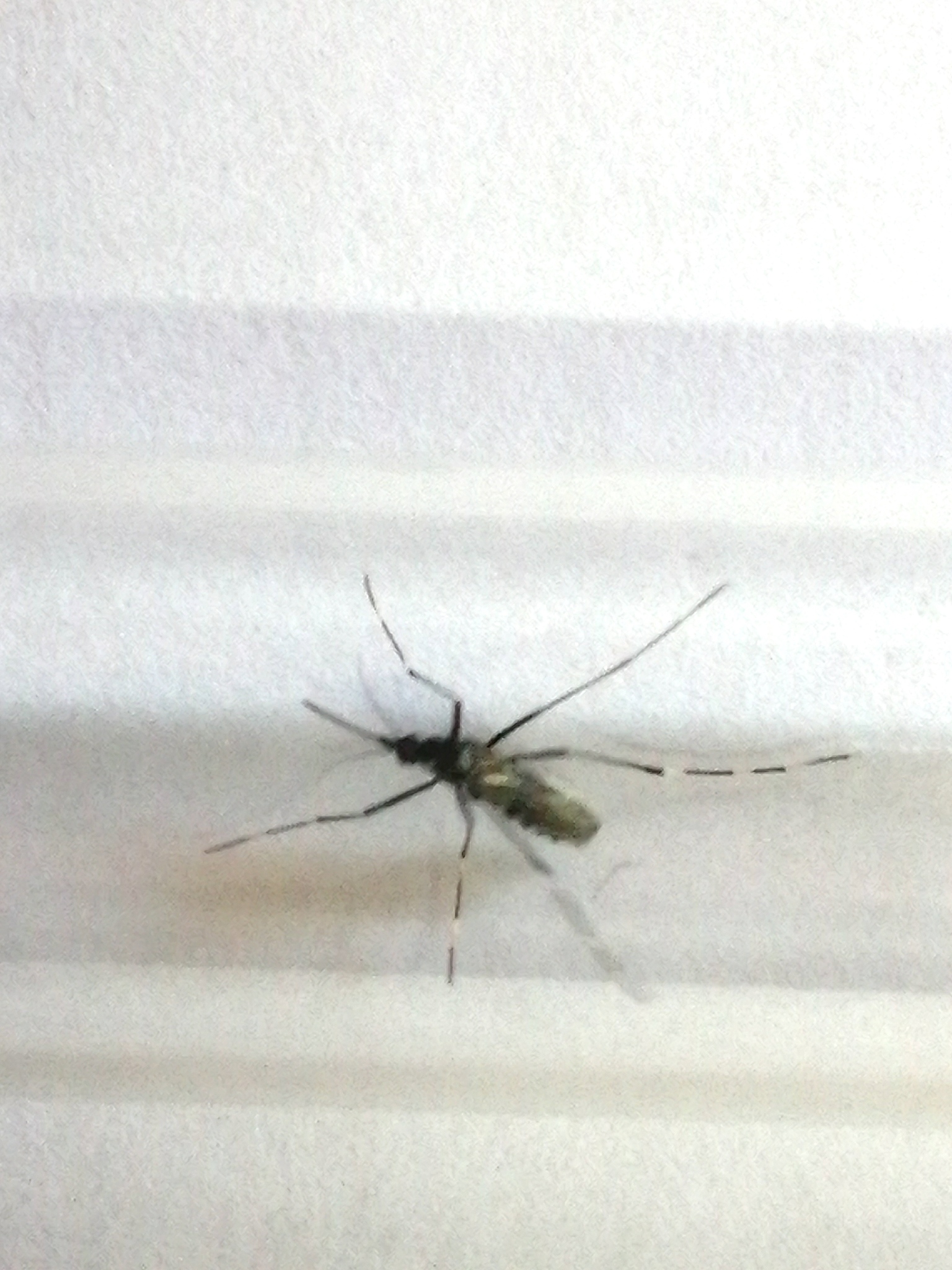
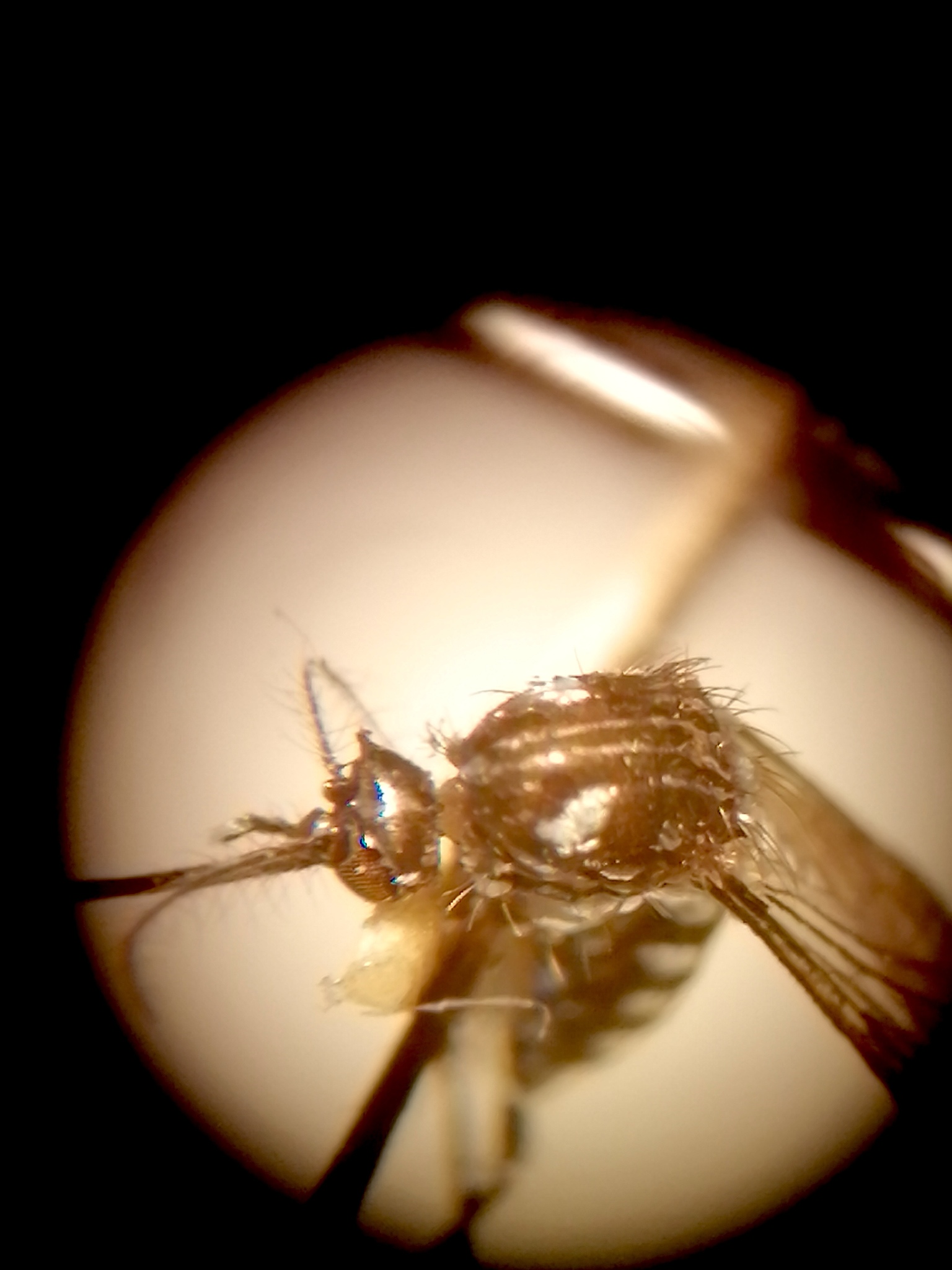
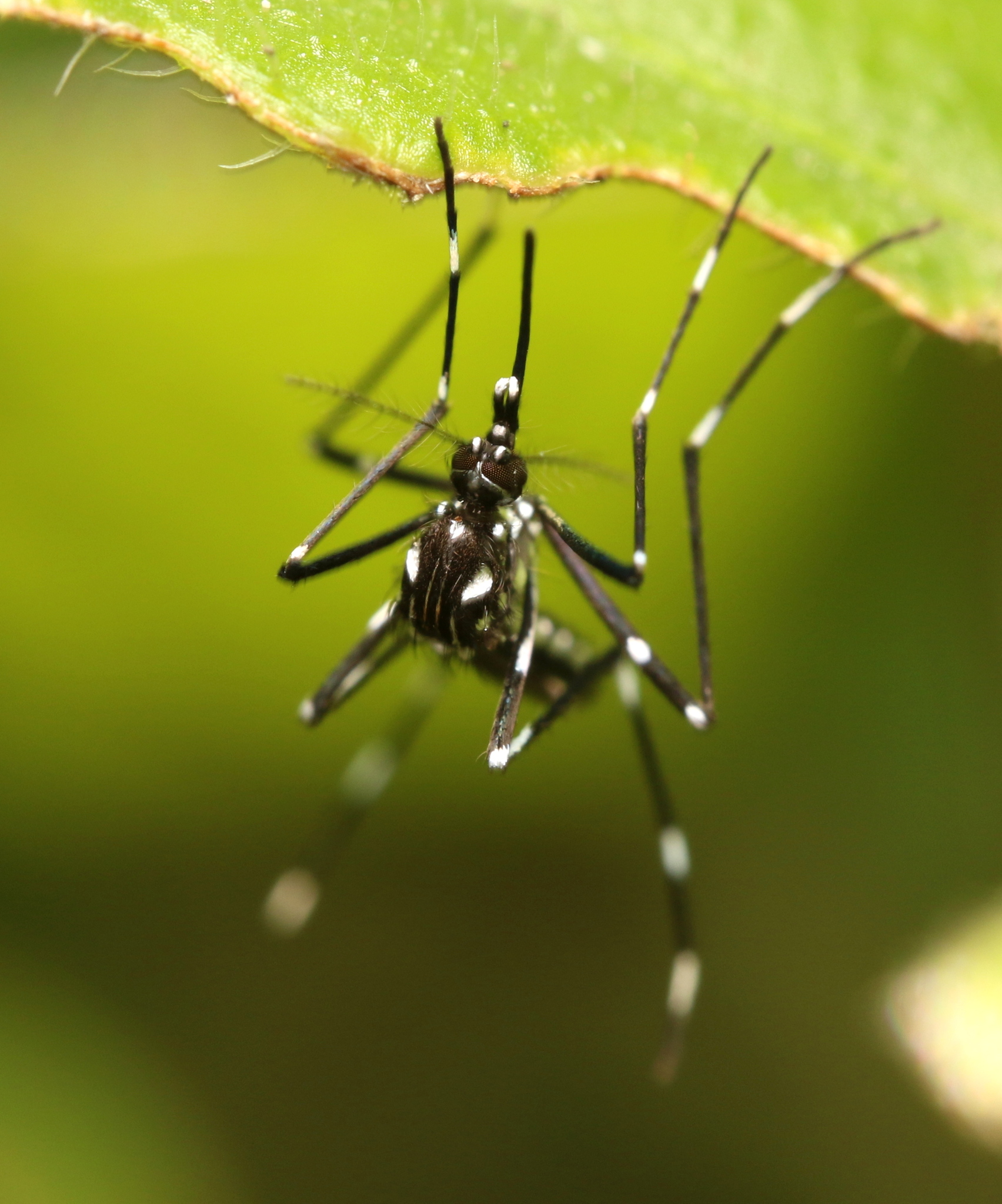
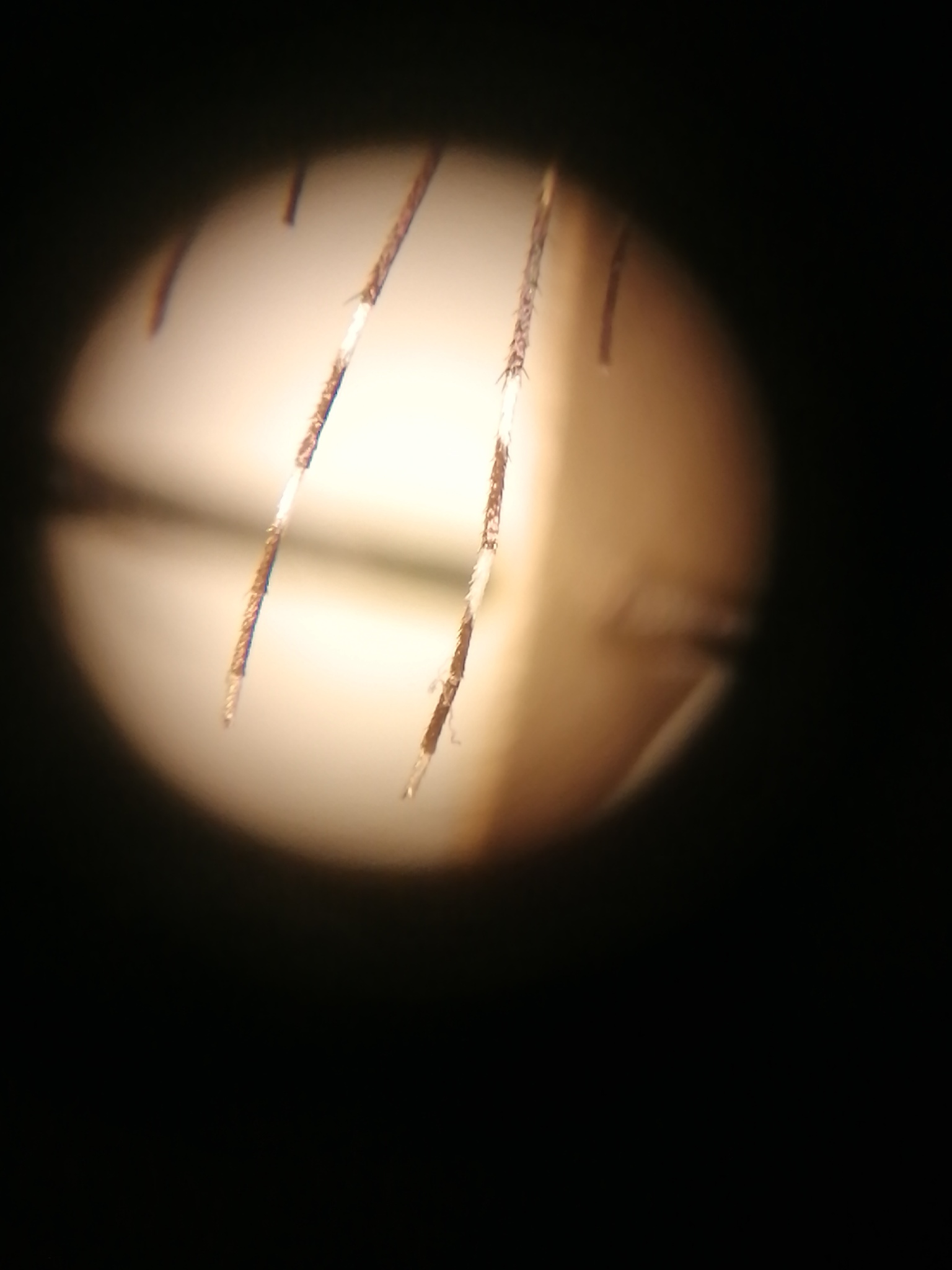
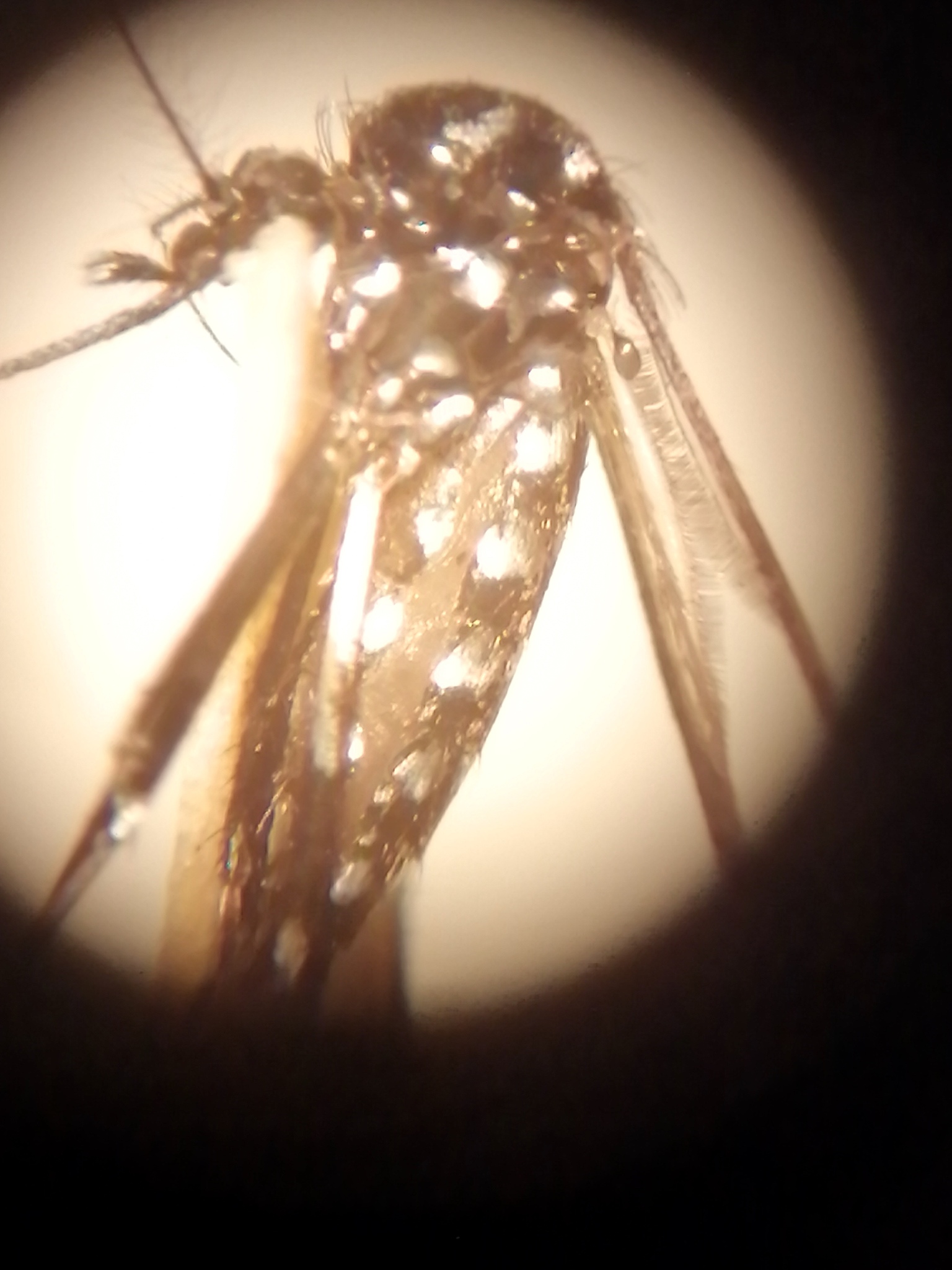
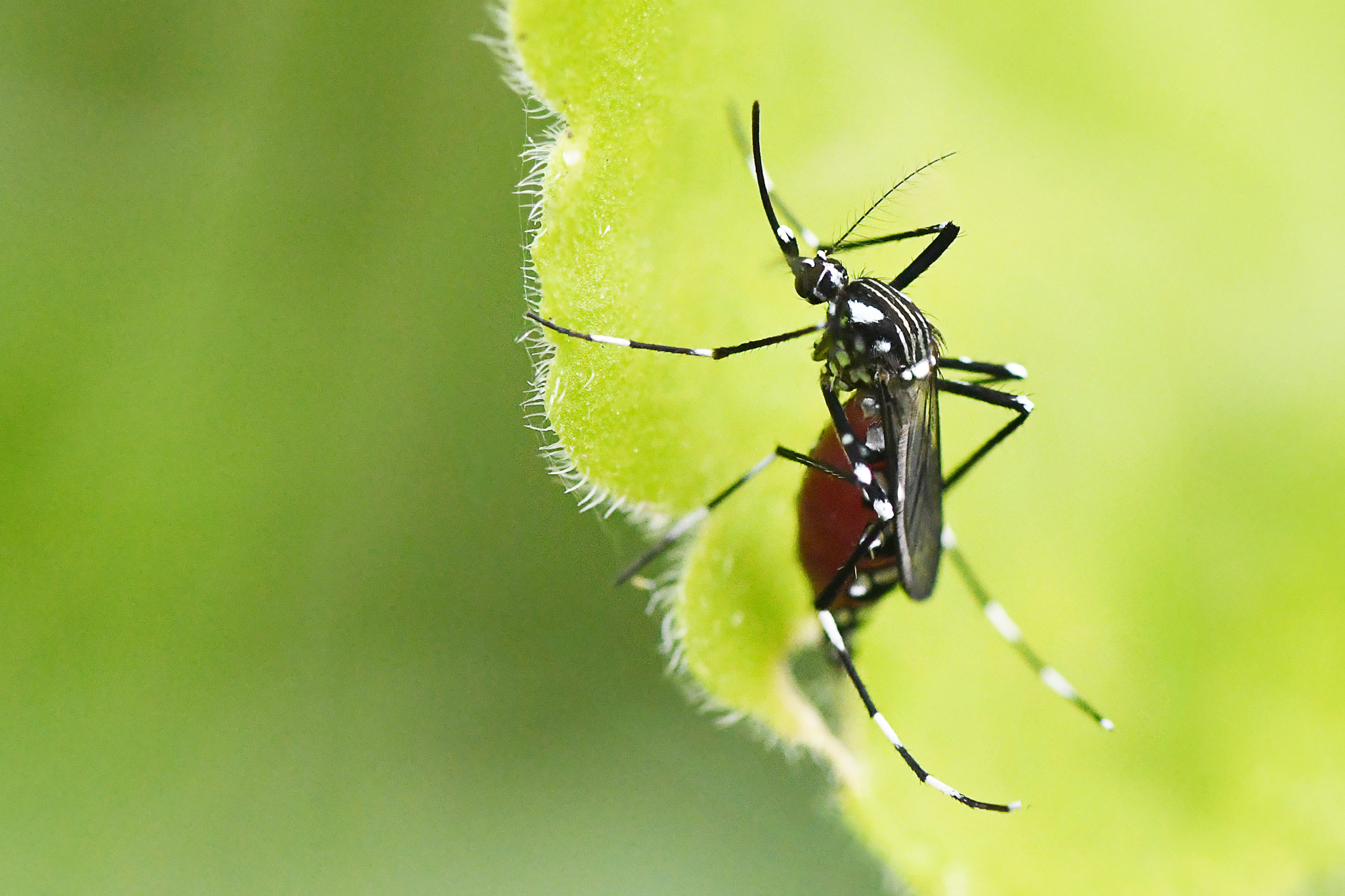
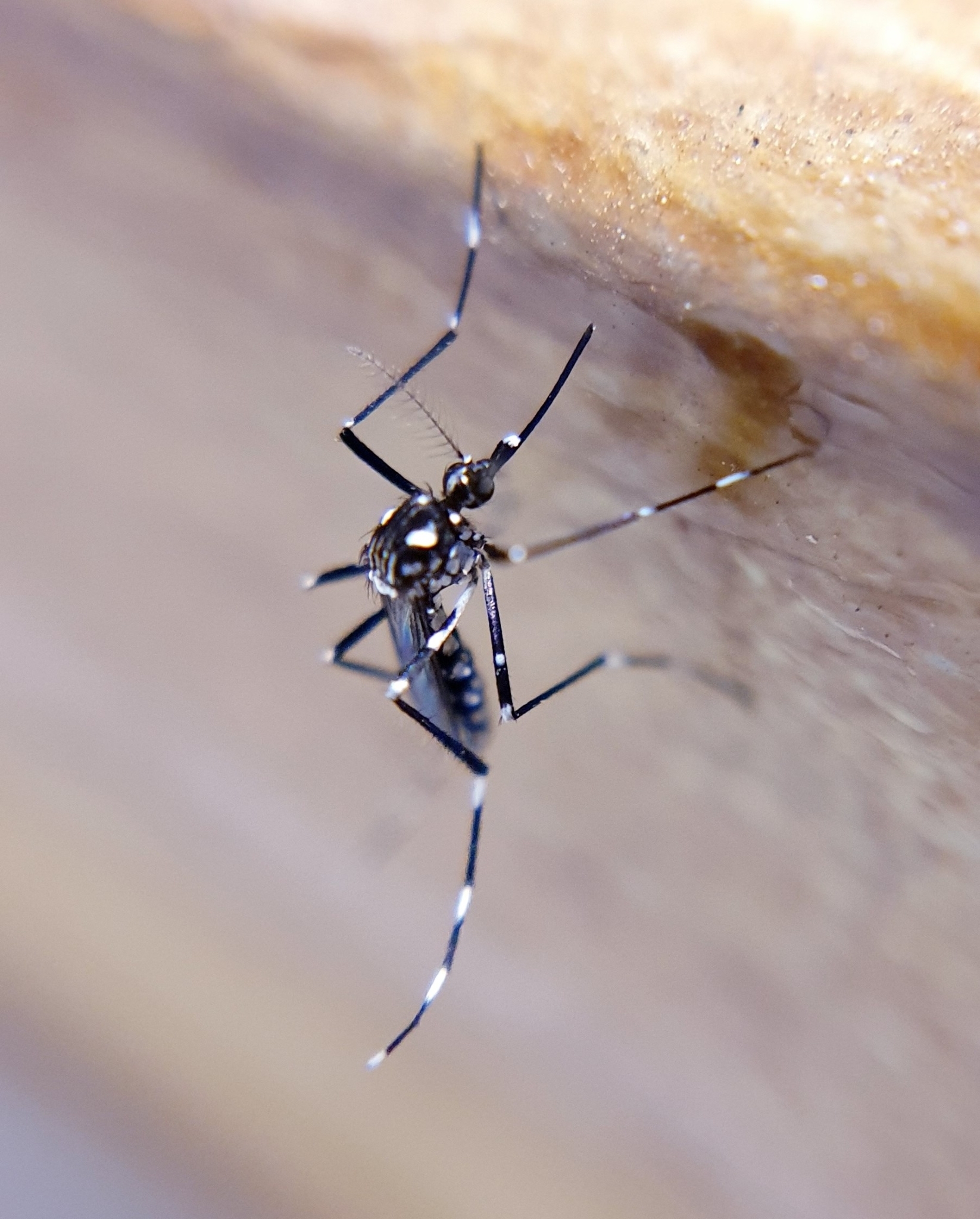
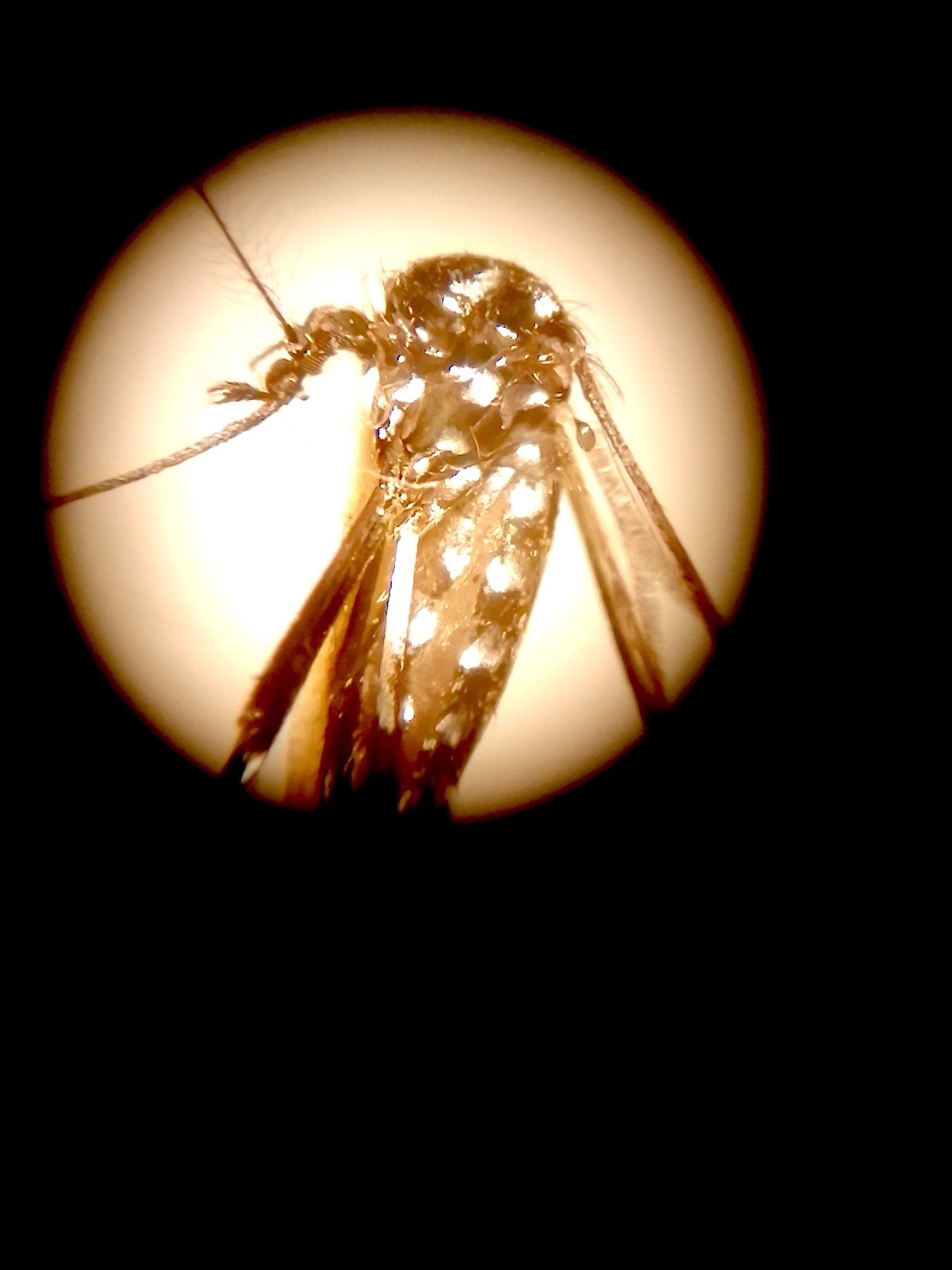
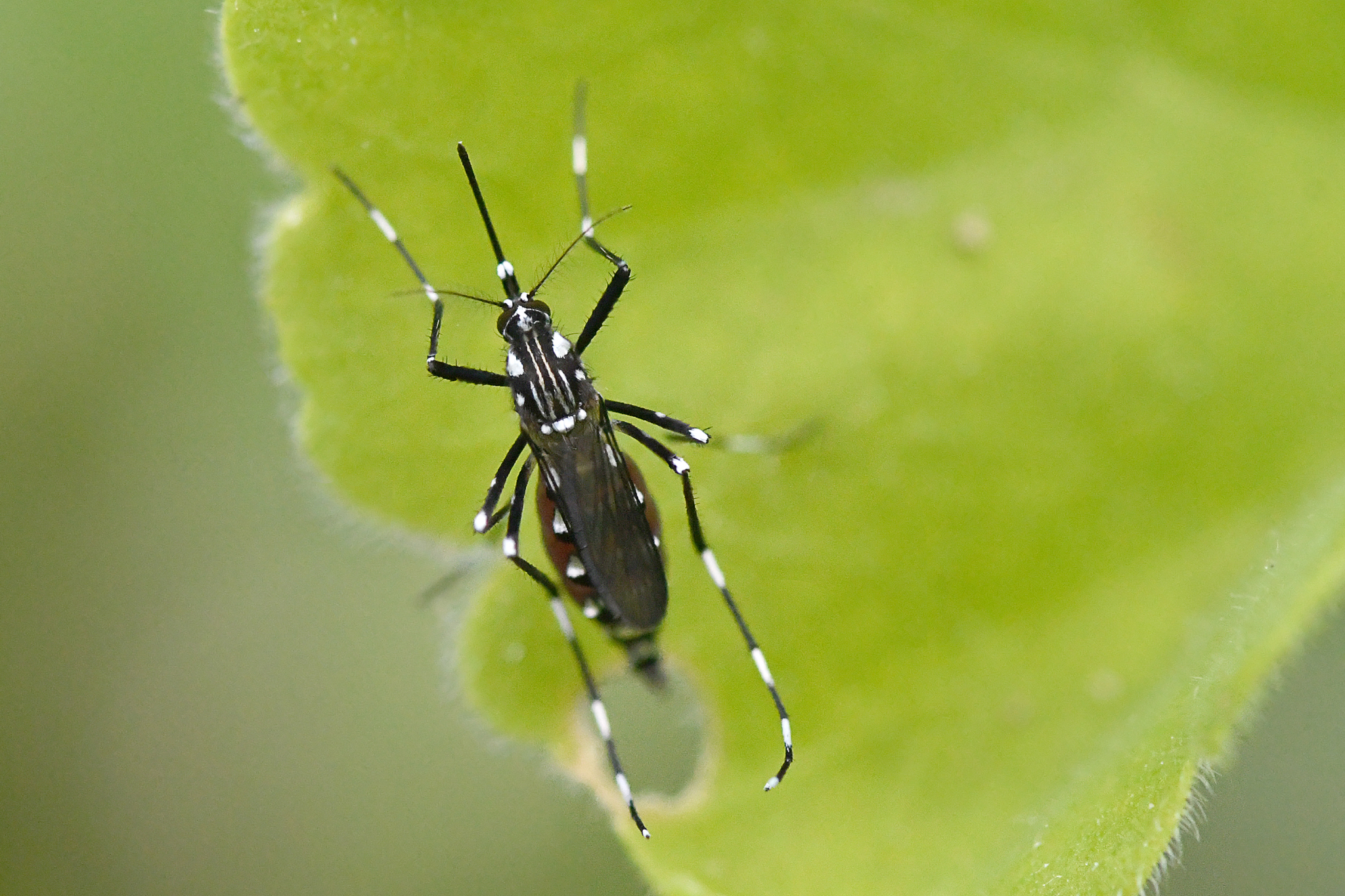
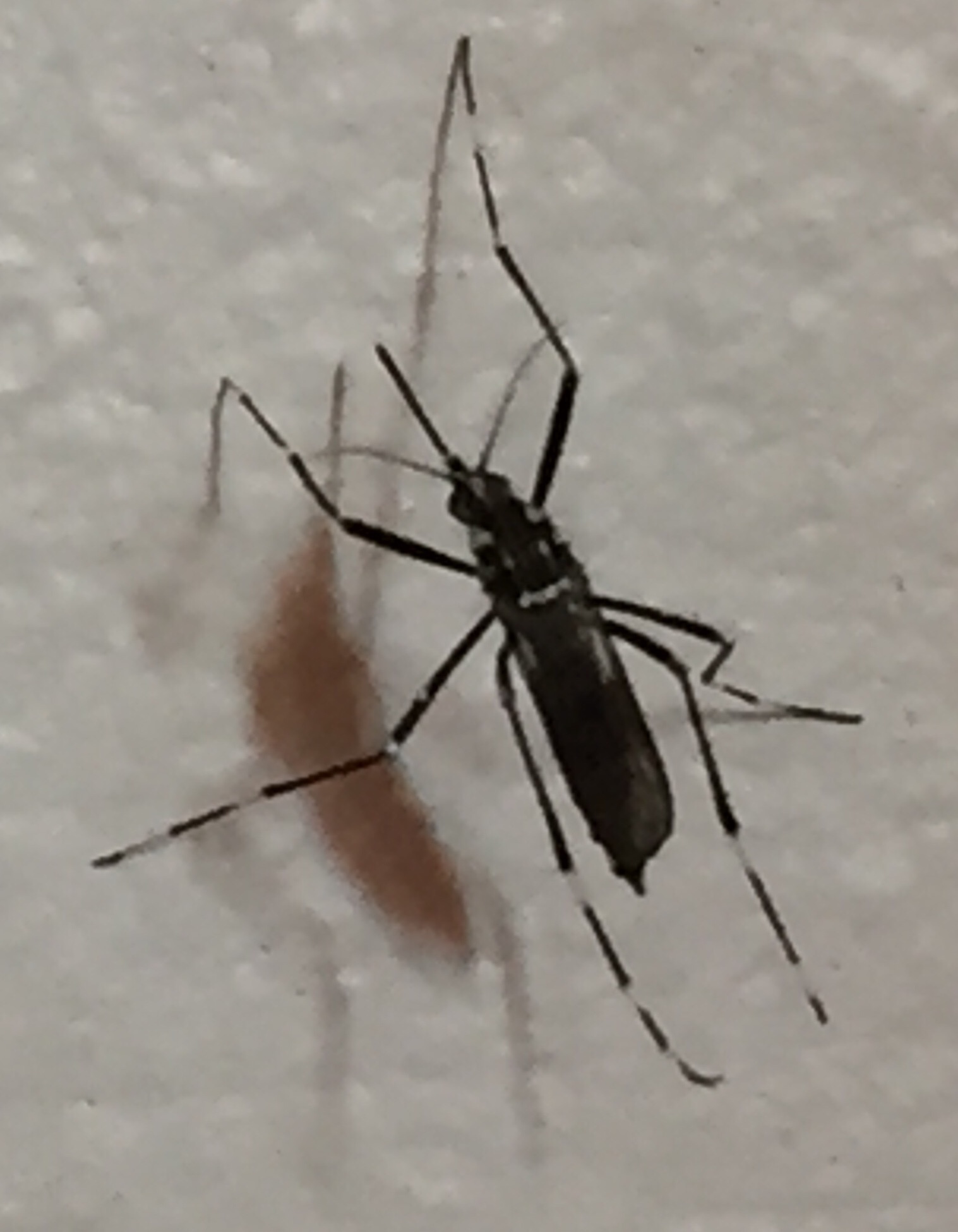
Based on observations from the TreeOfLife-200M dataset, Aedes simpsoni exhibits characteristic mosquito morphology, including a slender body, long, thin legs, and a pair of wings.[1] The specimens typically display distinct patterns on the thorax and abdomen, often featuring contrasting light and dark scales.[1]
Ecology and Biology
Aedes simpsoni is part of a complex of closely related mosquito species, which includes Ae. bromeliae and Ae. lilii.[2] Members of this complex are widely distributed across Africa.[2]
The Aedes simpsoni complex is known for its opportunistic feeding behavior, with a broad host range that includes humans, rodents, reptiles, and various domestic livestock.[2] This behavior, particularly when combined with human-biting tendencies, contributes to the risk of transmitting arboviral pathogens such as yellow fever, dengue, chikungunya, and Zika viruses.[2]
Gallery
References
- 1 2 3 Dataset view for Animalia / Arthropoda / Insecta / Diptera / Culicidae / Aedes / simpsoni constructed from imageomics/TreeOfLife-200M records under this taxonomic path. Hugging Face Datasets. https://huggingface.co/datasets/imageomics/TreeOfLife-200M.
- 1 2 3 4 Winnie W. Kamau; Rosemary Sang; Edwin O. Ogola; Gilbert Rotich; Caroline Getugi; Sheila B. Agha; Nelson Menza; Baldwyn Torto; David P. Tchouassi. Survival rate, blood feeding habits and sibling species composition of Aedes simpsoni complex: Implications for arbovirus transmission risk in East Africa. PLoS neglected tropical diseases. 2022. https://doi.org/10.1371/journal.pntd.0010171.