Aedes serratus
Taxonomy
This page represents the following TreeOfLife-200M taxonomic path.[1]
- Kingdom: Animalia
- Phylum: Arthropoda
- Class: Insecta
- Order: Diptera
- Family: Culicidae
- Genus: Aedes
- Species: Aedes serratus
Visual Description
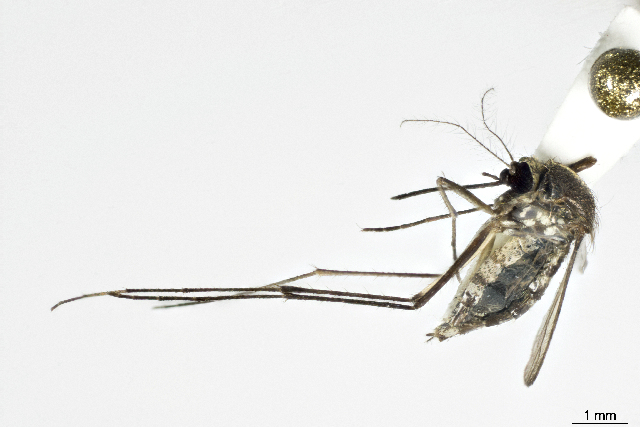
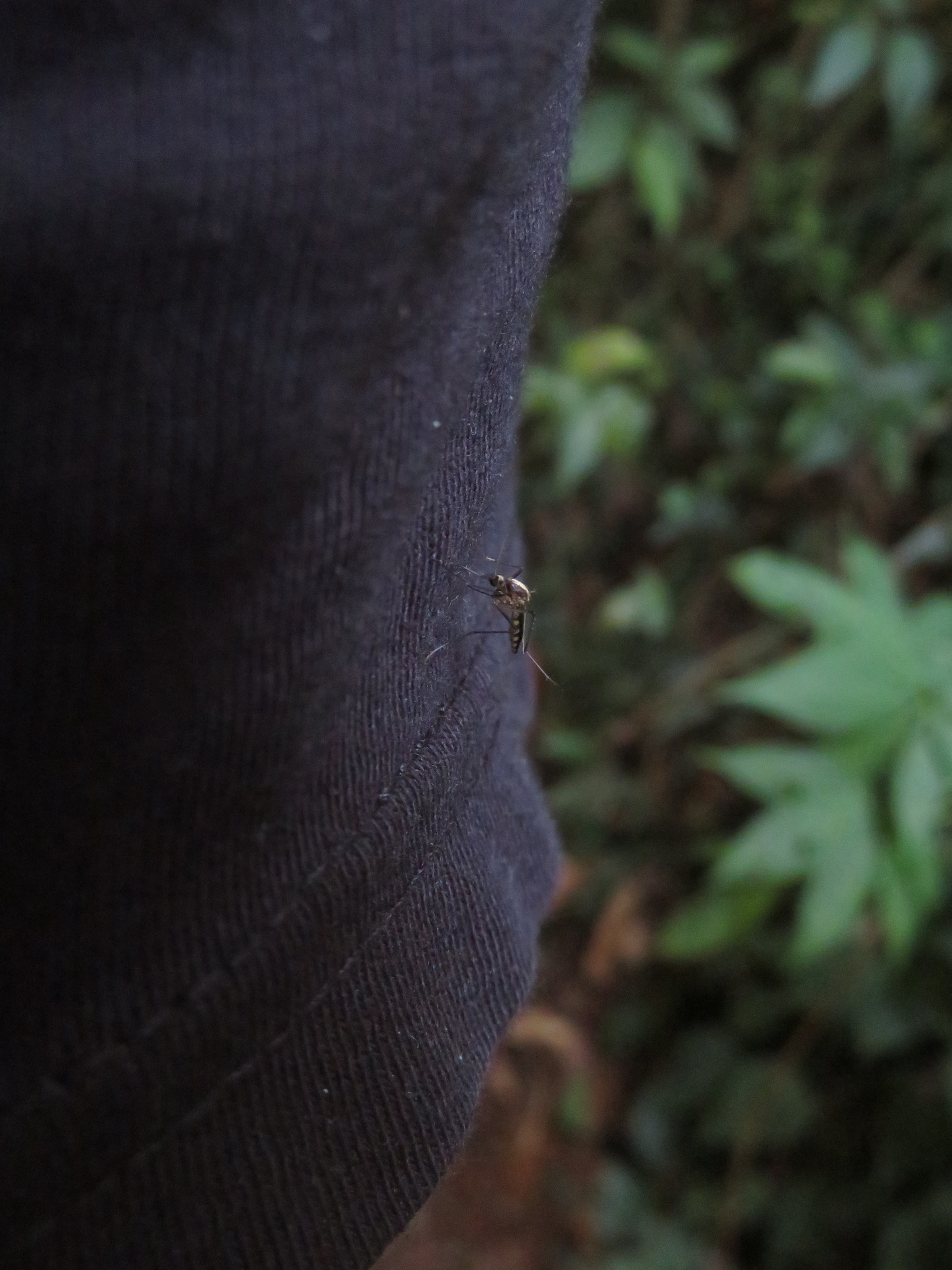
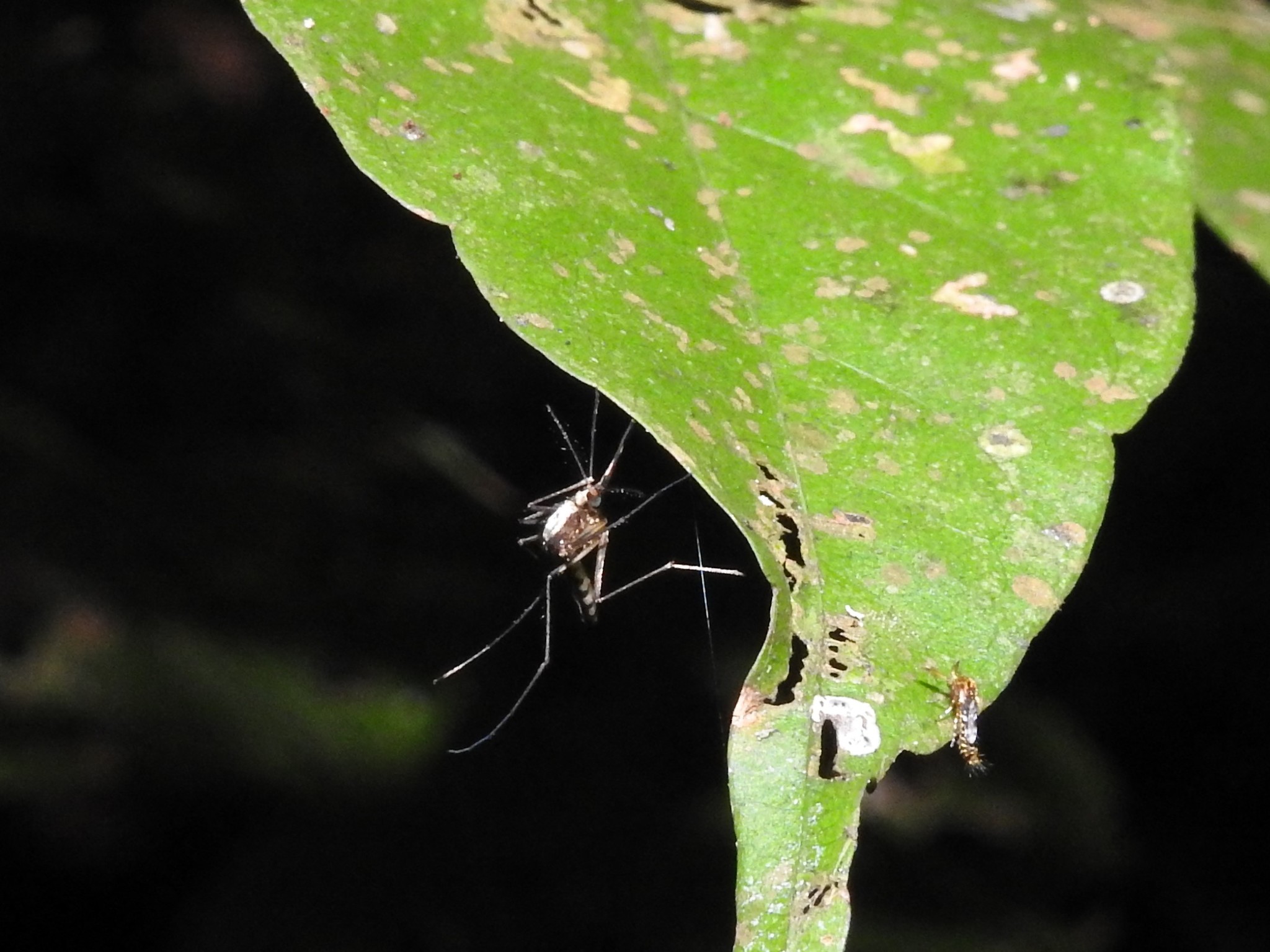
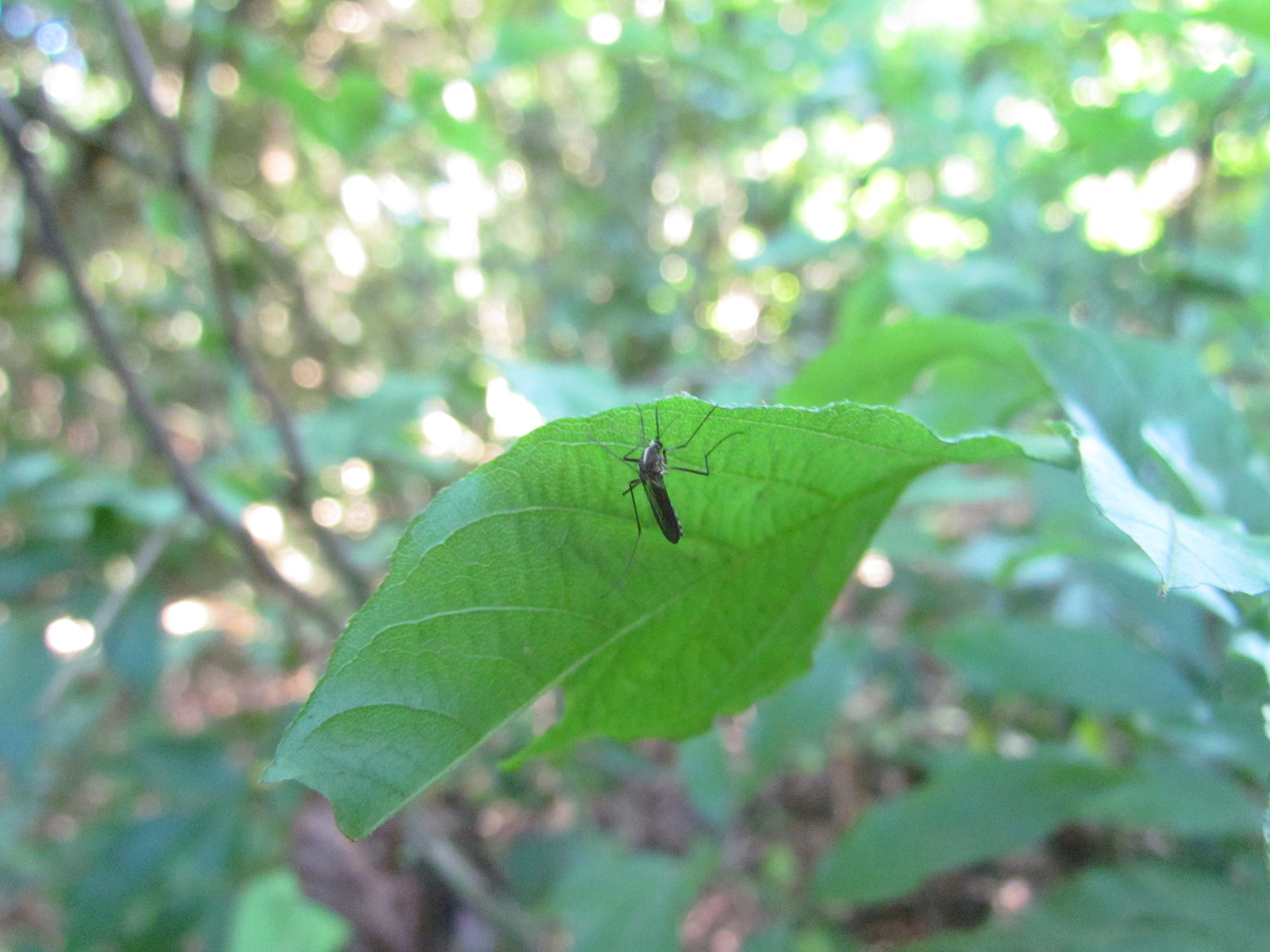
Aedes serratus is a mosquito species characterized by its distinct morphological features. Based on observations from the TreeOfLife-200M dataset, the adult mosquito exhibits a slender body typical of the Culicidae family, with long, delicate legs and narrow wings.[1] The thorax and abdomen often display patterns of light-colored scales, which can appear as longitudinal stripes or patches against a darker background, providing a degree of camouflage in its natural habitat.[1]
Ecology and Disease Transmission
Aedes serratus is known to inhabit forest environments, where it typically breeds in temporary ground puddles.[2] Its feeding activity is primarily diurnal, with peak biting activity occurring around dusk.[2] While the species has an eclectic range of blood meal hosts, it shows a notable preference for large mammals.[2]
Entomological surveillance has identified A. serratus as a mosquito species naturally infected with the Yellow Fever Virus (YFV).[2] During a 2008 outbreak in southern Brazil, it was the second most abundant mosquito species collected, and YFV was isolated from a pool of these mosquitoes, suggesting it may serve as a potential secondary vector for the virus.[2]
Gallery
References
- 1 2 3 Dataset view for Animalia / Arthropoda / Insecta / Diptera / Culicidae / Aedes / serratus constructed from imageomics/TreeOfLife-200M records under this taxonomic path. Hugging Face Datasets. https://huggingface.co/datasets/imageomics/TreeOfLife-200M.
- 1 2 3 4 5 Jáder da Cruz Cardoso; Marco Antônio Barreto de Almeida; Edmilson dos Santos; Daltro Fernandes da Fonseca; Maria Anice Mureb Sallum; Carlos Alberto Noll; Hamilton Antônio de Oliveira Monteiro; Ana Cecília Ribeiro Cruz; Valéria Lima Carvalho; Eliana Vieira Pinto; Francisco Corrêa Castro; Joaquim Pinto Nunes Neto; Maria N.O. Segura; Pedro Fernando da Costa Vasconcelos. Yellow Fever Virus inHaemagogus leucocelaenusandAedes serratusMosquitoes, Southern Brazil, 2008. Emerging infectious diseases. 2010. https://doi.org/10.3201/eid1612.100608.