Aedes procax
Taxonomy
This page represents the following TreeOfLife-200M taxonomic path.[1]
- Kingdom: Animalia
- Phylum: Arthropoda
- Class: Insecta
- Order: Diptera
- Family: Culicidae
- Genus: Aedes
- Species: Aedes procax
Visual Description
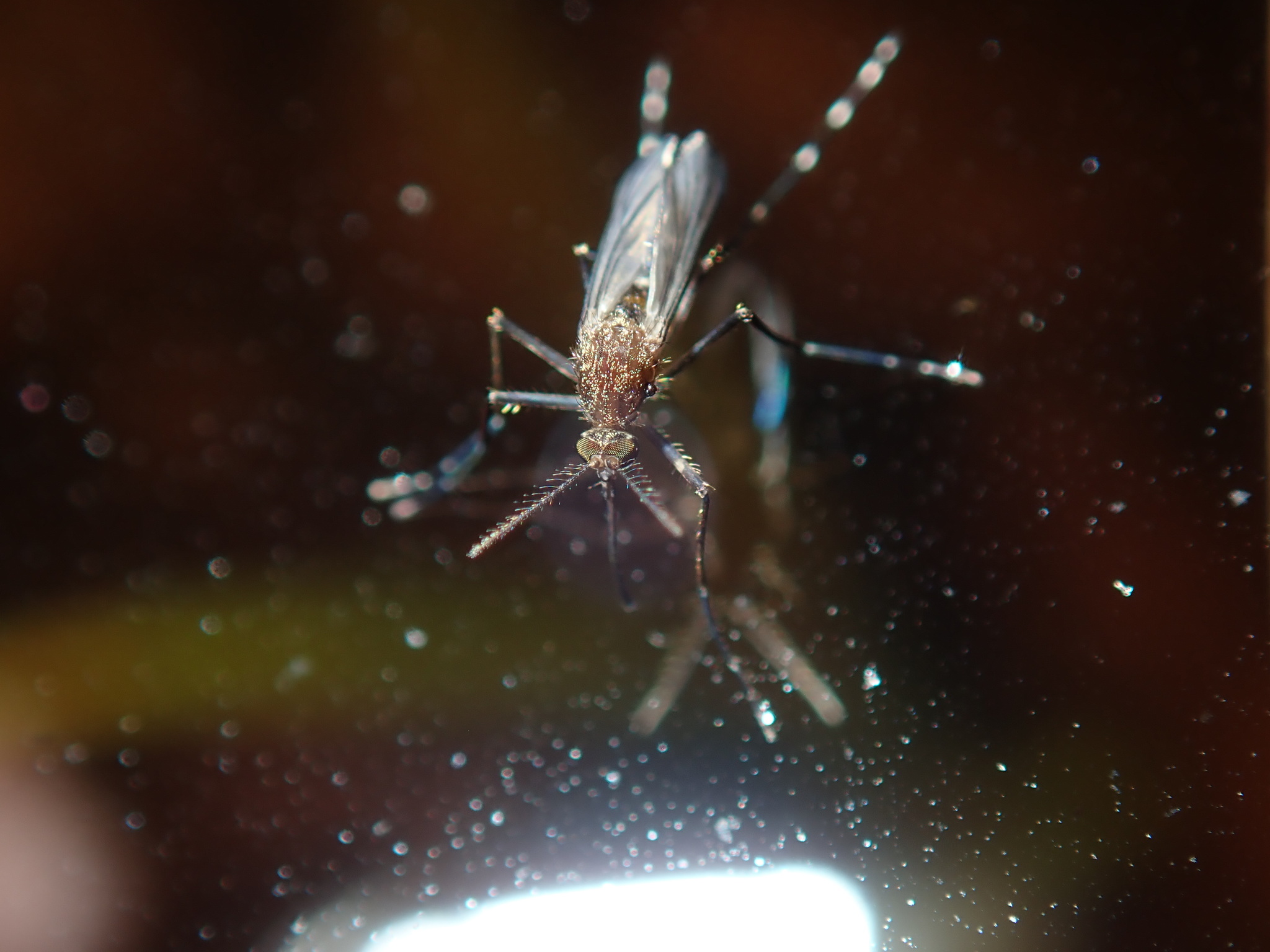
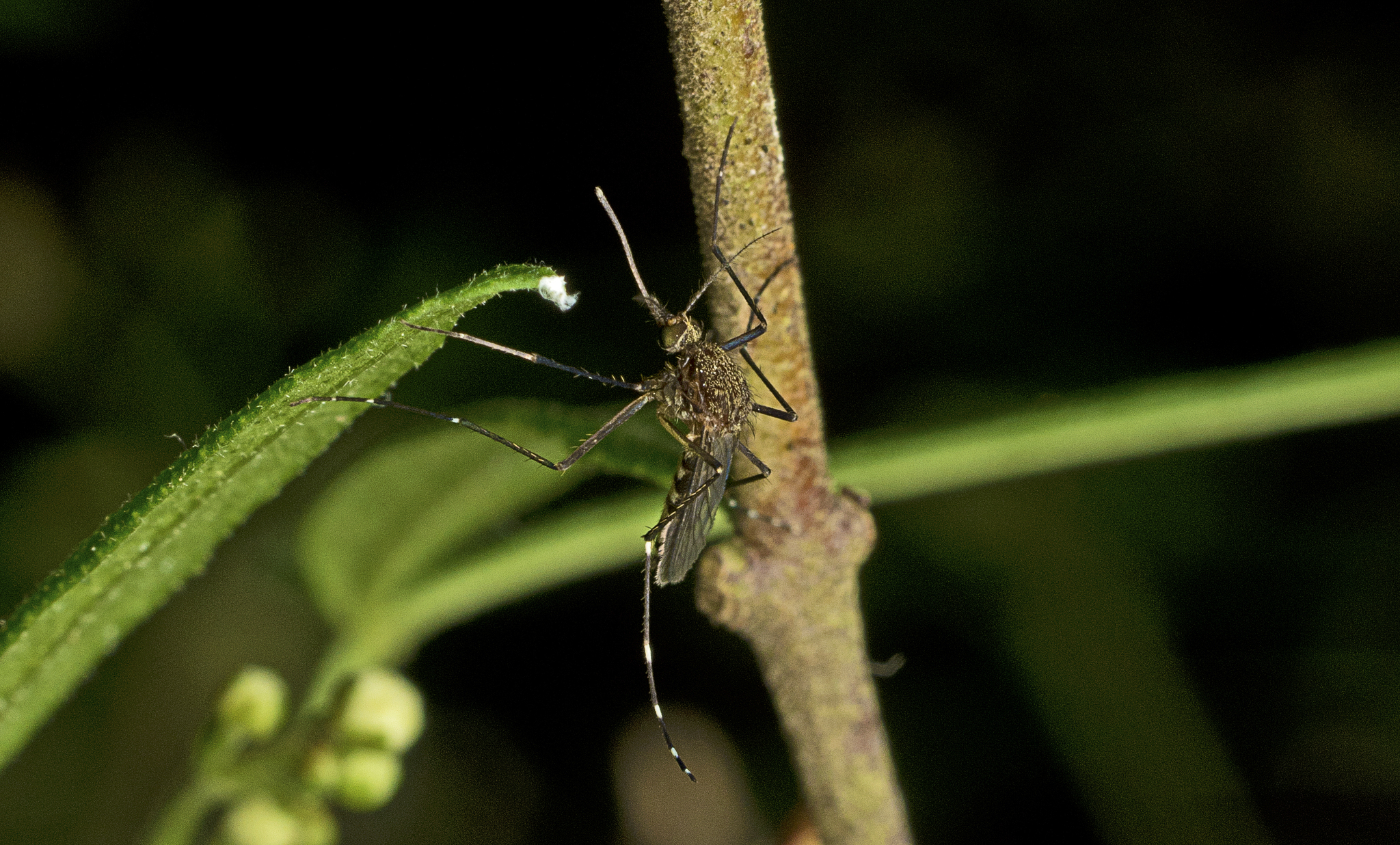
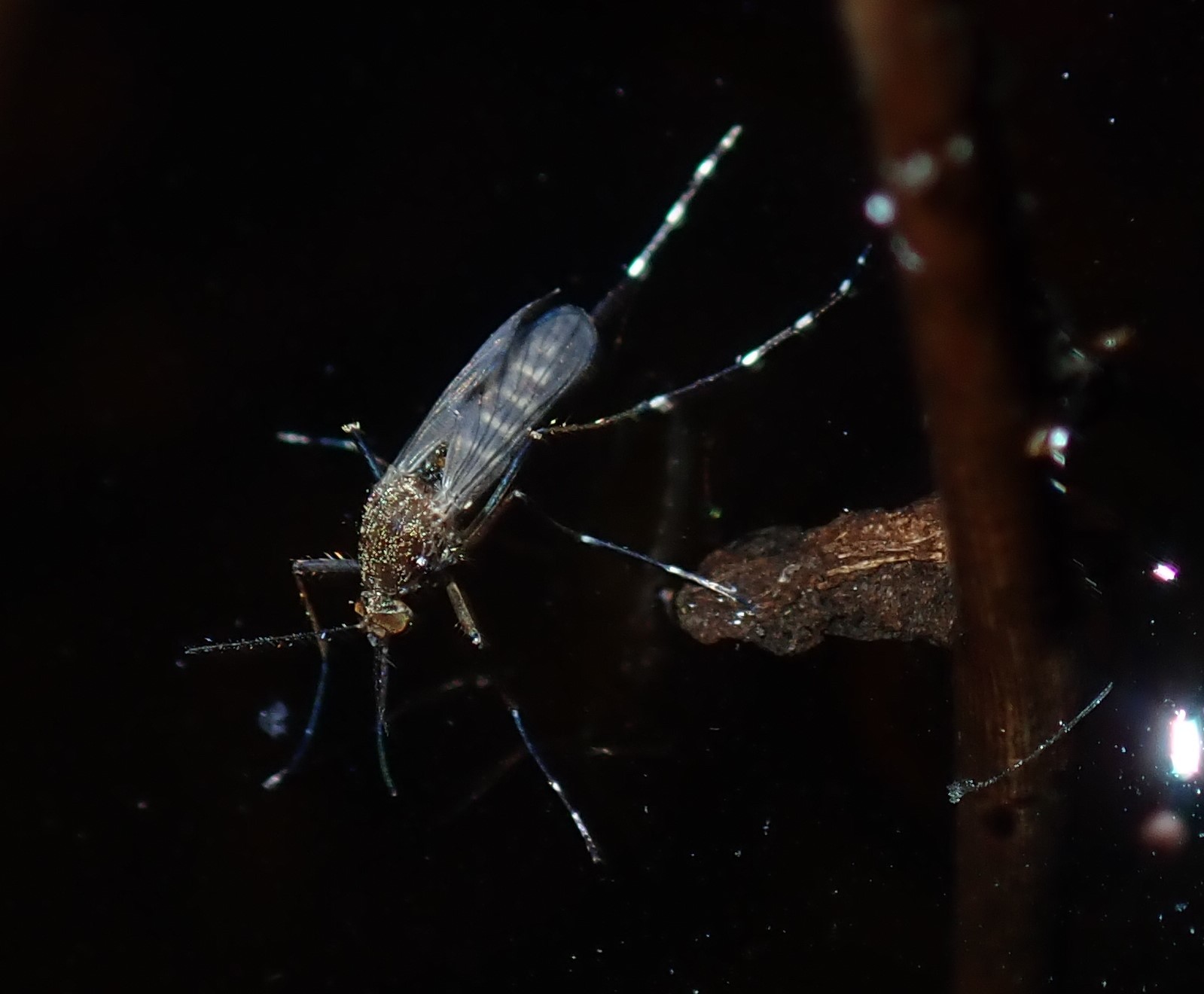
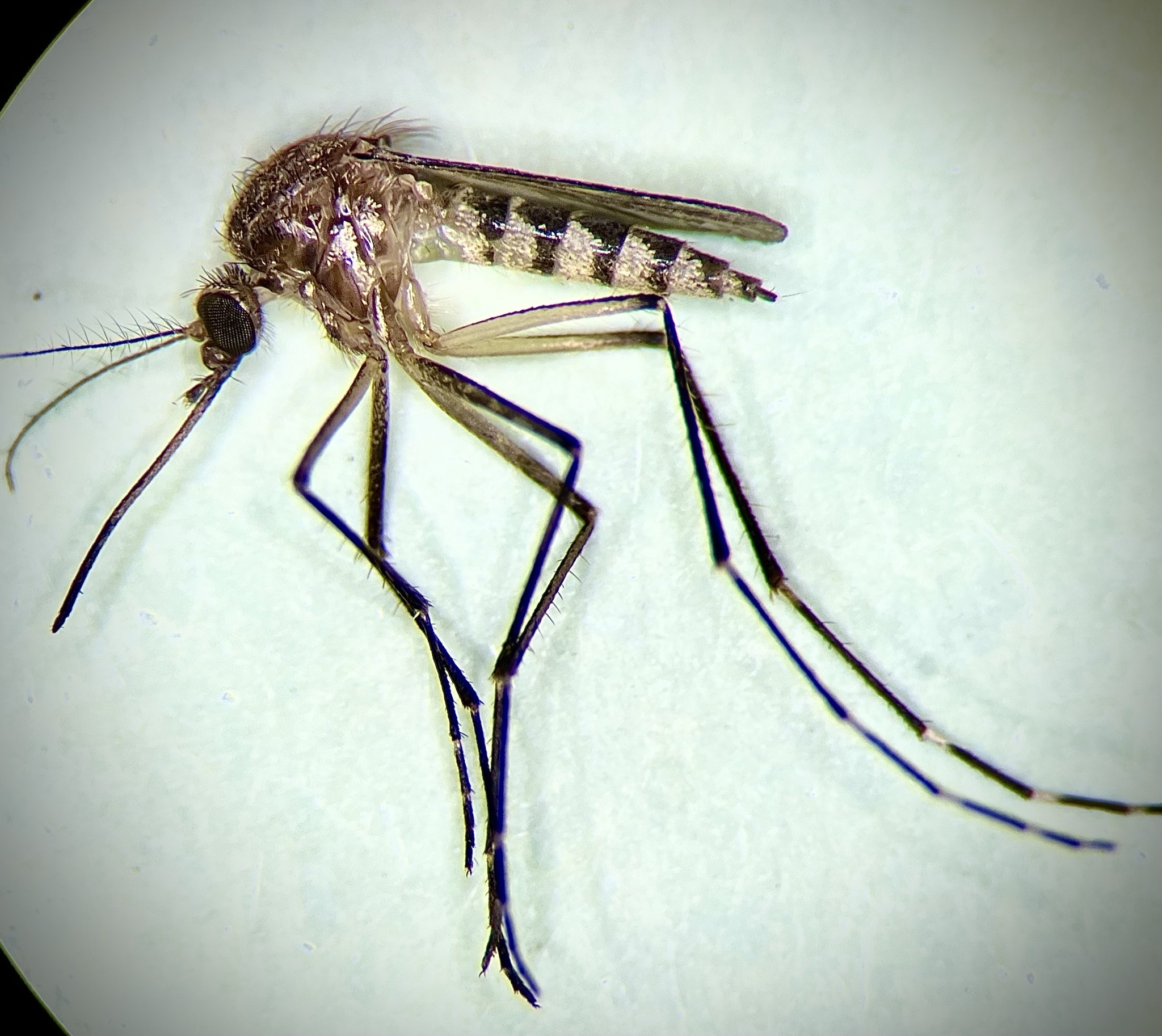
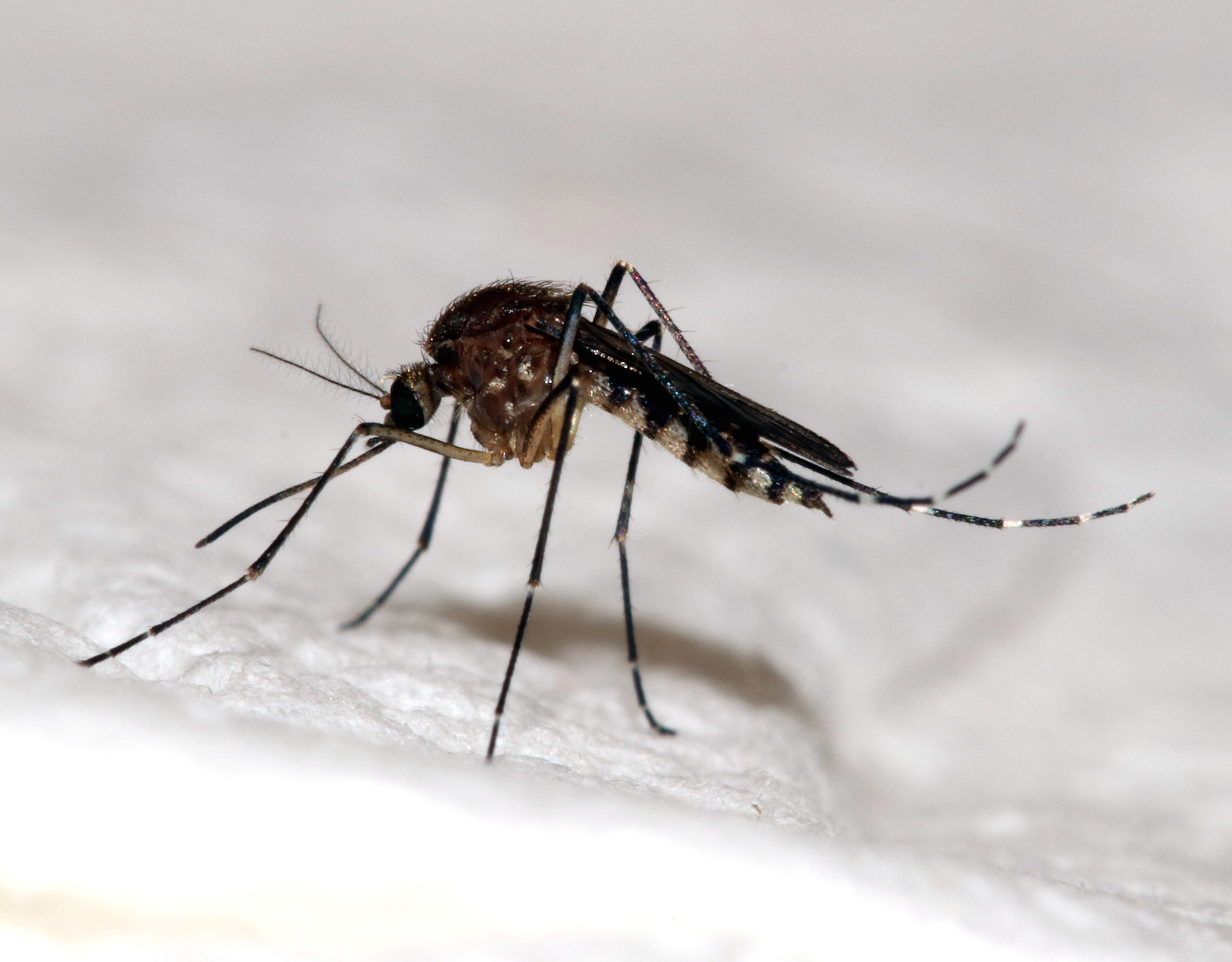
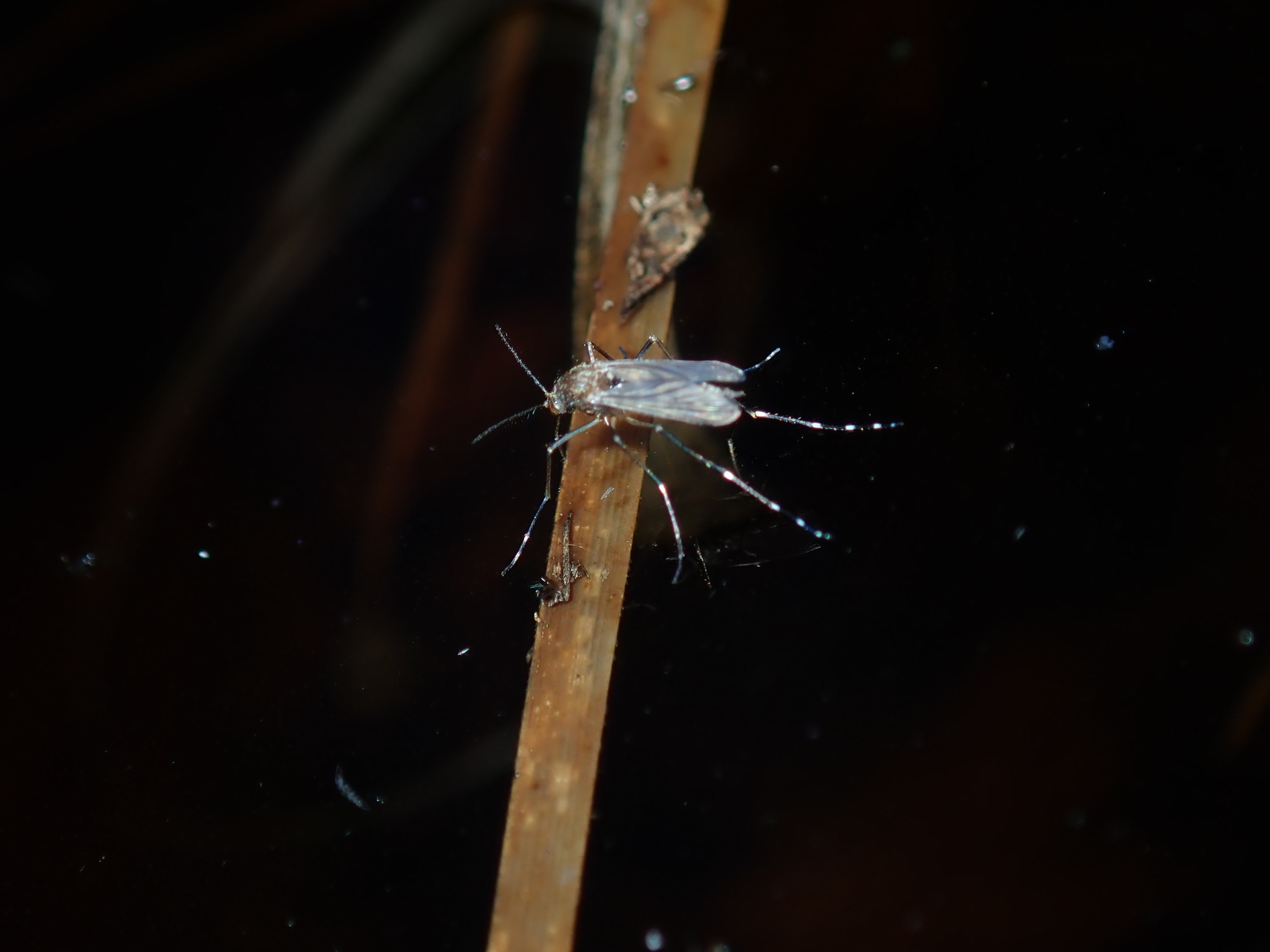
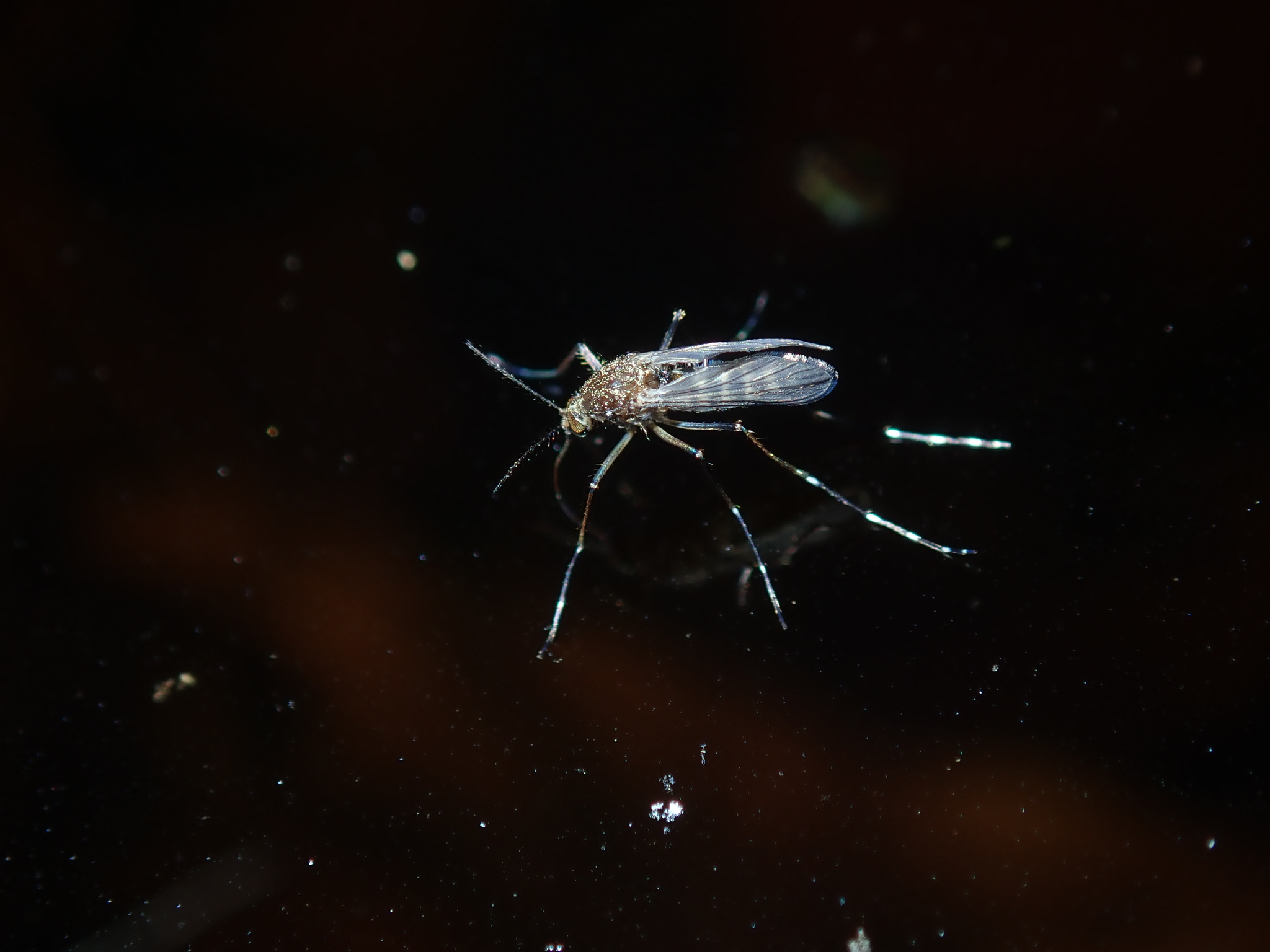
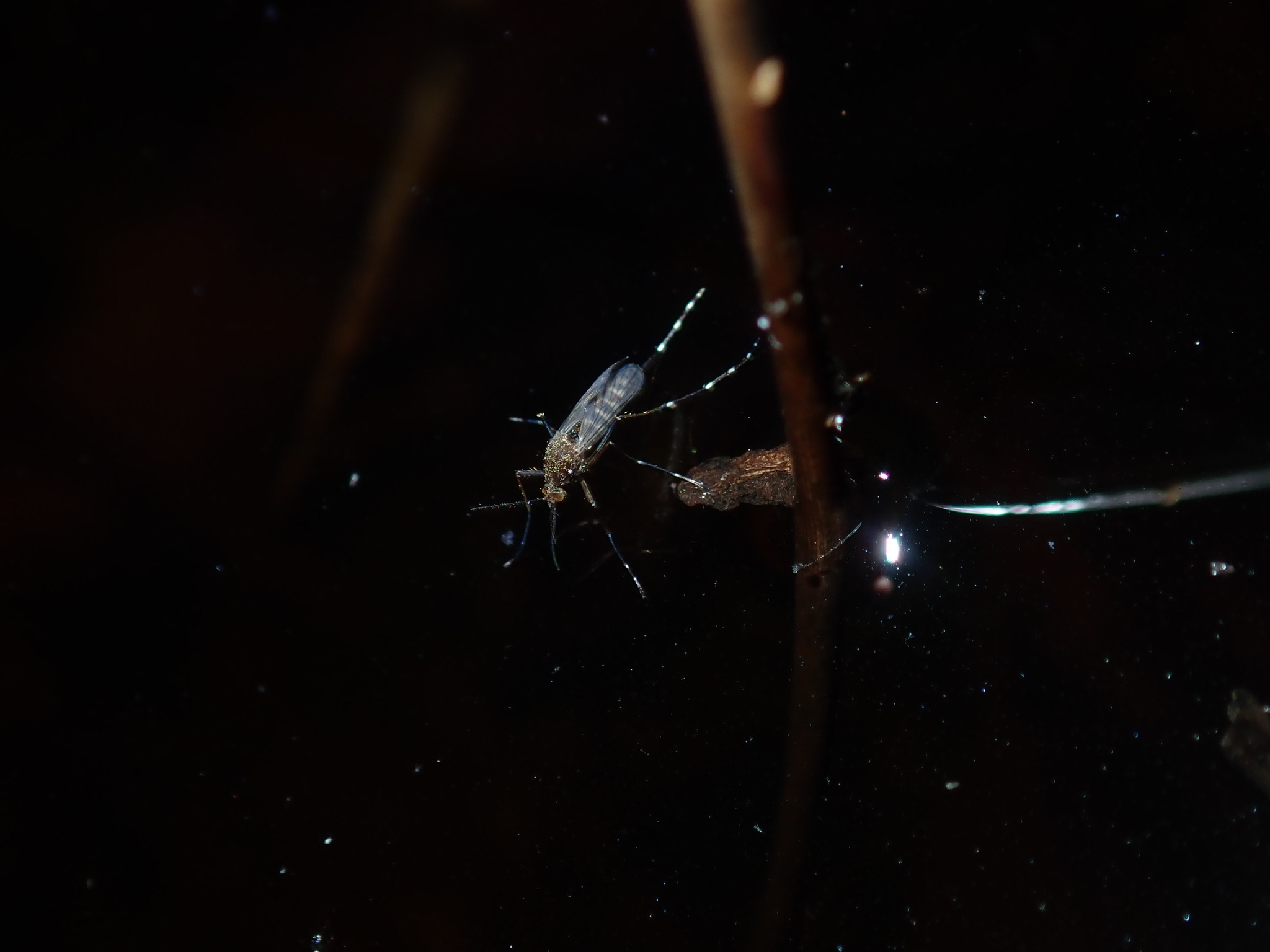
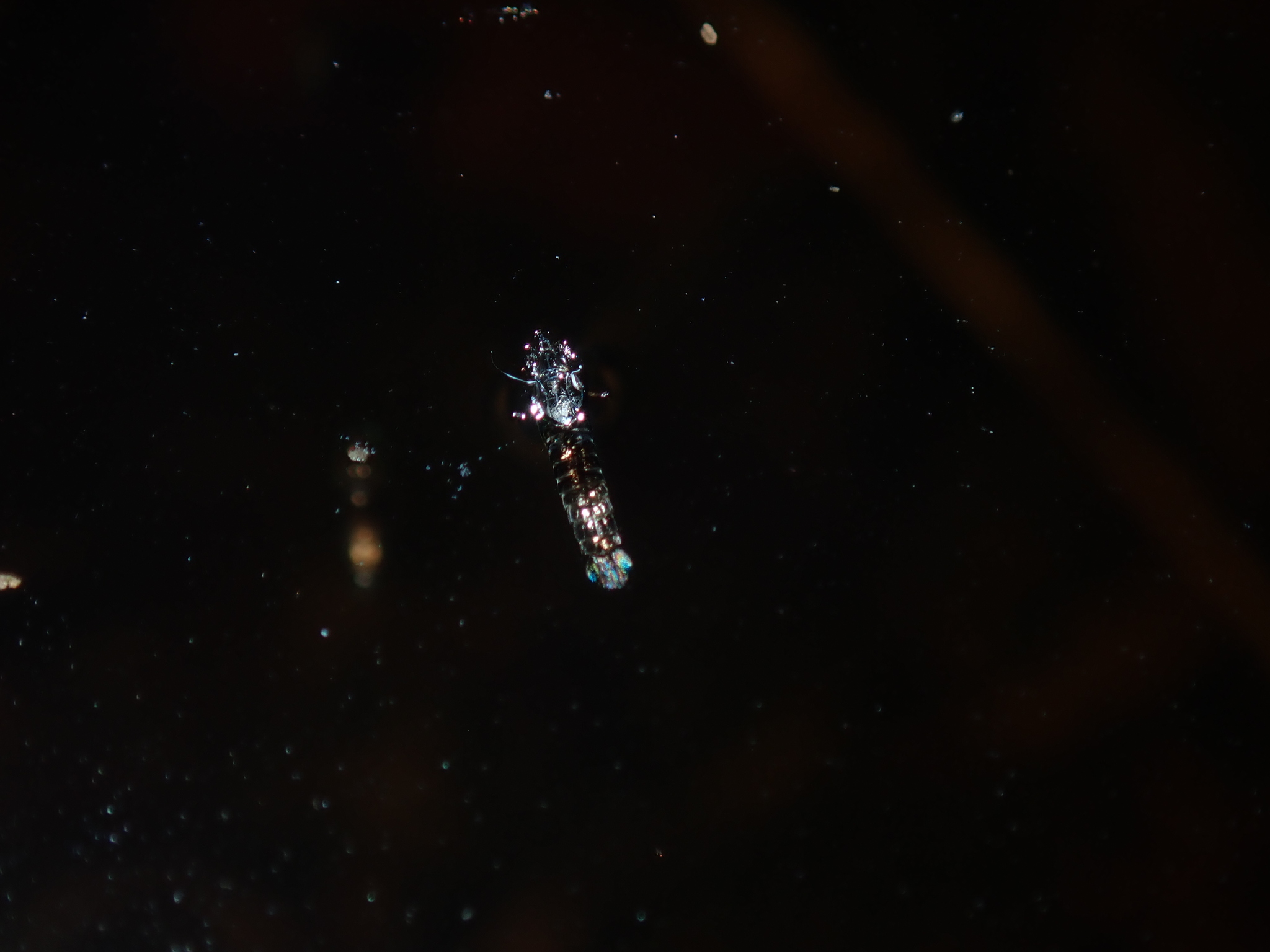
Based on observations from the TreeOfLife-200M dataset, Aedes procax exhibits typical mosquito morphology, characterized by a slender body, long, delicate legs, and a pair of functional wings.[1] The specimens display a complex pattern of coloration, often featuring dark and light scales on the thorax and abdomen, which is consistent with the general appearance of many species within the genus Aedes.[1]
Ecology and Epidemiology
Aedes procax (Skuse, 1889) is a mosquito species recognized in the family Culicidae.[2] Research conducted during the 2014–15 Ross River virus (RRV) outbreak in Brisbane, Queensland, Australia, identified Ae. procax as a significant component of the local mosquito population, comprising over 5% of the total trap catch.[3]
The abundance of Ae. procax has been shown to correlate with human RRV notifications, with a 2-week lag period.[3] While RRV was not directly detected in Ae. procax during this specific study, the species has demonstrated high vector competence for the virus in laboratory settings and has been associated with field isolates in other research.[3] Due to its tendency to feed on a variety of mammals, Ae. procax is considered a potential contributor to urban arbovirus transmission.[3]
Gallery
References
- 1 2 3 Dataset view for Animalia / Arthropoda / Insecta / Diptera / Culicidae / Aedes / procax constructed from imageomics/TreeOfLife-200M records under this taxonomic path. Hugging Face Datasets. https://huggingface.co/datasets/imageomics/TreeOfLife-200M.
- ↑ Aedes procax (Skuse, 1889). GBIF. https://www.gbif.org/species/1651546. Accessed 2026-07-15.
- 1 2 3 4 Cassie C. Jansen; Martin A. Shivas; Fiona J. May; Alyssa T. Pyke; Michael B. Onn; Kerryn Lodo; Sonja Hall‐Mendelin; Jamie McMahon; Brian L. Montgomery; Jonathan M. Darbro; Stephen L. Doggett; Andrew F. van den Hurk. Epidemiologic, Entomologic, and Virologic Factors of the 2014–15 Ross River Virus Outbreak, Queensland, Australia. Emerging infectious diseases. 2019. https://doi.org/10.3201/eid2512.181810.