Aedes melanimon
Aedes melanimon is a species of mosquito in the family Culicidae. It is known to be an abundant pest species in California's Central Valley.[1]
Taxonomy
This page represents the following TreeOfLife-200M taxonomic path.[2]
- Kingdom: Animalia
- Phylum: Arthropoda
- Class: Insecta
- Order: Diptera
- Family: Culicidae
- Genus: Aedes
- Species: Aedes melanimon
Visual Description
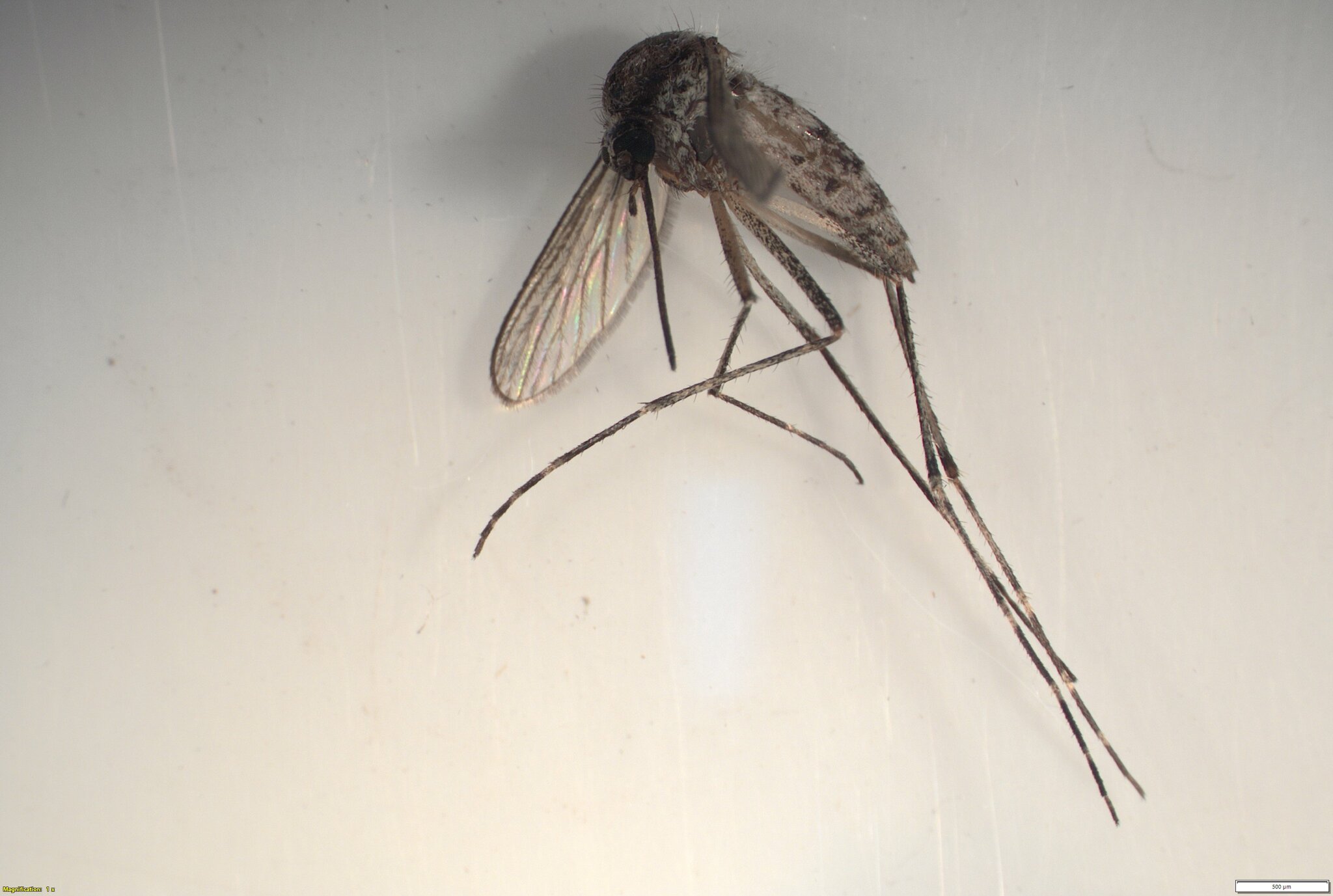
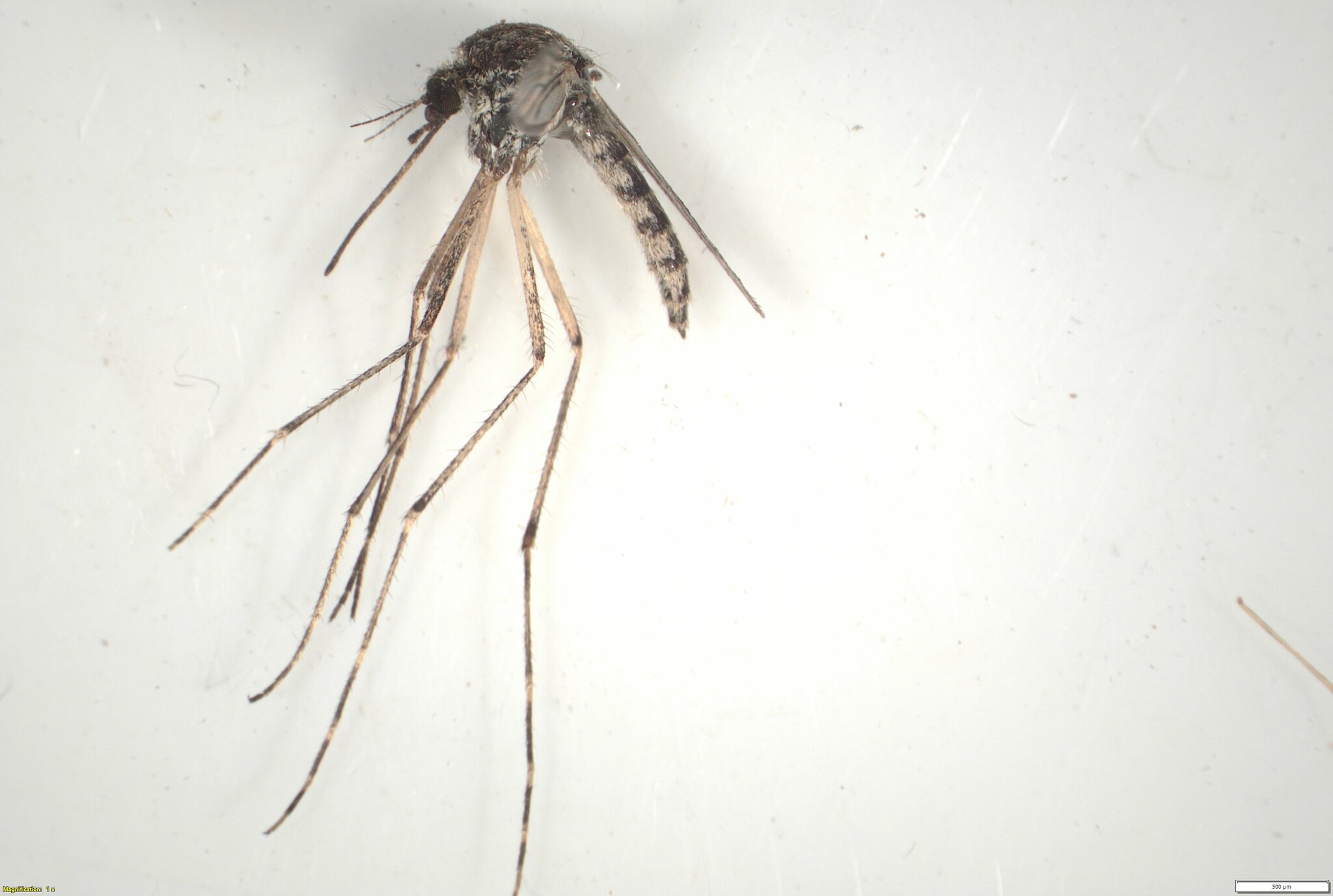
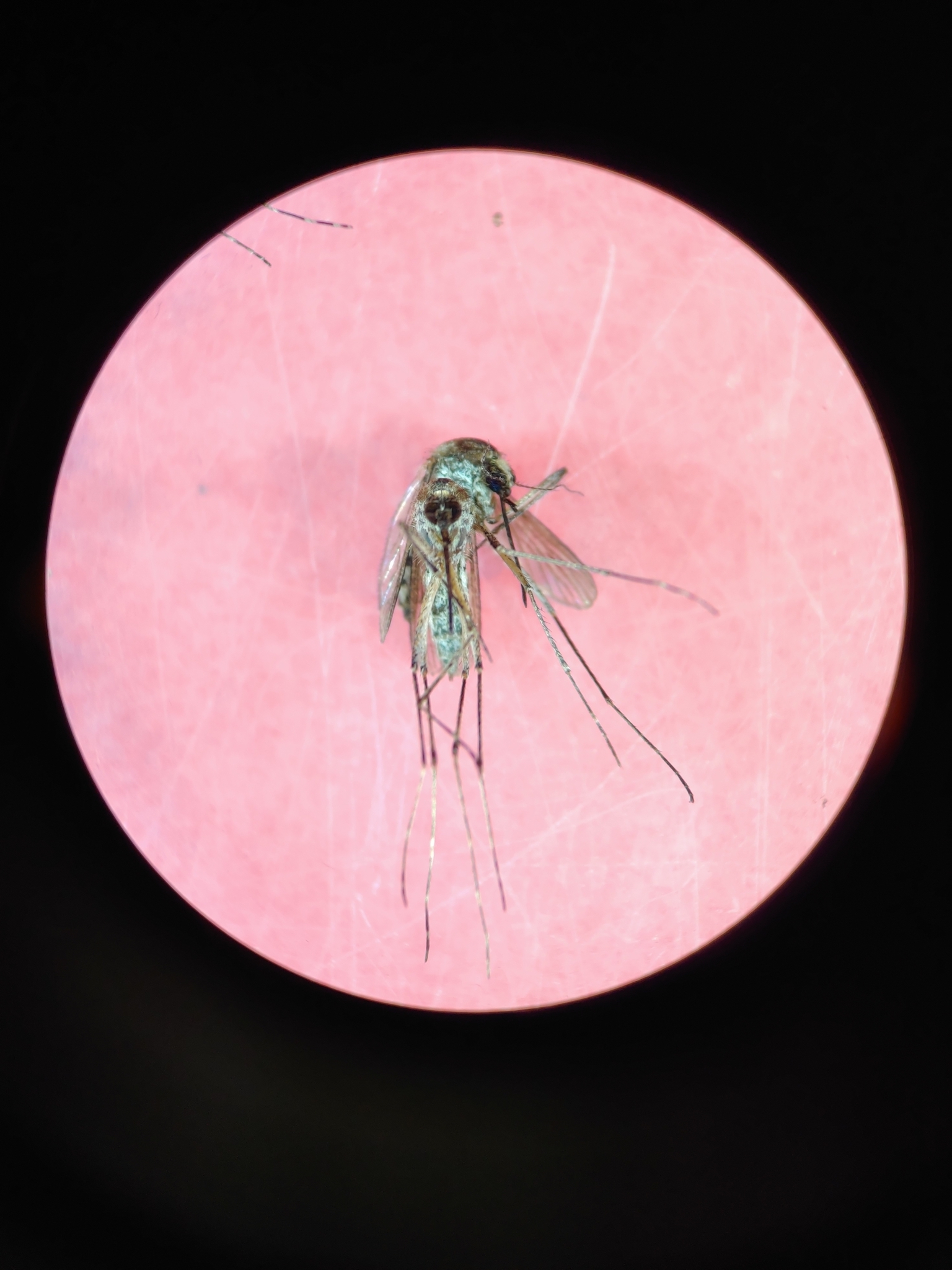
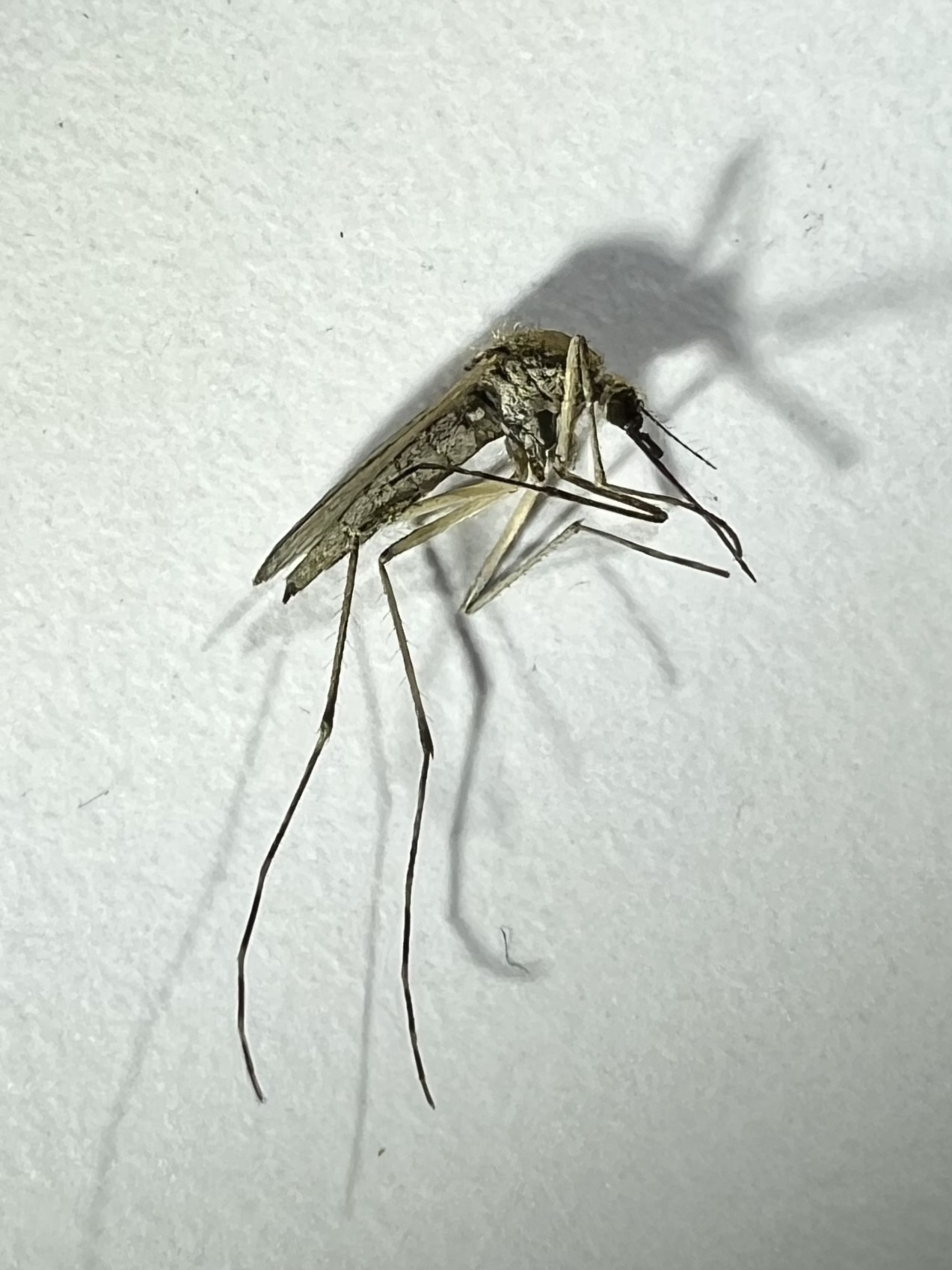
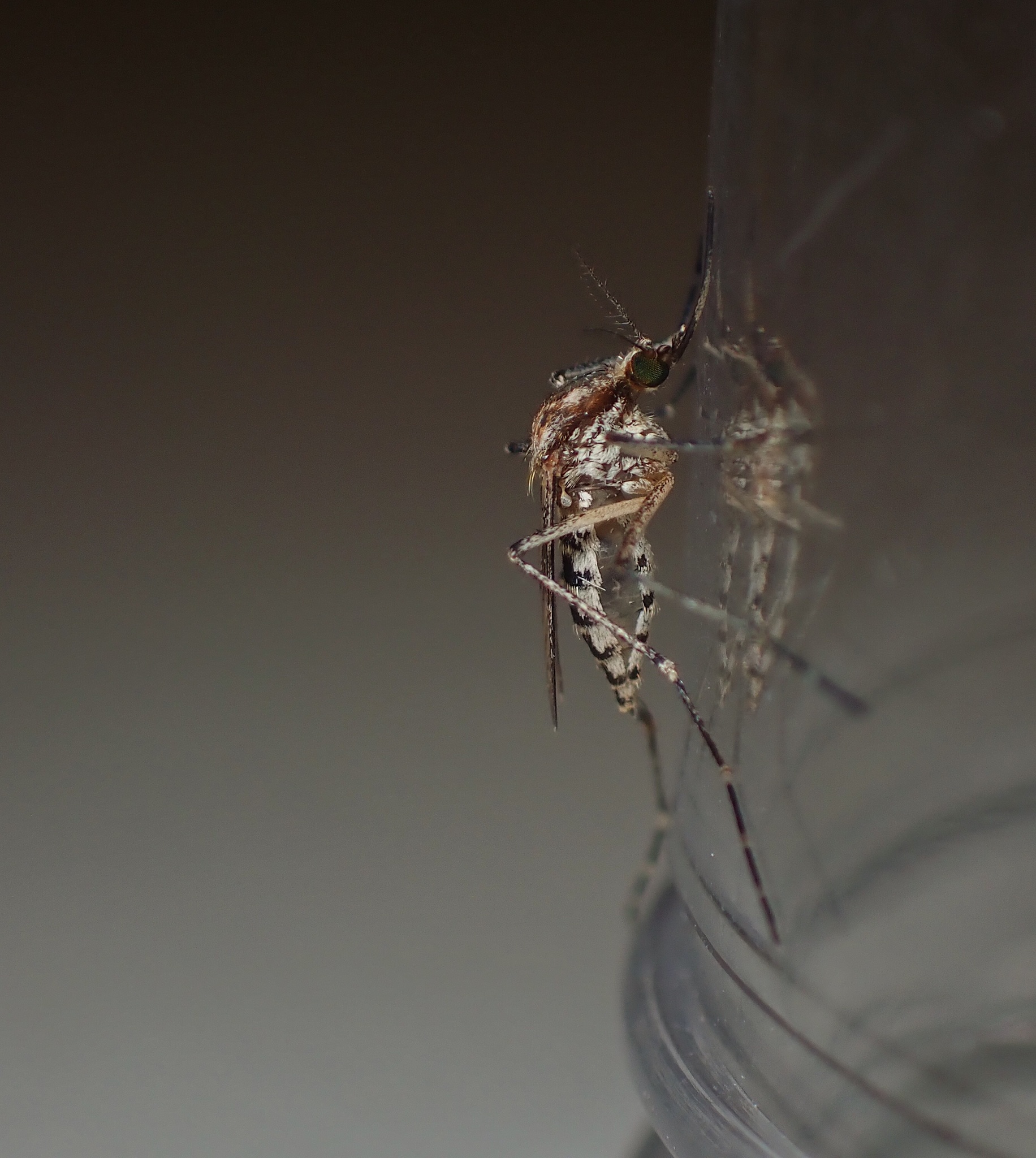
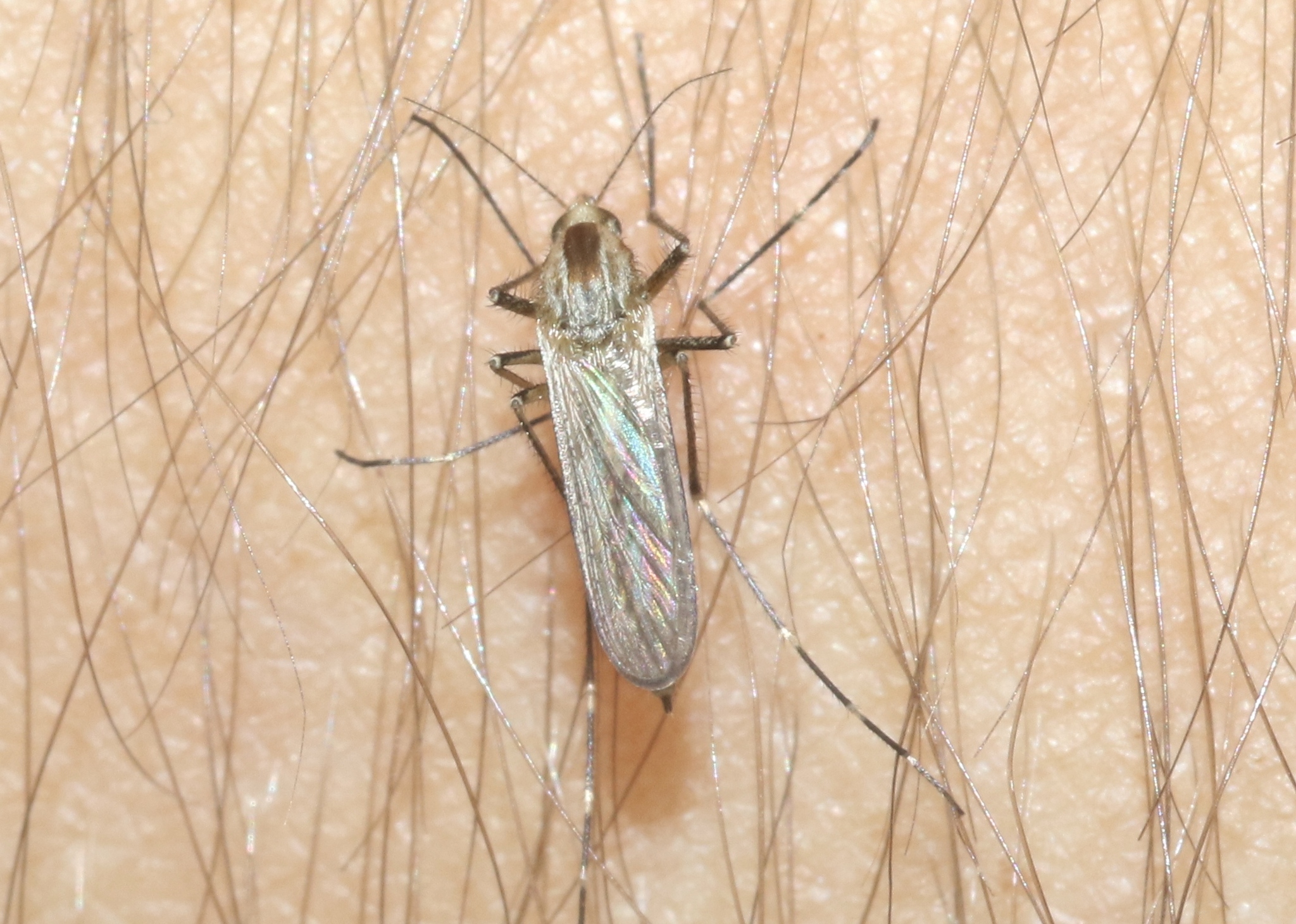
Aedes melanimon exhibits the characteristic morphology of the genus Aedes. Based on observations from the TreeOfLife-200M dataset, the adult mosquito displays a slender, elongated body typical of culicids, with distinct dark and light scaling patterns on the thorax and abdomen.[2] The legs are marked with pale bands, and the wings are narrow with dark venation.[2]
Biology and Vector Competence
Aedes melanimon has been studied for its role in the transmission of various viruses. It is known to be involved in the transmission of Western equine encephalomyelitis virus (WEEV) among small mammals, particularly lagomorphs, in California's Central Valley.[1]
Laboratory studies have evaluated its vector competence for West Nile virus (WNV). While the species is a susceptible host for WNV, with infection rates of 41% to 48% after 14 days of incubation following high-dose exposure, its transmission rates are moderate (19% to 36%).[1] Due to its preference for feeding on mammals rather than birds, it is considered to have limited potential as a primary enzootic or bridge vector for WNV.[1]
Gallery
References
- 1 2 3 4 Laura Goddard; Amy E. Roth; William K. Reisen; Thomas W. Scott. Vector Competence of California Mosquitoes for West Nile virus. Emerging infectious diseases. 2002. https://doi.org/10.3201/eid0812.020536.
- 1 2 3 Dataset view for Animalia / Arthropoda / Insecta / Diptera / Culicidae / Aedes / melanimon constructed from imageomics/TreeOfLife-200M records under this taxonomic path. Hugging Face Datasets. https://huggingface.co/datasets/imageomics/TreeOfLife-200M.