Aedes mcintoshi
Taxonomy
This page represents the following TreeOfLife-200M taxonomic path.[1]
- Kingdom: Animalia
- Phylum: Arthropoda
- Class: Insecta
- Order: Diptera
- Family: Culicidae
- Genus: Aedes
- Species: Aedes mcintoshi
Ecology and Habitat
Aedes mcintoshi is a primary vector of Rift Valley fever virus (RVFV) in Kenya, where it is the only species known to demonstrate the capacity for transovarial transmission of the virus [2].
- Ae. mcintoshi prefers dambo habitats—shallow landscape depressions that flood following heavy rainfall [2].
- Field studies indicate that female emergence occurs approximately 14 days after flooding, with blood feeding occurring around 18 days post-flooding [2].
- Female dispersal is relatively low, approximately 0.15 km, and is not always directed by surface winds [2].
- Approximately 90% of Ae. mcintoshi eggs hatch during the initial flooding of a dambo habitat, with significantly lower hatching rates during subsequent flooding events [2].
Factors Influencing Abundance
Predictive modeling of Ae. mcintoshi abundance has identified several key environmental drivers:
- Wetness Index: There is a strong positive relationship between minimum wetness index values (within 500 m of a site) and mosquito abundance, reflecting the species' reliance on dambo habitats where water pools [2].
- Precipitation: Cumulative precipitation in the 0–14 days prior to sampling has a positive effect on adult abundance, suggesting that short-term rainfall is a critical trigger for emergence [2].
- Temperature: Elevated land surface temperatures (8-day mean composites) approximately 3 weeks (24 days) prior to sampling are positively associated with higher adult abundances [2].
- Soil Composition: Soil clay content influences the probability of structural zeros in abundance models; areas with lower clay content are more likely to have structural zeros, likely because they are less conducive to the formation of standing-water pools [2].
Visual Description
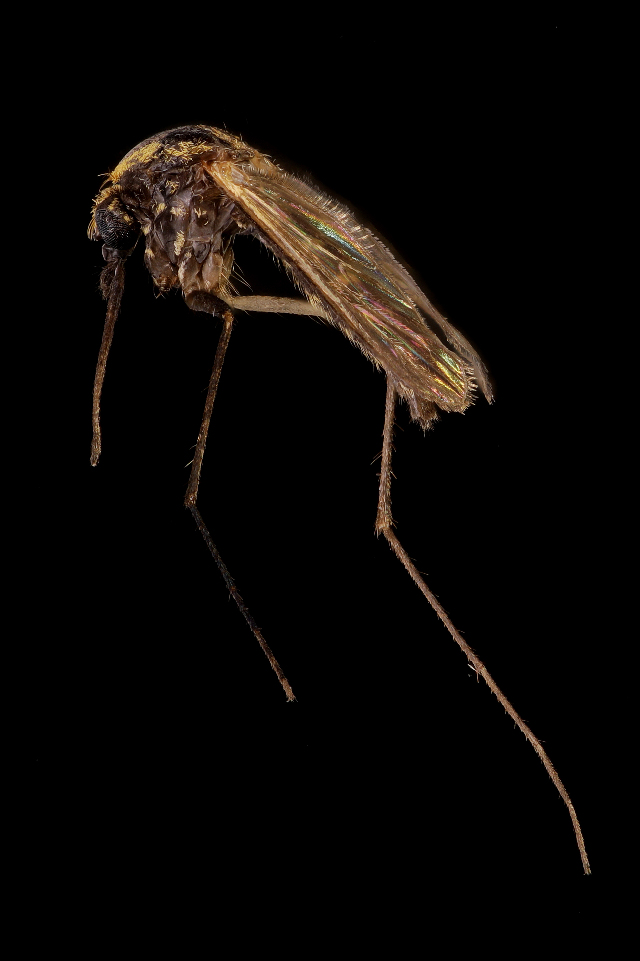
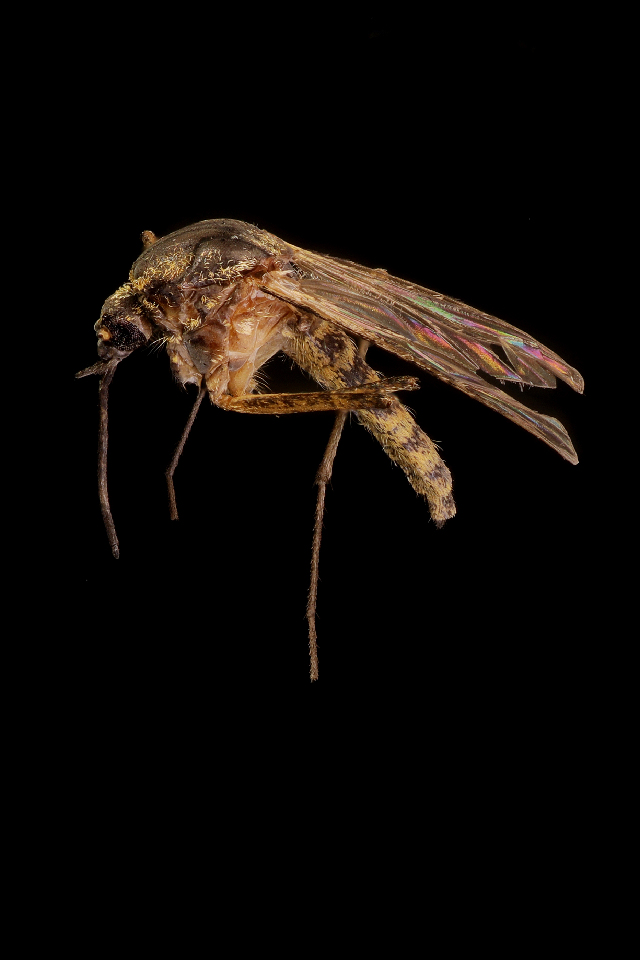
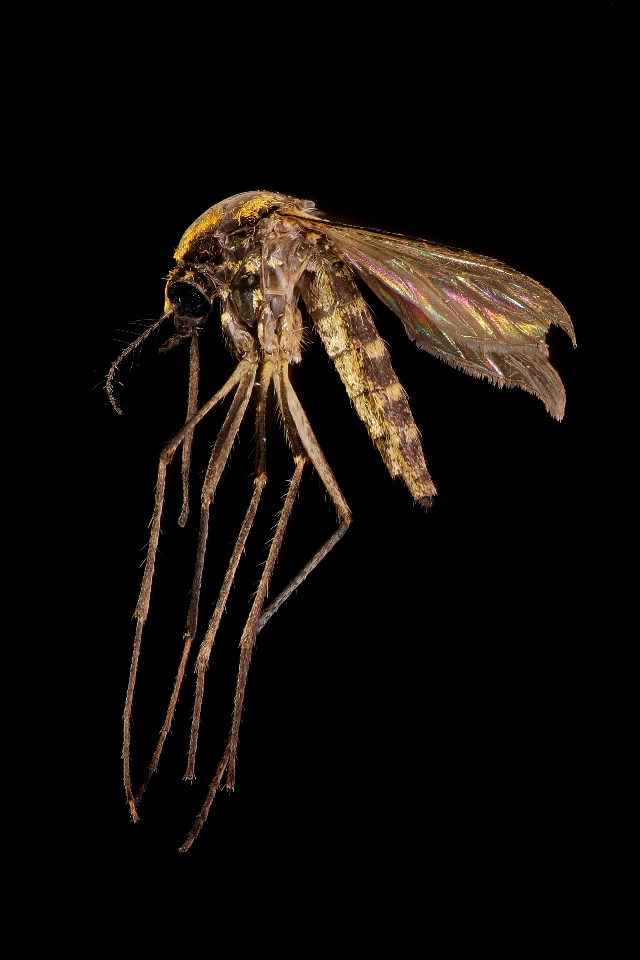
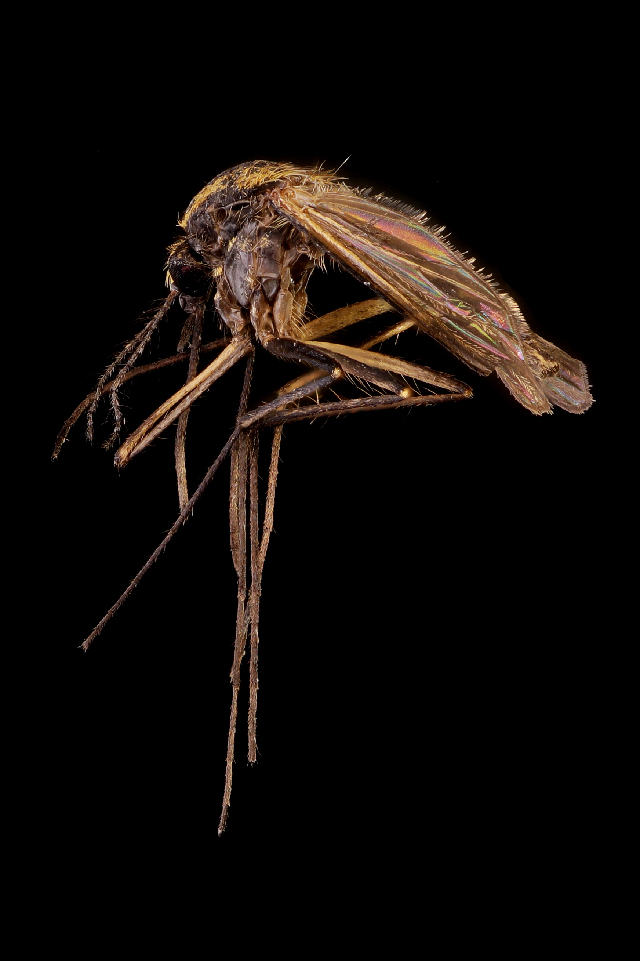
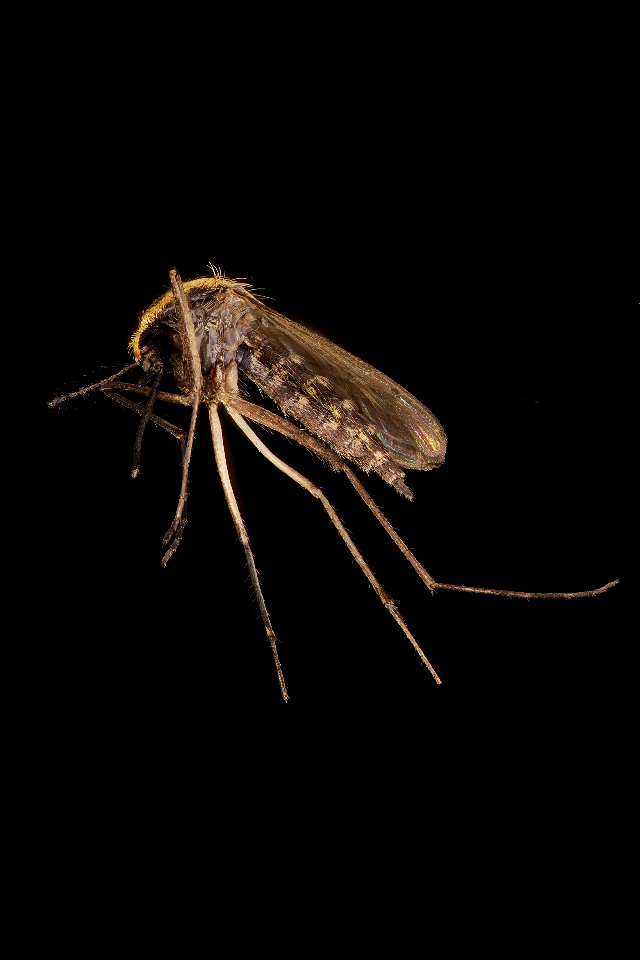
Visual observation of Aedes mcintoshi specimens from the TreeOfLife-200M dataset [1] is limited by the nature of the available museum specimen imagery. The specimens exhibit the characteristic dipteran body plan, including a distinct head, thorax, and abdomen, with slender, elongated legs and wings typical of the family Culicidae. Due to the resolution and presentation of the available images, finer diagnostic morphological traits, such as specific scale patterns on the scutum or abdominal tergites, cannot be reliably resolved.
Gallery
References
- 1 2 Dataset view for Animalia / Arthropoda / Insecta / Diptera / Culicidae / Aedes / mcintoshi constructed from imageomics/TreeOfLife-200M records under this taxonomic path. Hugging Face Datasets. https://huggingface.co/datasets/imageomics/TreeOfLife-200M.
- 1 2 3 4 5 6 7 8 9 Lindsay P. Campbell; Daniel C. Reuman; Joel Lutomiah; A. Townsend Peterson; Kenneth J. Linthicum; Seth C. Britch; Assaf Anyamba; Rosemary Sang. Predicting Abundances of Aedes mcintoshi, a primary Rift Valley fever virus mosquito vector. PLoS ONE. 2019. https://doi.org/10.1371/journal.pone.0226617.