Aedes koreicus
Taxonomy
This page represents the following TreeOfLife-200M taxonomic path.[1]
- Kingdom: Animalia
- Phylum: Arthropoda
- Class: Insecta
- Order: Diptera
- Family: Culicidae
- Genus: Aedes
- Species: Aedes koreicus
Visual Description
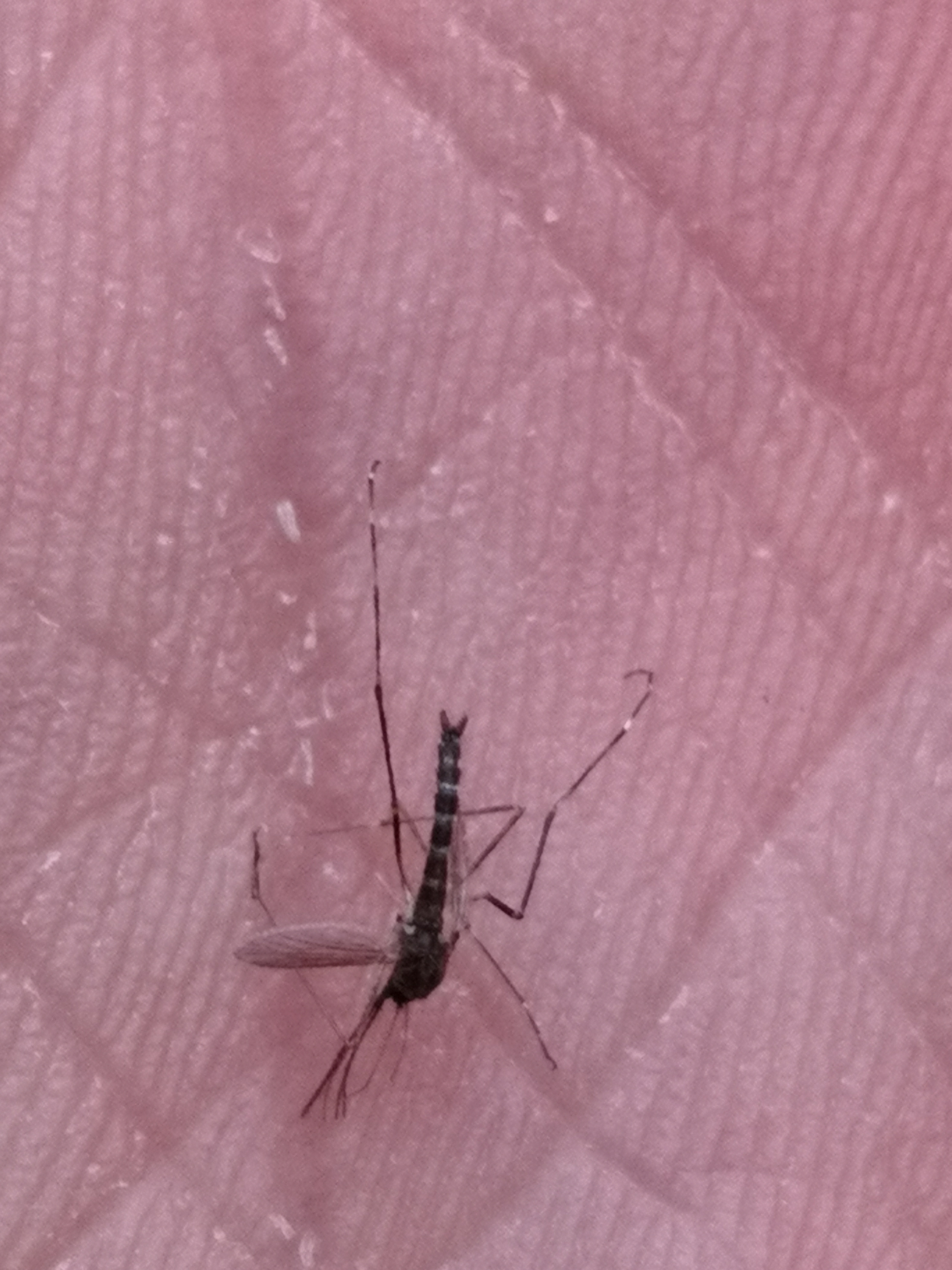
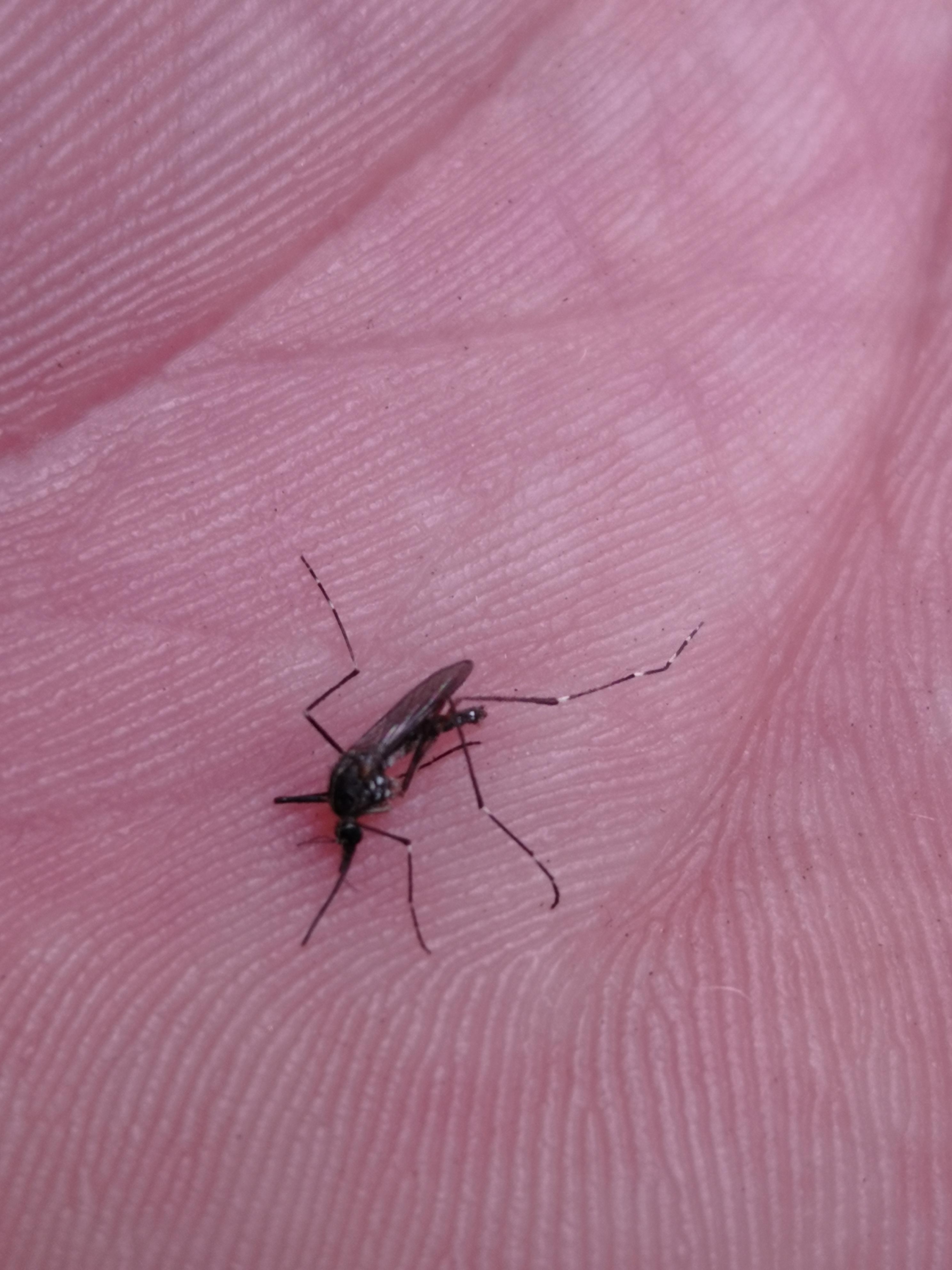
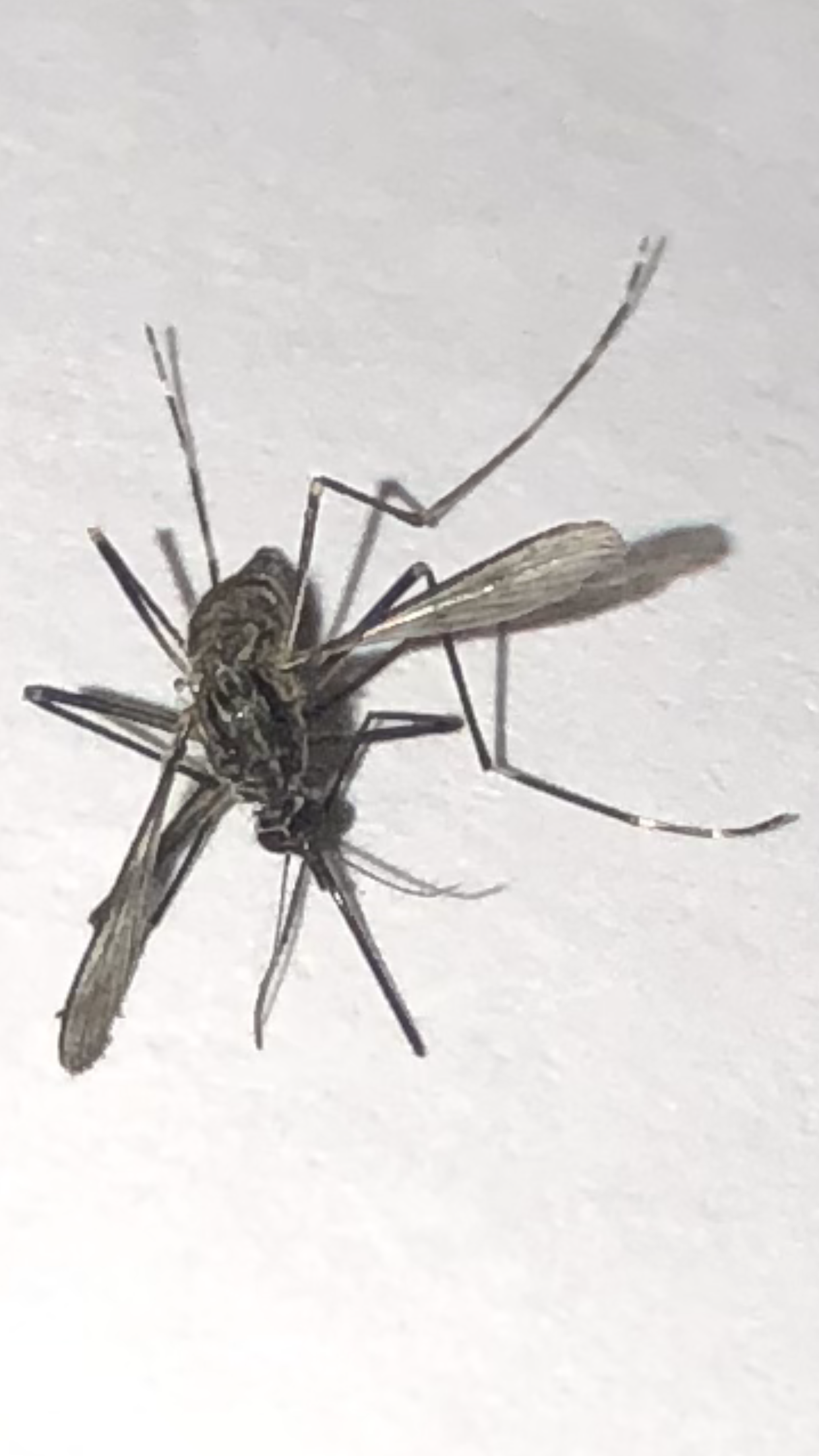
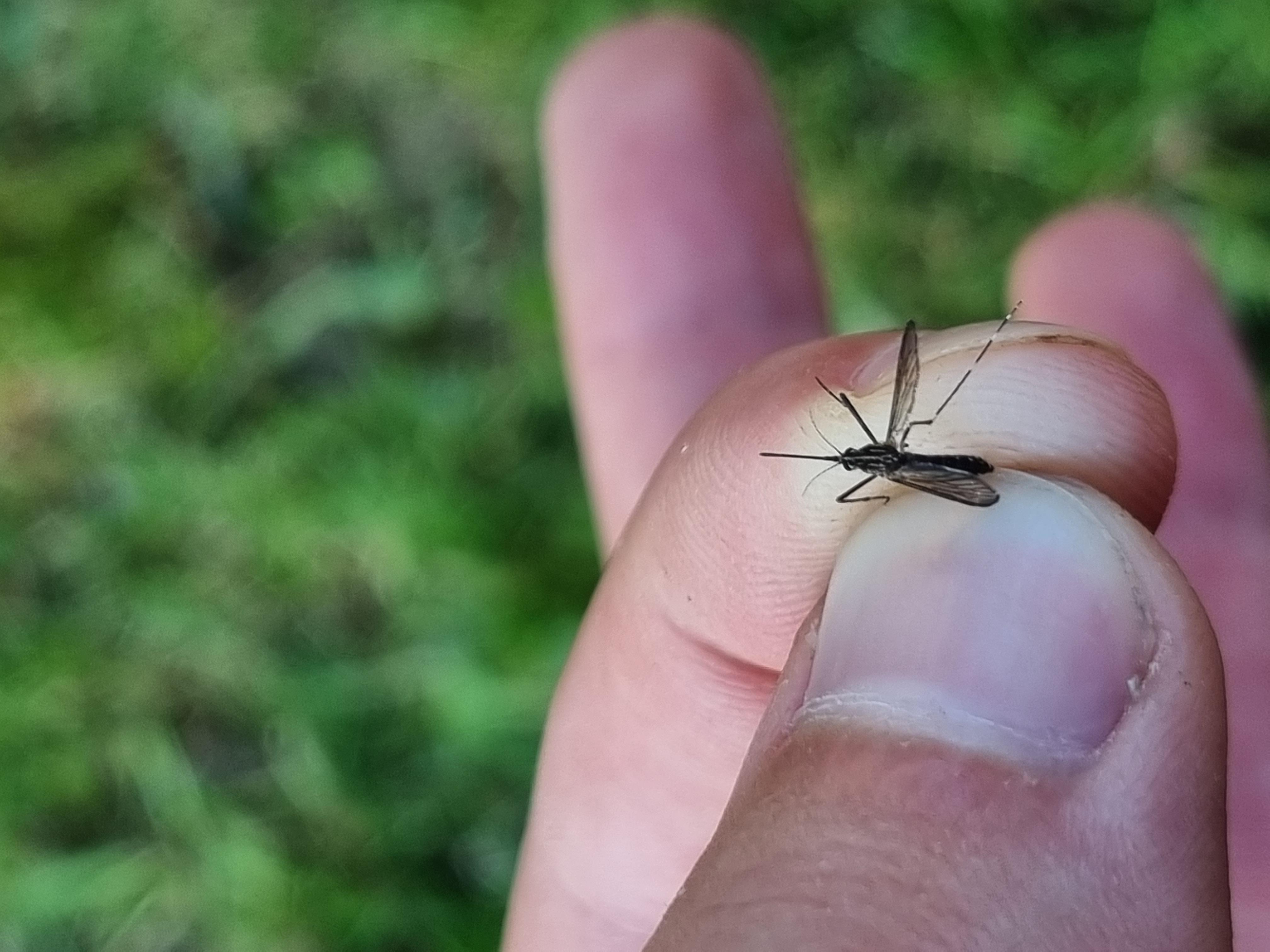
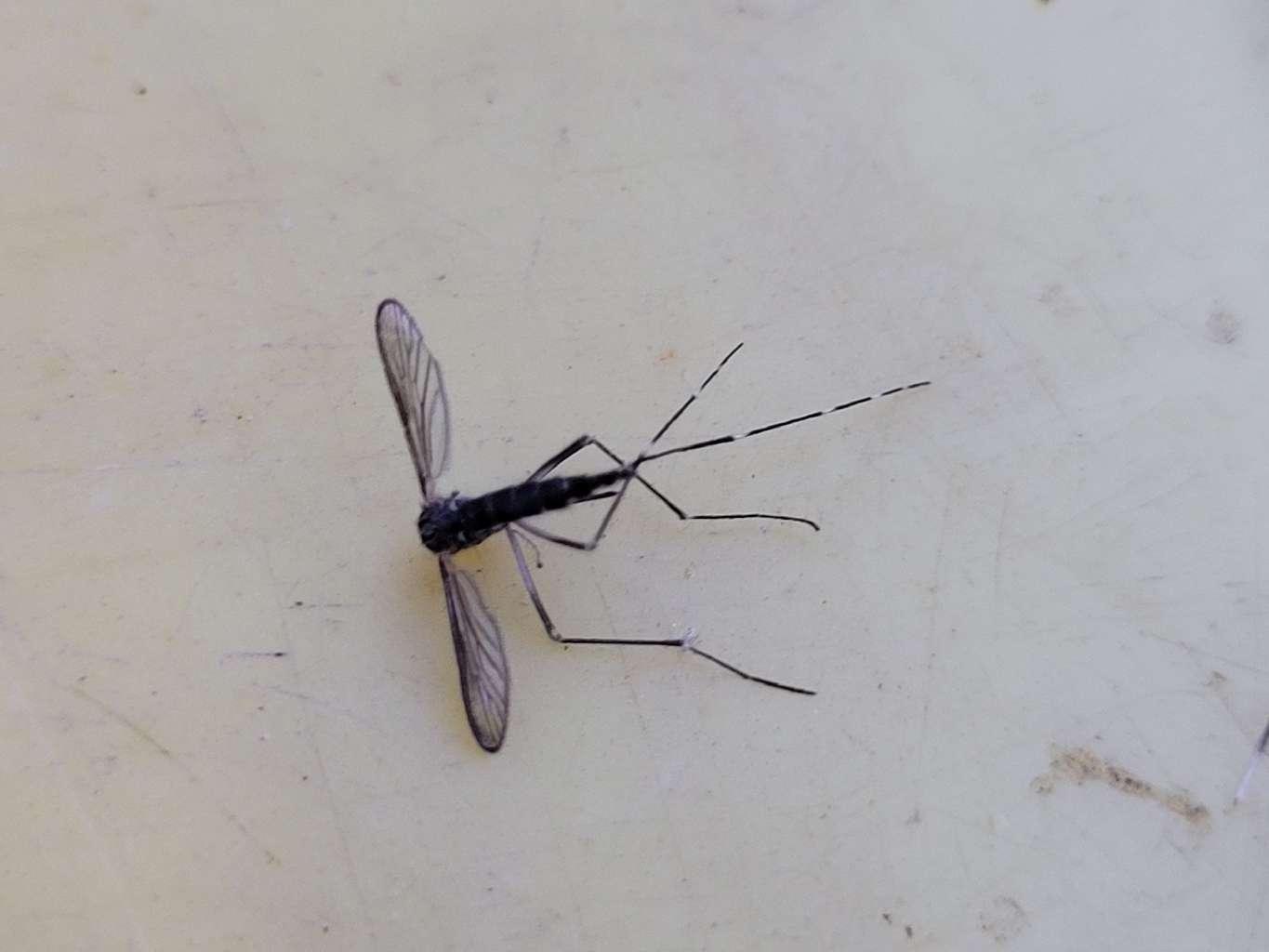
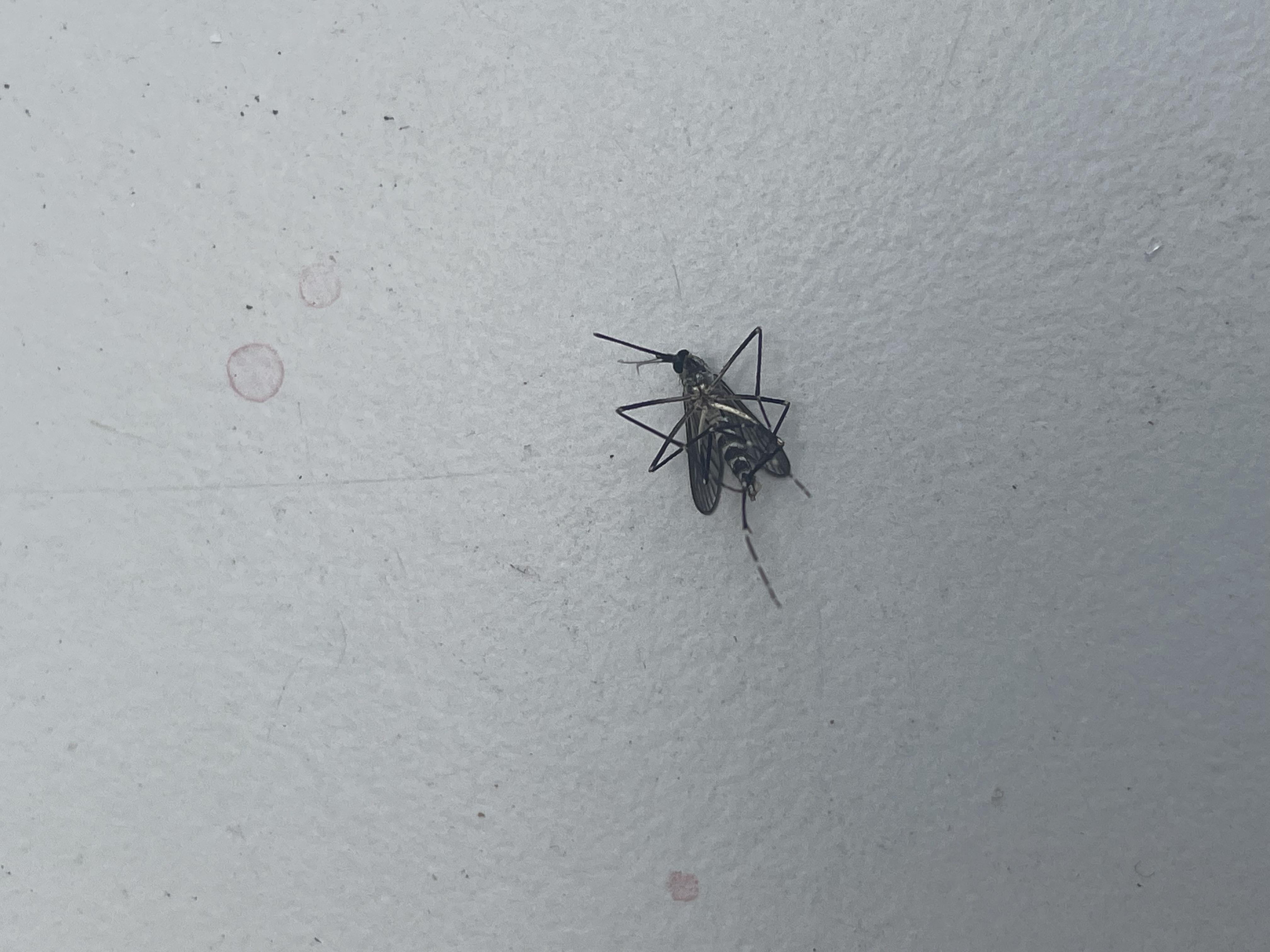
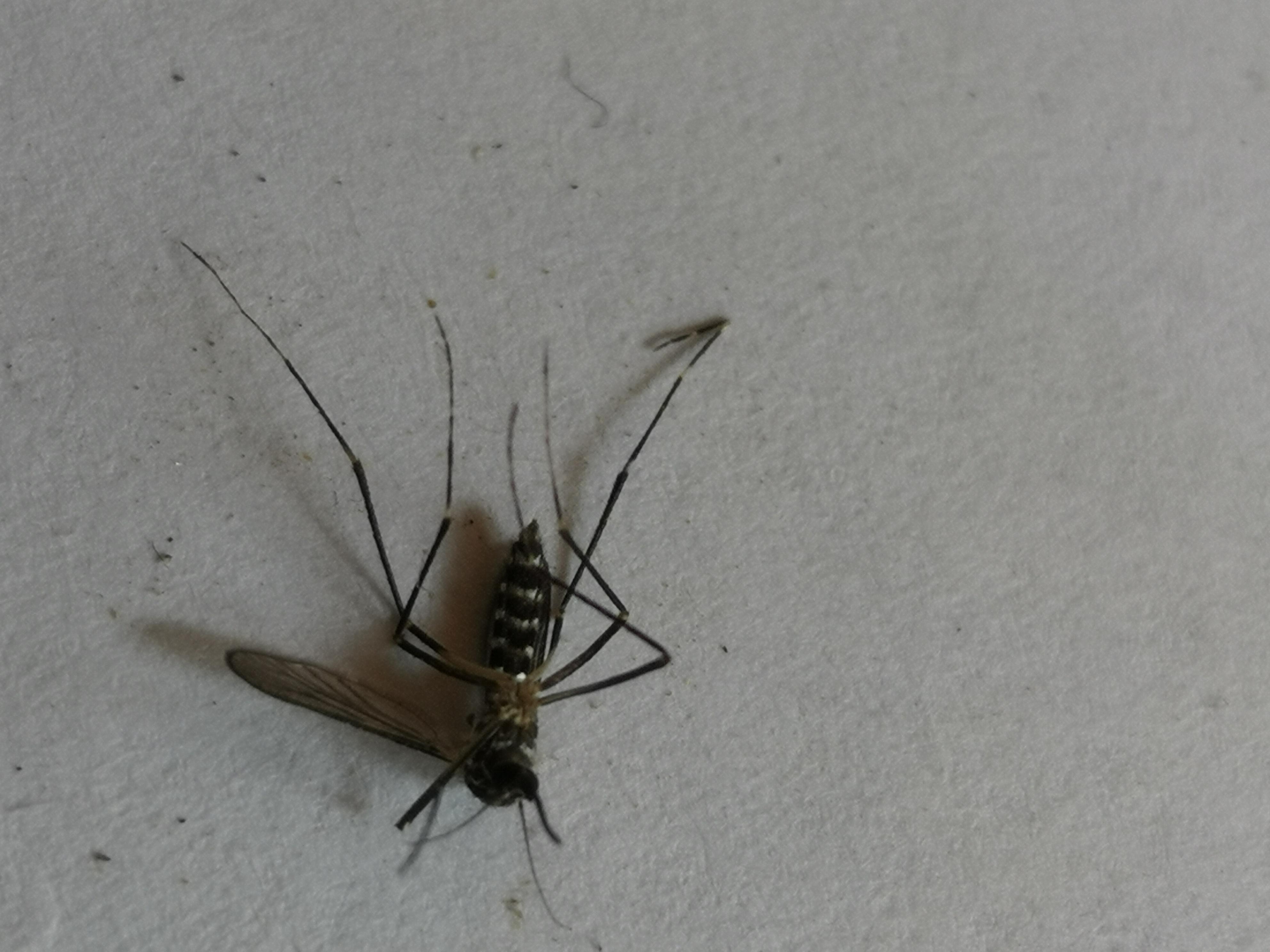
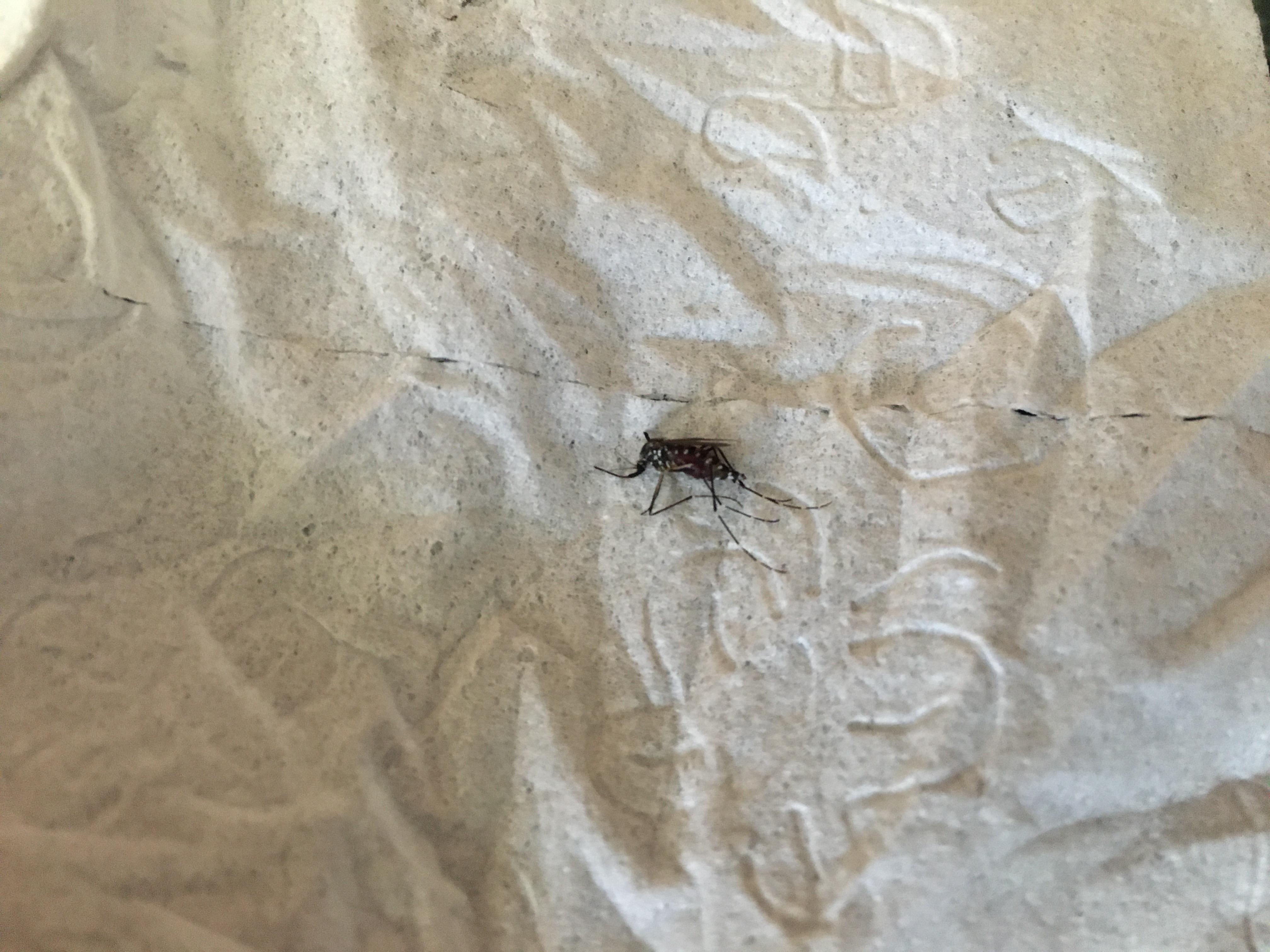
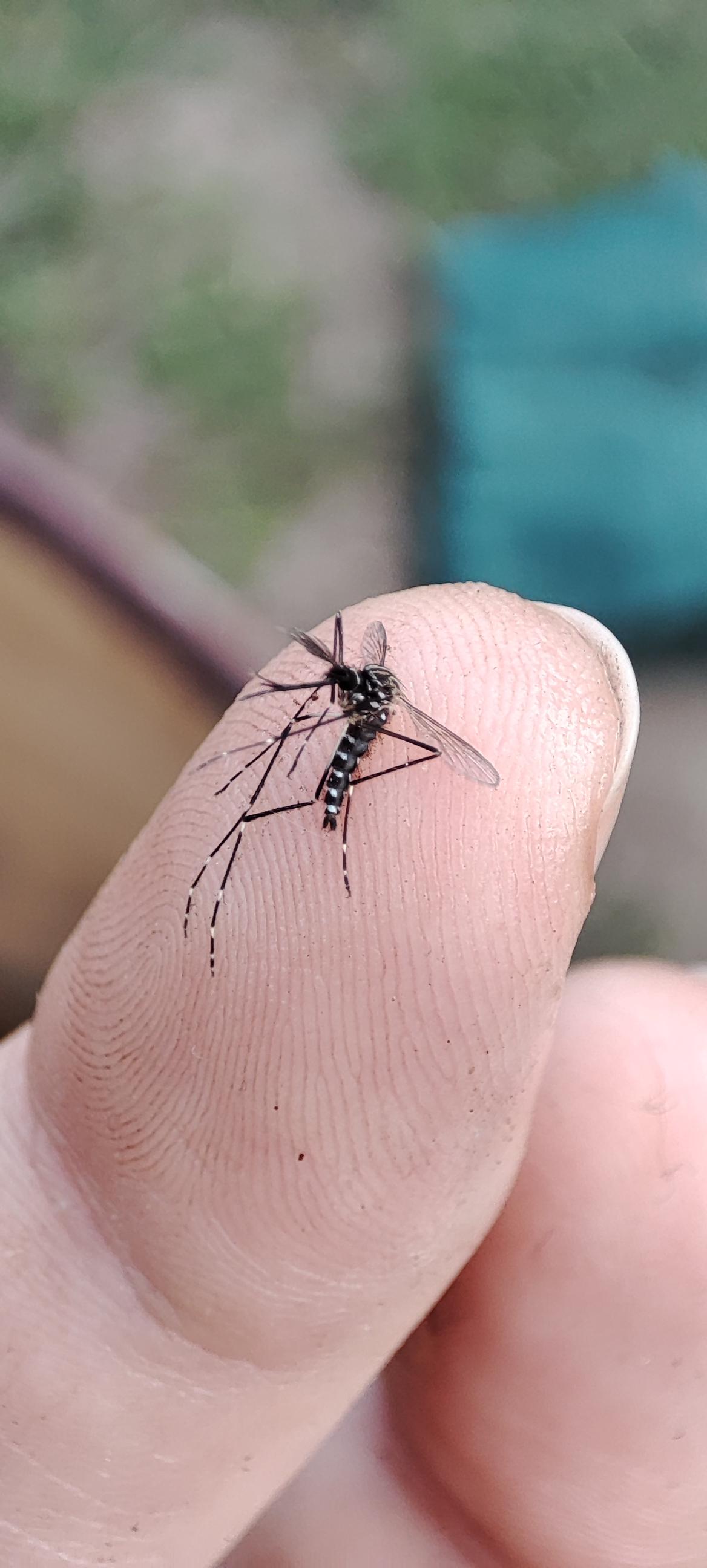
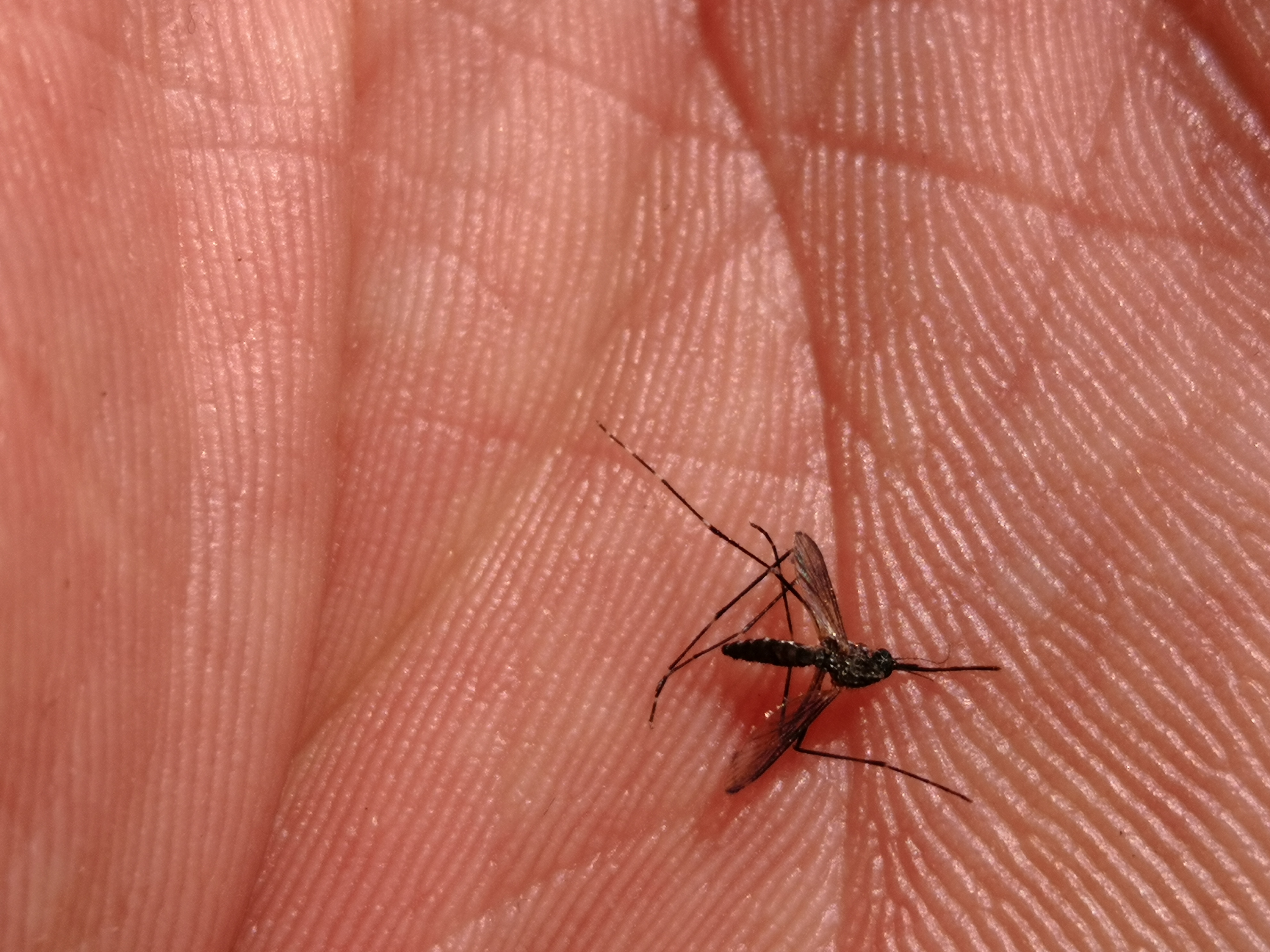
Aedes koreicus is a mosquito species characterized by distinct morphological features. Observations from the TreeOfLife-200M dataset indicate that adult specimens typically exhibit a dark body coloration with white or pale-colored banding on the legs and abdomen.[1] The thorax often displays a characteristic pattern of light-colored scales, which can be useful for identification.[1]
Biology and Ecology
Aedes koreicus (Edwards, 1917), commonly known as the Korean bush mosquito, is an invasive species native to Southeast Asia, including Korea, Japan, China, and Eastern Russia.[2] It has been introduced to several European regions, including Belgium, north-eastern Italy, European Russia, and the Swiss-Italian border region.[3]
In its native range, the species typically breeds in rock pools and tree holes, but it has adapted to utilize artificial containers in urban environments.[3] Host-seeking females feed on both humans and domestic animals during the day and at night.[3] The species produces cold-resistant, dormant eggs at the end of the season, which facilitates its potential for range expansion in temperate climates.[3]
Public Health Significance
Aedes koreicus is considered a potential vector for the Japanese encephalitis virus and the dog heartworm Dirofilaria immitis.[3] Its establishment in new regions poses risks to both public and veterinary health, though its full vector competence requires further investigation.[3]
Gallery
References
- 1 2 3 Dataset view for Animalia / Arthropoda / Insecta / Diptera / Culicidae / Aedes / koreicus constructed from imageomics/TreeOfLife-200M records under this taxonomic path. Hugging Face Datasets. https://huggingface.co/datasets/imageomics/TreeOfLife-200M.
- ↑ Aedes koreicus (Edwards, 1917). GBIF. https://www.gbif.org/species/1652150. Accessed 2026-07-15.
- 1 2 3 4 5 6 Tobias Suter; Eleonora Flacio; Begoña Feijoó Fariña; Lukas Engeler; Mauro Tonolla; Pie Müller. First report of the invasive mosquito species Aedes koreicus in the Swiss-Italian border region. Parasites & Vectors. 2015. https://doi.org/10.1186/s13071-015-1010-3.