Aedes infirmatus
Taxonomy
This page represents the following TreeOfLife-200M taxonomic path.[1]
- Kingdom: Animalia
- Phylum: Arthropoda
- Class: Insecta
- Order: Diptera
- Family: Culicidae
- Genus: Aedes
- Species: Aedes infirmatus
Visual Description
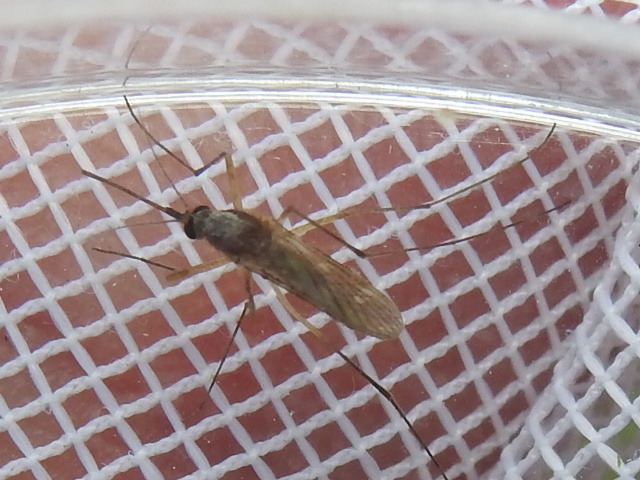
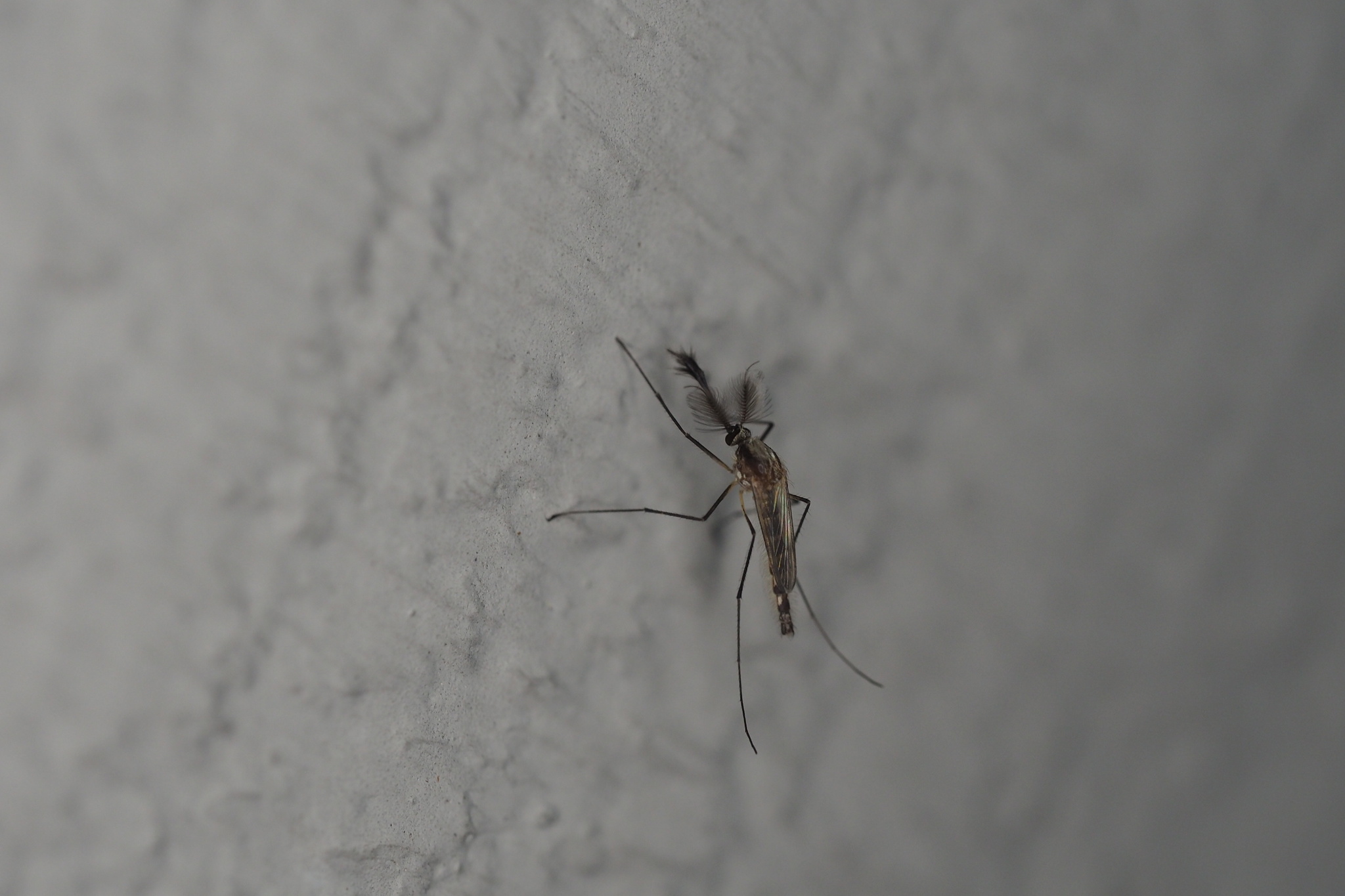
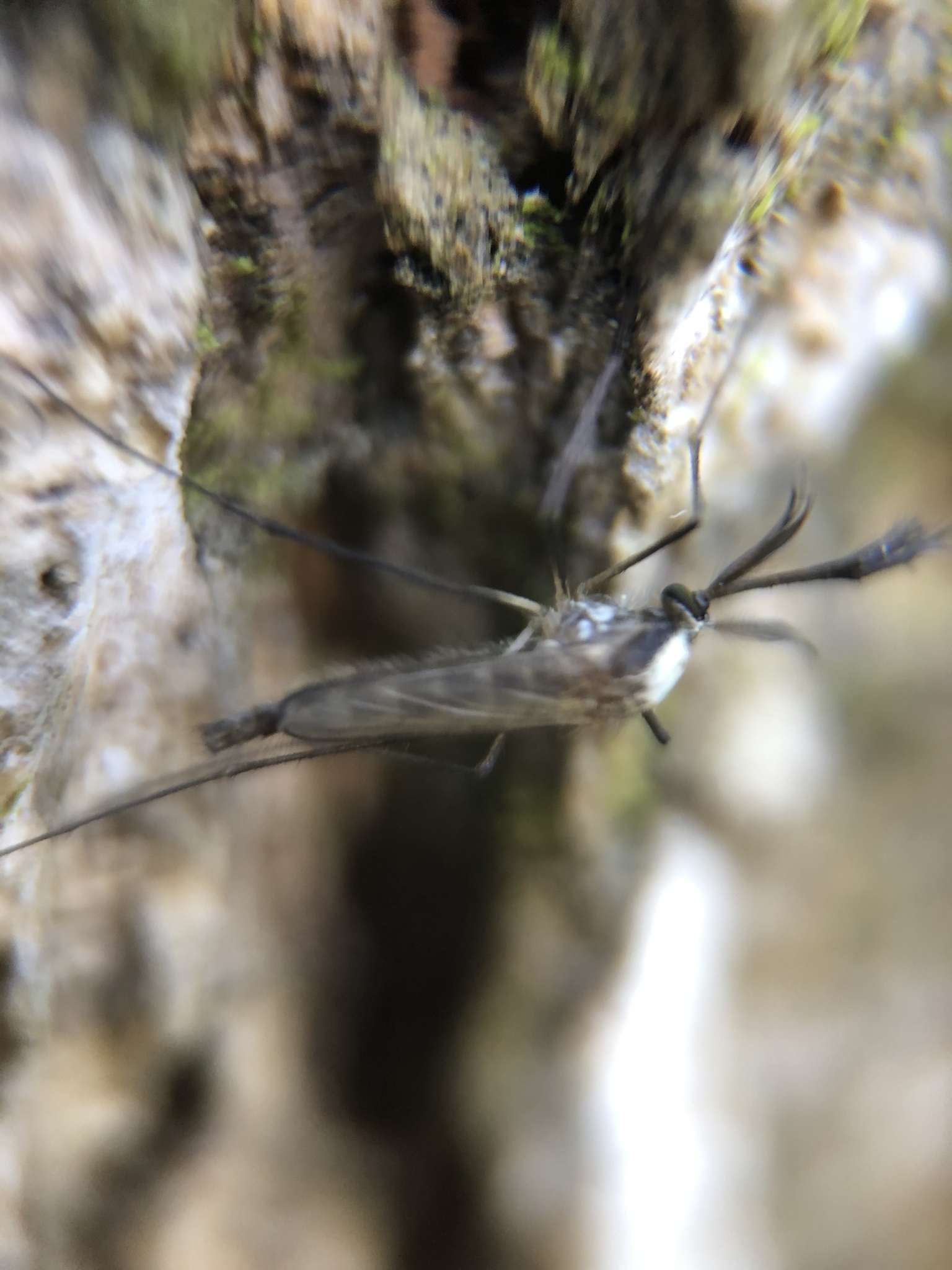
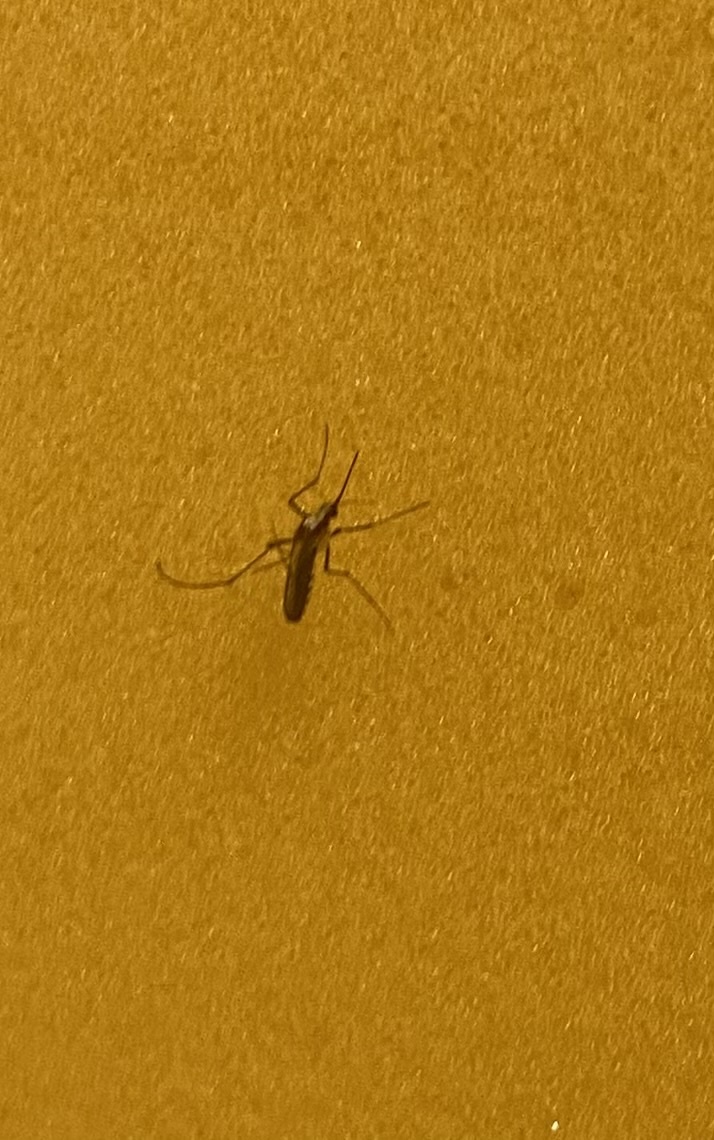
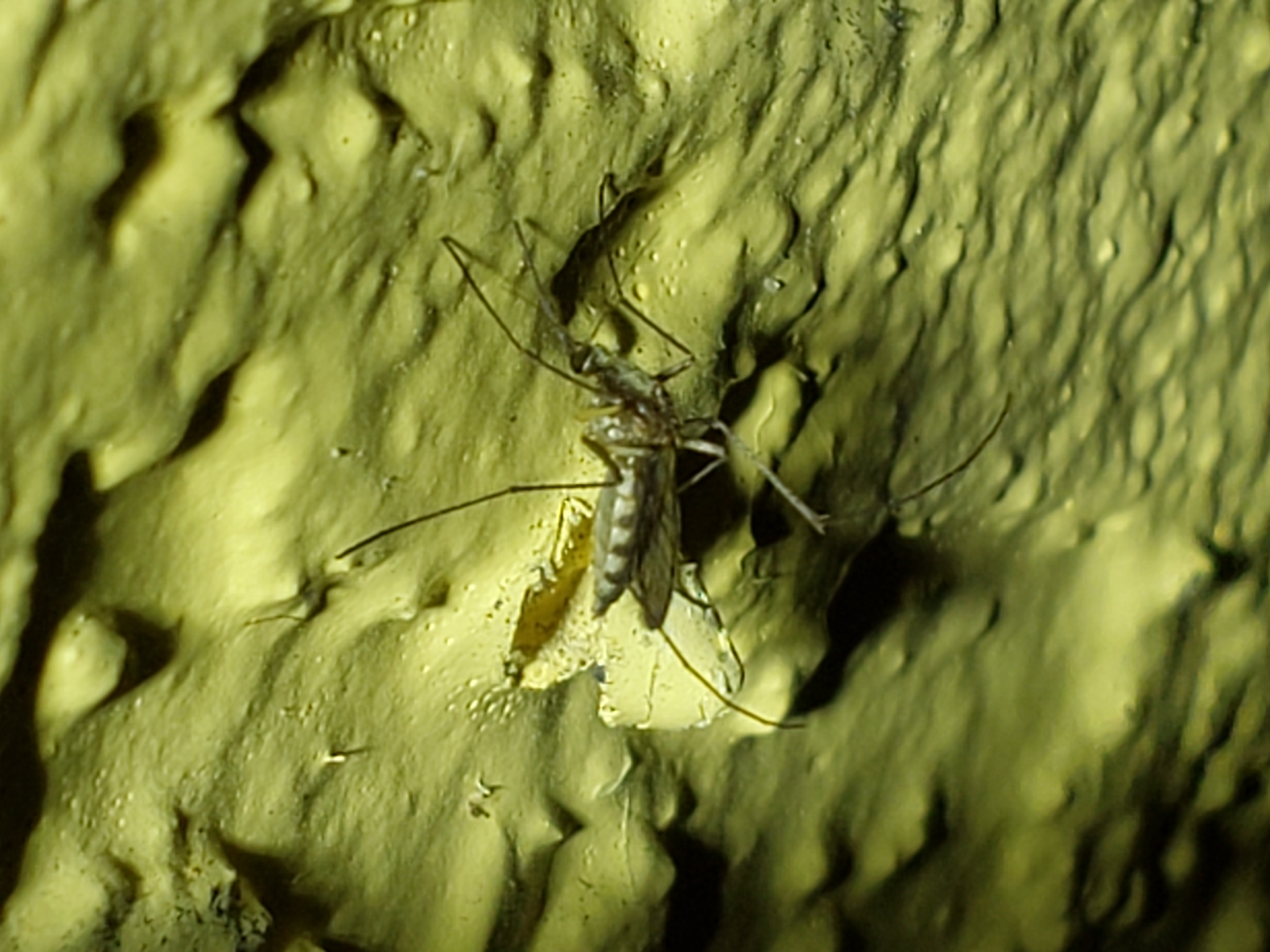
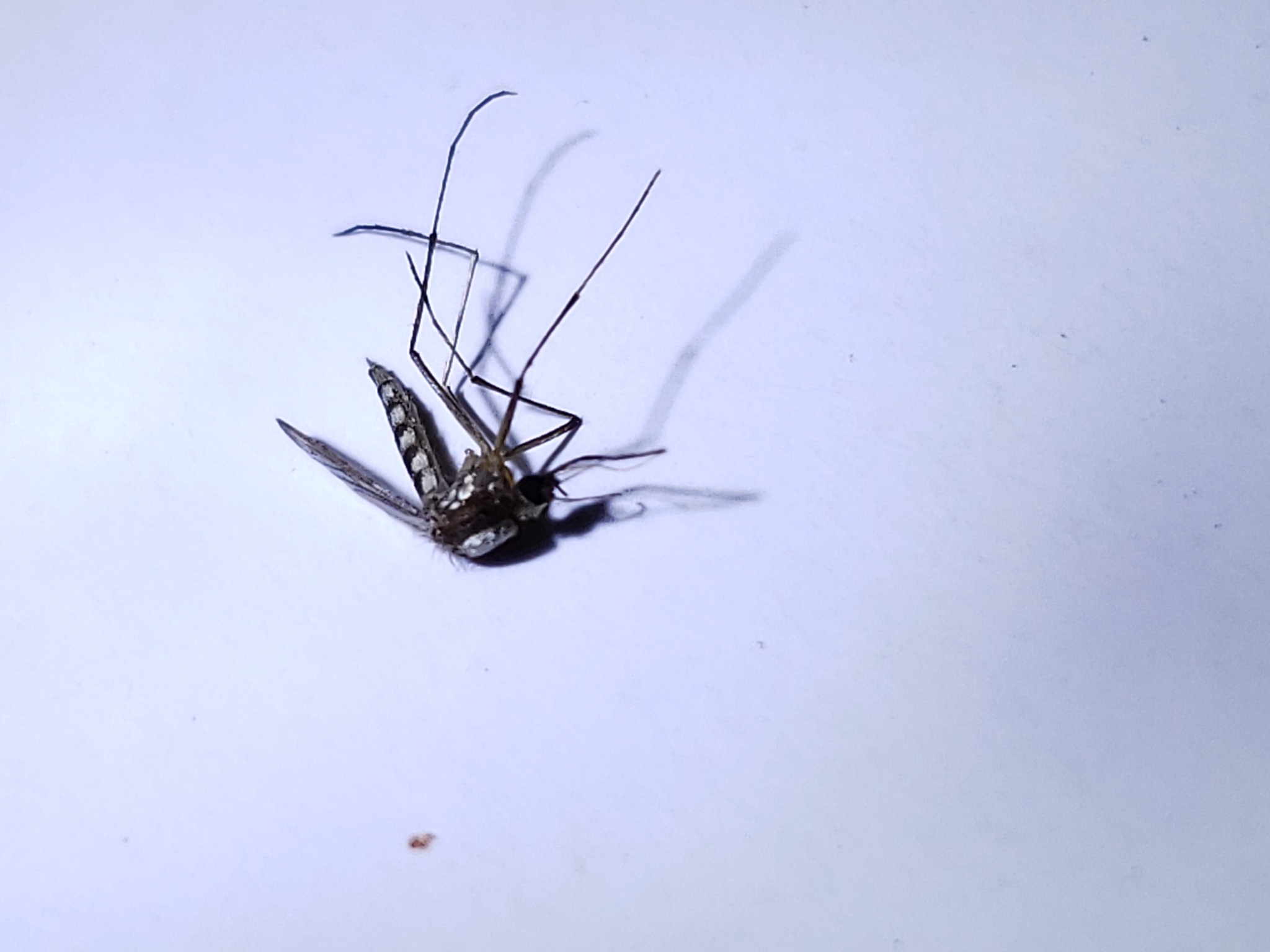
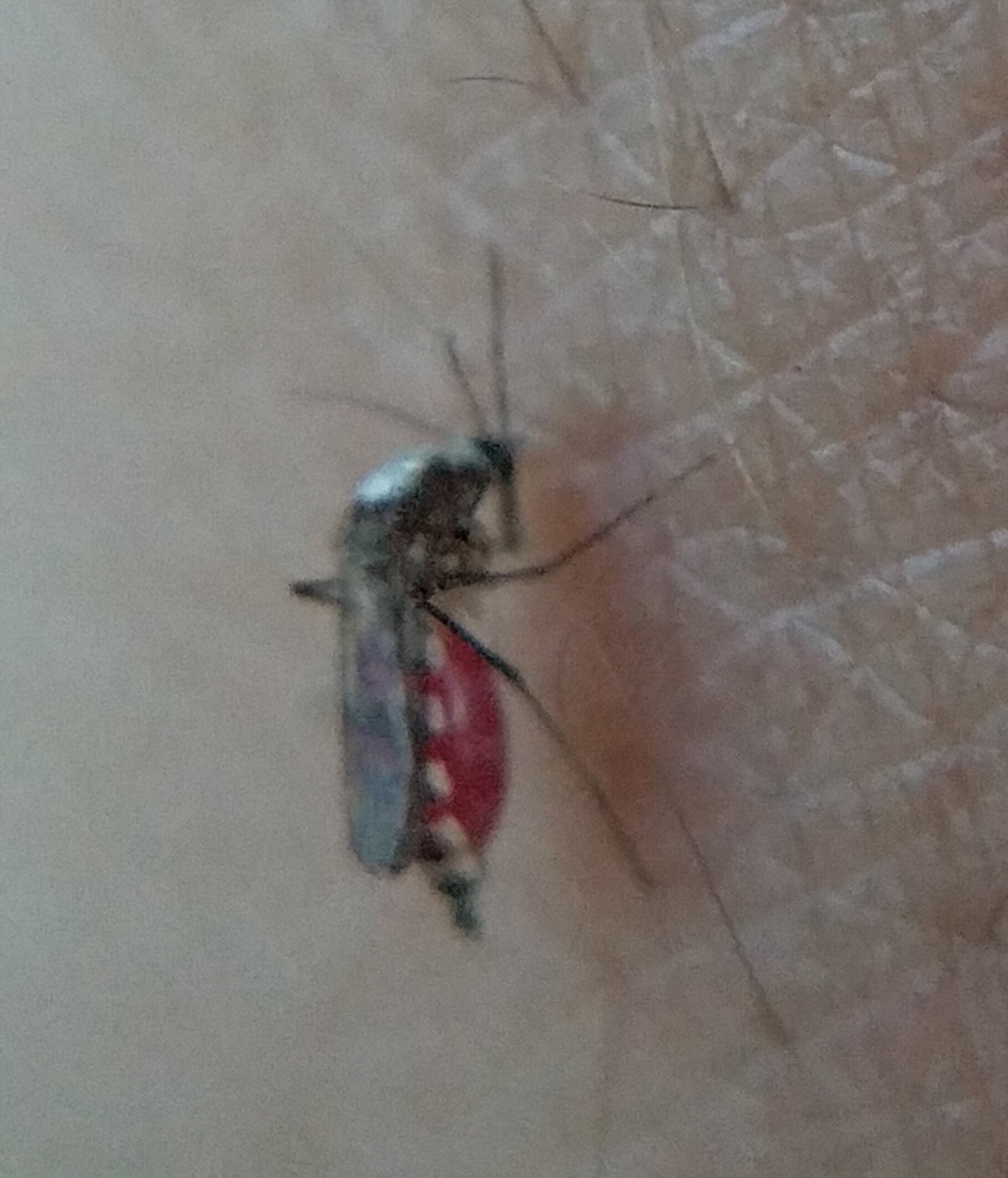
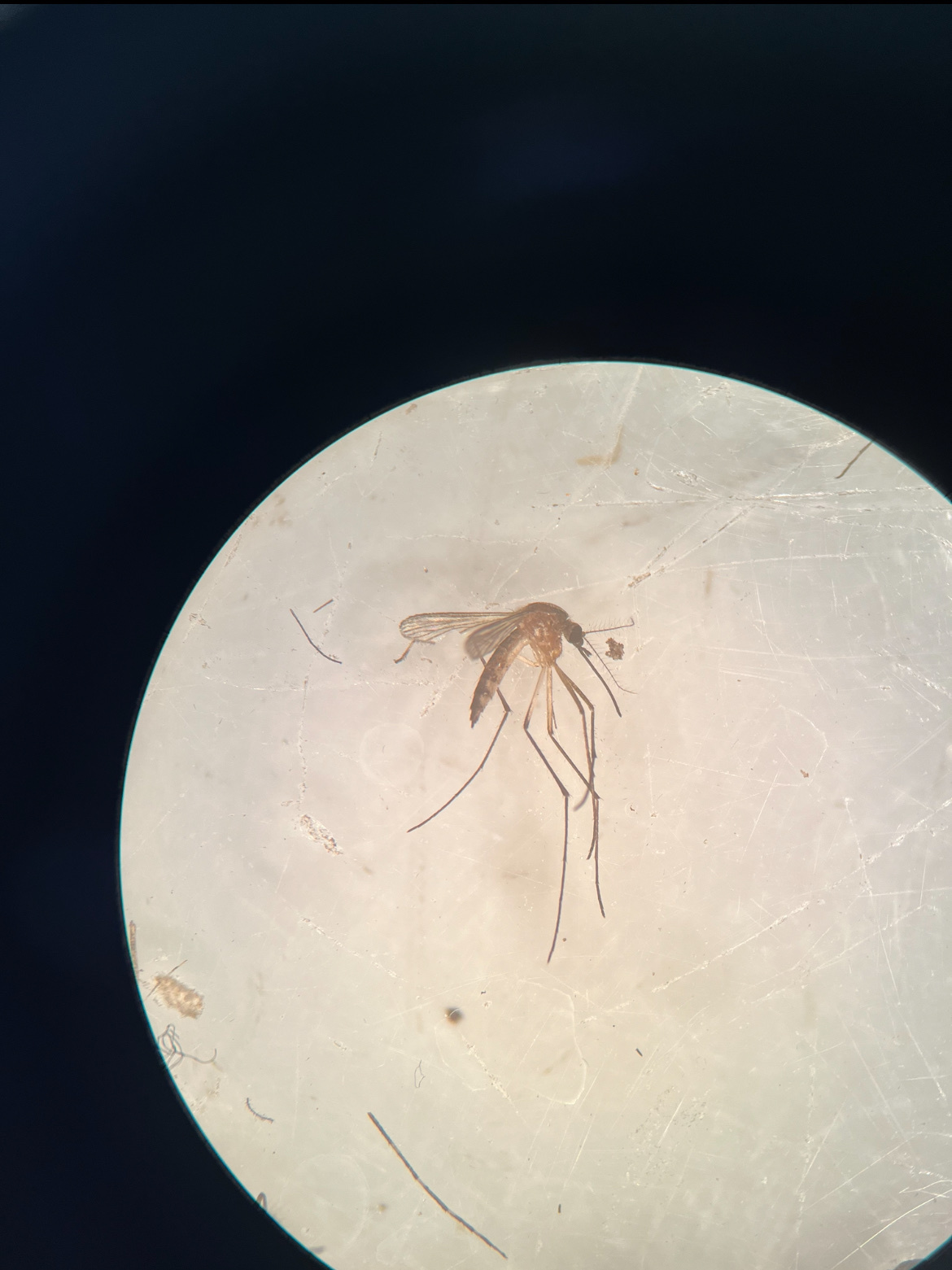
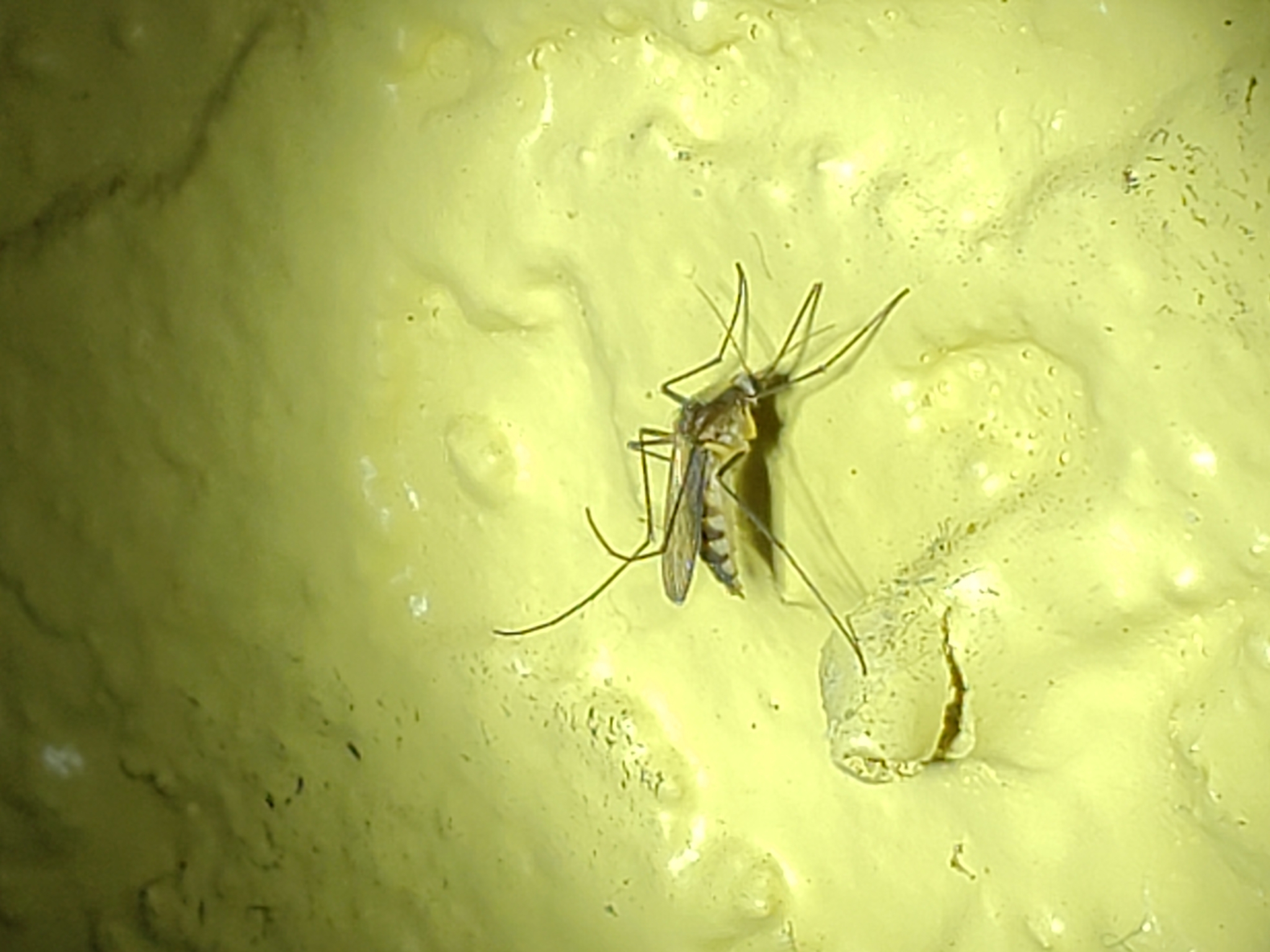
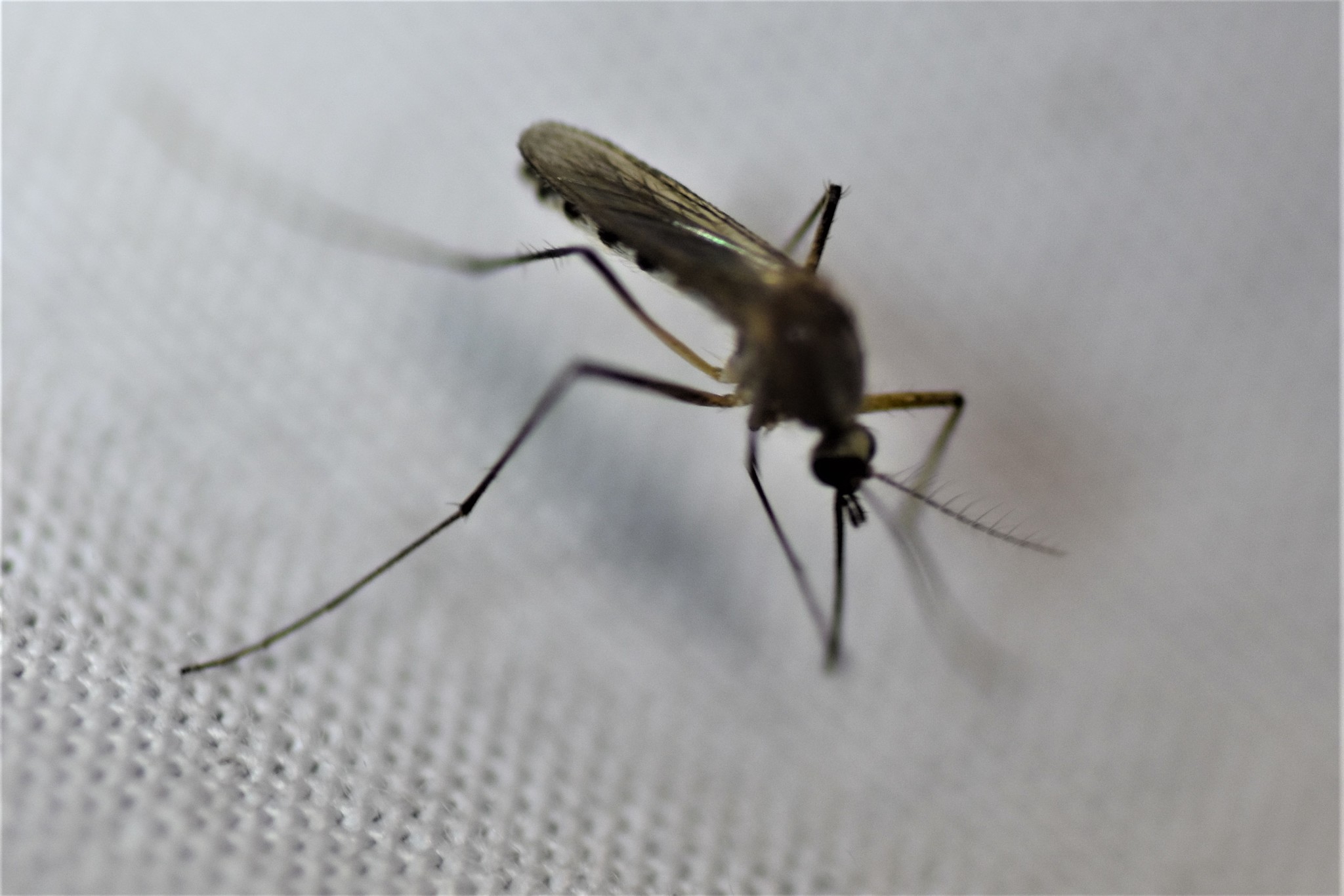
Aedes infirmatus is a mosquito species. Observations from the TreeOfLife-200M dataset show that adult specimens typically exhibit a dark, mottled appearance on the thorax and abdomen. The thorax often features a distinct, broad, pale-colored longitudinal stripe or patch, which is a characteristic trait for identification. The legs are generally dark with pale banding at the joints.[1]
Ecology and Population Dynamics
Aedes infirmatus is a floodwater mosquito species that serves as a nuisance pest and is a potential vector for arboviruses, including Keystone virus (KEYV) and eastern equine encephalitis virus (EEEV).[2]
Populations in St. Johns County, Florida, exhibit significant variation in abundance across surveillance seasons. While Ae. infirmatus and Ae. atlanticus share a spatiotemporal relationship and are influenced by similar environmental factors, their temporal emergence patterns differ; Ae. infirmatus typically reaches peak abundance between June and August, often emerging earlier in the season than Ae. atlanticus.[2]
Total seasonal precipitation is significantly associated with county-wide seasonal abundance of Ae. infirmatus. At the level of individual trap sites, abundance shows a positive correlation with the proportion of surrounding upland forest and negative correlations with the proportions of water and agricultural land cover within a 1.4 km buffer zone.[2]
Surveillance
Historical surveillance data indicates that Ae. infirmatus populations are spatially heterogeneous. Mapping techniques, such as inverse distance weighted (IDW) interpolation, have been used to identify historical population hotspots to help guide mosquito control efforts, such as adulticide fogging missions.[2]
Gallery
References
- 1 2 Dataset view for Animalia / Arthropoda / Insecta / Diptera / Culicidae / Aedes / infirmatus constructed from imageomics/TreeOfLife-200M records under this taxonomic path. Hugging Face Datasets. https://huggingface.co/datasets/imageomics/TreeOfLife-200M.
- 1 2 3 4 Madeline R. Steck. RELATIONSHIP OF PRECIPITATION AND HABITAT TO THE SPATIAL AND TEMPORAL ABUNDANCE OF AEDES ATLANTICUS AND AEDES INFIRMATUS IN ST. JOHNS COUNTY, FLORIDA. Journal of the Florida Mosquito Control Association. 2021. https://doi.org/10.32473/jfmca.v68i1.129095.