Aedes impiger
Taxonomy
This page represents the following TreeOfLife-200M taxonomic path.[1]
- Kingdom: Animalia
- Phylum: Arthropoda
- Class: Insecta
- Order: Diptera
- Family: Culicidae
- Genus: Aedes
- Species: Aedes impiger
Visual Description
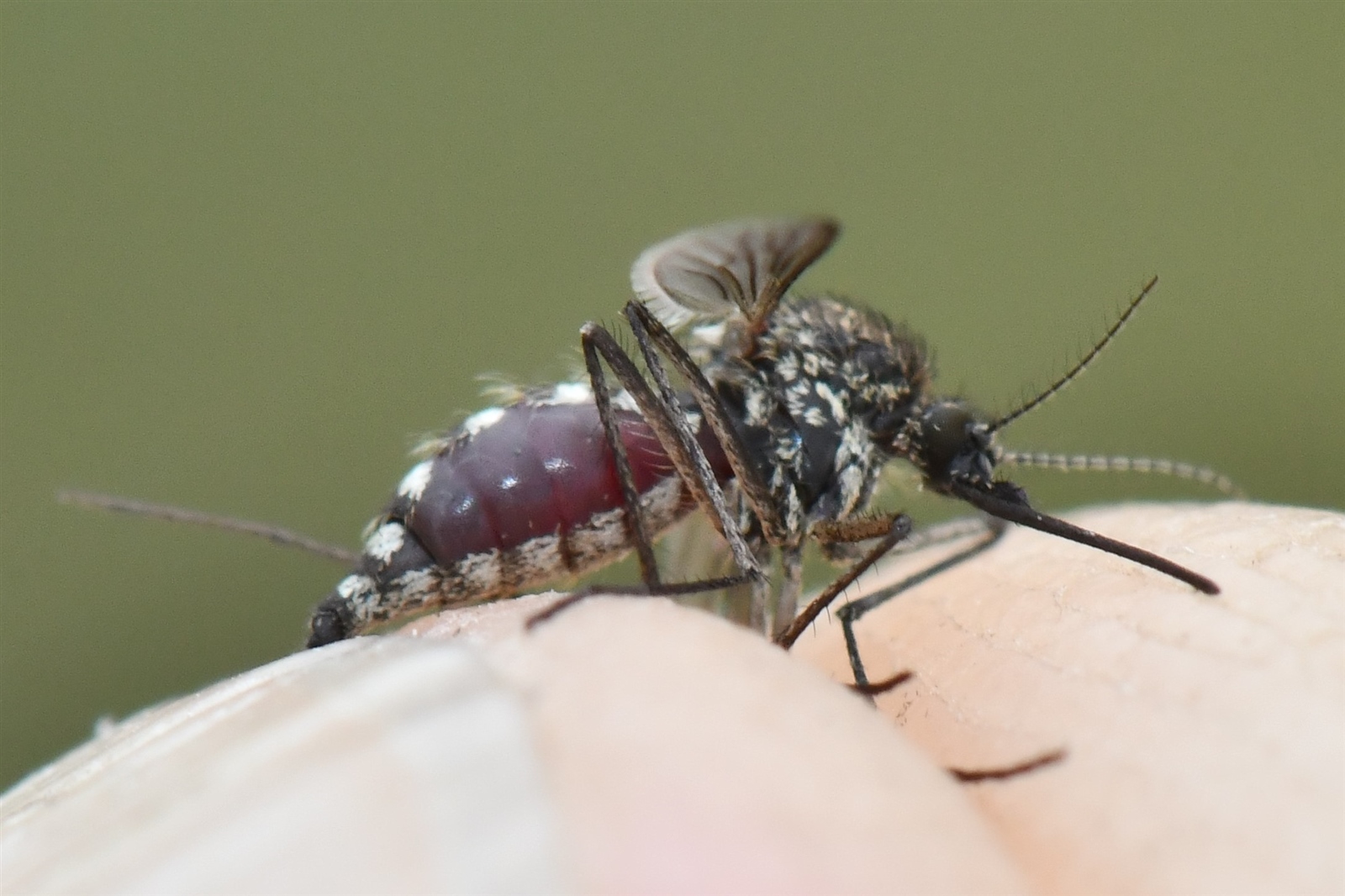
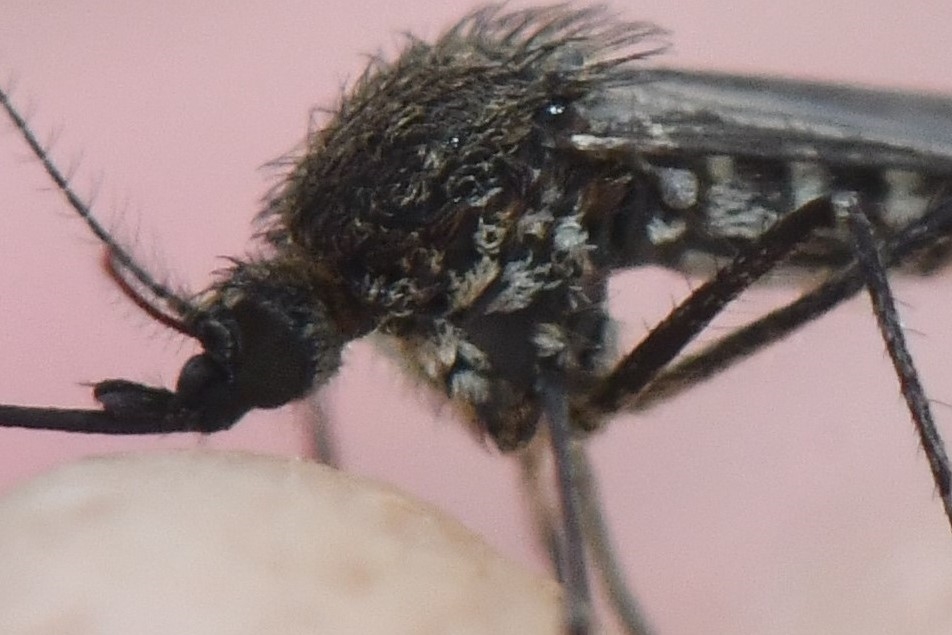
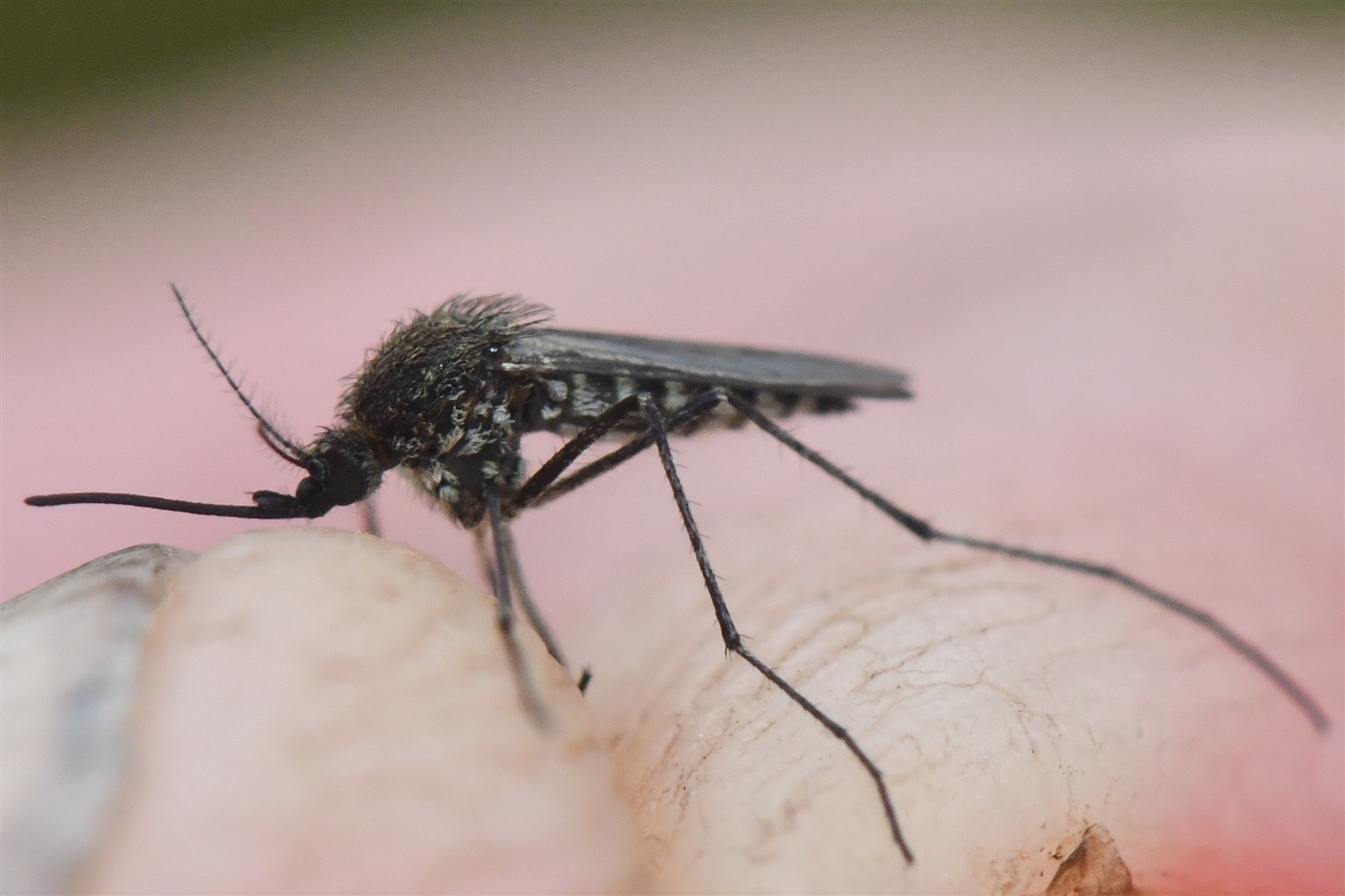
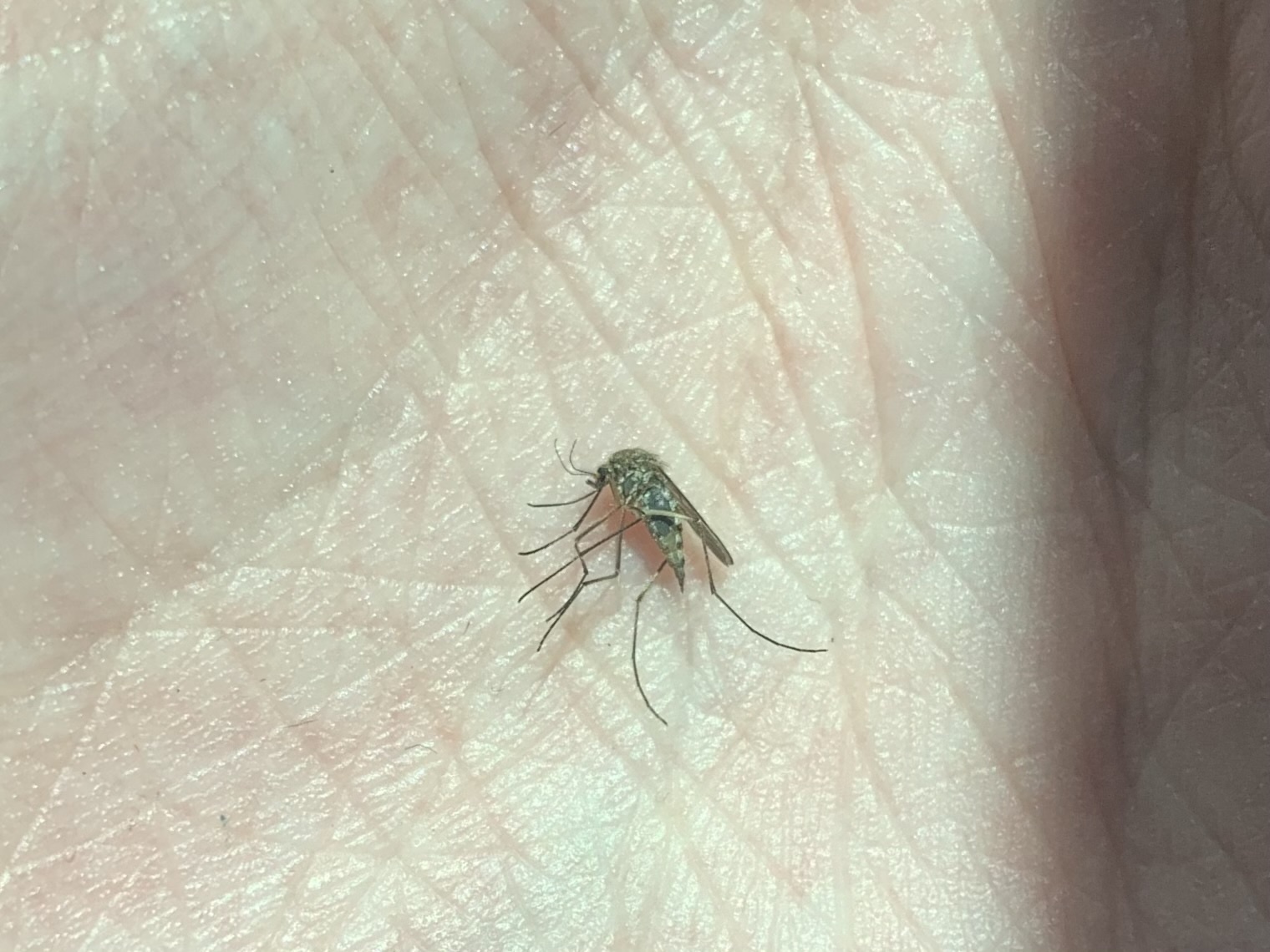
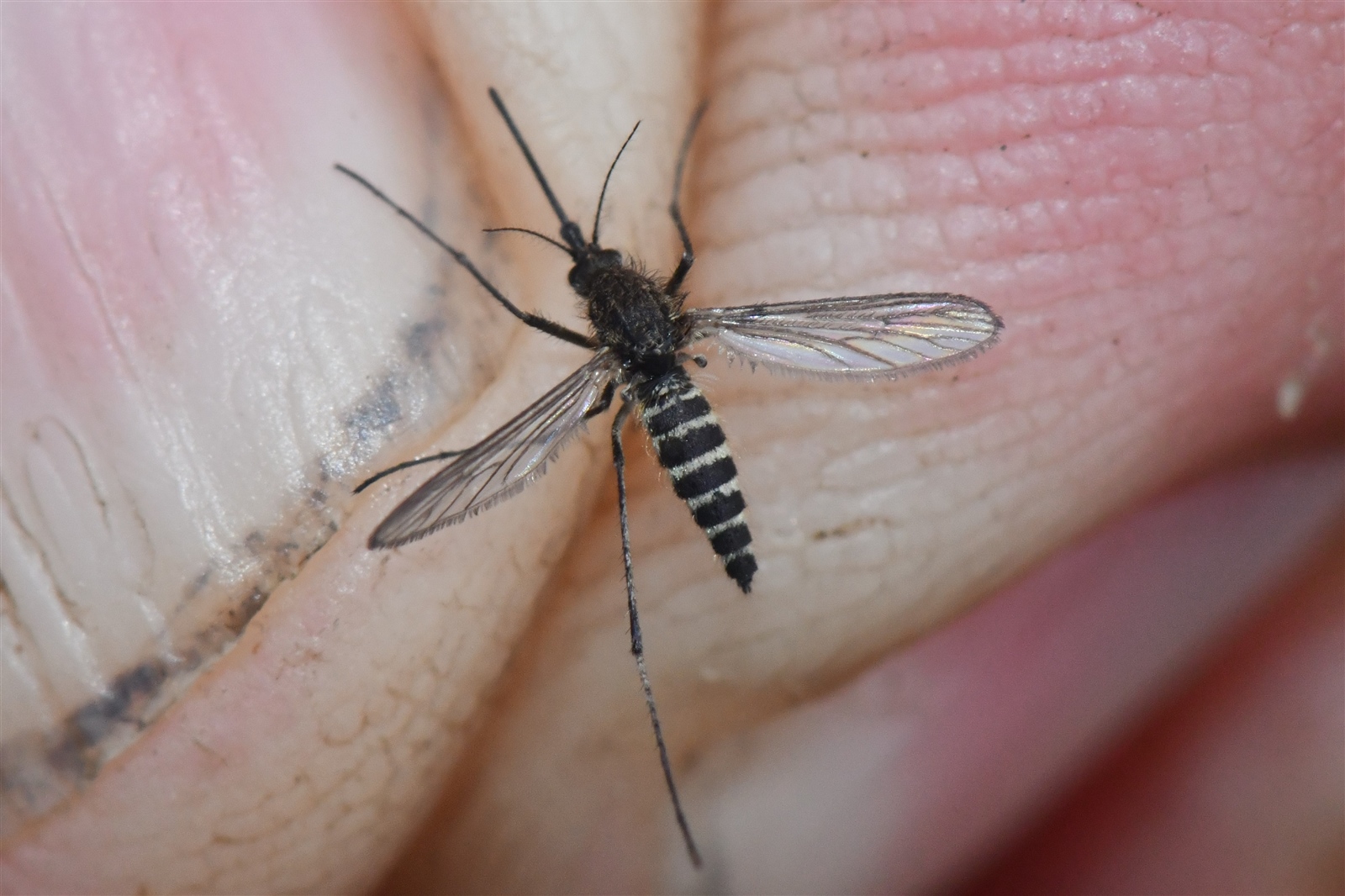
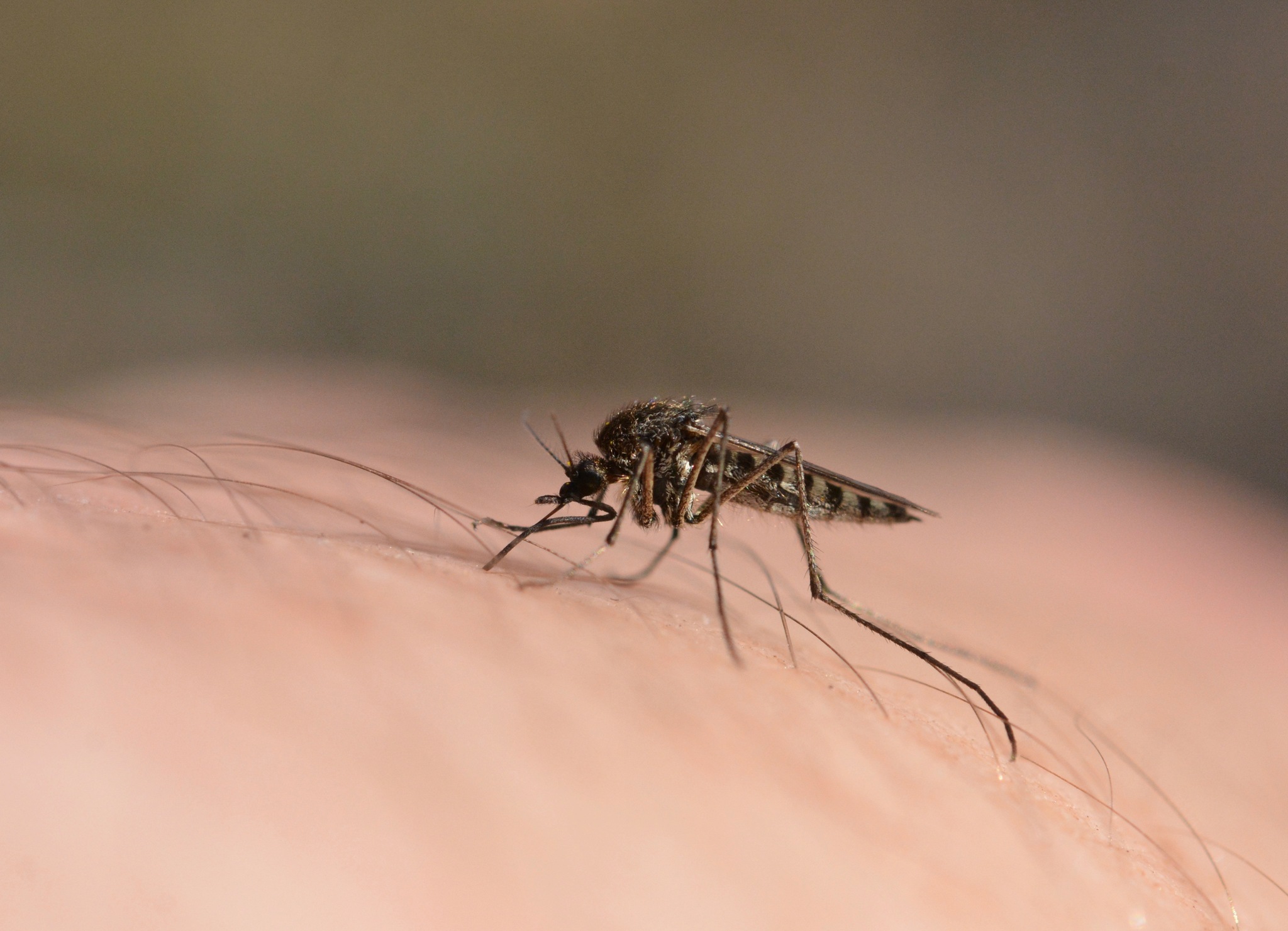
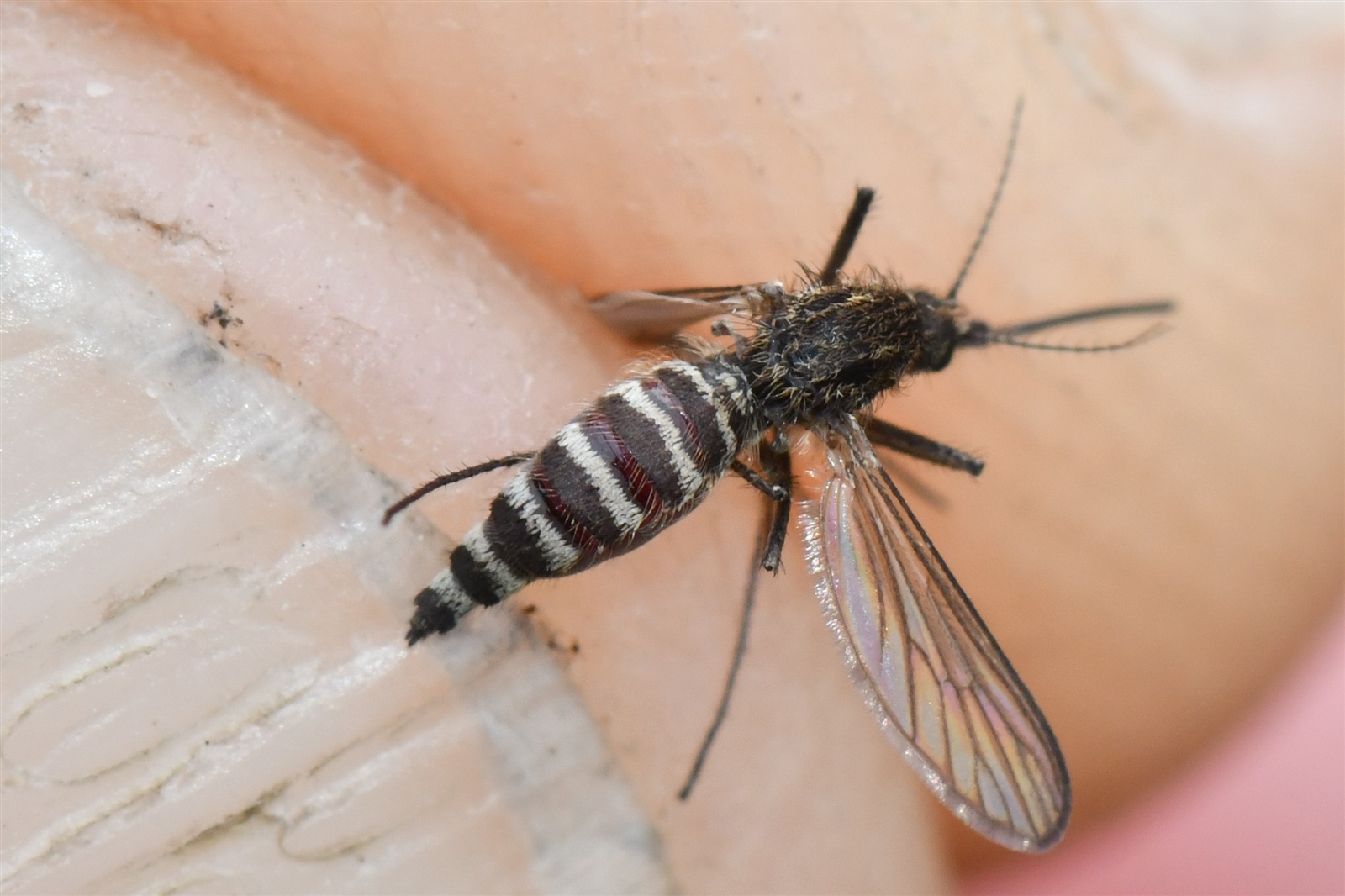
Aedes impiger is a mosquito species. Based on observations from the TreeOfLife-200M dataset, specimens exhibit the characteristic slender, elongated body form typical of the family Culicidae, with long, thin legs and prominent, forward-projecting mouthparts (proboscis).[1] The coloration observed in these specimens includes mottled patterns of dark and light scales across the thorax and abdomen, which are common in many Aedes species.[1]
Ecology and Behavior
Aedes impiger is a Holarctic mosquito species found in high-arctic environments, such as near Lake Hazen on Ellesmere Island.[2] A notable biological trait of this species is that some females are capable of autogenous reproduction, meaning they can produce eggs without requiring a blood meal.[2]
When blood-feeding does occur, A. impiger has been documented to feed on a variety of hosts, including musk oxen, birds, and humans.[2] Feeding success is strongly influenced by the host's behavior; slow-moving or immobile hosts, such as incubating birds, are more easily parasitized than active small mammals, which can effectively defend themselves.[2] Some individuals have been observed engaging in multiple-feeding, where they obtain blood from more than one host.[2]
Gallery
References
- 1 2 3 Dataset view for Animalia / Arthropoda / Insecta / Diptera / Culicidae / Aedes / impiger constructed from imageomics/TreeOfLife-200M records under this taxonomic path. Hugging Face Datasets. https://huggingface.co/datasets/imageomics/TreeOfLife-200M.
- 1 2 3 4 5 Philip S. Corbet; A. E. R. Downe. Natural Hosts of Mosquitoes in Northern Ellesmere Island. ARCTIC. 1966. https://doi.org/10.14430/arctic3422.