Aedes fluviatilis
Taxonomy
This page represents the following TreeOfLife-200M taxonomic path.[1]
- Kingdom: Animalia
- Phylum: Arthropoda
- Class: Insecta
- Order: Diptera
- Family: Culicidae
- Genus: Aedes
- Species: Aedes fluviatilis
Visual Description
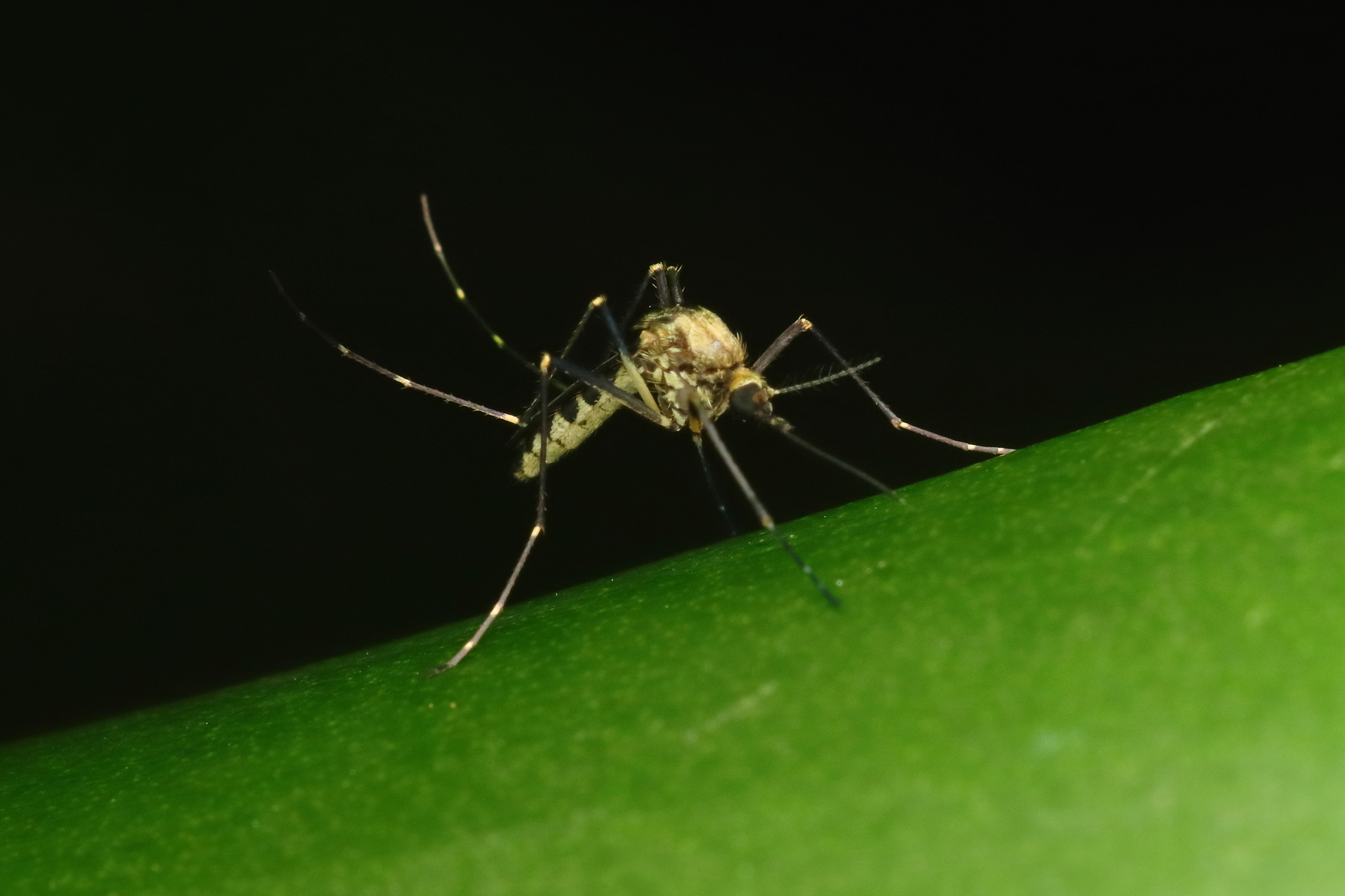
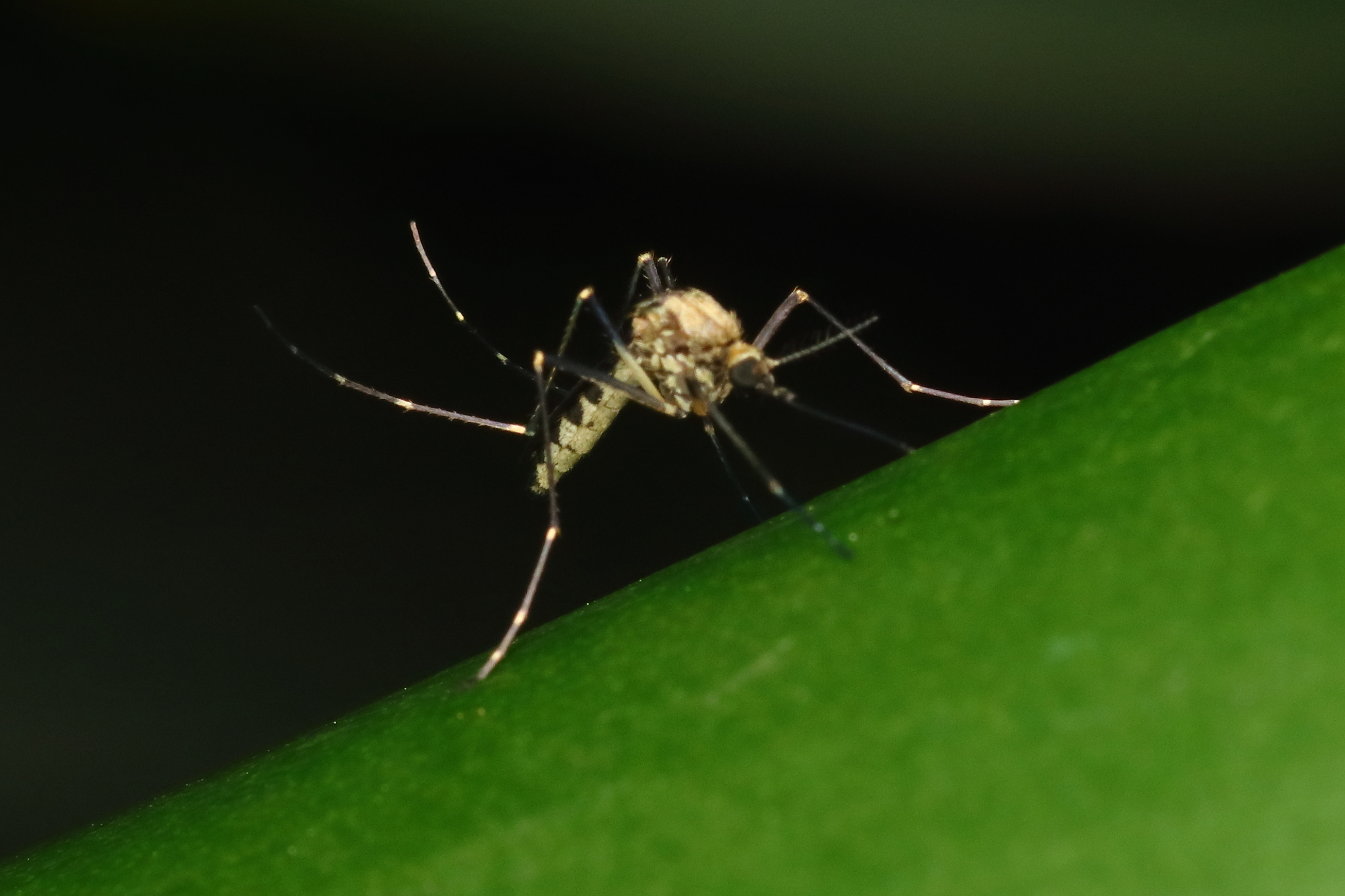
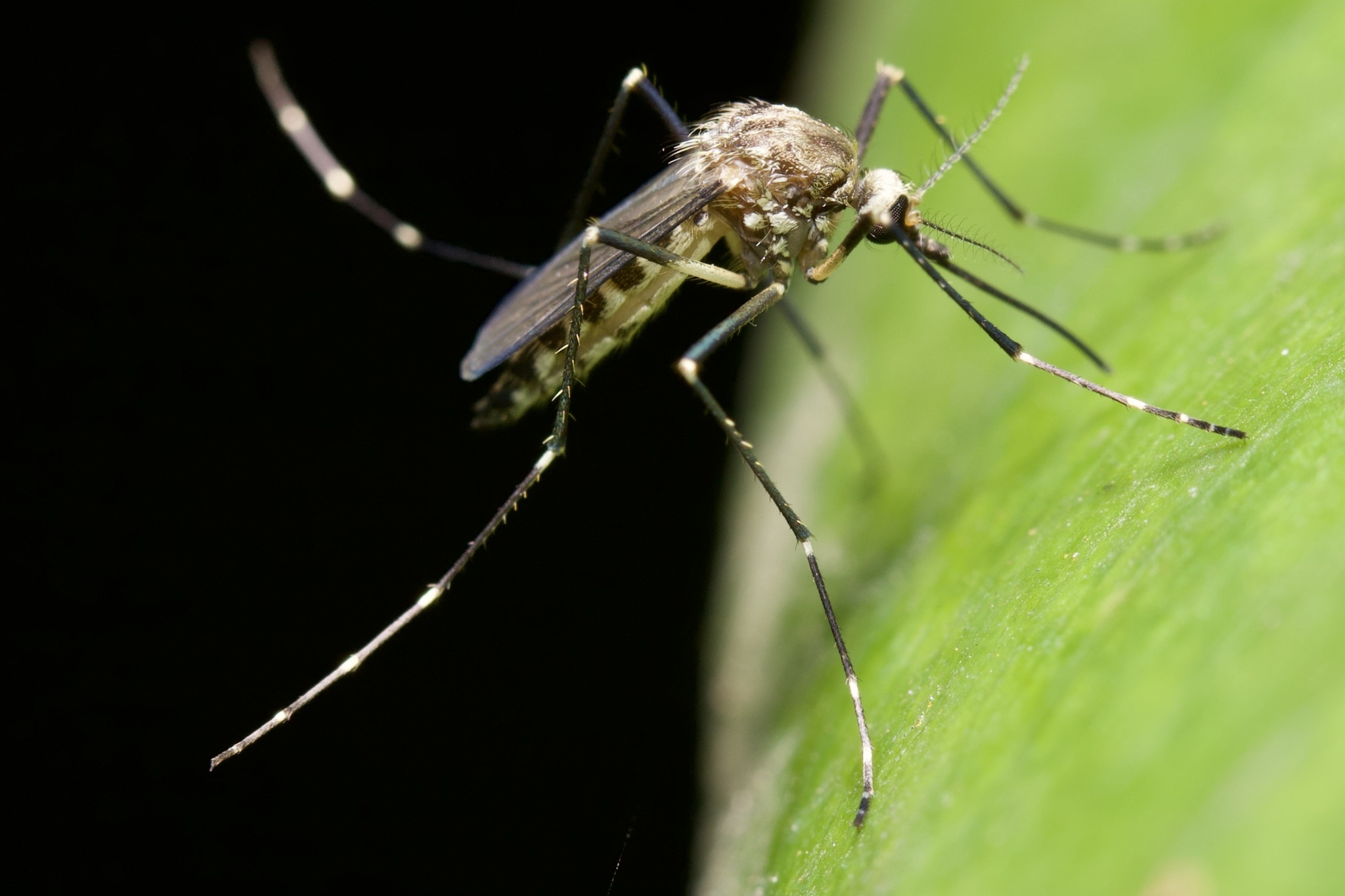
Aedes fluviatilis exhibits typical mosquito morphology, characterized by a slender body, long, thin legs, and a pair of functional wings. Observations from the TreeOfLife-200M dataset reveal a distinct, elongated proboscis adapted for piercing and feeding.[1] The body displays a segmented structure, with the thorax being notably robust compared to the abdomen.[1]
Biology and Ecology
Aedes fluviatilis (Lutz, 1904), also referred to as Georgecraigius fluviatilis, is a neotropical mosquito species widely distributed across Central and South America.[2][3] It serves as a valuable laboratory model for studying vector-parasite interactions, particularly due to its high susceptibility to the avian malaria parasite Plasmodium gallinaceum.[2]
Endosymbionts
The species naturally harbors a Wolbachia endosymbiont strain known as wFlu.[2] Research into this relationship has highlighted several key characteristics:
- Cytoplasmic Incompatibility (CI): wFlu induces high levels of unidirectional cytoplasmic incompatibility, where crosses between infected males and uninfected females result in significantly reduced egg hatching.[2]
- Fitness: The strain exhibits high maternal transmission rates and imposes no detectable fitness costs on the host, such as impacts on adult longevity or fecundity.[2]
- Pathogen Interaction: Unlike some other Wolbachia strains, wFlu does not inhibit P. gallinaceum infection and may even enhance oocyst infection intensity in some individuals.[2]
Due to these traits, wFlu is considered a potential candidate for vector control strategies, particularly as a gene drive mechanism.[2]
Gallery
References
- 1 2 3 Dataset view for Animalia / Arthropoda / Insecta / Diptera / Culicidae / Aedes / fluviatilis constructed from imageomics/TreeOfLife-200M records under this taxonomic path. Hugging Face Datasets. https://huggingface.co/datasets/imageomics/TreeOfLife-200M.
- 1 2 3 4 5 6 7 Luke Anthony Baton; Etiene Casagrande Pacidônio; Daniela da Silva Gonçalves; Luciano Andrade Moreira. wFlu: Characterization and Evaluation of a Native Wolbachia from the Mosquito Aedes fluviatilis as a Potential Vector Control Agent. PLoS ONE. 2013. https://doi.org/10.1371/journal.pone.0059619.
- ↑ Aedes fluviatilis (Lutz, 1904). GBIF. https://www.gbif.org/species/1650959. Accessed 2026-07-15.