Aedes detritus
Taxonomy
This page represents the following TreeOfLife-200M taxonomic path.[1]
- Kingdom: Animalia
- Phylum: Arthropoda
- Class: Insecta
- Order: Diptera
- Family: Culicidae
- Genus: Aedes
- Species: Aedes detritus
Visual Description
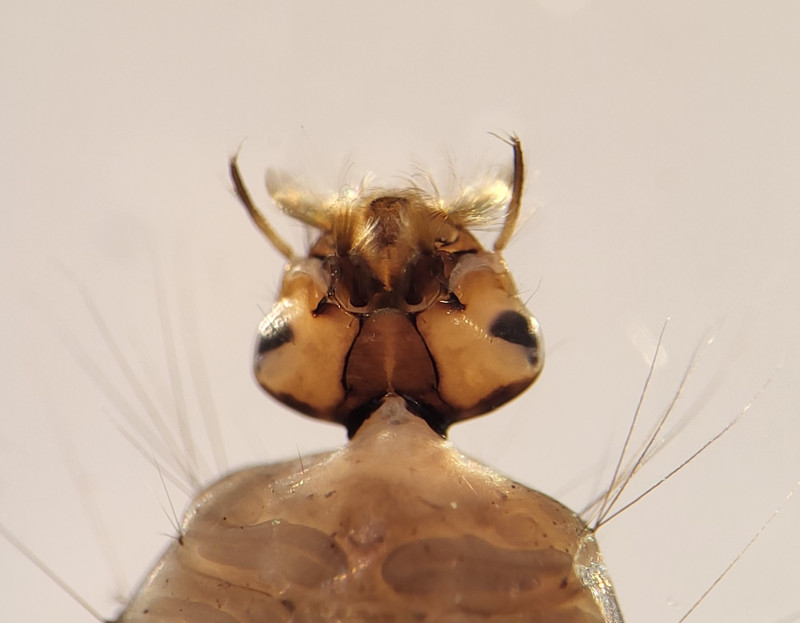
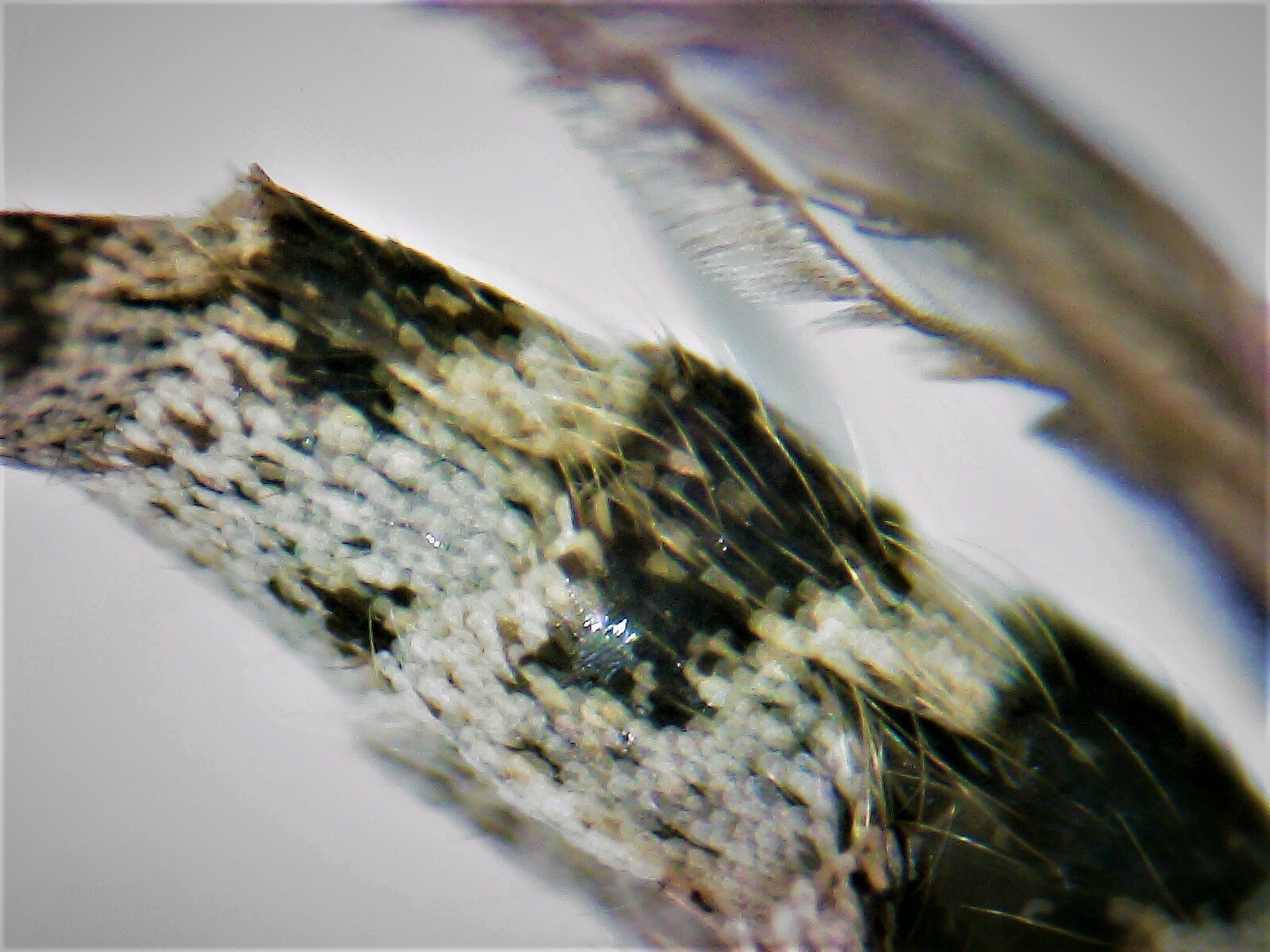
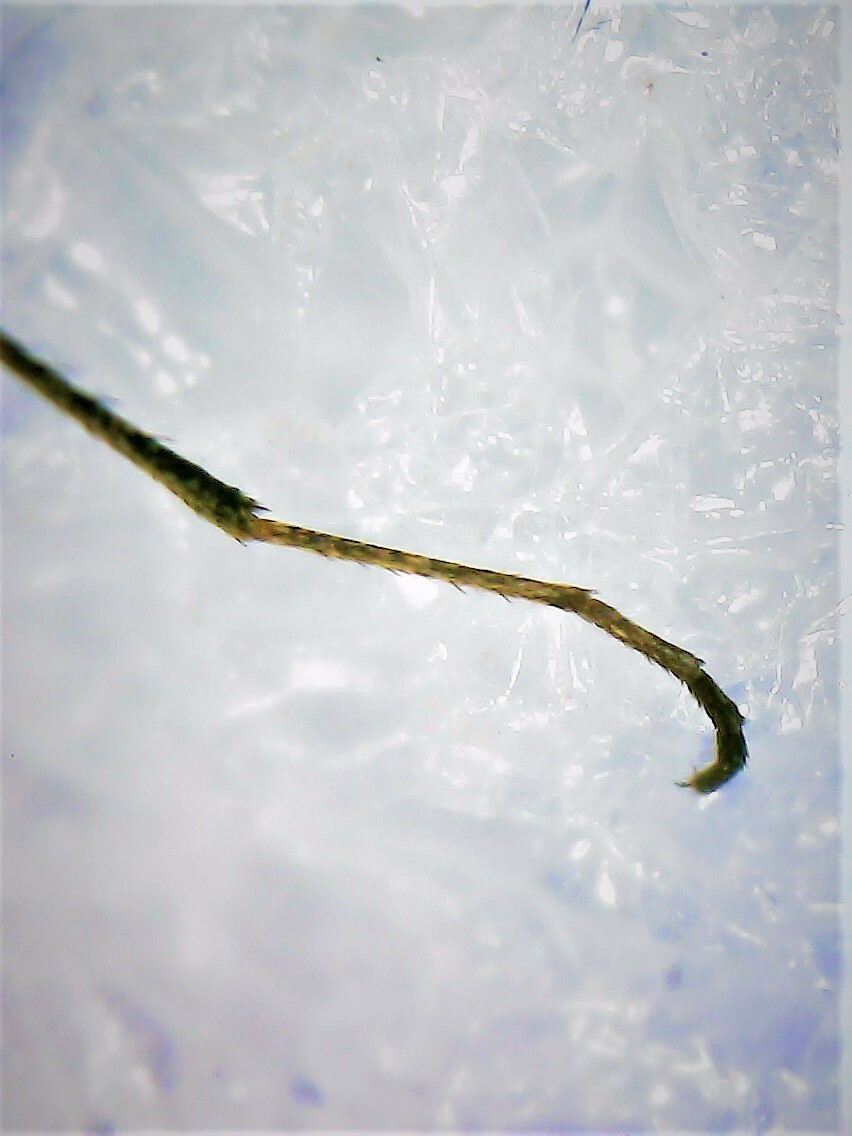
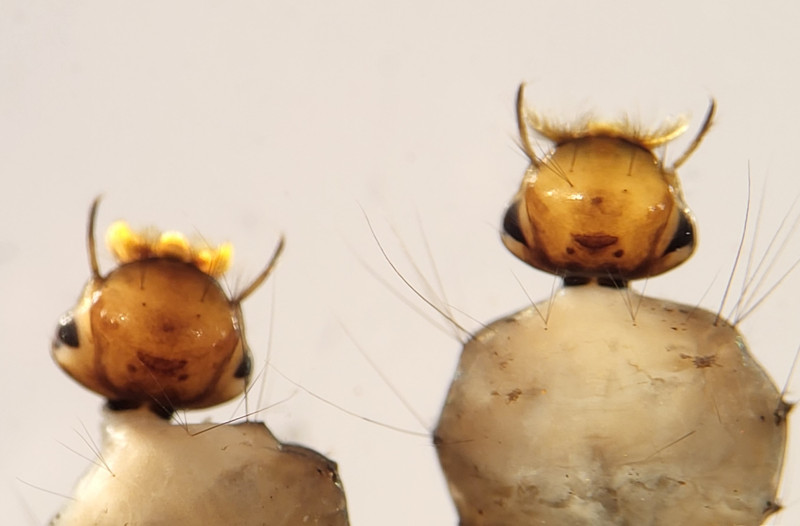
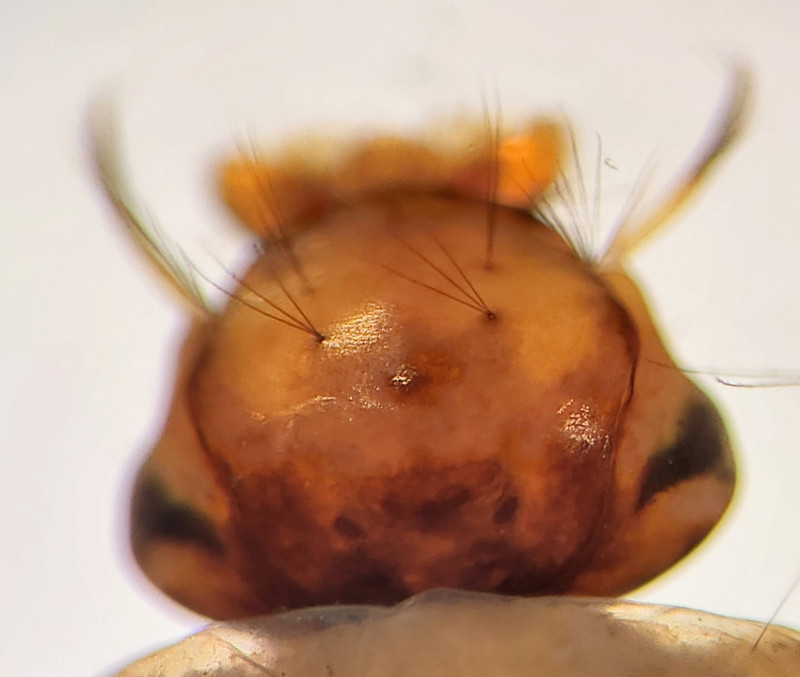
Aedes detritus is a mosquito species characterized by a generally dark, mottled appearance. Observations from the TreeOfLife-200M dataset indicate that the body exhibits a pattern of light and dark scales, often resulting in a speckled or "detritus-like" coloration on the thorax and abdomen. The legs typically show distinct pale banding against a darker background.[1]
Ecology and Behavior
Aedes detritus (syn. Ochlerotatus detritus) is a multivoltine mosquito species abundant in coastal regions of the British Isles, where it commonly breeds in brackish waters, such as saline lagoons and areas prone to spring high-tide flooding. It is recognized as a significant nuisance-biting species for humans in the UK, with peak adult activity occurring between March and November. The species exhibits catholic feeding behavior, including humans, birds, and livestock, which identifies it as a potential bridge vector for zoonotic arboviruses.[2]
Vector Competence
Laboratory studies have demonstrated that Ae. detritus is a competent vector for West Nile virus (WNV), with viral RNA detected in saliva 17 days post-oral inoculation at 21 °C. There was no significant difference in the quantity of WNV recovered from the expectorate of Ae. detritus compared to the known vector Culex quinquefasciatus. These findings suggest that Ae. detritus may pose a potential risk for WNV reservoir circulation and transmission in the UK, particularly given the presence of WNV antibodies in UK bird populations.[2]
In contrast, laboratory experiments provided no evidence of vector competence for dengue virus (DENV) or chikungunya virus (CHIKV). Oral infection with DENV was associated with significantly increased mortality in Ae. detritus, suggesting that the virus may impose high fitness costs on this non-natural vector. Consequently, it is considered unlikely that Ae. detritus poses a significant risk for DENV or CHIKV transmission in the UK.[2]
Gallery
References
- 1 2 Dataset view for Animalia / Arthropoda / Insecta / Diptera / Culicidae / Aedes / detritus constructed from imageomics/TreeOfLife-200M records under this taxonomic path. Hugging Face Datasets. https://huggingface.co/datasets/imageomics/TreeOfLife-200M.
- 1 2 3 Marcus S. C. Blagrove; Ken Sherlock; Gail E. Chapman; Daniel Impoinvil; Philip J. McCall; Jolyon M. Medlock; Gareth Lycett; Tom Solomon; Matthew Baylis. Evaluation of the vector competence of a native UK mosquito Ochlerotatus detritus (Aedes detritus) for dengue, chikungunya and West Nile viruses. Parasites & Vectors. 2016. https://doi.org/10.1186/s13071-016-1739-3.