Aedes communis
Taxonomy
This page represents the following TreeOfLife-200M taxonomic path.[1]
- Kingdom: Animalia
- Phylum: Arthropoda
- Class: Insecta
- Order: Diptera
- Family: Culicidae
- Genus: Aedes
- Species: Aedes communis
Visual Description
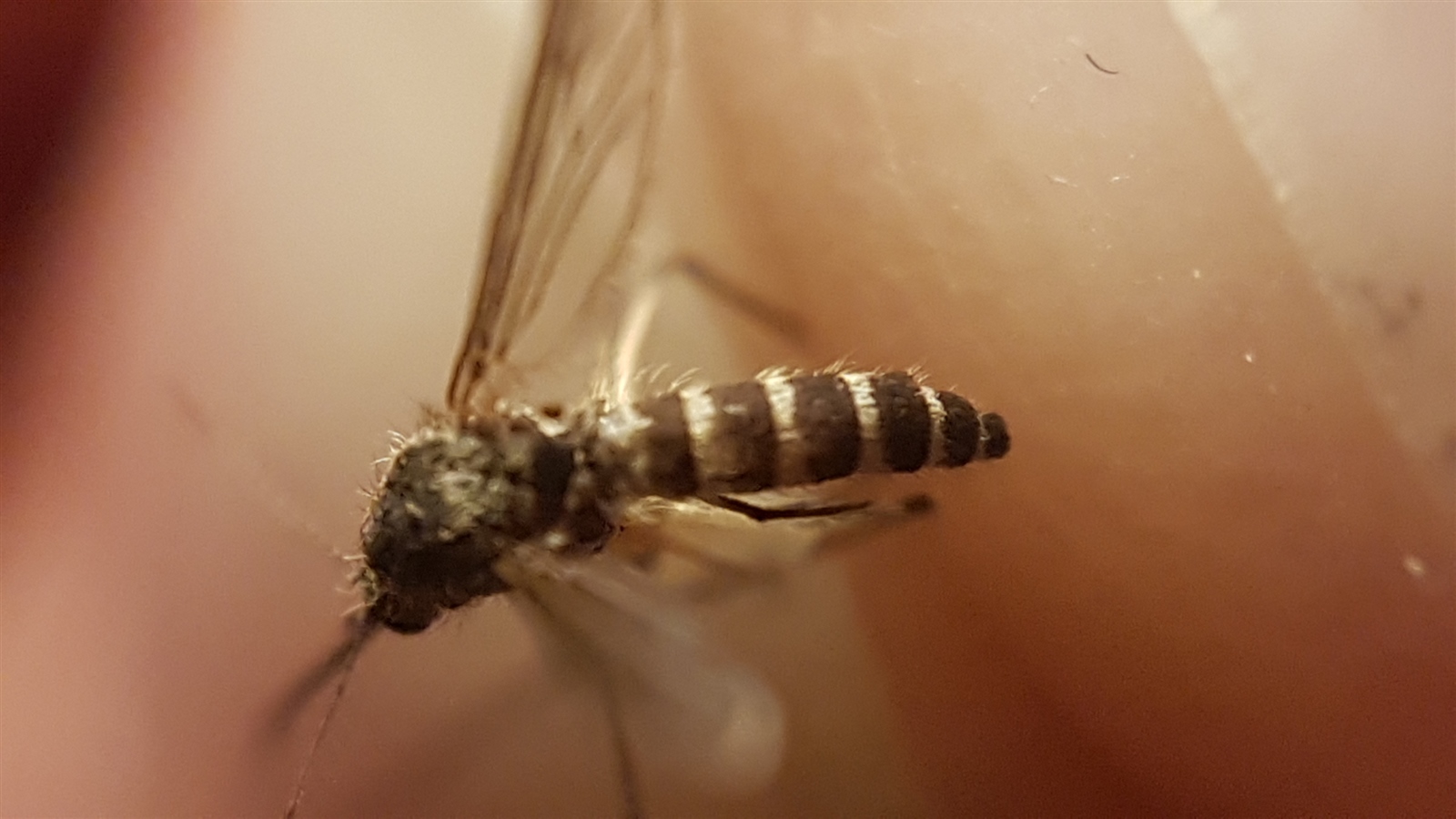
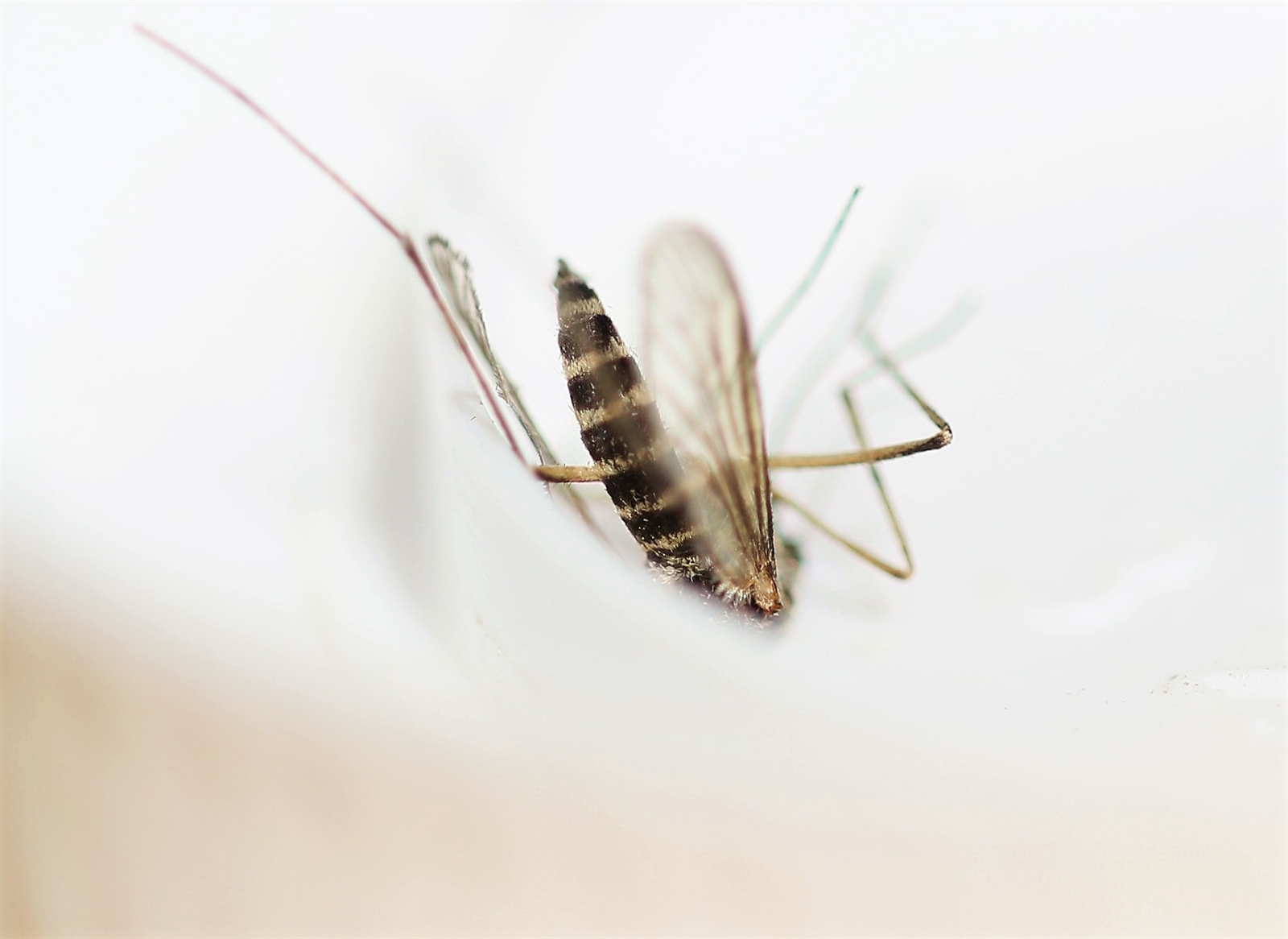
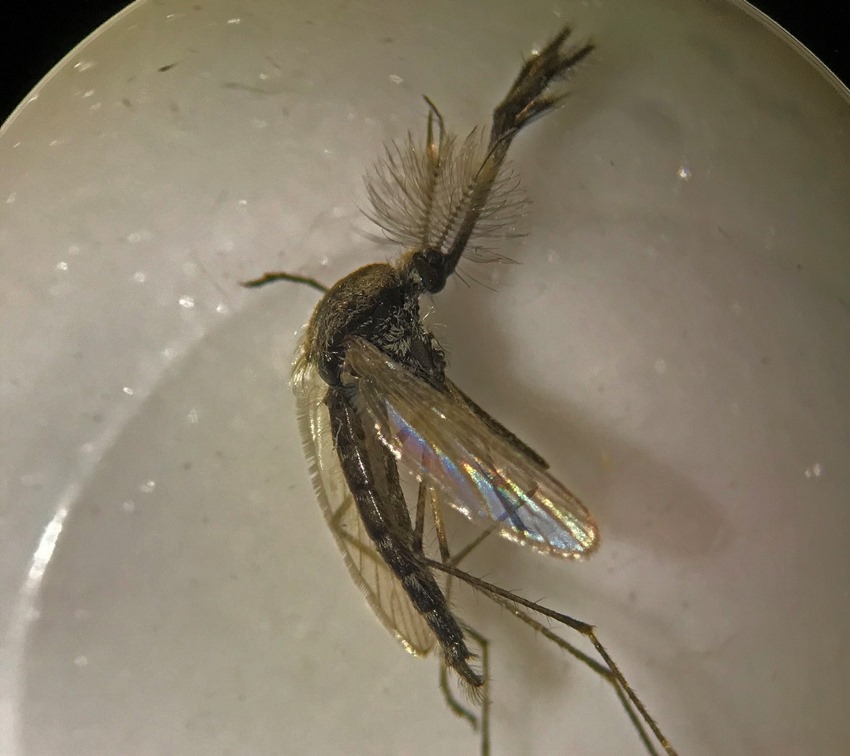
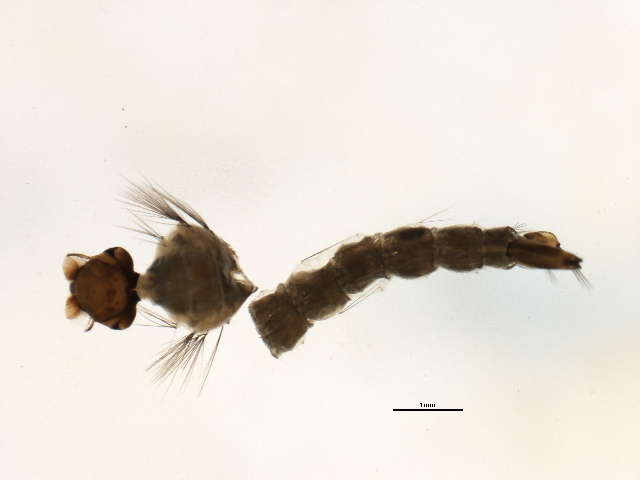
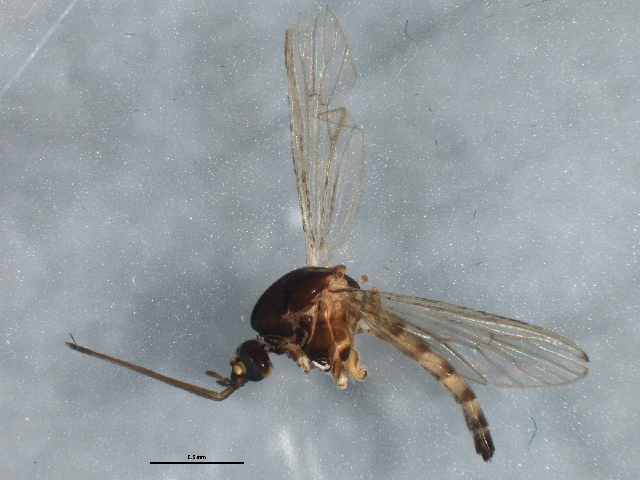
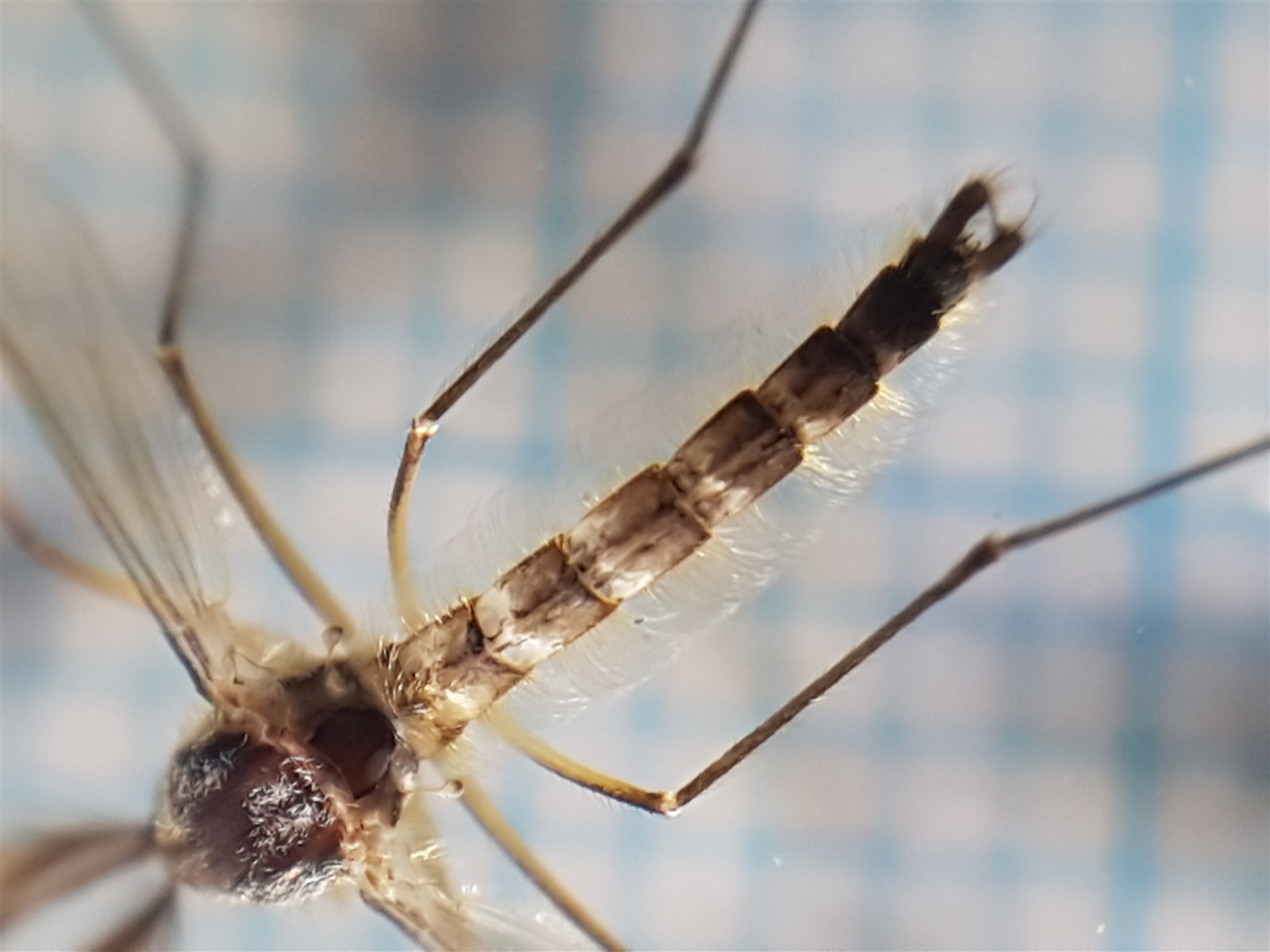
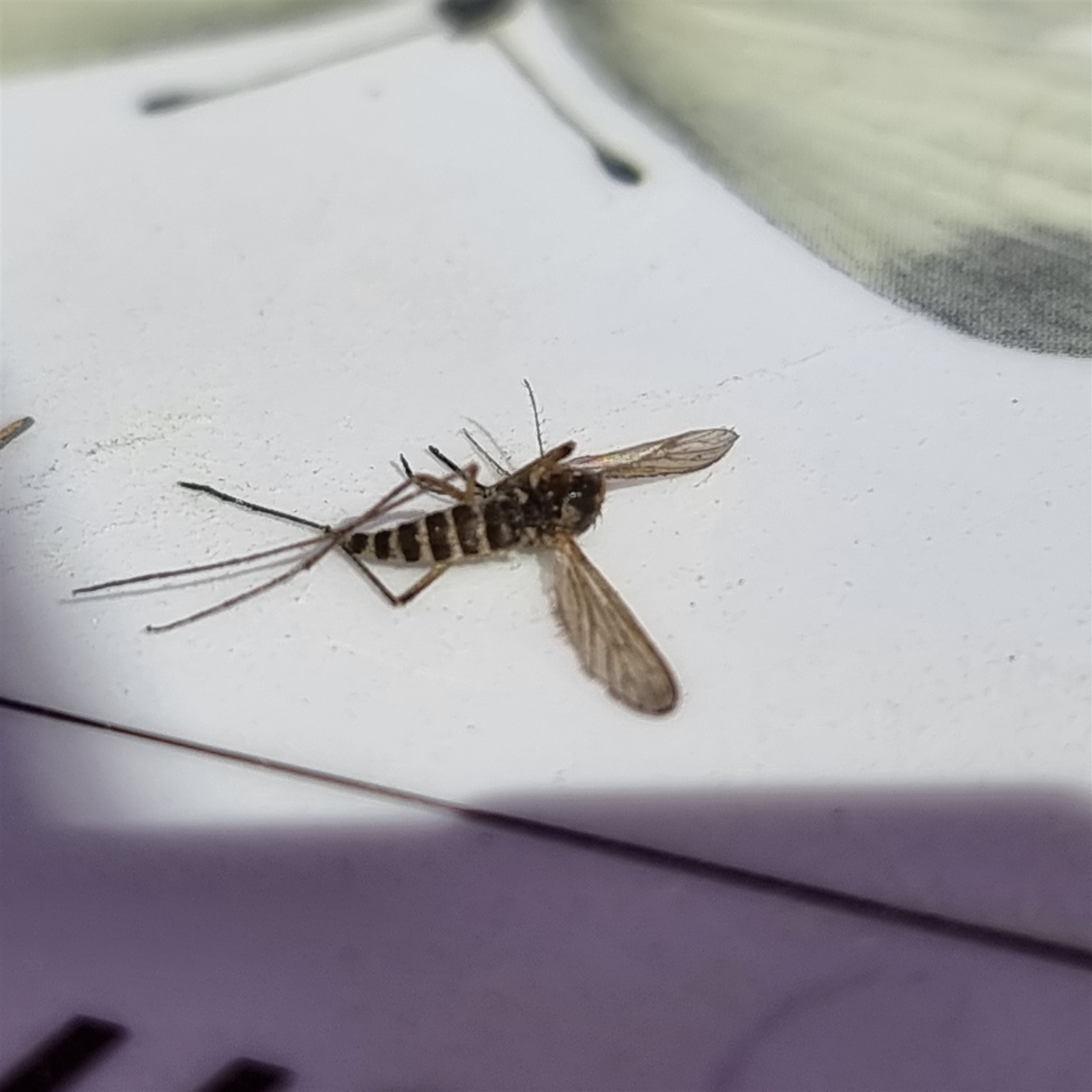
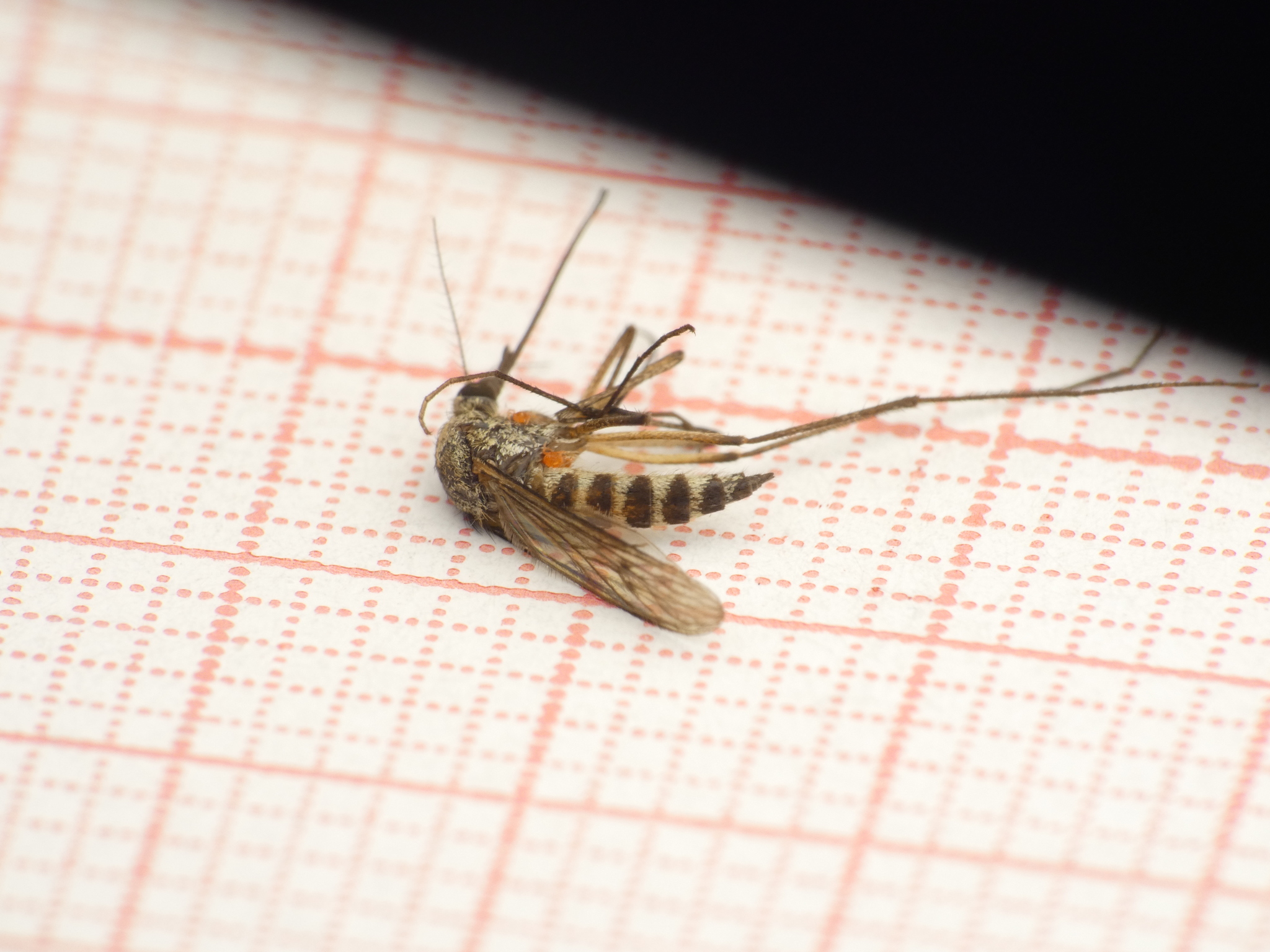
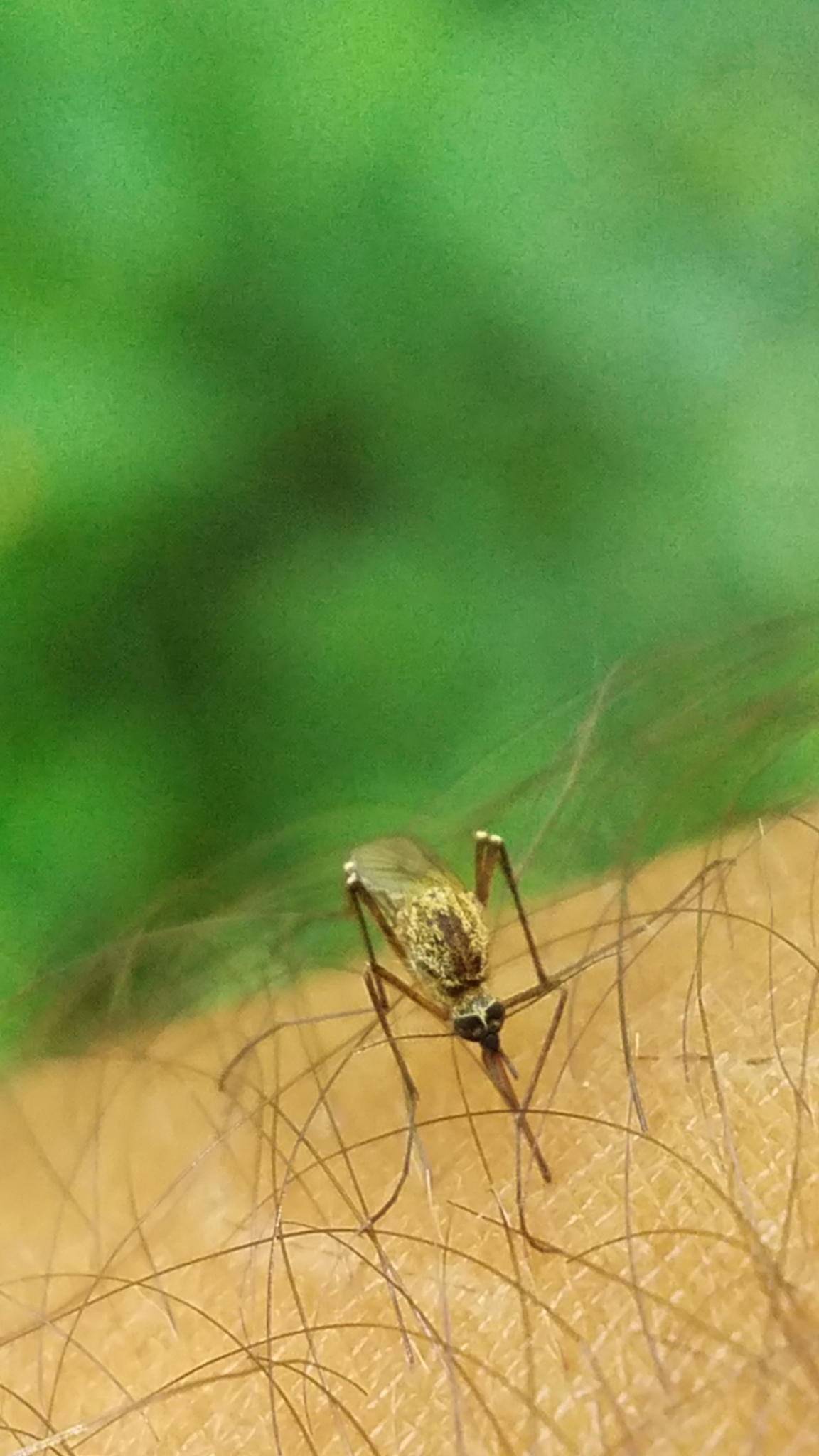
Aedes communis is a mosquito characterized by a dark, mottled appearance. Observed traits include a distinct pattern of light-colored, transverse bands on the abdomen, which contrast with darker segments. The thorax typically exhibits a dense covering of scales, often appearing brownish or yellowish-brown, which may form longitudinal stripes or a mottled texture. The legs are generally dark, sometimes with lighter scaling at the joints. These morphological features are consistent with specimens documented in the TreeOfLife-200M dataset.[1]
Ecology and Biology
Aedes communis (De Geer, 1776) is a mosquito species of practical significance in the taiga zone, serving as a potential vector for pathogens such as tularemia and lymphocytic choriomeningitis.[2]
Long-term studies in the middle taiga of the Komi Republic indicate that A. communis populations exhibit "waves of life"—cyclical, multi-year fluctuations in abundance. These population dynamics, specifically the relative food activity of females and the density of larvae, show statistically significant correlations with solar activity cycles. Population peaks often lag 1–2 years behind solar activity peaks.[2]
Larvae typically develop in temporary, snowmelt-fed forest pools, often in shaded areas that mitigate extreme diurnal temperature fluctuations. The species is characterized by high cold tolerance; larvae can survive and continue development at water temperatures as low as 2 °C, and even survive under ice cover by switching to cutaneous respiration when air-breathing is obstructed. This cold tolerance and the staggered arrival of eggs via snowmelt result in a multi-age population structure within breeding sites, which enhances the species' resilience to adverse environmental conditions.[2]
The phenology of A. communis is heavily influenced by spring weather patterns, with the timing and duration of developmental stages varying by 2–4 weeks depending on the character of the spring. While larvae are present in water for approximately one month, adult females can be active and host-seeking for over two months.[2]
Gallery
References
- 1 2 Dataset view for Animalia / Arthropoda / Insecta / Diptera / Culicidae / Aedes / communis constructed from imageomics/TreeOfLife-200M records under this taxonomic path. Hugging Face Datasets. https://huggingface.co/datasets/imageomics/TreeOfLife-200M.
- 1 2 3 4 E. V. Panyukova. Waves of life of mosquito Aedes communis (De Geer, 1776) in the middle taiga of the Komi republic. Principles of the Ecology. 2022. https://doi.org/10.15393/j1.art.2022.12703.