Aedes canadensis
Taxonomy
This page represents the following TreeOfLife-200M taxonomic path.[1]
- Kingdom: Animalia
- Phylum: Arthropoda
- Class: Insecta
- Order: Diptera
- Family: Culicidae
- Genus: Aedes
- Species: Aedes canadensis
Visual Description
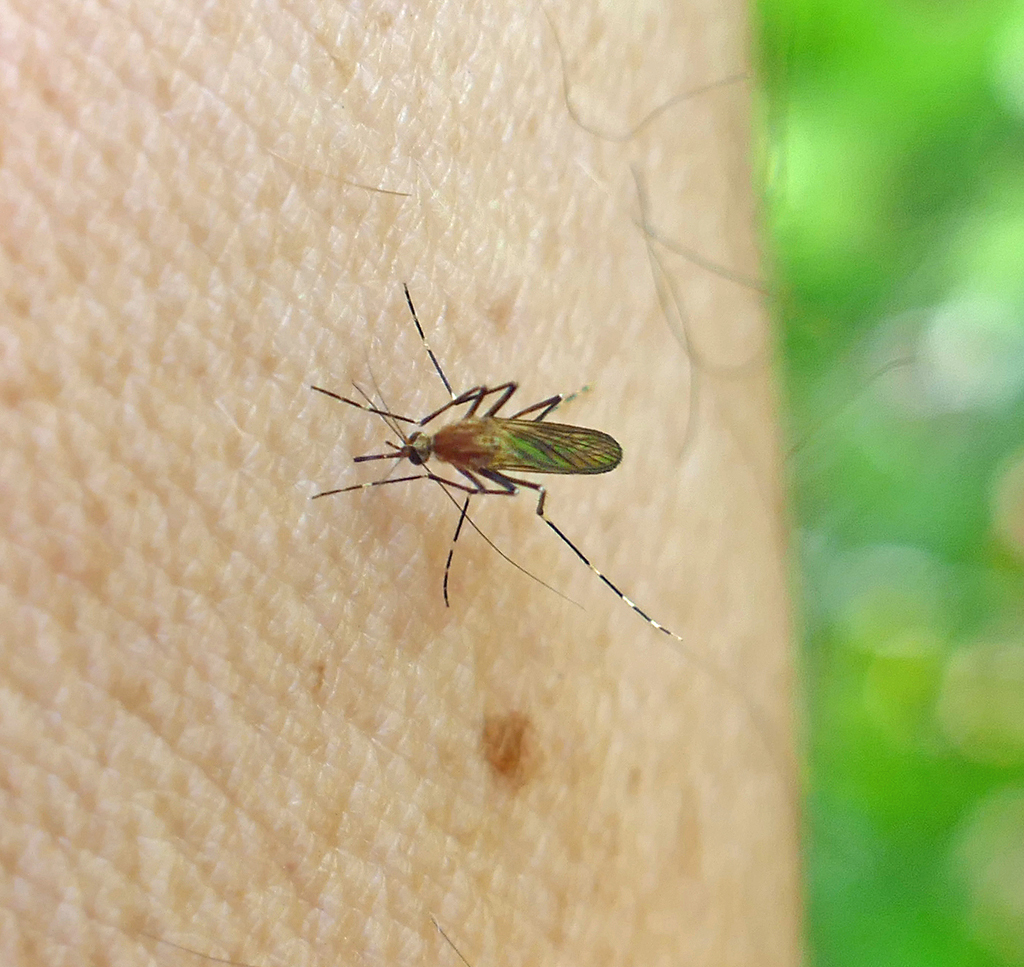
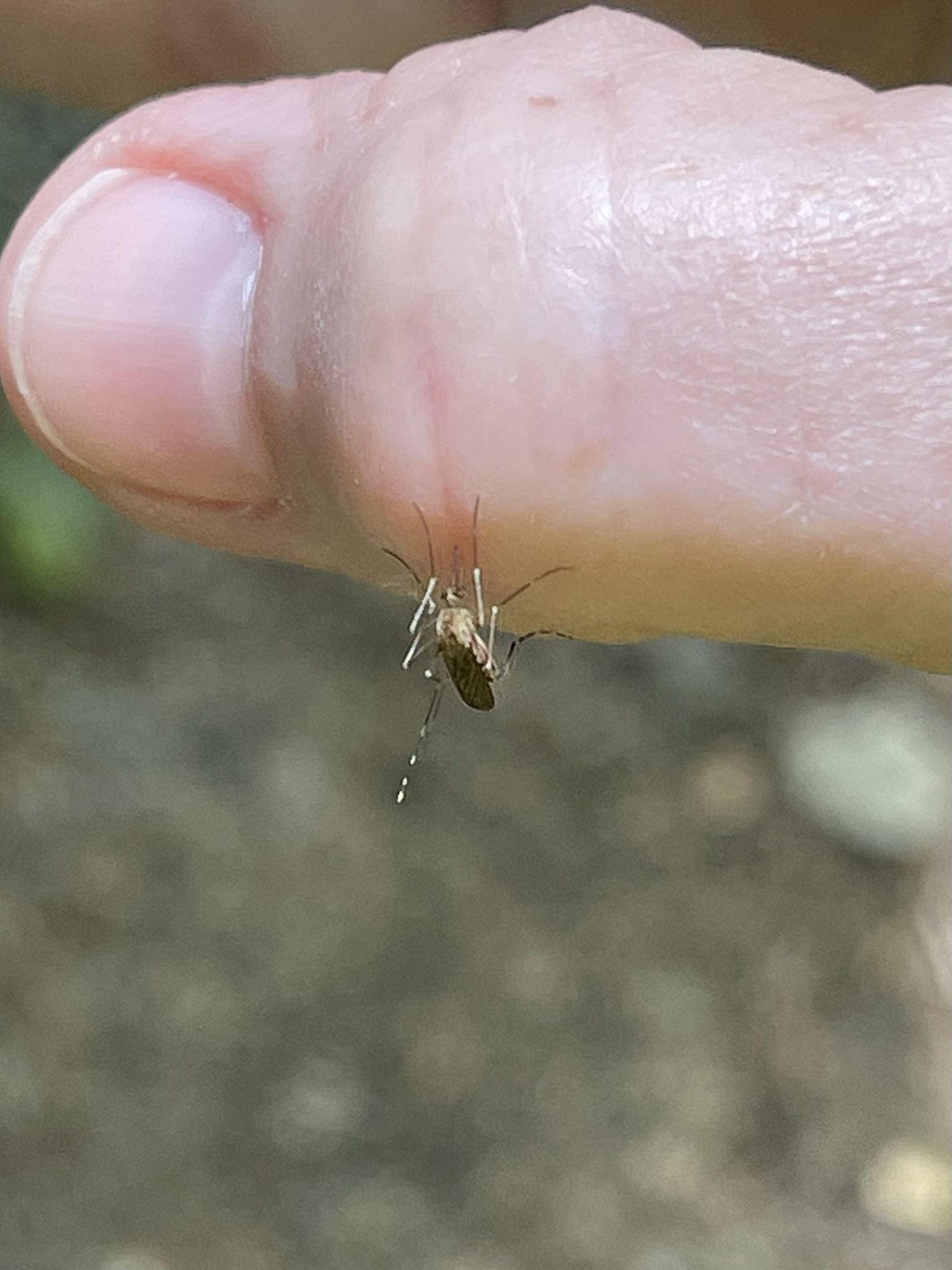
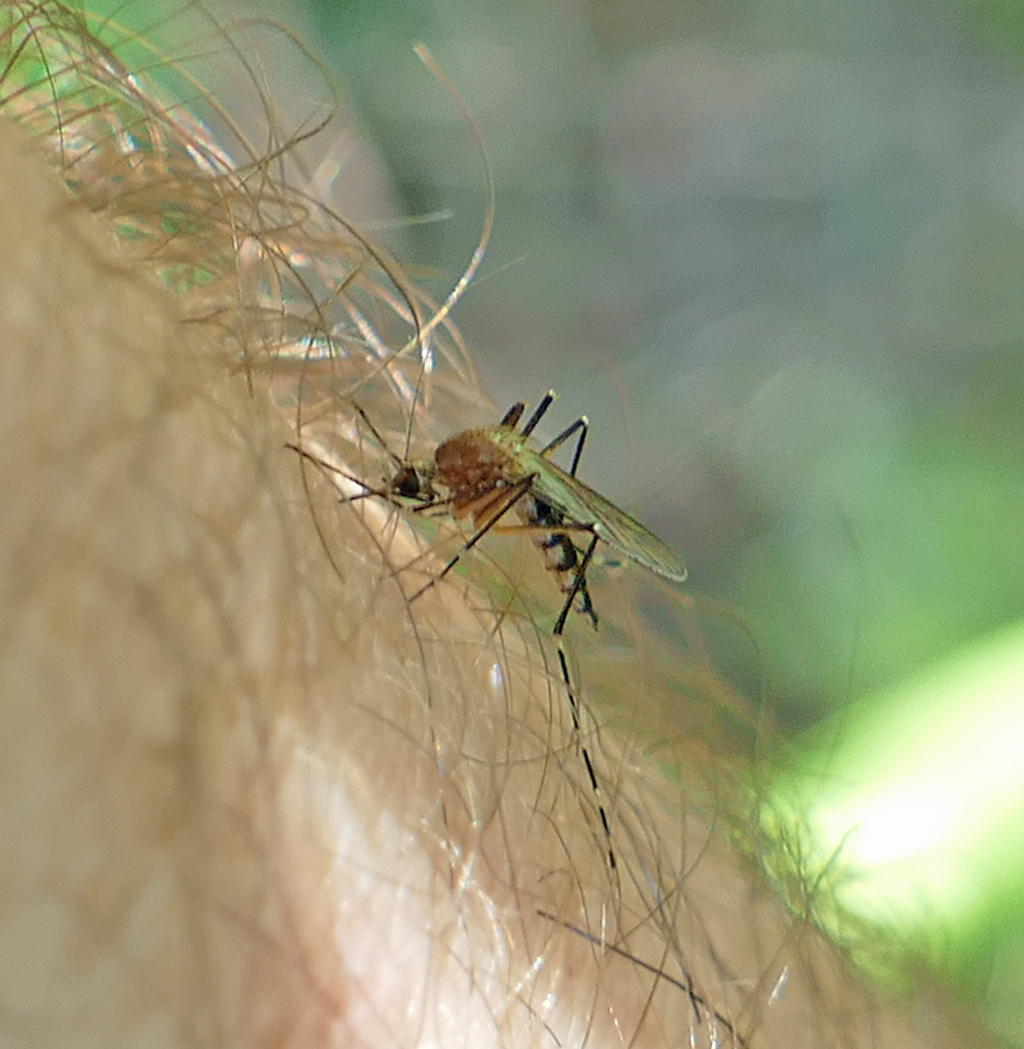
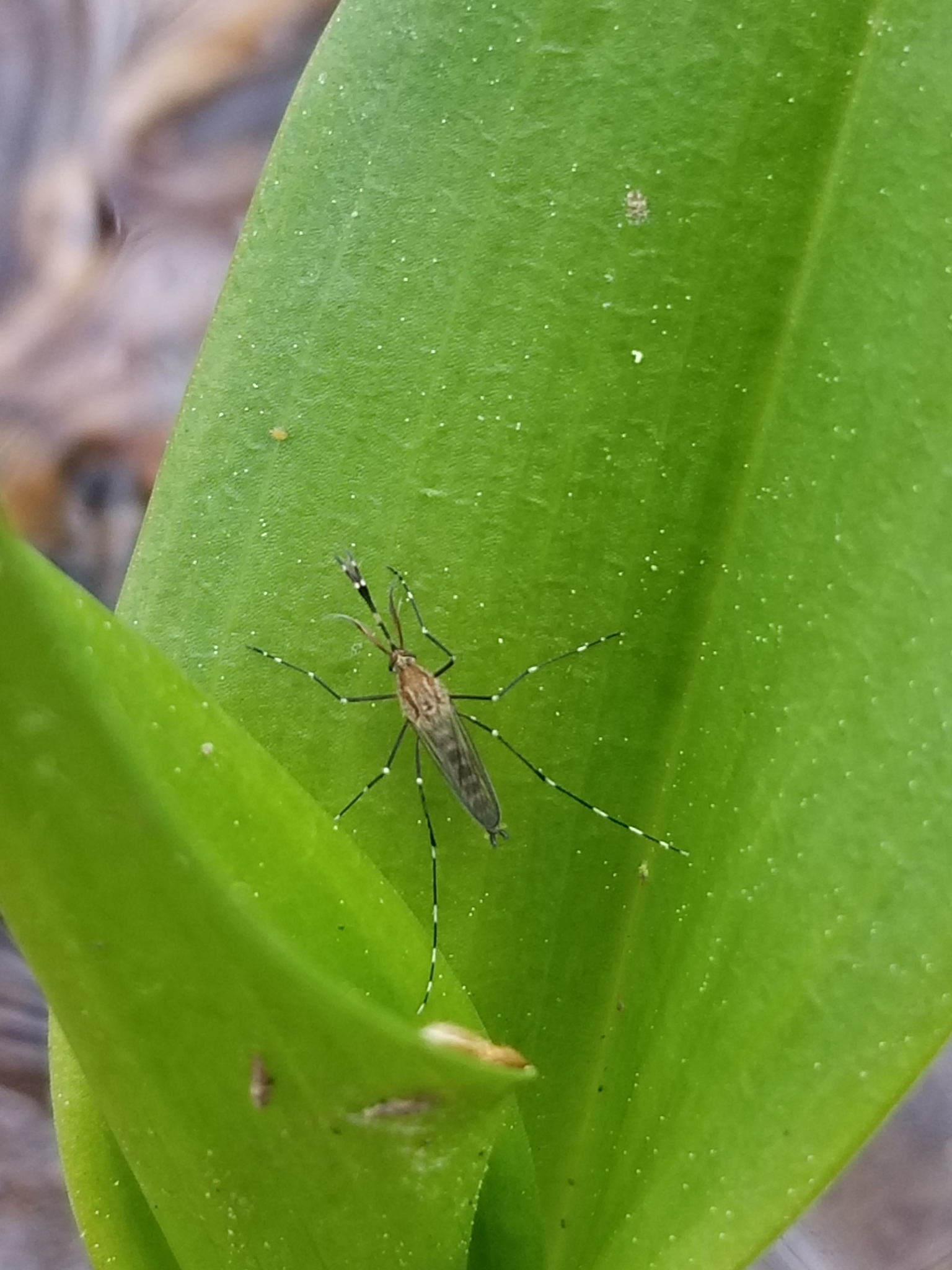
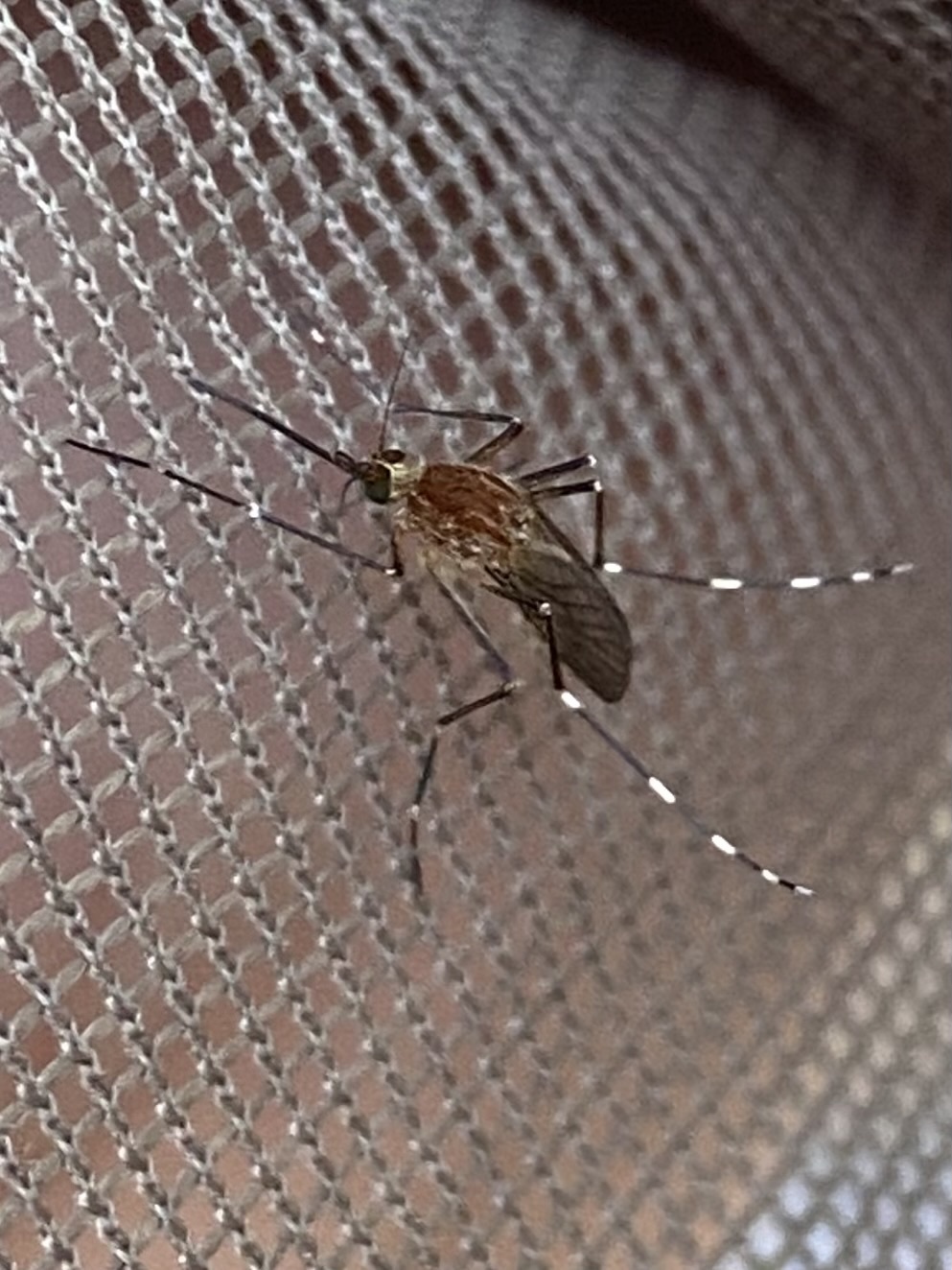
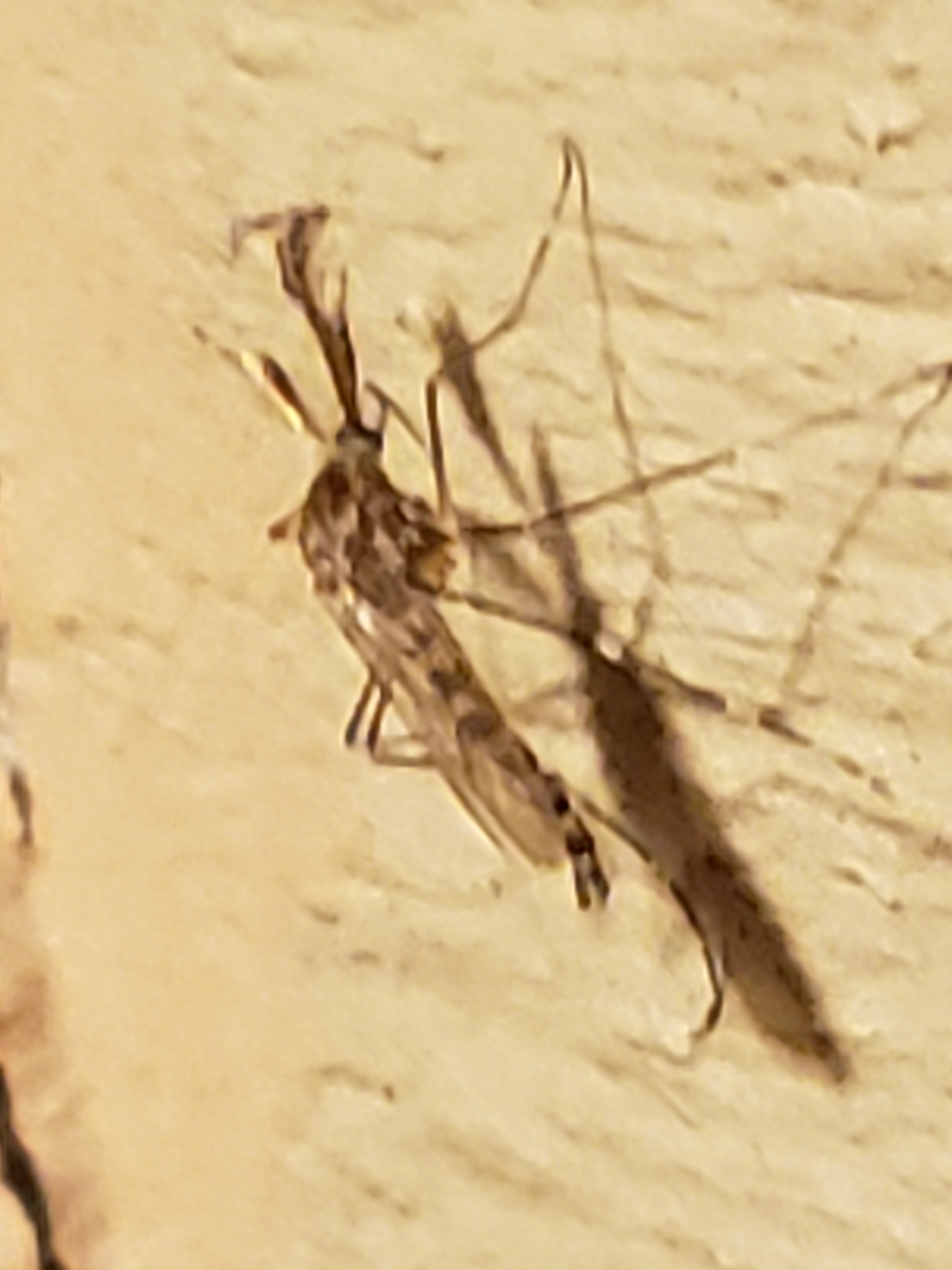
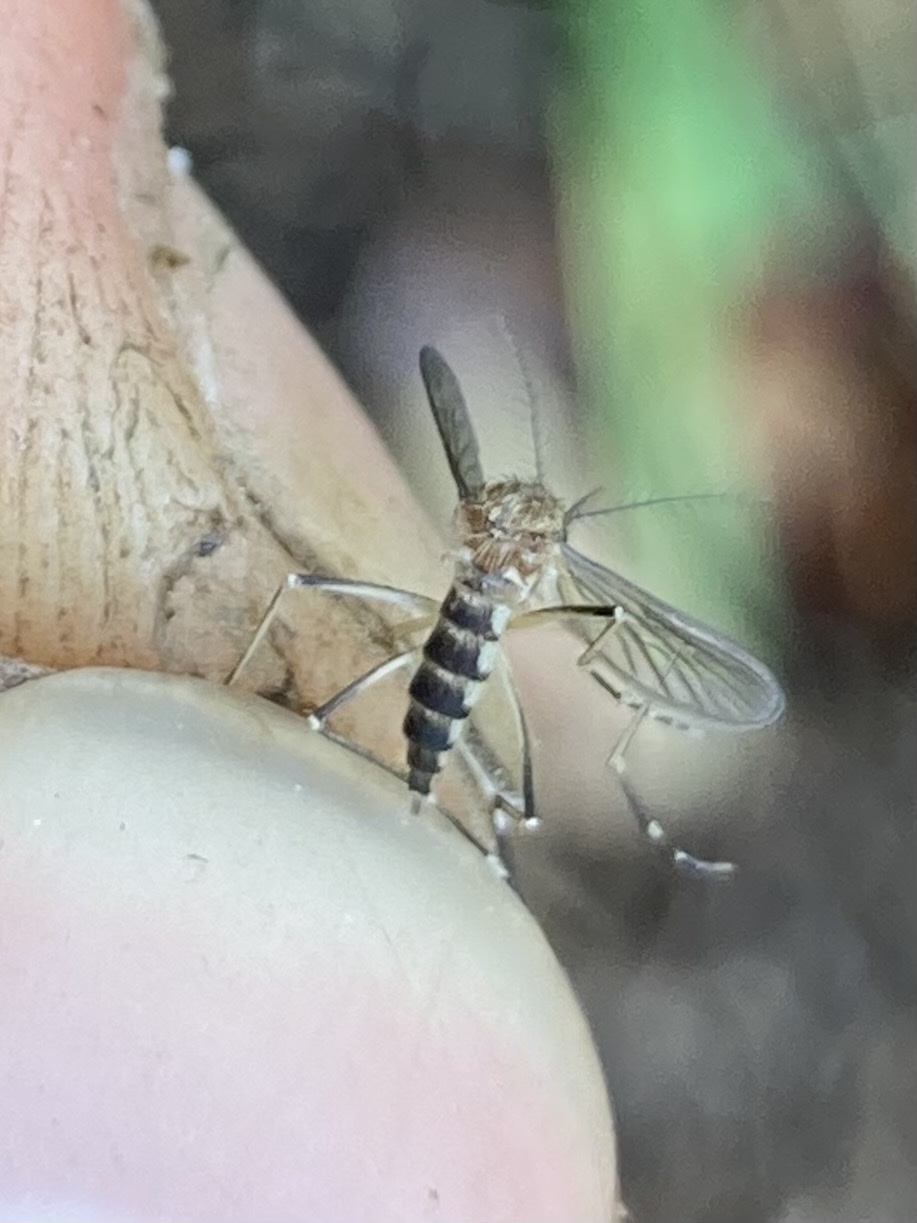
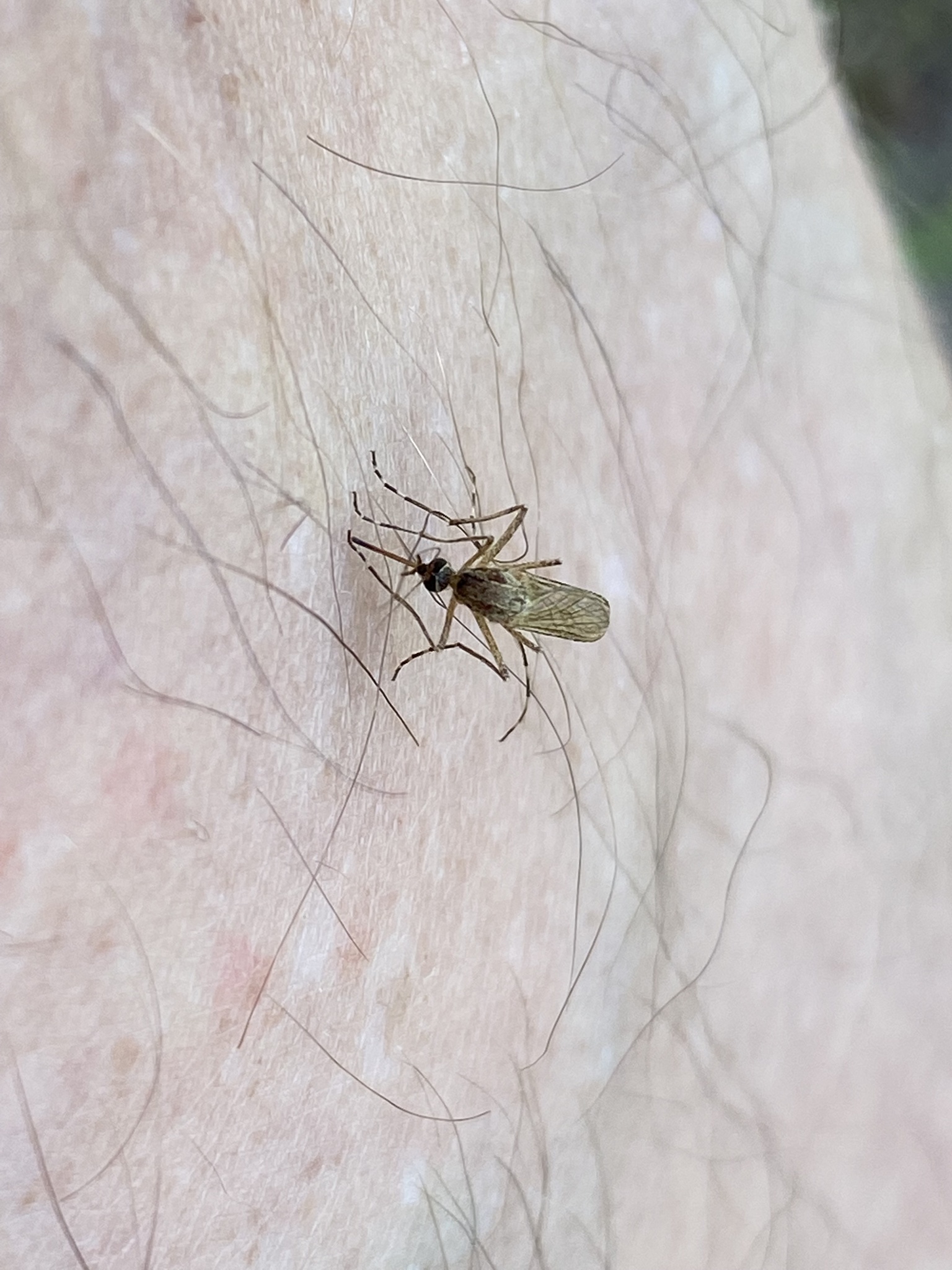
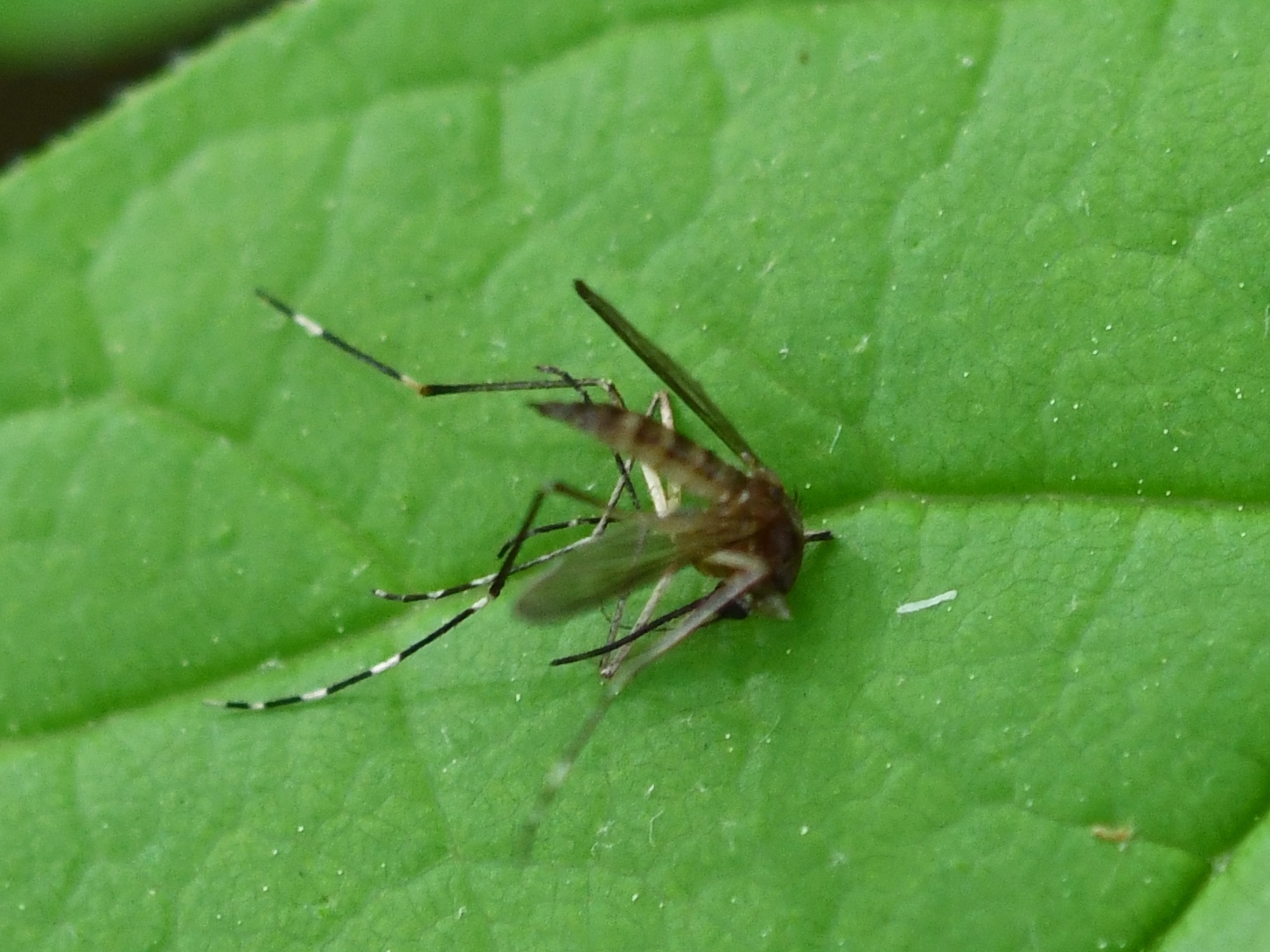
Aedes canadensis, commonly known as the woodland pool mosquito, exhibits morphological characteristics typical of the genus Aedes. Observations from the TreeOfLife-200M dataset show that adult specimens possess a dark, slender body with distinct banding patterns on the legs.[1] The tarsi, or terminal segments of the legs, are notably marked with white bands at both the base and the apex of the segments, a diagnostic feature often used in identification.[1]
Ecology and Disease Association
Aedes canadensis is recognized as a suspected vector of the Eastern equine encephalitis (EEE) virus. Research conducted in New York State between 1971 and 2012 identified a statistically significant association between the presence of EEE-infected Ae. canadensis and human cases of the disease.[2] The species is known to feed on mammals and displays both crepuscular and daytime feeding activity.[2] In the studied regions of New York, the flight range of this mosquito is approximately 2 km.[2]
Gallery
References
- 1 2 3 Dataset view for Animalia / Arthropoda / Insecta / Diptera / Culicidae / Aedes / canadensis constructed from imageomics/TreeOfLife-200M records under this taxonomic path. Hugging Face Datasets. https://huggingface.co/datasets/imageomics/TreeOfLife-200M.
- 1 2 3 James A. Sherwood; Stephen V. Stehman; John J. Howard; JoAnne Oliver. Cases of Eastern equine encephalitis in humans associated with Aedes canadensis, Coquillettidia perturbans and Culiseta melanura mosquitoes with the virus in New York State from 1971 to 2012 by analysis of aggregated published data. Epidemiology and Infection. 2020. https://doi.org/10.1017/s0950268820000308.