Aedes bromeliae
Taxonomy
This page represents the following TreeOfLife-200M taxonomic path.[1]
- Kingdom: Animalia
- Phylum: Arthropoda
- Class: Insecta
- Order: Diptera
- Family: Culicidae
- Genus: Aedes
- Species: Aedes bromeliae
Visual Description
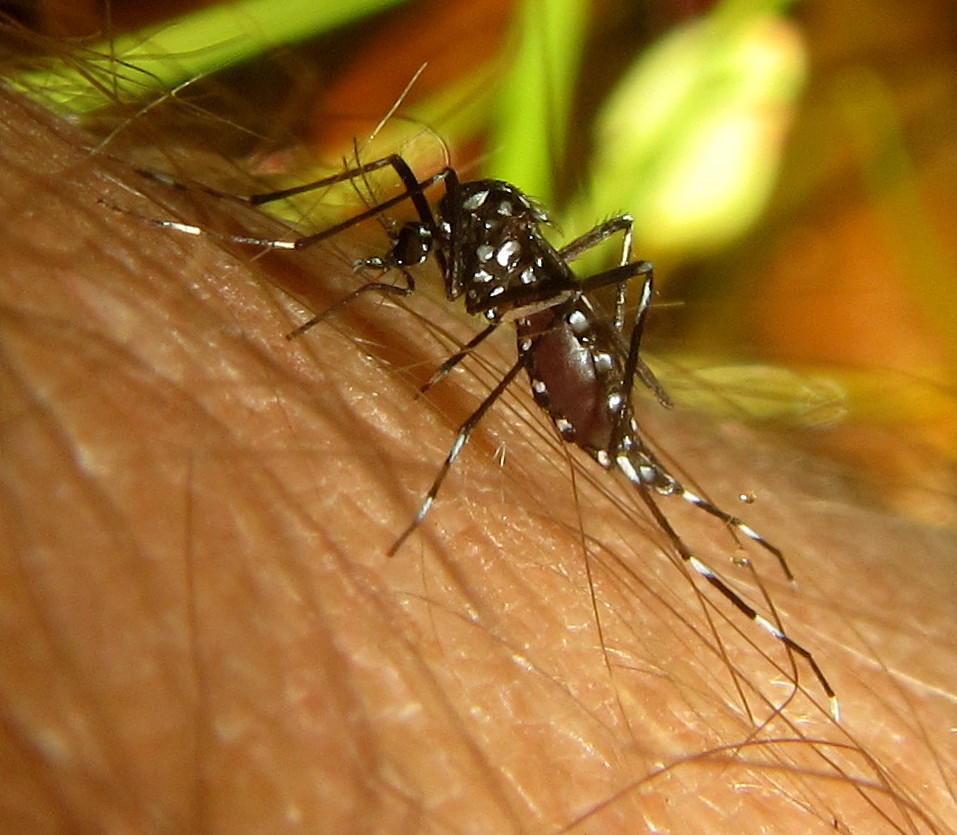
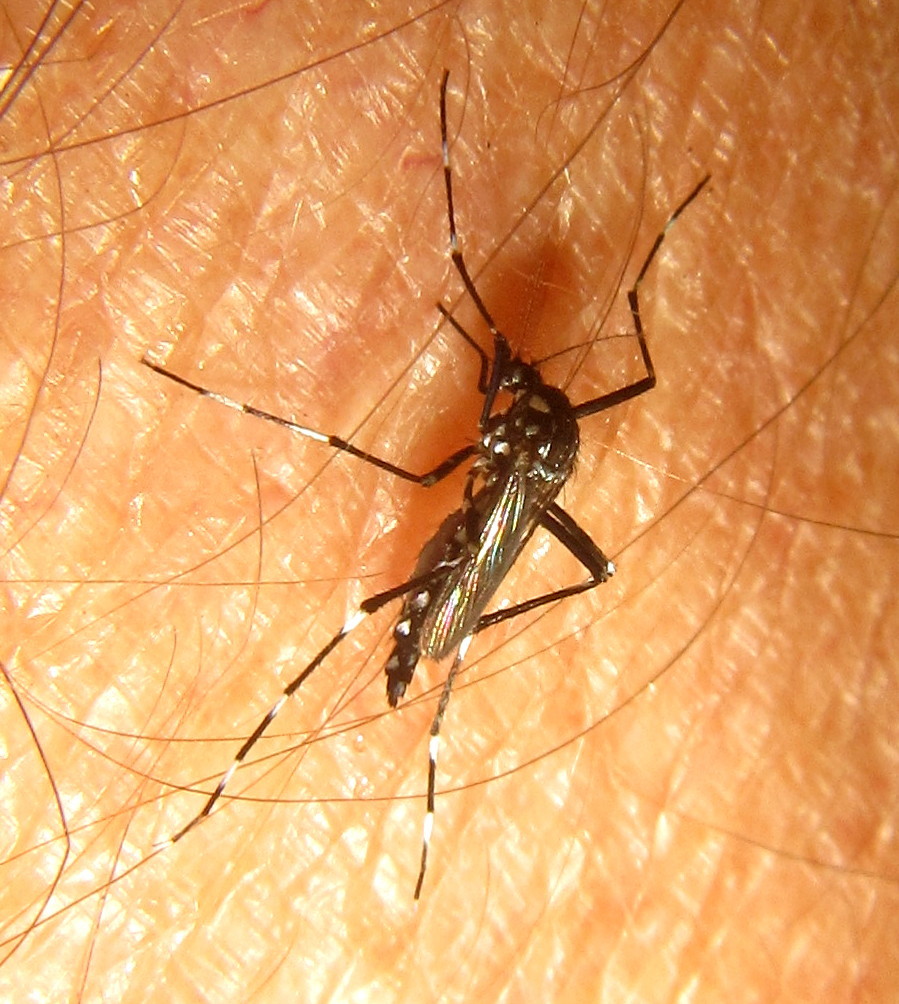
Aedes bromeliae is a mosquito species characterized by typical culicid morphology. Observations of specimens in the TreeOfLife-200M dataset reveal a slender body with long, delicate legs and narrow, elongated wings. The thorax and abdomen exhibit distinct patterns of dark and light scales, which are characteristic of many Aedes species. The head features prominent compound eyes and slender, forward-projecting antennae, with a long, needle-like proboscis adapted for blood-feeding.[1]
Ecology and Habitat
Aedes bromeliae is a native mosquito species in Zanzibar, where it has been identified alongside Aedes aegypti as a vector of potential arboviral disease significance.[2]
The species is found in both urban and rural areas. It utilizes various natural and artificial water-holding containers as larval habitats. Its occurrence and abundance are significantly associated with the presence of improperly managed solid waste and containers used for gardening activities. In hotel compounds, Ae. bromeliae has been observed to be highly abundant in discarded plastic containers located in gardens, open spaces, and plant nurseries. The species shows a preference for habitats exposed to sunlight for approximately half of the day.[2]
Public Health Significance
Aedes bromeliae is recognized as a highly efficient transmitter of life-threatening arboviruses between humans or between other primates and humans. Its presence in tourist-frequented areas, such as hotel compounds, poses a potential threat to public health, particularly regarding the risk of arboviral epidemics, as these locations may facilitate contact between local vectors and infectious hosts arriving from endemic regions.[2]
Gallery
References
- 1 2 Dataset view for Animalia / Arthropoda / Insecta / Diptera / Culicidae / Aedes / bromeliae constructed from imageomics/TreeOfLife-200M records under this taxonomic path. Hugging Face Datasets. https://huggingface.co/datasets/imageomics/TreeOfLife-200M.
- 1 2 3 Ayubo Kampango; Peter Furu; Divakara L. Sarath; Khamis Haji; Flemming Konradsen; Karin L. Schiøler; Michael Alifrangis; Fatma Saleh; Christopher W. Weldon. Risk factors for occurrence and abundance of Aedes aegypti and Aedes bromeliae at hotel compounds in Zanzibar. Parasites & Vectors. 2021. https://doi.org/10.1186/s13071-021-05005-9.