Aedes andersoni
Taxonomy
This page represents the following TreeOfLife-200M taxonomic path.[1]
- Kingdom: Animalia
- Phylum: Arthropoda
- Class: Insecta
- Order: Diptera
- Family: Culicidae
- Genus: Aedes
- Species: Aedes andersoni
Visual Description
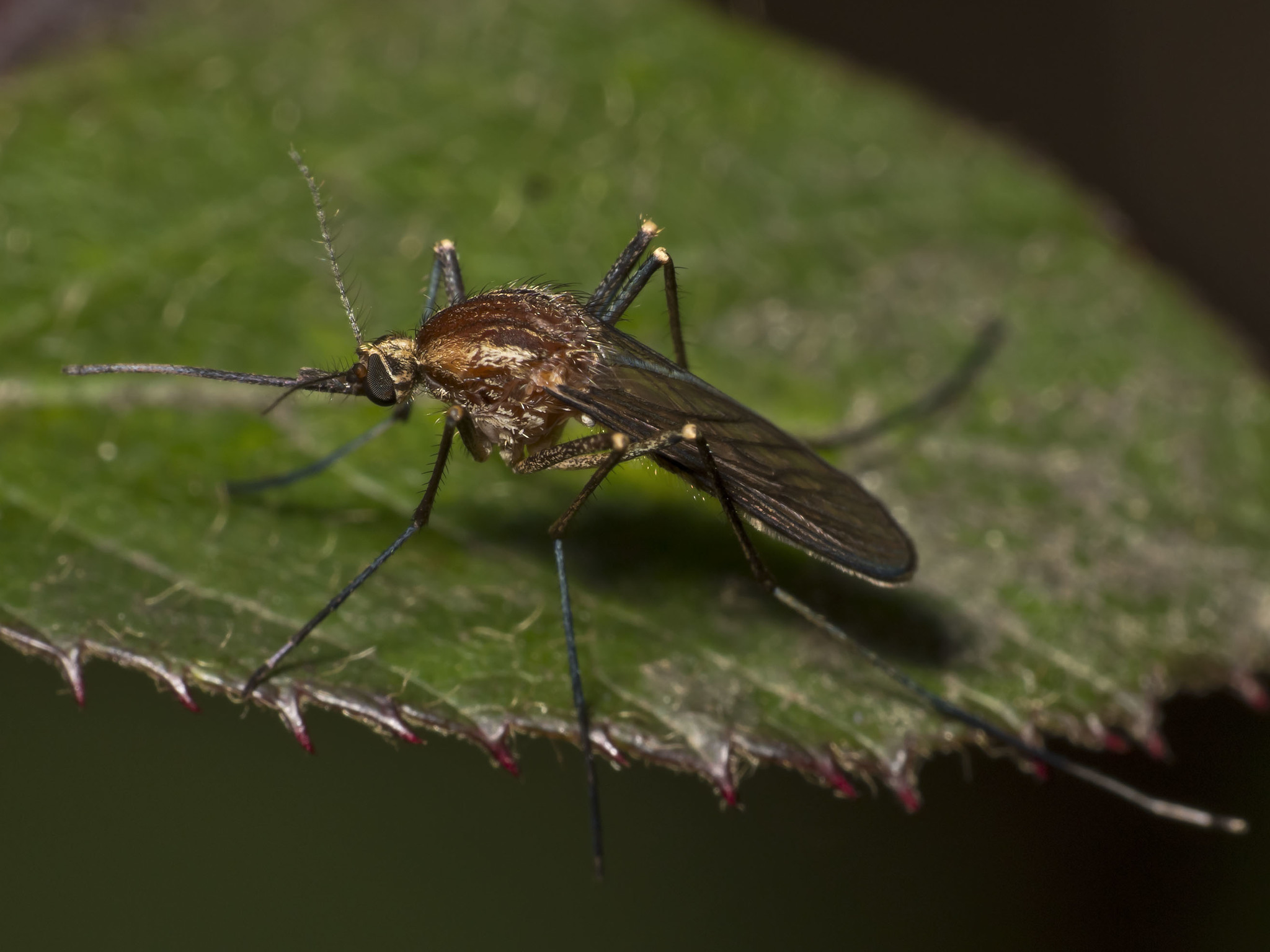
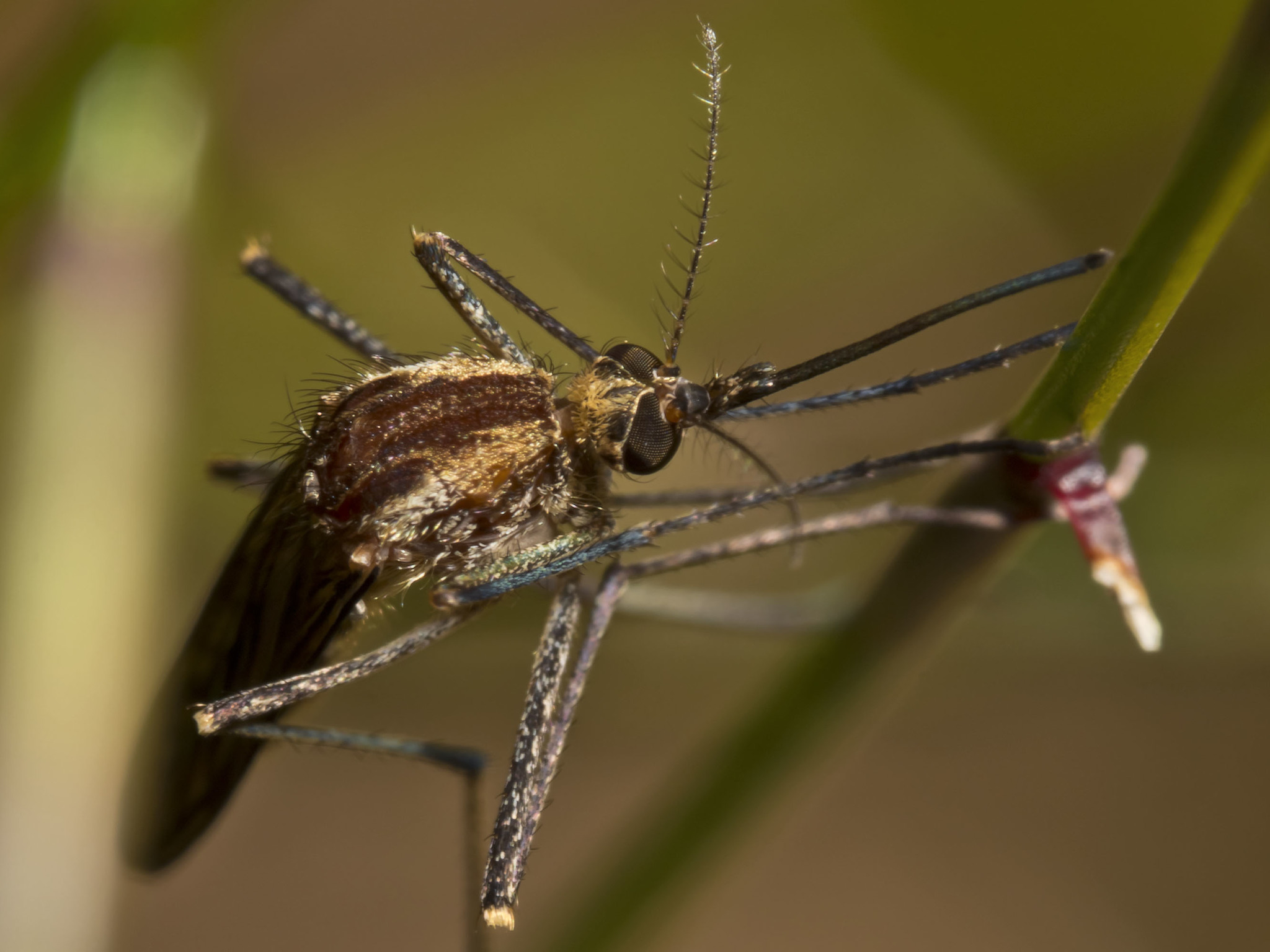
Aedes andersoni exhibits typical morphological characteristics of the family Culicidae. Observations from available image data indicate a slender body structure consistent with other members of the genus Aedes[1]. The specimens display characteristic long, thin legs and a pair of prominent, multi-segmented antennae. The thorax and abdomen show distinct patterns of coloration, often featuring scales that contribute to the overall appearance of the mosquito's integument[1].
General Information
Aedes andersoni was described by the entomologist F.W. Edwards in 1926[2]. As a member of the genus Aedes, it belongs to a group of mosquitoes that includes several important vectors of human and animal diseases. While specific ecological and physiological data for Aedes andersoni are limited, research on related species, such as Aedes albopictus, has highlighted the importance of microbial symbionts, including Wolbachia and various cultivable bacteria, in the biology and vector competence of these mosquitoes[3].
Gallery
References
- 1 2 3 Dataset view for Animalia / Arthropoda / Insecta / Diptera / Culicidae / Aedes / andersoni constructed from imageomics/TreeOfLife-200M records under this taxonomic path. Hugging Face Datasets. https://huggingface.co/datasets/imageomics/TreeOfLife-200M.
- ↑ Aedes andersoni Edwards, 1926. GBIF. https://www.gbif.org/species/1652116. Accessed 2026-07-15.
- ↑ Karima Zouache; Denis Voronin; Van Tran-Van; Laurence Mousson; Anna‐Bella Failloux; Patrick Mavingui. Persistent Wolbachia and Cultivable Bacteria Infection in the Reproductive and Somatic Tissues of the Mosquito Vector Aedes albopictus. PLoS ONE. 2009. https://doi.org/10.1371/journal.pone.0006388.