Aedes albifasciatus
Taxonomy
This page represents the following TreeOfLife-200M taxonomic path.[1]
- Kingdom: Animalia
- Phylum: Arthropoda
- Class: Insecta
- Order: Diptera
- Family: Culicidae
- Genus: Aedes
- Species: Aedes albifasciatus
Visual Description
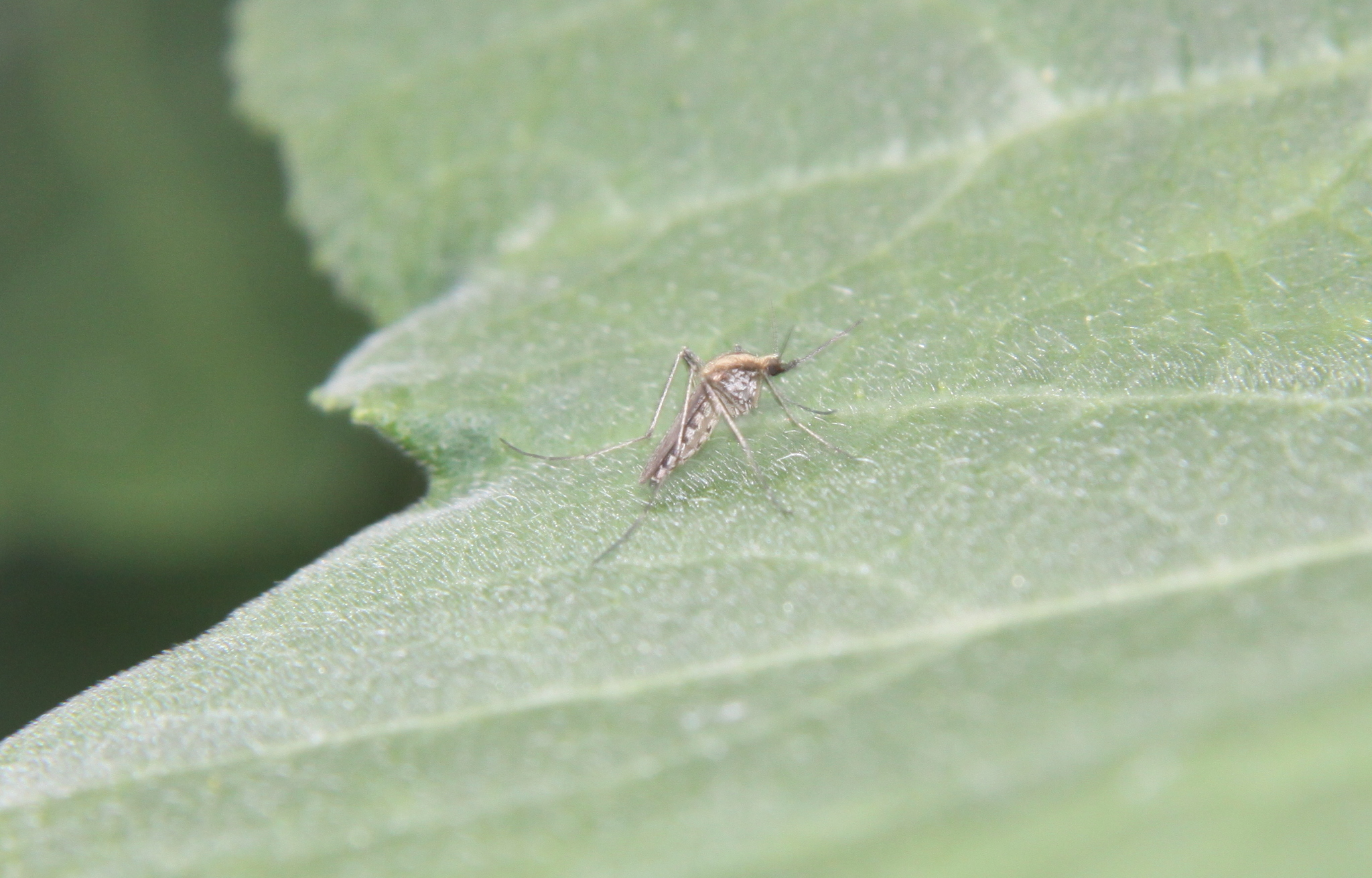
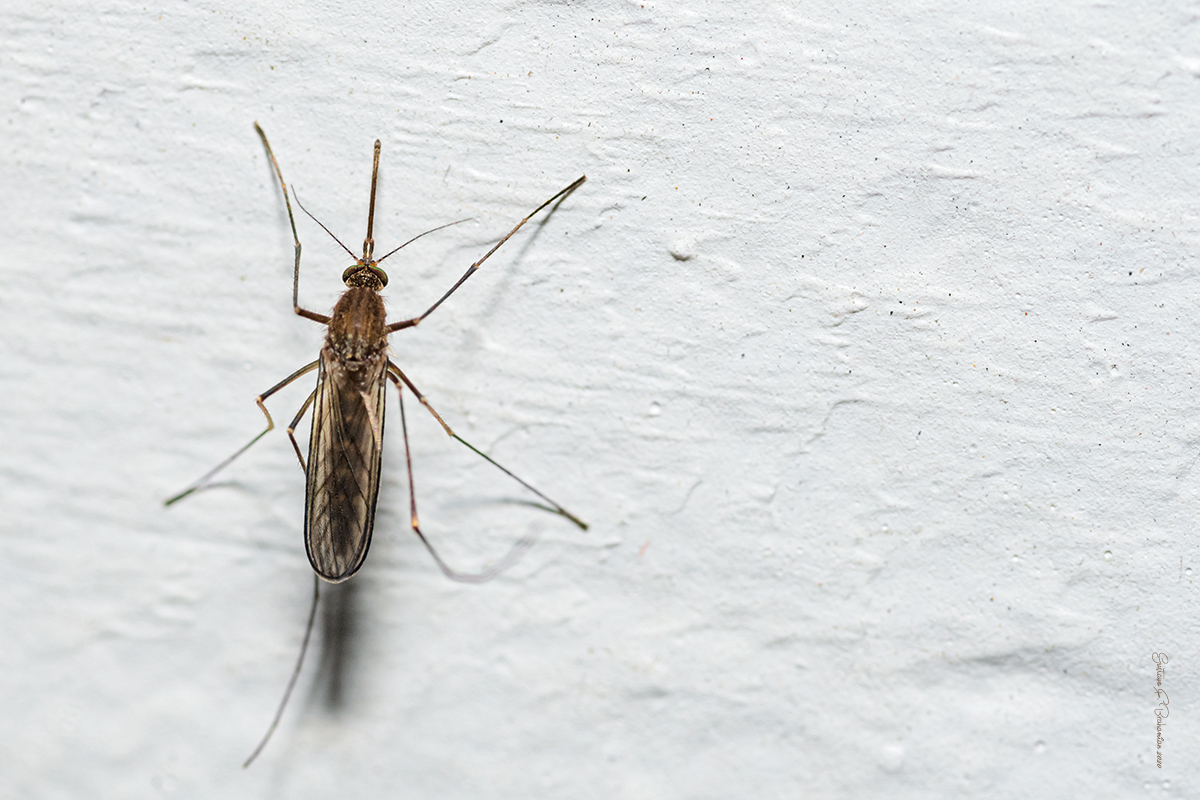
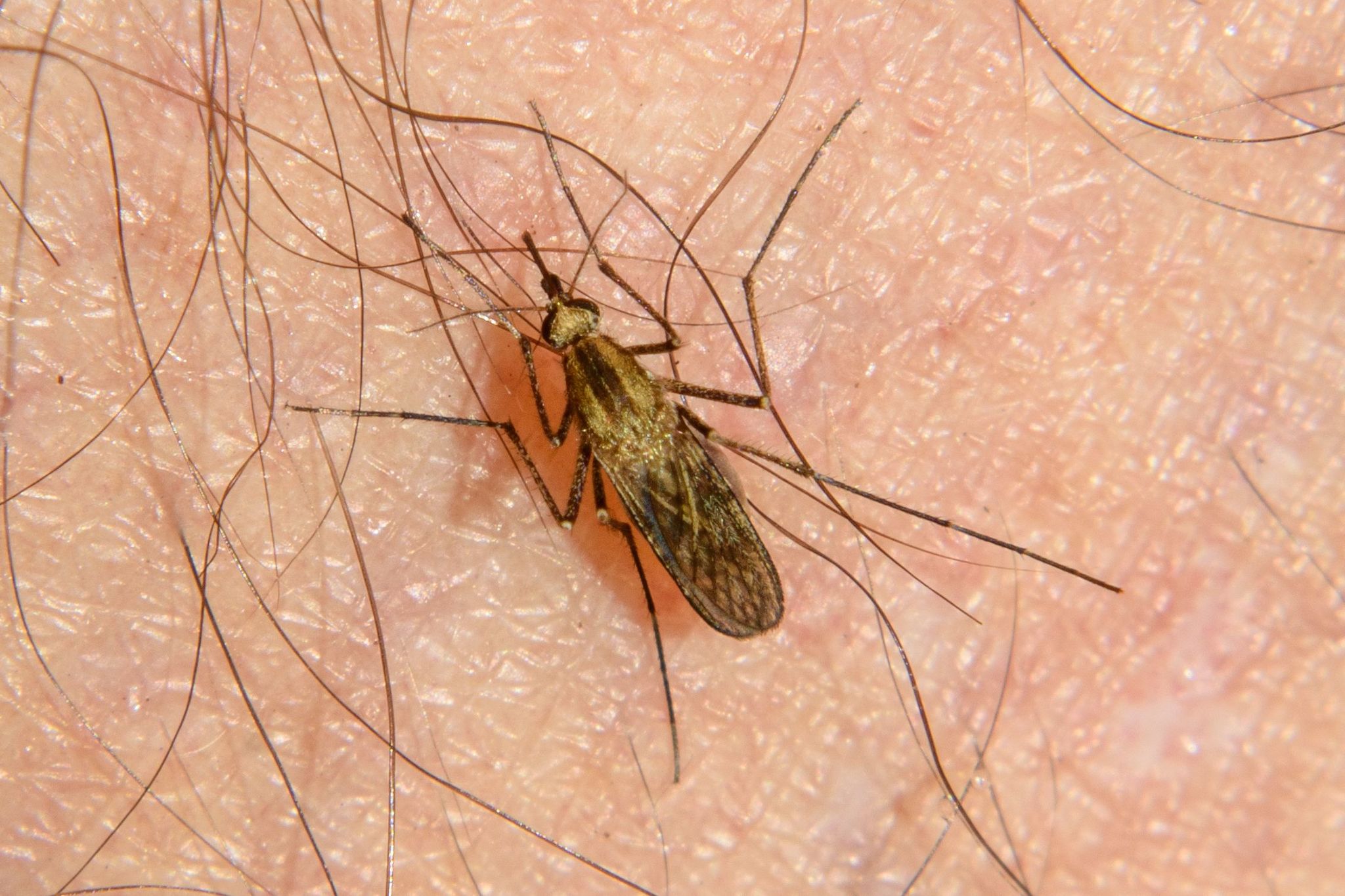
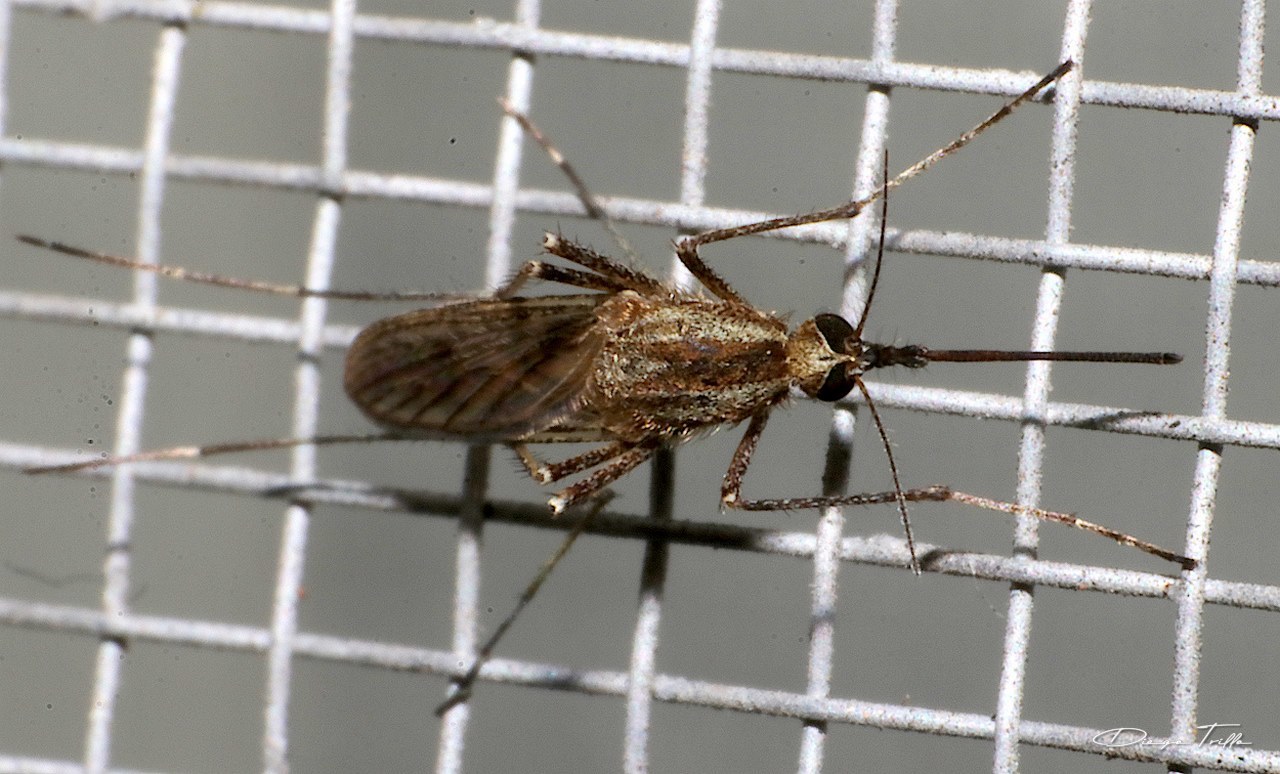
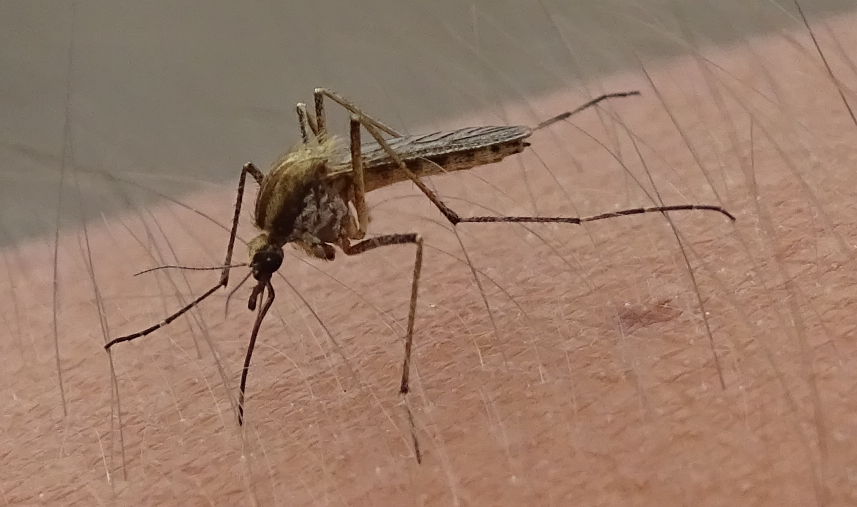
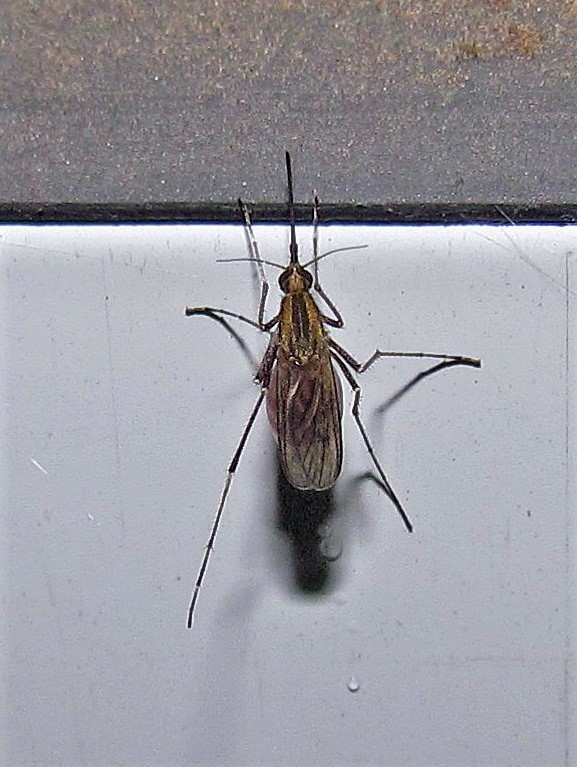
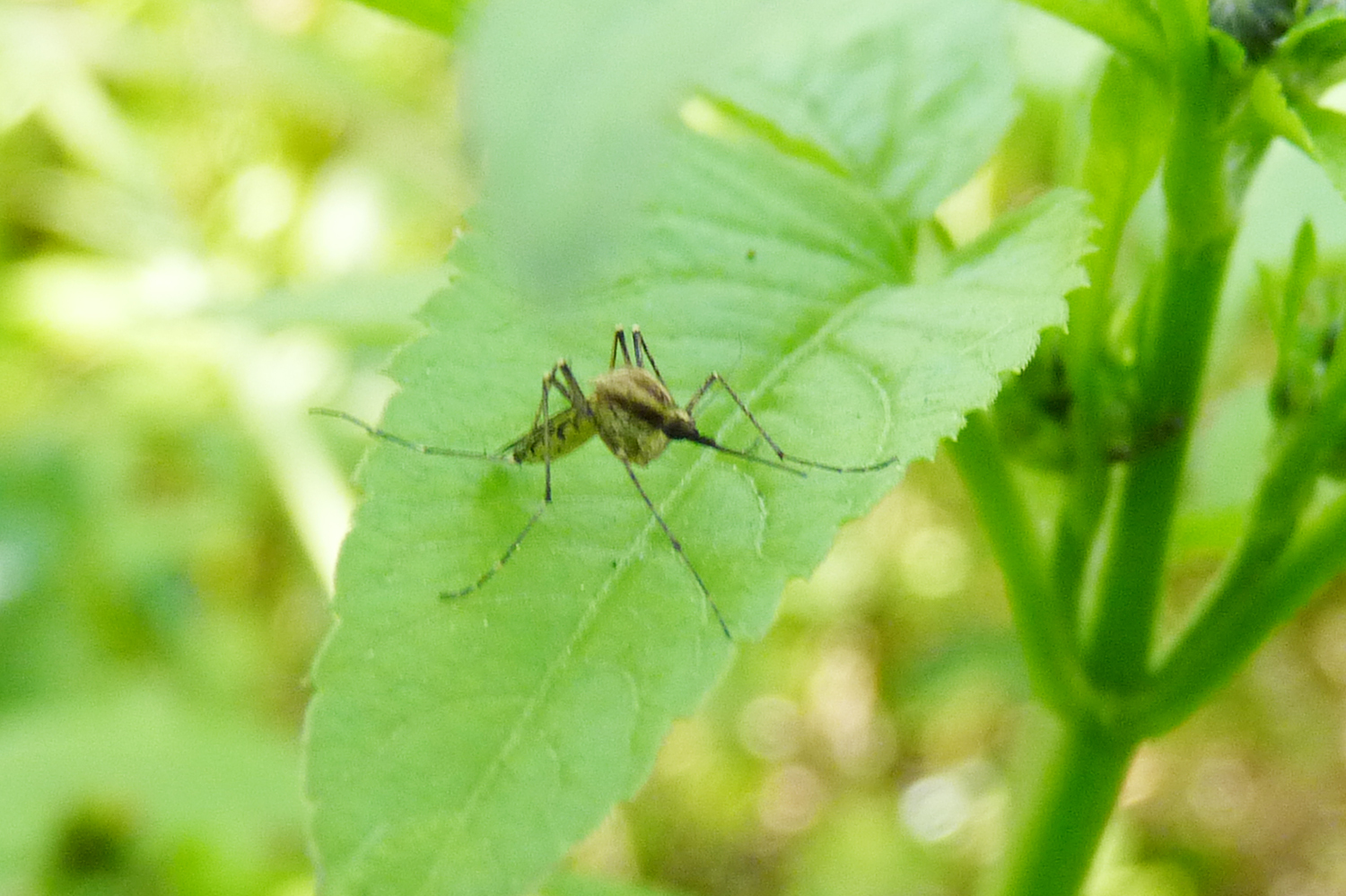
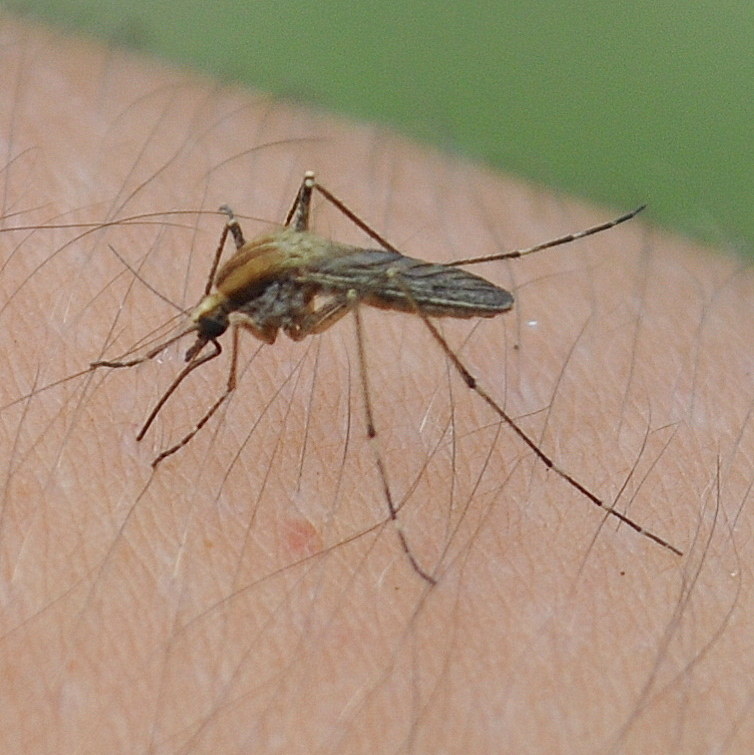
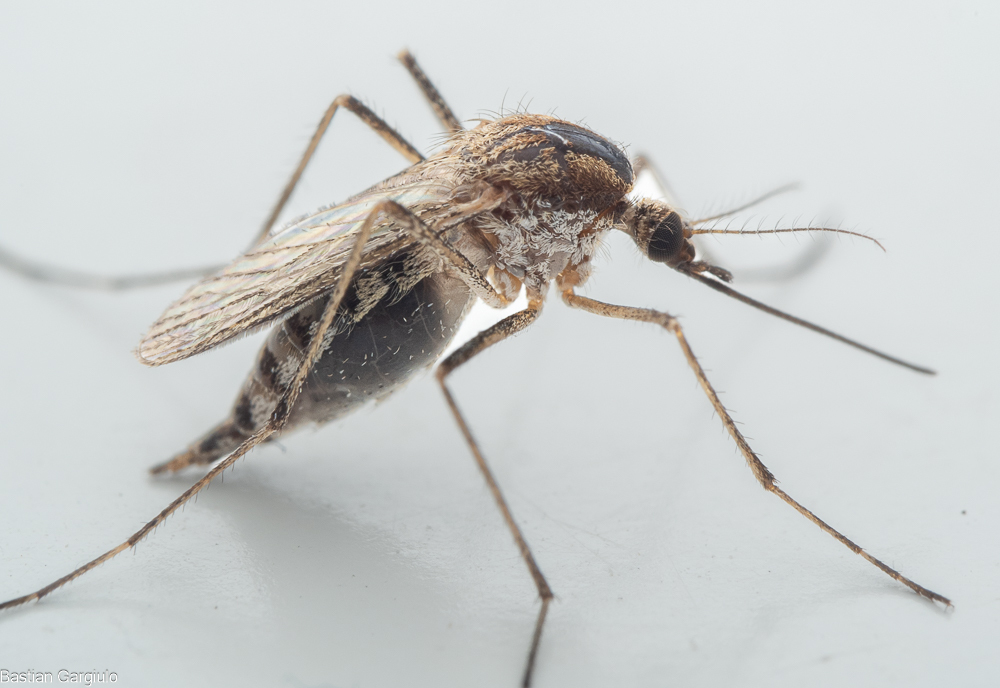
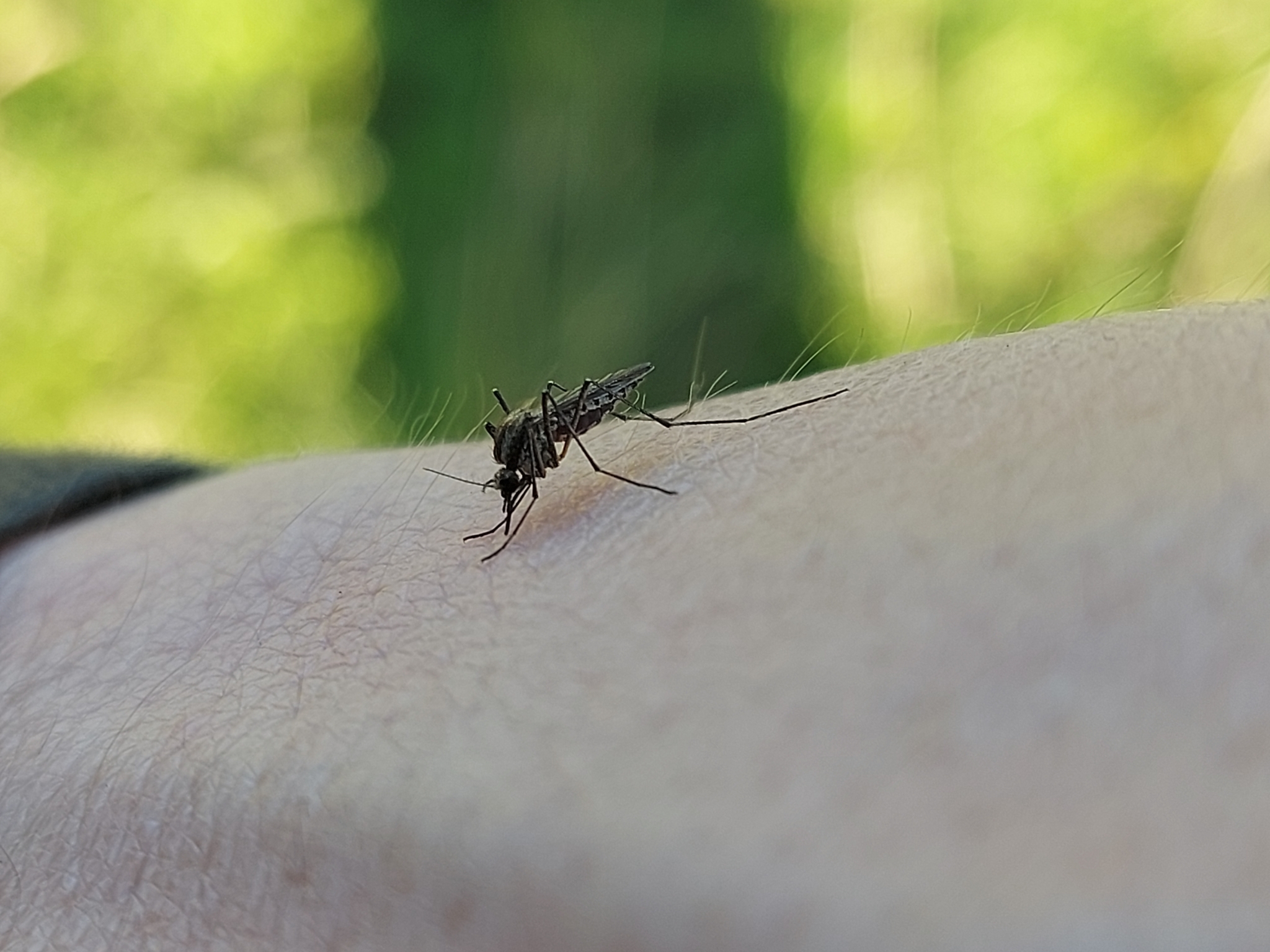
Aedes albifasciatus is a mosquito species characterized by distinct morphological features typical of the genus. Observations from the TreeOfLife-200M dataset indicate that individuals possess a dark, slender body with prominent, light-colored banding patterns on the abdomen and legs.[1] The wings are typically narrow and transparent with fine scaling. The overall form is consistent with other floodwater mosquitoes, exhibiting a clear head with large compound eyes and long, slender appendages.[1]
Biology and Ecology
Aedes albifasciatus is a Neotropical floodwater mosquito widely distributed in the Southern Cone of South America, including Bolivia, southern Brazil, Uruguay, Chile, and throughout Argentina to Tierra del Fuego.[2]
The species exhibits a biology typical of floodwater mosquitoes, with females ovipositing in temporarily flooded, depressed areas. The eggs are resistant to prolonged drought. Larval hatching is triggered when these areas are flooded to 90–100% capacity, particularly after the site has remained dry for several days or weeks.[2]
The duration of the immature stages is temperature-dependent, ranging from 6–8 days in summer to 43 days in autumn–winter. While populations can increase drastically and are considered important pests in urban and agricultural areas, they do not exhibit a strictly predictable seasonal pattern, though spring and autumn are generally more favorable for hatching due to higher precipitation.[2]
Interactions
Aedes albifasciatus is known to act as a vector for various pathogens, including the Maguari virus, Fort Sherman virus, and Saint Louis encephalitis virus.[3]
Gallery
References
- 1 2 3 Dataset view for Animalia / Arthropoda / Insecta / Diptera / Culicidae / Aedes / albifasciatus constructed from imageomics/TreeOfLife-200M records under this taxonomic path. Hugging Face Datasets. https://huggingface.co/datasets/imageomics/TreeOfLife-200M.
- 1 2 3 Juan José García; María Victoria Micieli. Estacionalidad poblacional de los estados inmaduros de <i>Aedes albifasciatus</i> (Djptera: Culicidae) en la provincia de Buenos Aires, Argentina. Revista de Biología Tropical. 1969. https://doi.org/10.15517/rbt.v48i2-3.18831.
- ↑ Aedes albifasciatus. Global Biotic Interactions. https://www.globalbioticinteractions.org/?targetTaxon=Aedes%20albifasciatus. Accessed 2026-07-14.