Advhena magnifica
Taxonomy
This page represents the following TreeOfLife-200M taxonomic path.[1]
- Kingdom: Animalia
- Phylum: Porifera
- Class: Hexactinellida
- Order: Lyssacinosida
- Family: Euplectellidae
- Genus: Advhena
- Species: Advhena magnifica
Visual Description
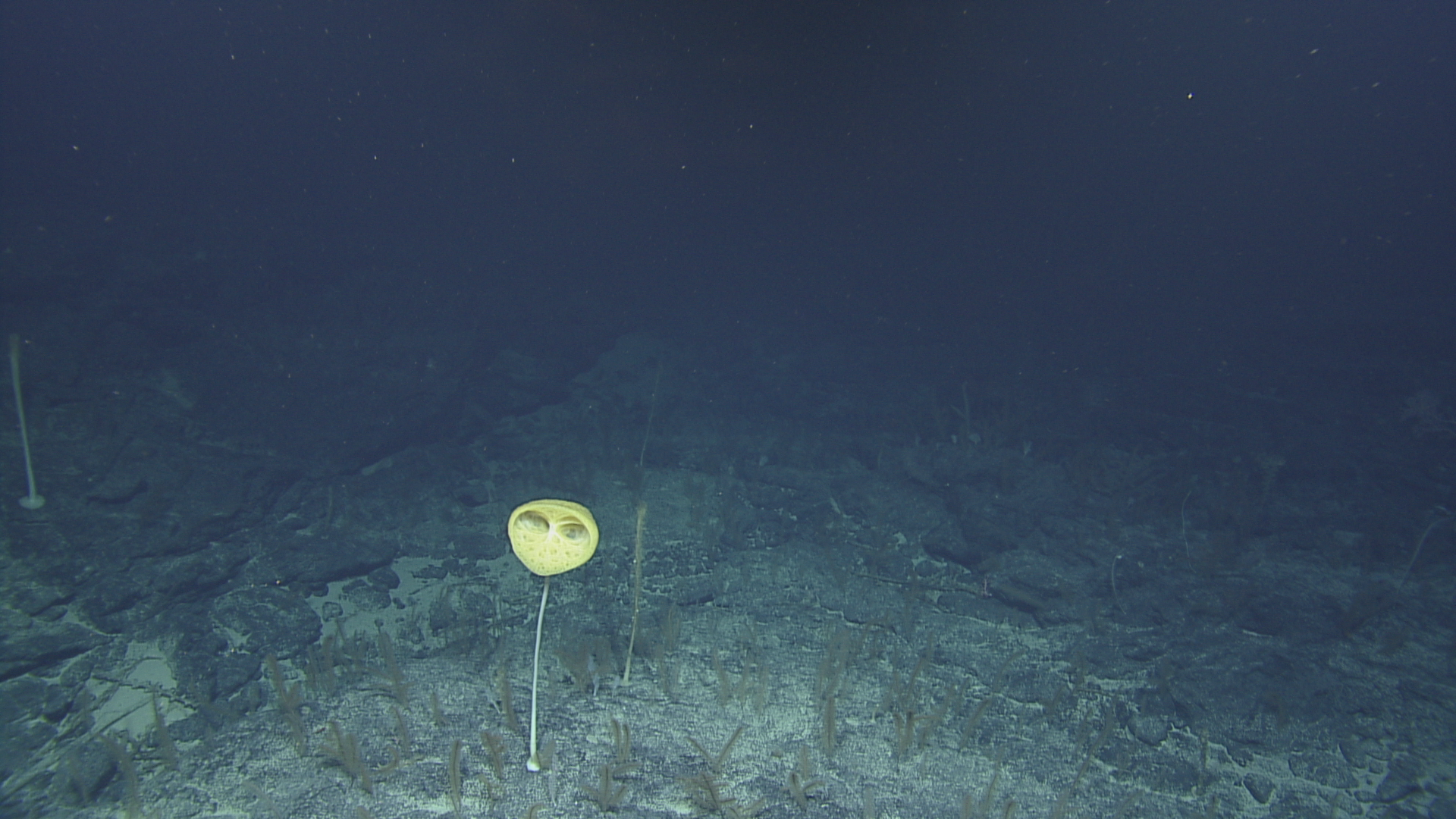
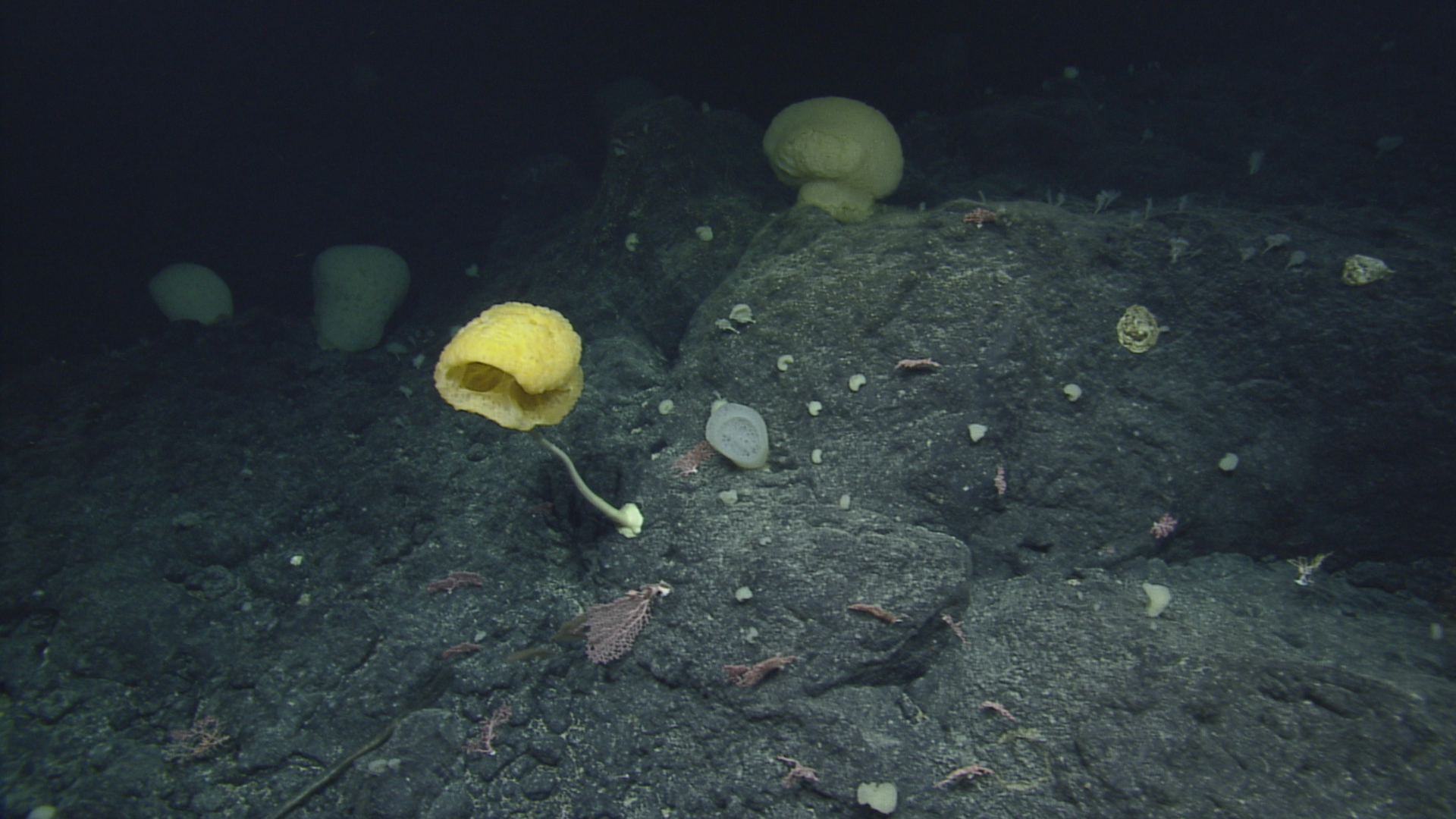
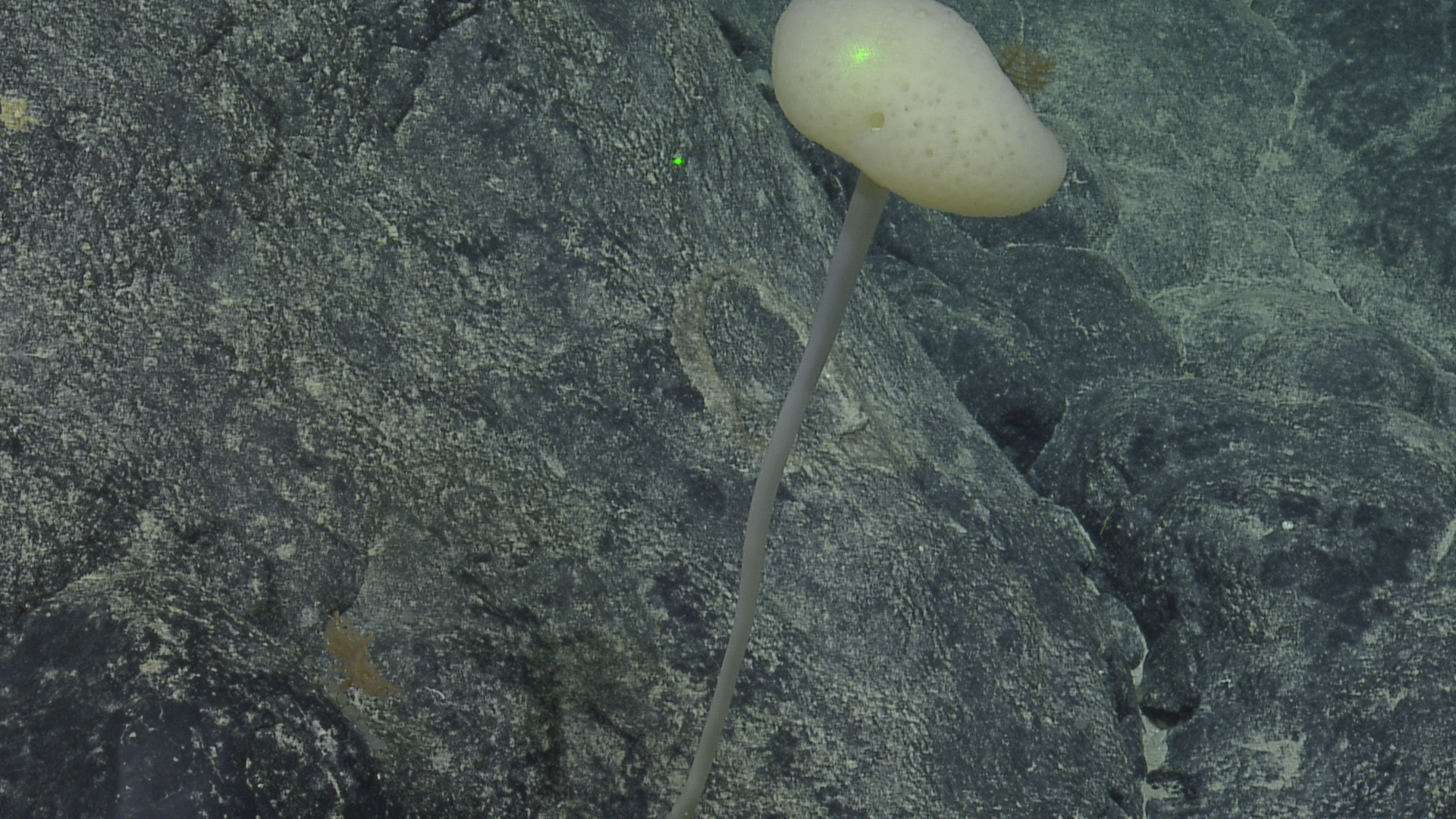
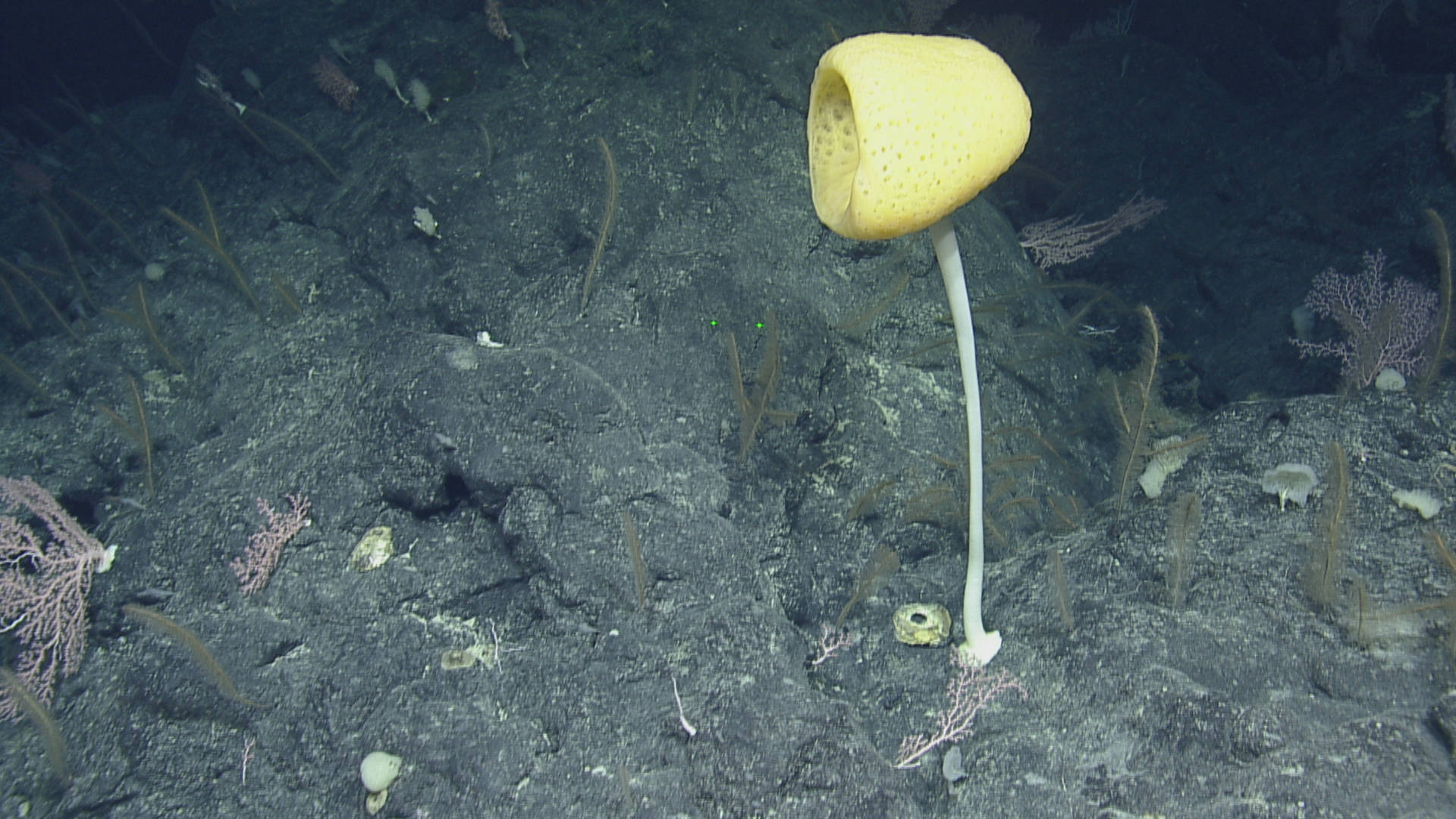
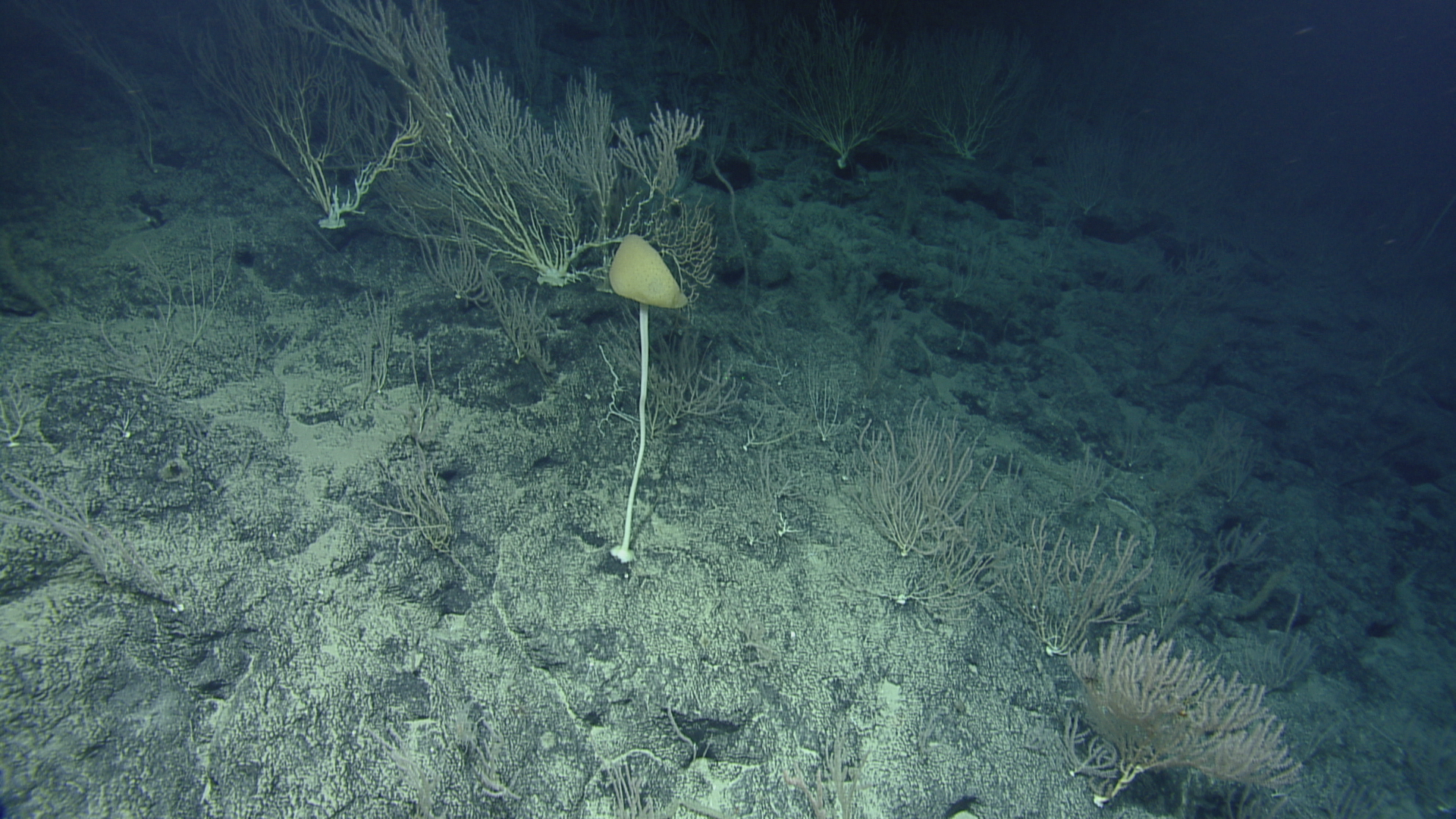
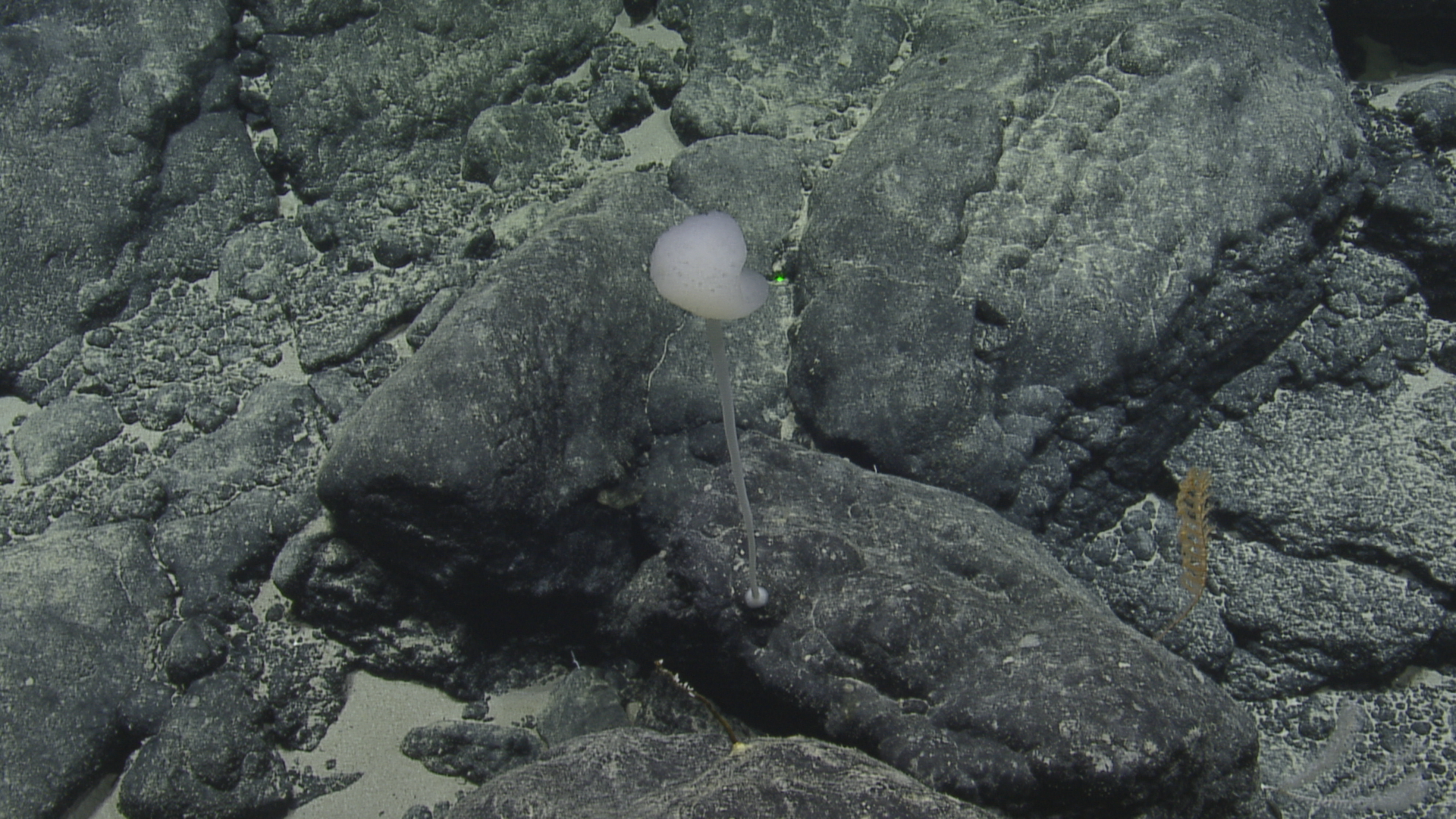
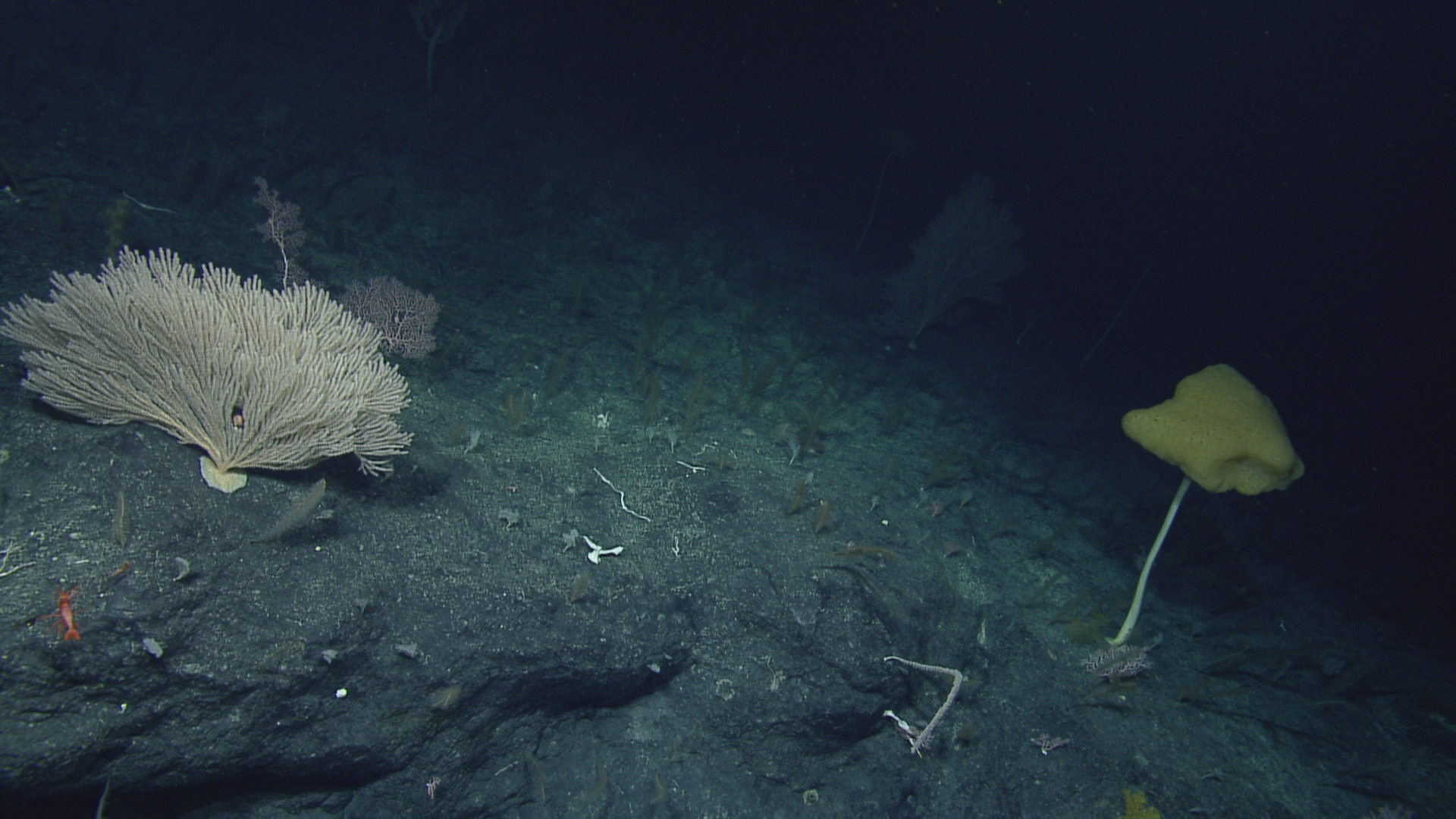
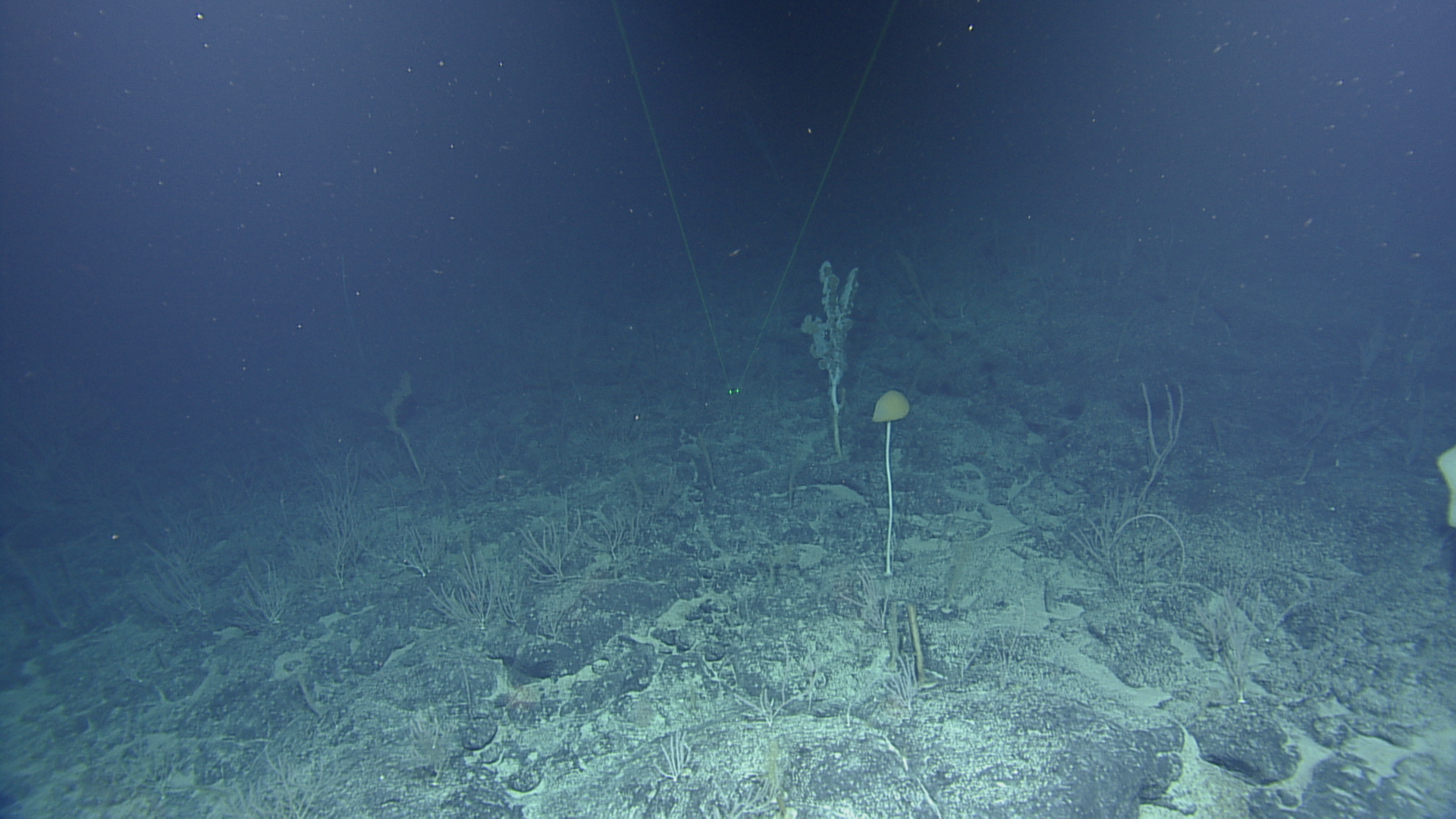
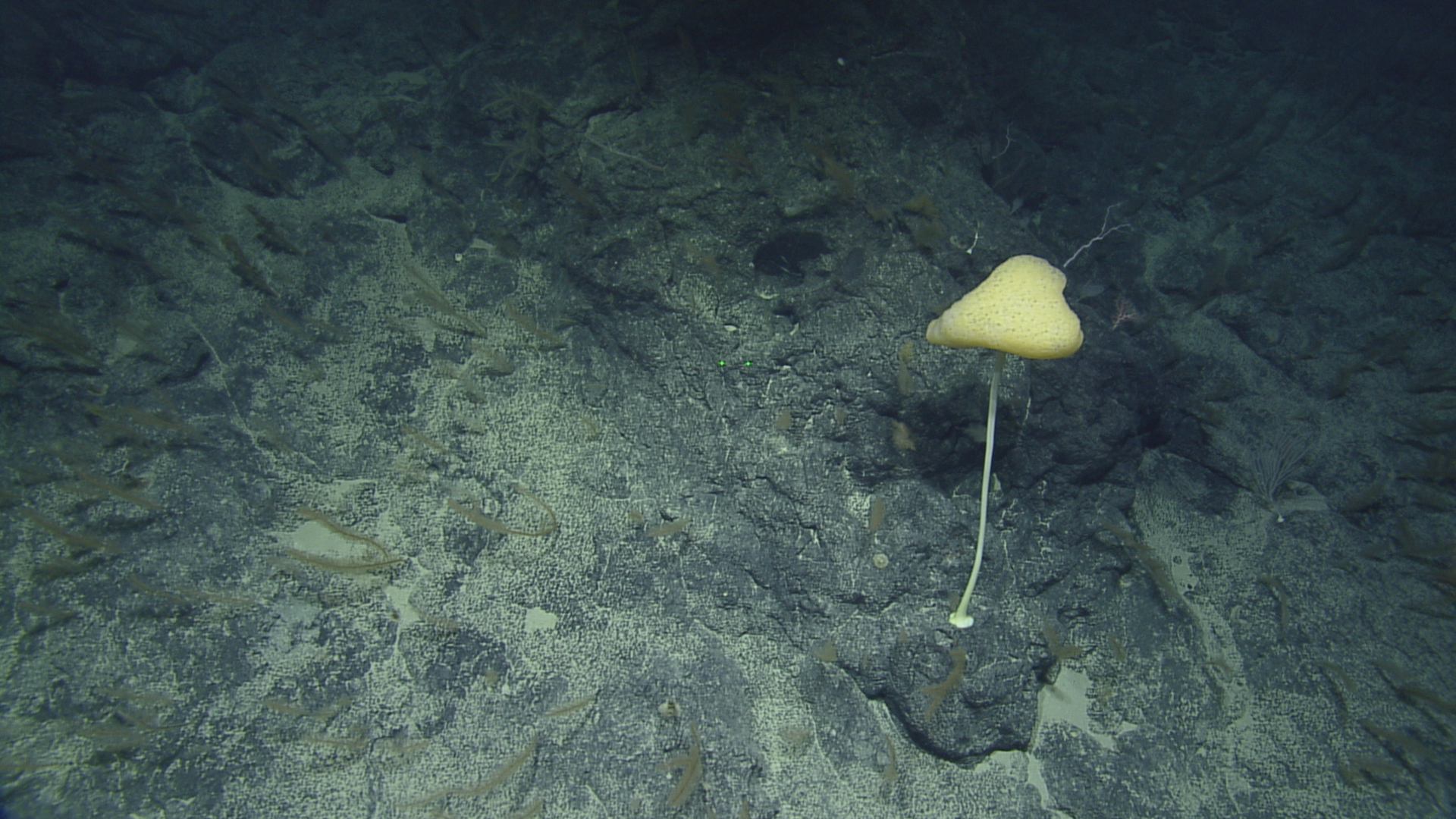
Advhena magnifica is a deep-sea hexactinellid glass sponge in which individuals appear as three-dimensional, branching/reticulate glassy skeletal structures (spicules) seen in situ on hard substrates. As documented in the GBIF/Citizen Science image records used by TreeOfLife-200M, photographs show sponge skeleton morphology consistent with Euplectellidae glass sponges (dense lattice-like frameworks rather than soft-body forms).
Ecology and habitat
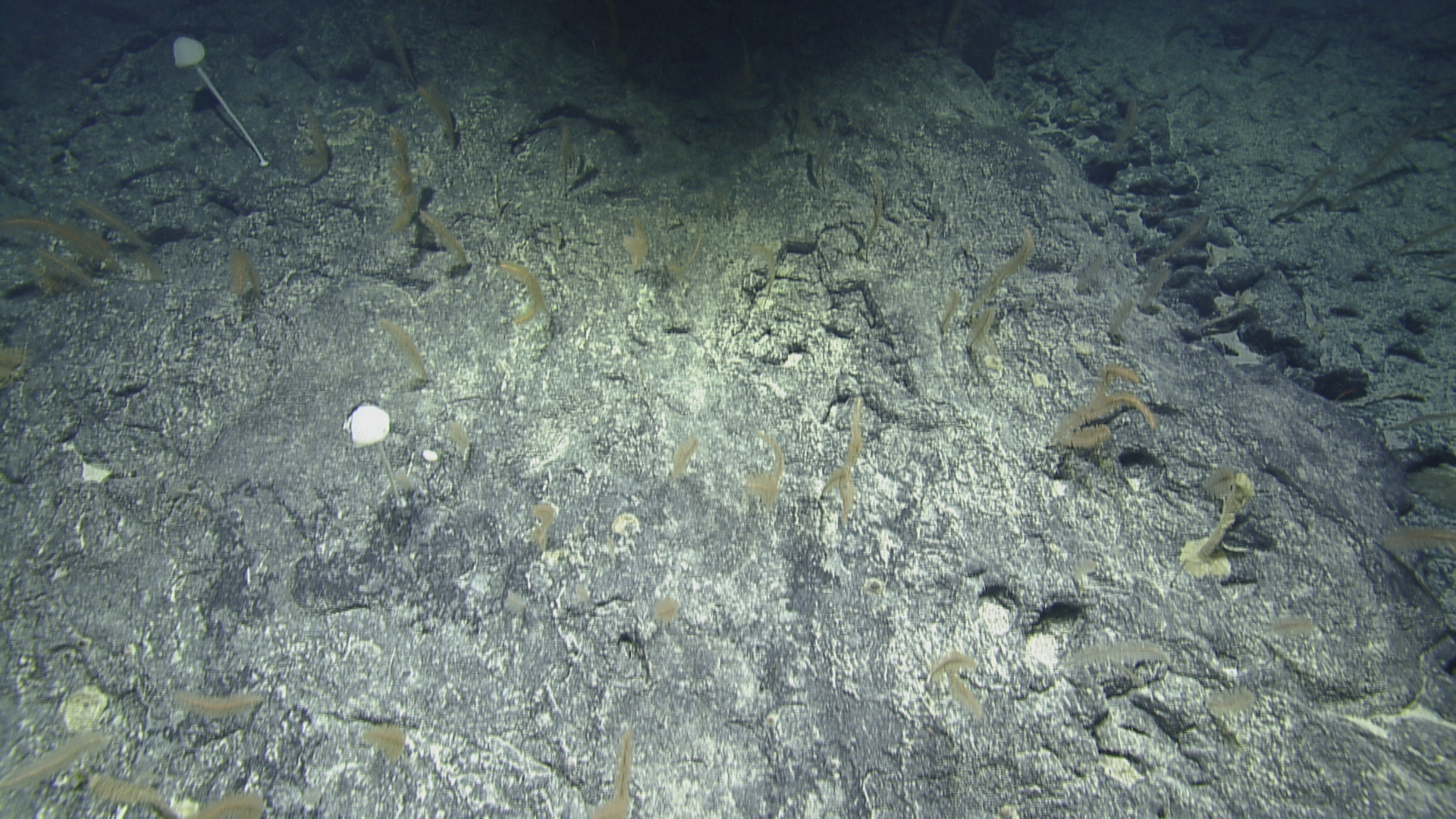
Within a deep-sea “glass sponge–dominated” community on a ridge at Johnston Atoll in the Pacific Ocean (about 2,365–2,370 m depth), Advhena magnifica occurs as part of a mapped assemblage dominated by hexactinellids (including Advhena) together with other taxa such as Aspidoscopulia and octocorals.
The study site is characterized as ridge terrain (basalt pillow lava and manganese crust with cemented cobbles and boulders), and the community is analyzed in sectors (“Ridge Crest” and “Ridge”). In this context, A. magnifica is explicitly quantified in the mapped community and described as present in substantial proportions.
Population dynamics (mortality responses)
In spatial analyses of the same ridge-associated community, Mitchell & Harris (2020) report that most taxa’s dead individuals show non-density-dependent (random) spatial distributions relative to living individuals, while some other taxa (e.g., Aspidoscopulia) show evidence consistent with density-dependent mortality in the high-density ridge crest region. For the glass sponges, Advhena magnifica is discussed comparatively as showing comparatively low responsiveness to local doubling of specimen density relative to the contrast group emphasized in the results.
Gallery
References
- ↑ Dataset view for Animalia / Porifera / Hexactinellida / Lyssacinosida / Euplectellidae / Advhena / magnifica constructed from imageomics/TreeOfLife-200M records under this taxonomic path. Hugging Face Datasets. https://huggingface.co/datasets/imageomics/TreeOfLife-200M.