Adreus fascicularis
Taxonomy
This page represents the following TreeOfLife-200M taxonomic path.[1]
- Kingdom: Animalia
- Phylum: Porifera
- Class: Demospongiae
- Order: Tethyida
- Family: Hemiasterellidae
- Genus: Adreus
- Species: Adreus fascicularis
Visual Description
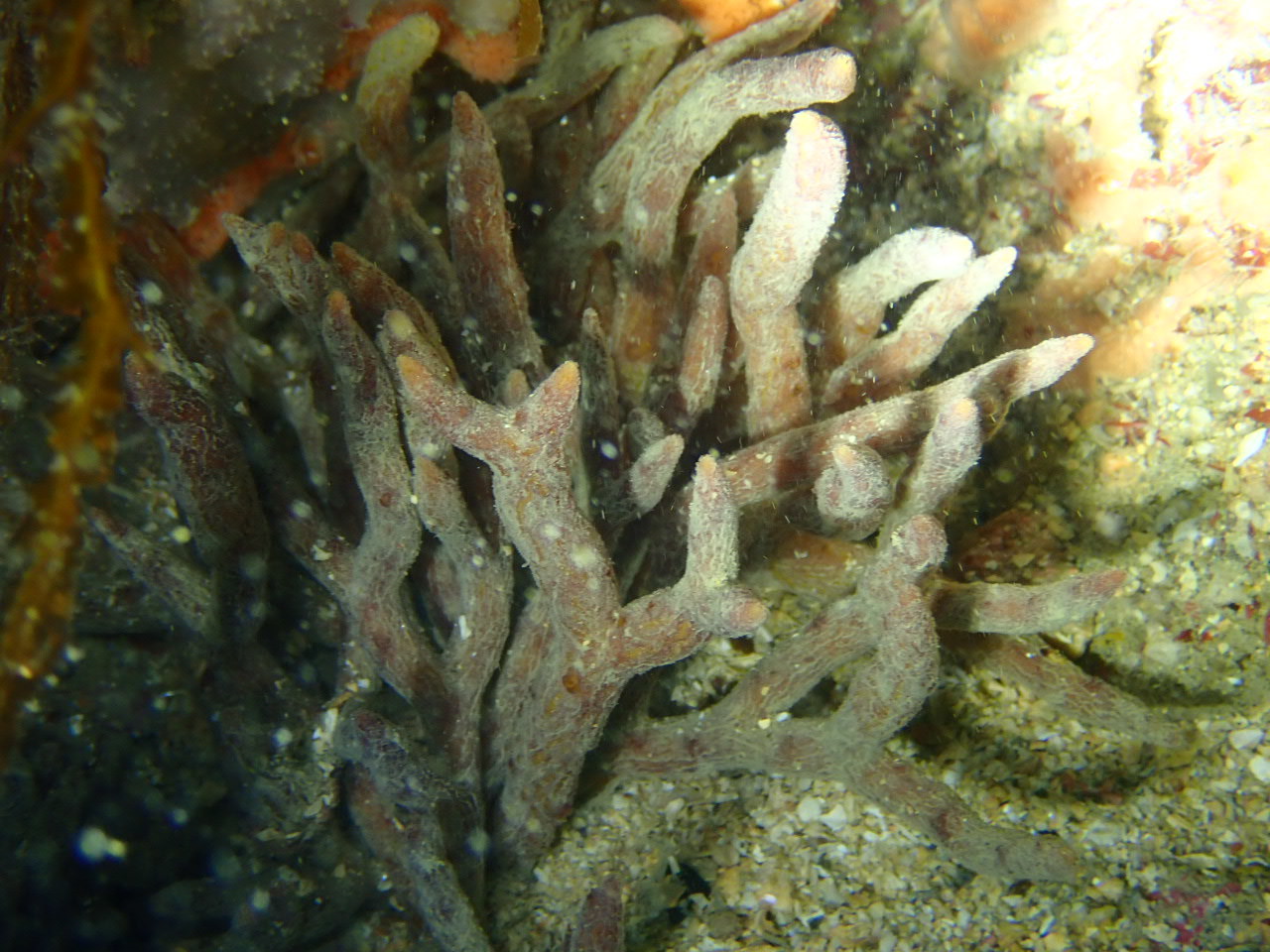
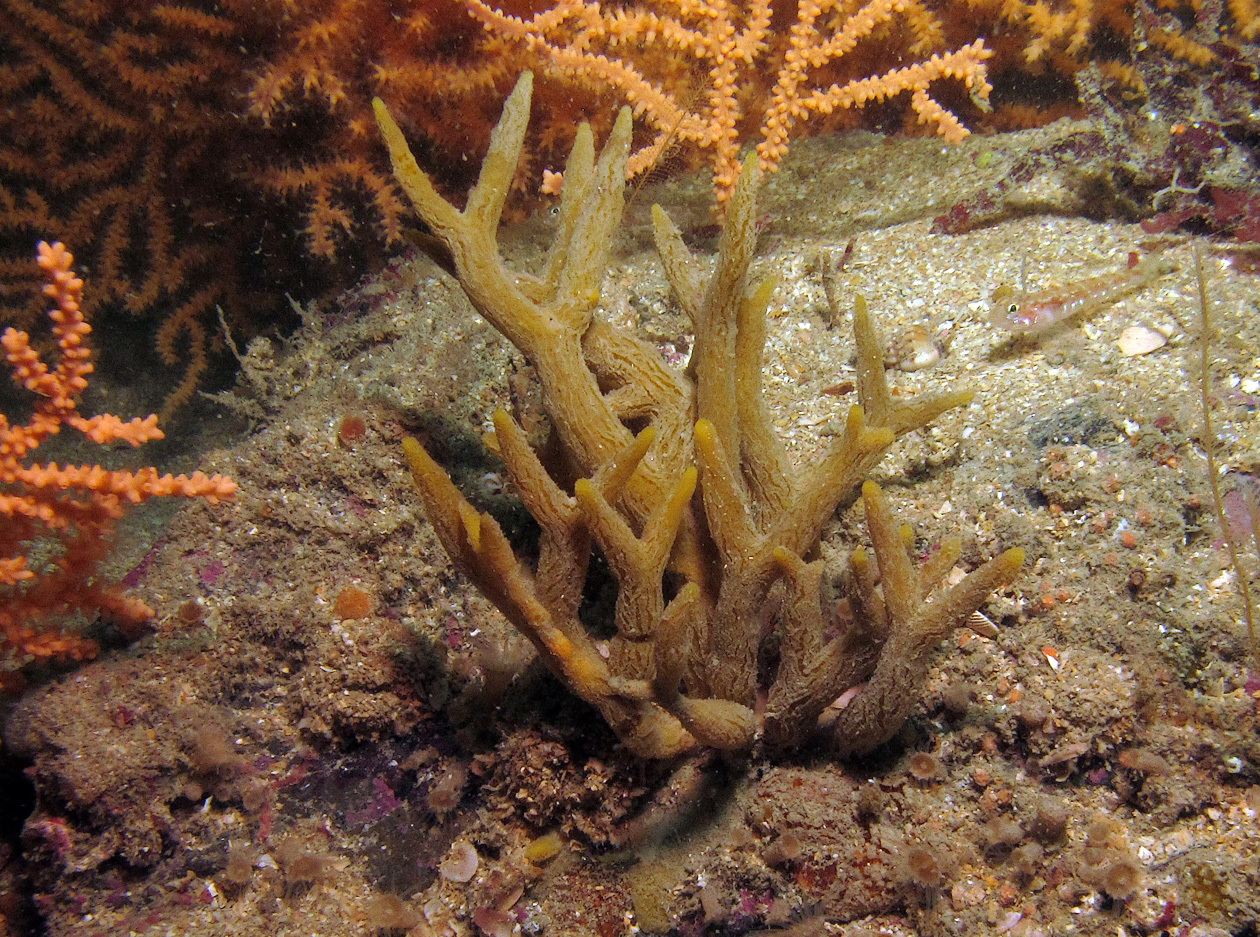
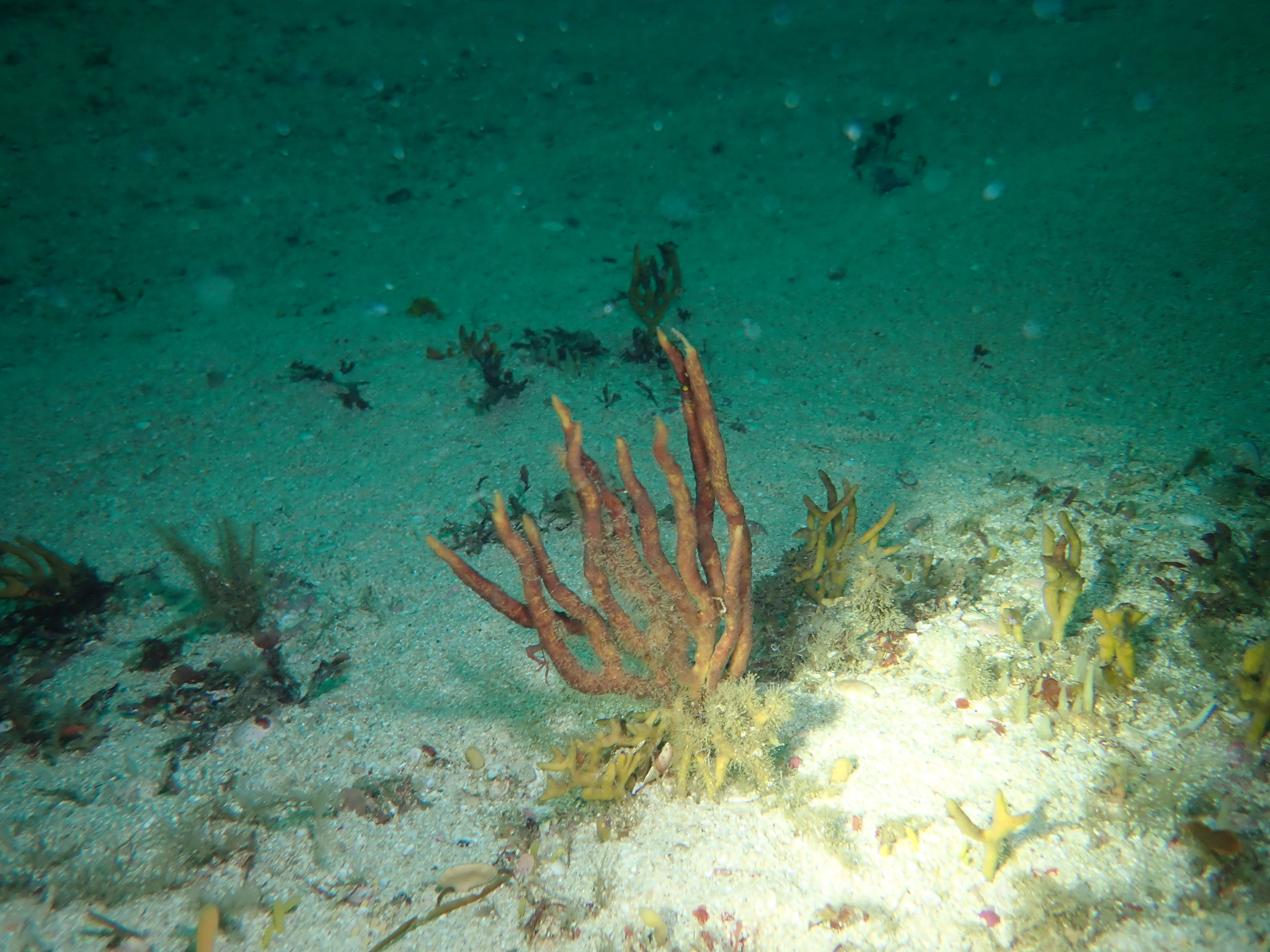
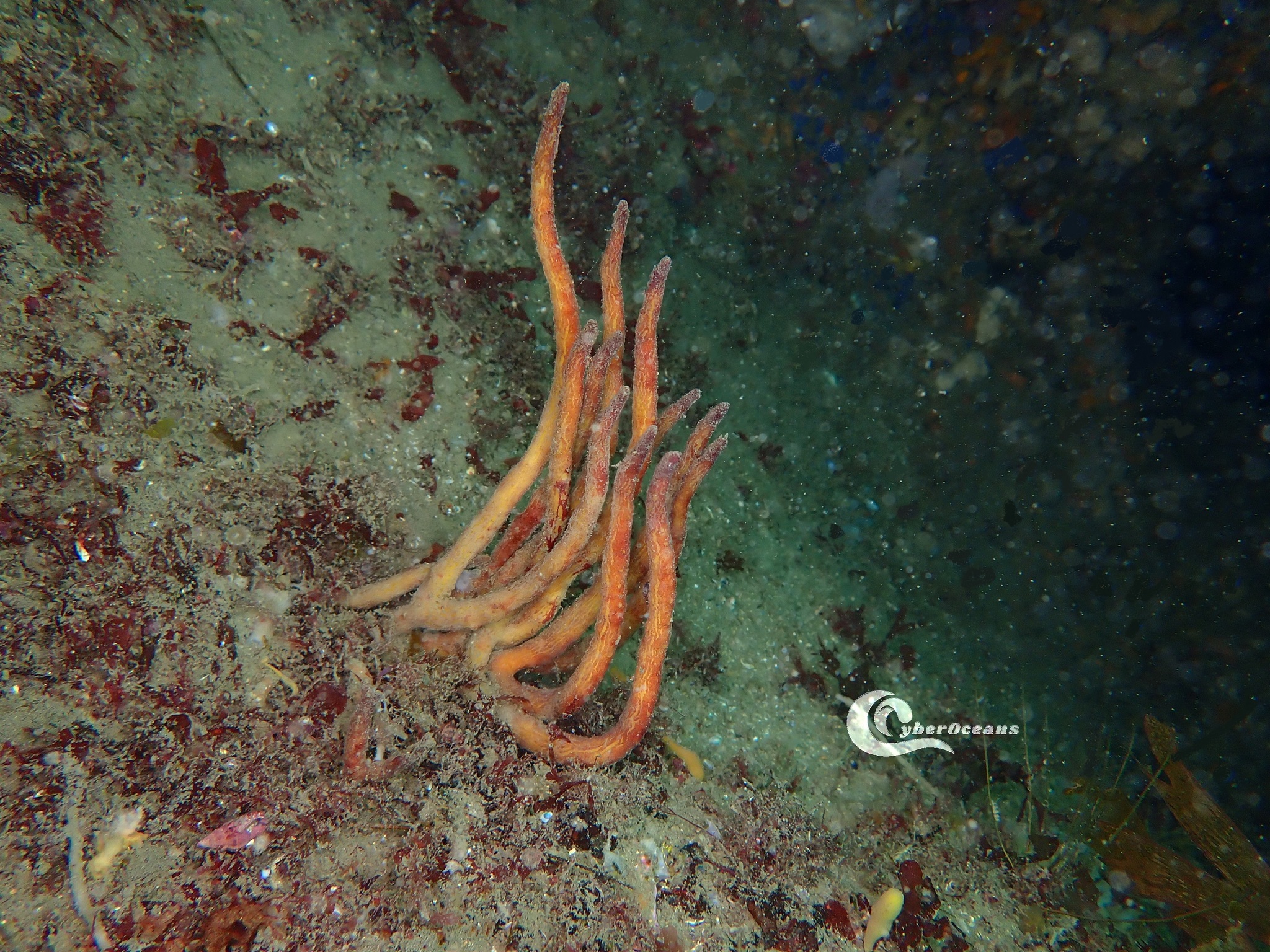
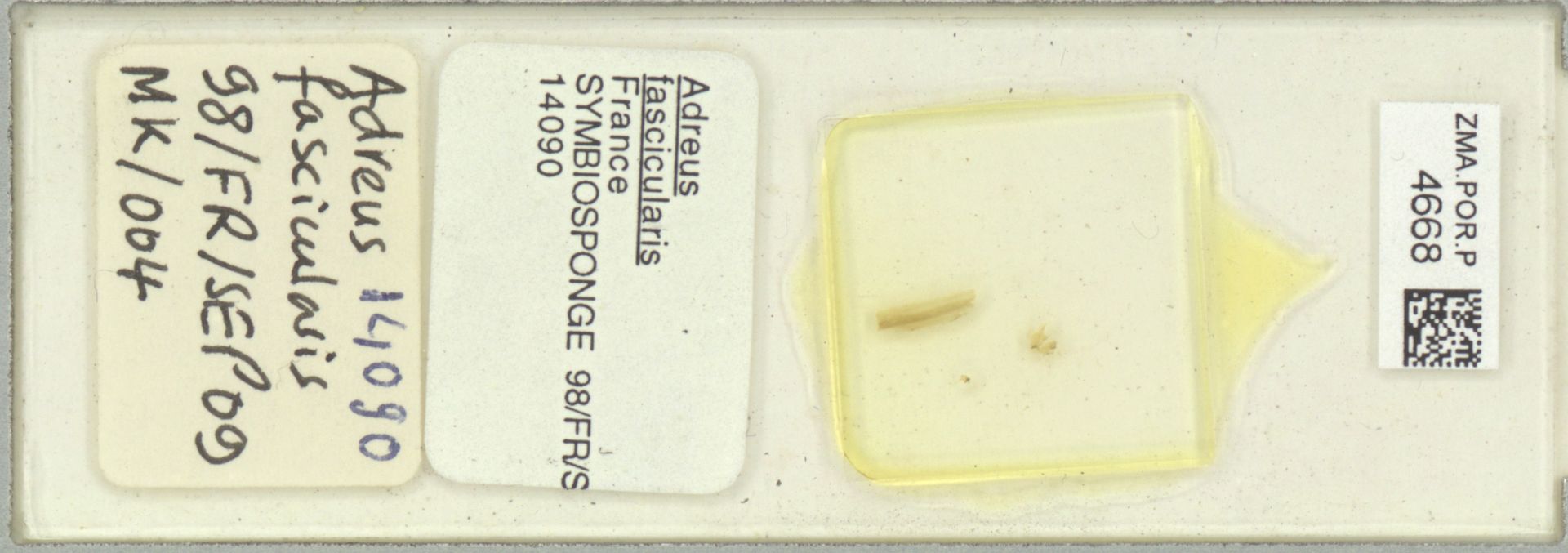
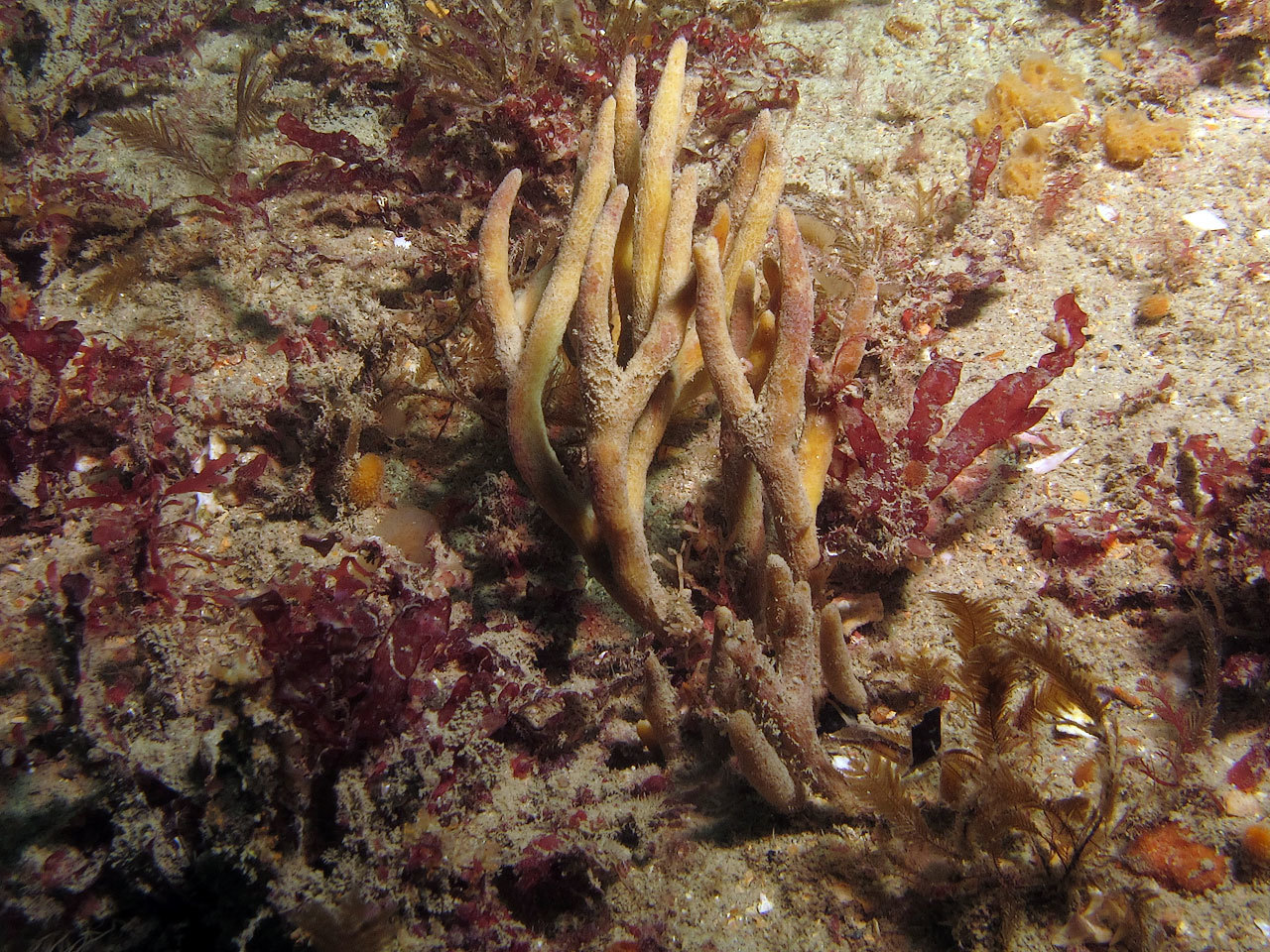
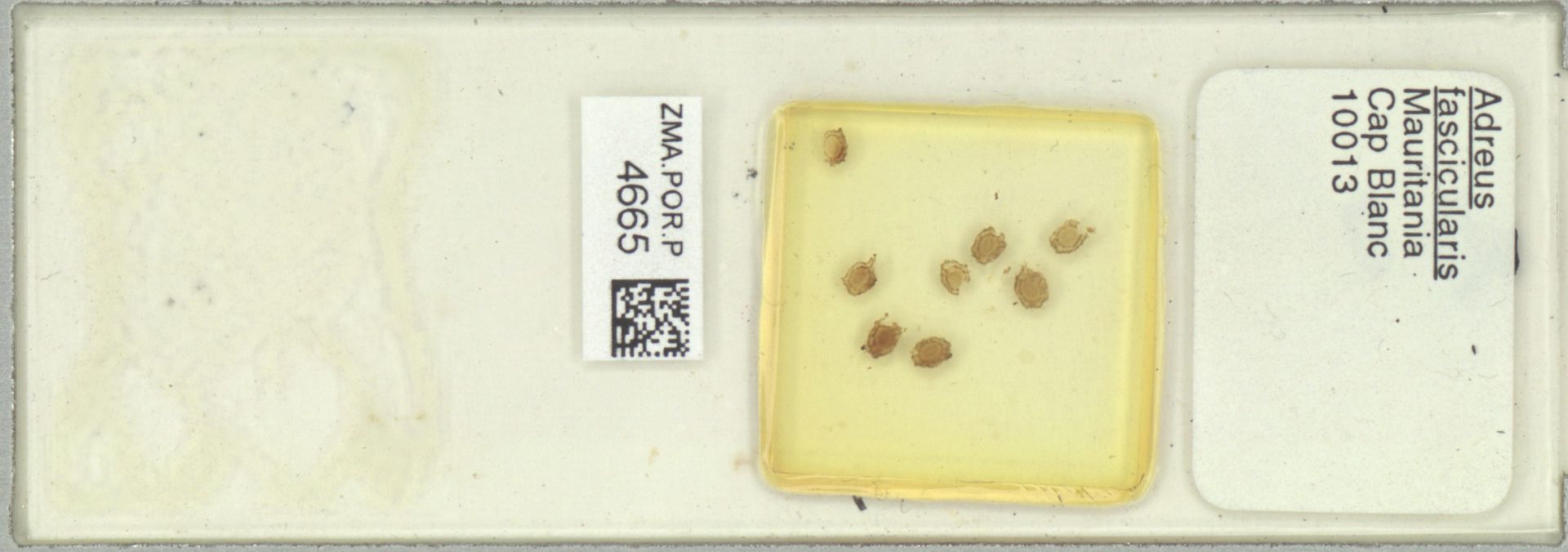
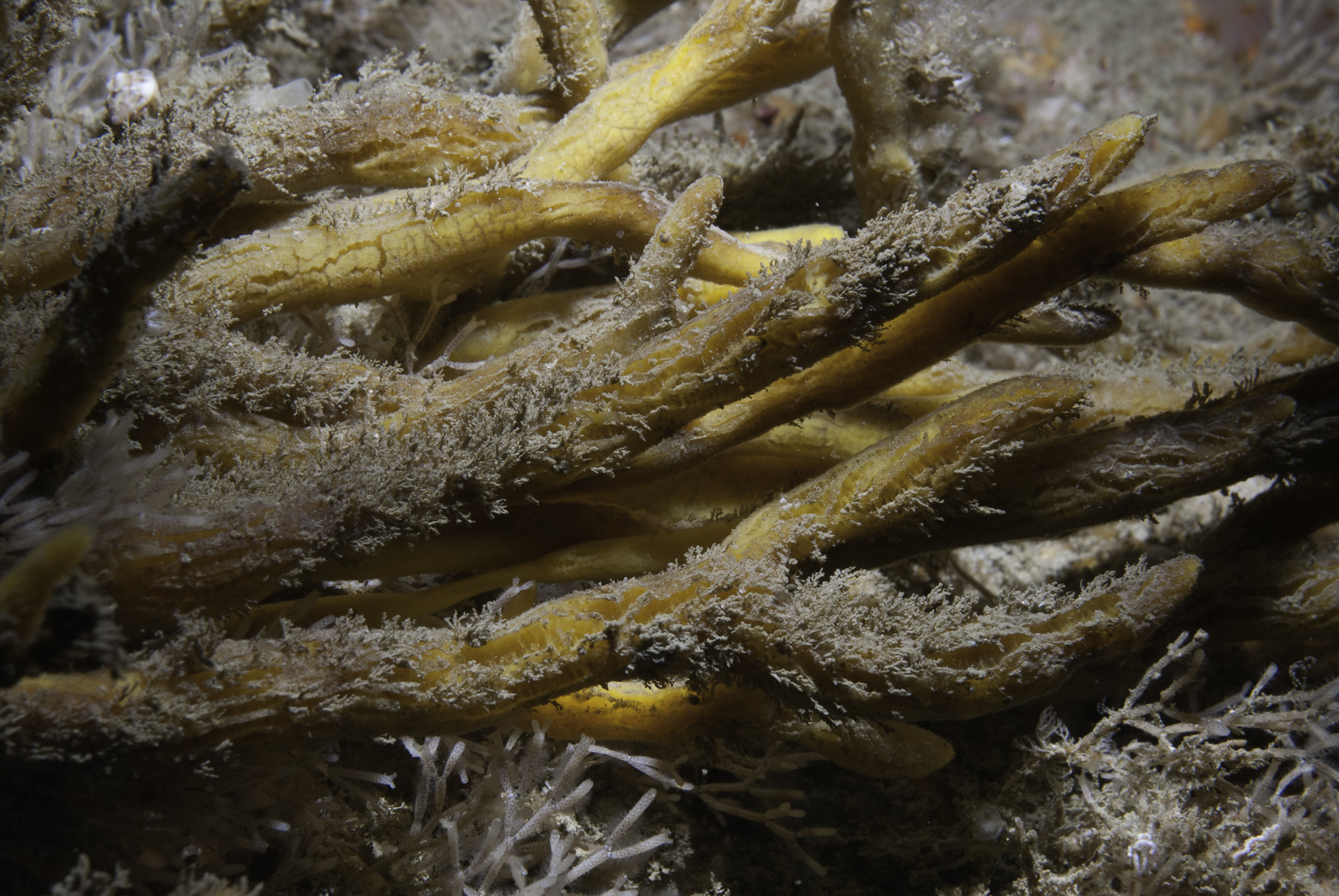
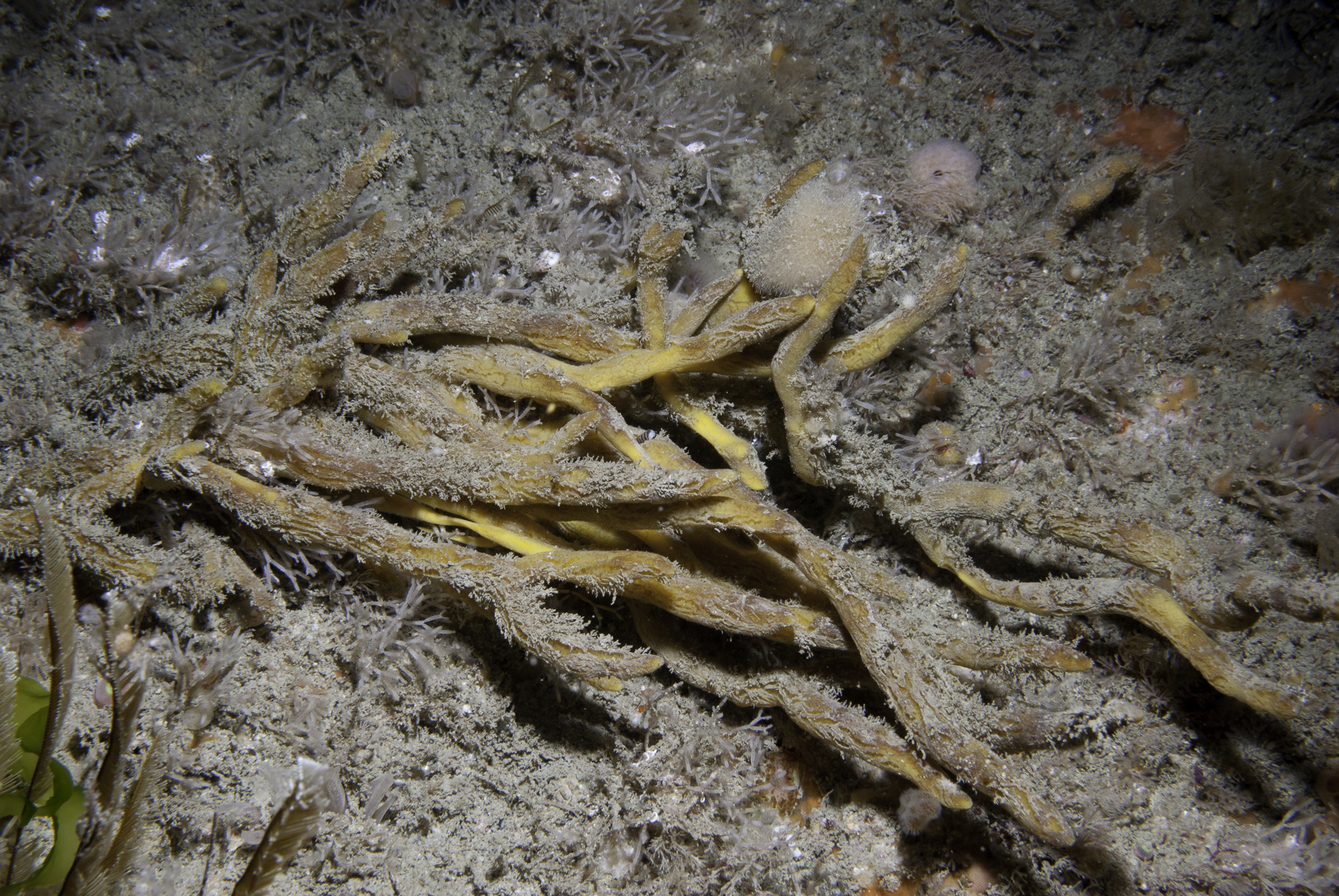
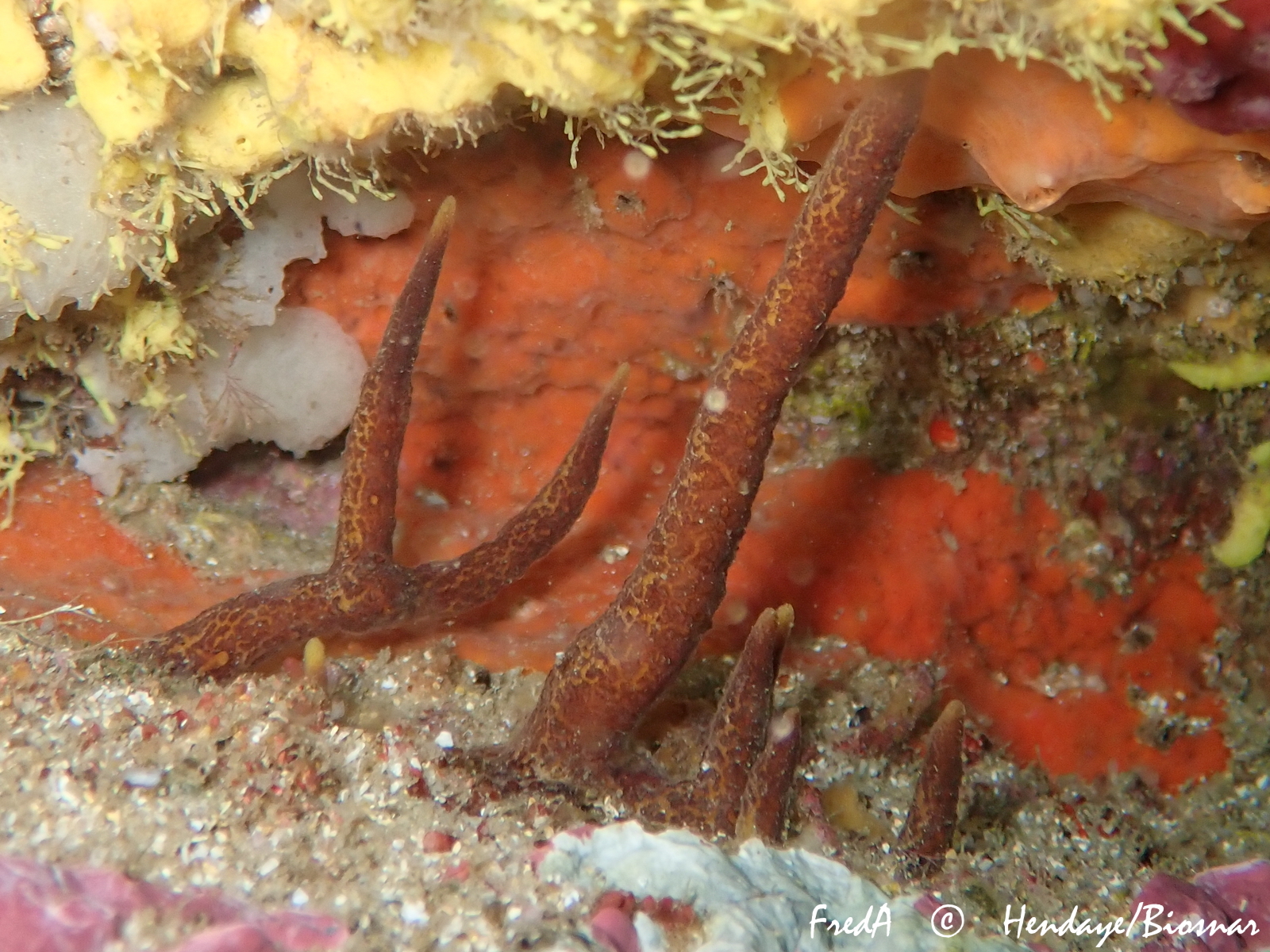
Individuals of Adreus fascicularis are shown in aggregating, dark-colored forms (often appearing tufted or fascicle-like rather than a single smooth sheet), consistent with an attached, stalked habit typical of some Tethyida/Hemiasterellidae morphologies.
Distribution and status
GBIF treats Adreus fascicularis as an accepted species, with original authorship attributed to (Bowerbank, 1866).
Ecology and habitat associations
In a quantitative study of temperate sublittoral rocky bottoms on the North Atlantic coast of Spain (0–20 m depth), A. fascicularis occurred as a low-frequency demospong e species, but with relatively high mean biomass per sampled quadrat when present.
The same study found that sponge spatial patterns at the tested scale were not explained simply by whether macroalgae were present. Instead, sponge abundance patterns were more associated with habitat gradients and physical microhabitat conditions; in particular, substratum inclination (interpreted as a proxy for light exposure and related stressors) explained more variation than algal abundance.
Molecular data
NCBI lists Adreus fascicularis under taxonomy identifier 942639, with nucleotide records indexed under this organism.
Gallery
References
- ↑ Dataset view for Animalia / Porifera / Demospongiae / Tethyida / Hemiasterellidae / Adreus / fascicularis constructed from imageomics/TreeOfLife-200M records under this taxonomic path. Hugging Face Datasets. https://huggingface.co/datasets/imageomics/TreeOfLife-200M.