Adaverina
Taxonomy
This page represents the following TreeOfLife-200M taxonomic path.[1]
- Kingdom: Animalia
- Phylum: Porifera
- Class: Hexactinellida
- Order: Lychniscosida
- Family: Aulocystidae
- Genus: Adaverina
Visual Description
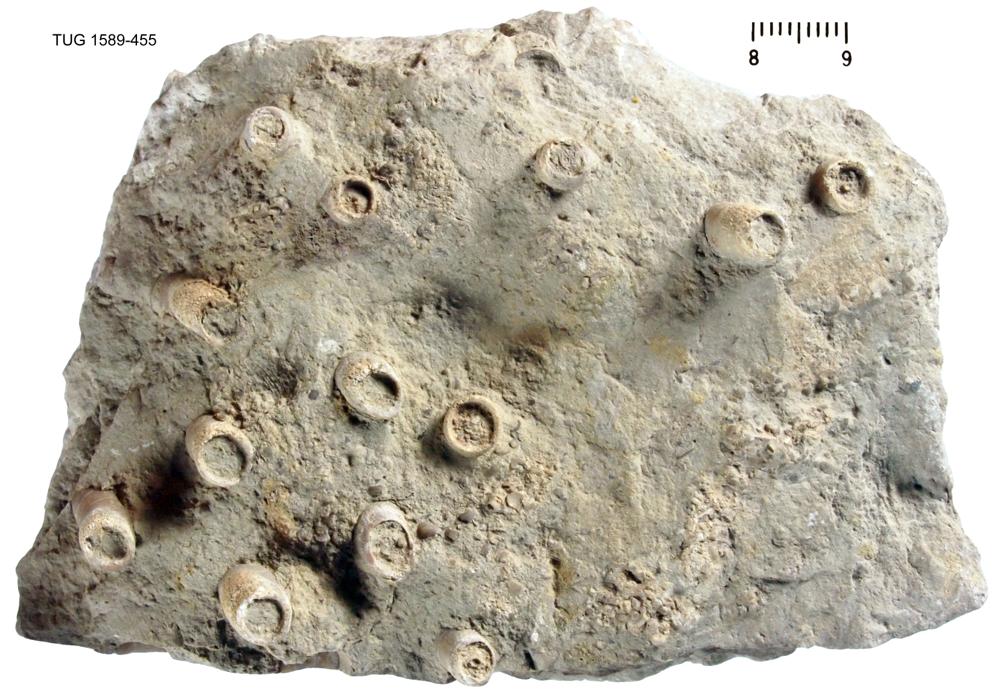
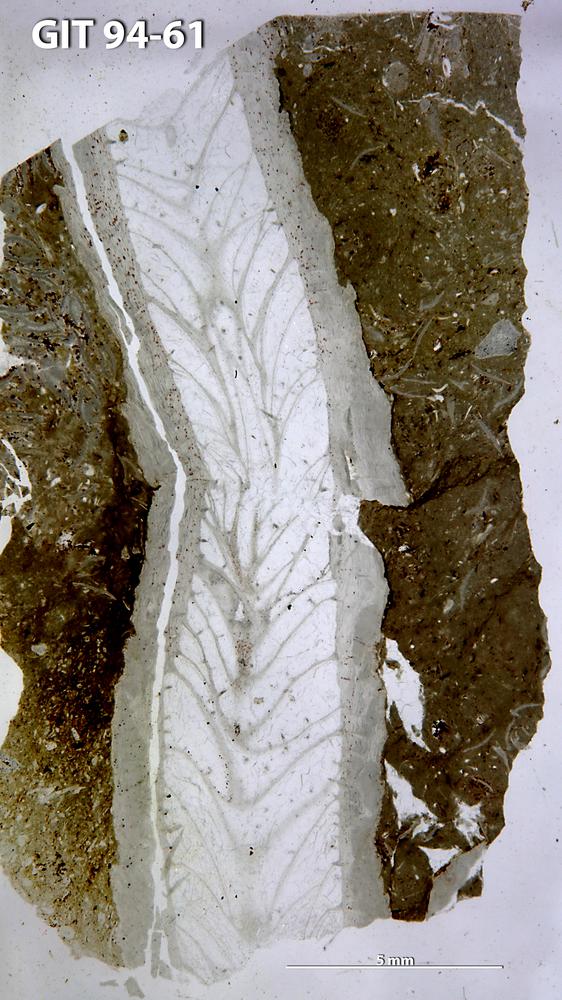
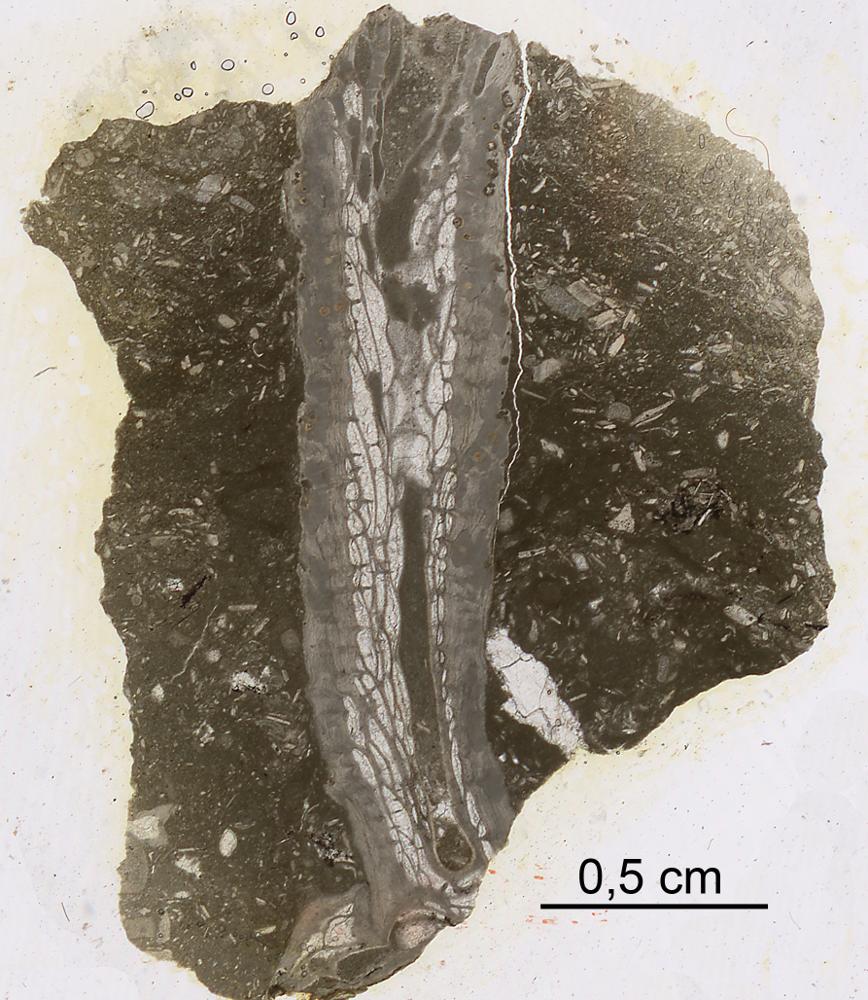
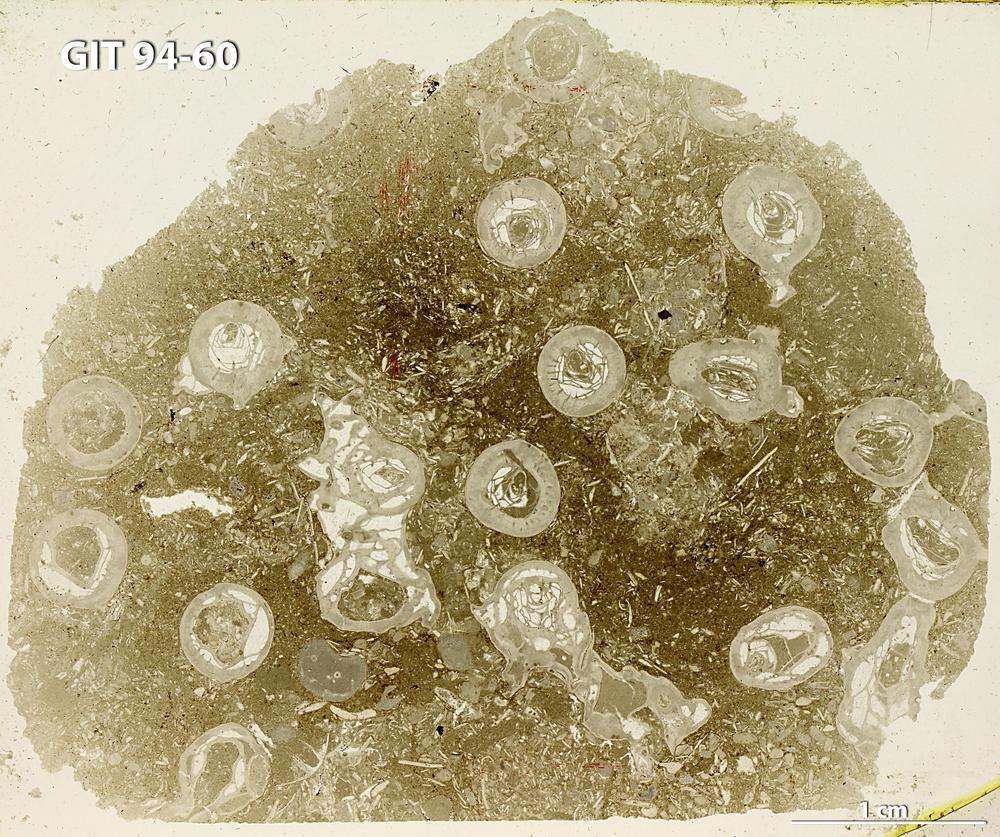
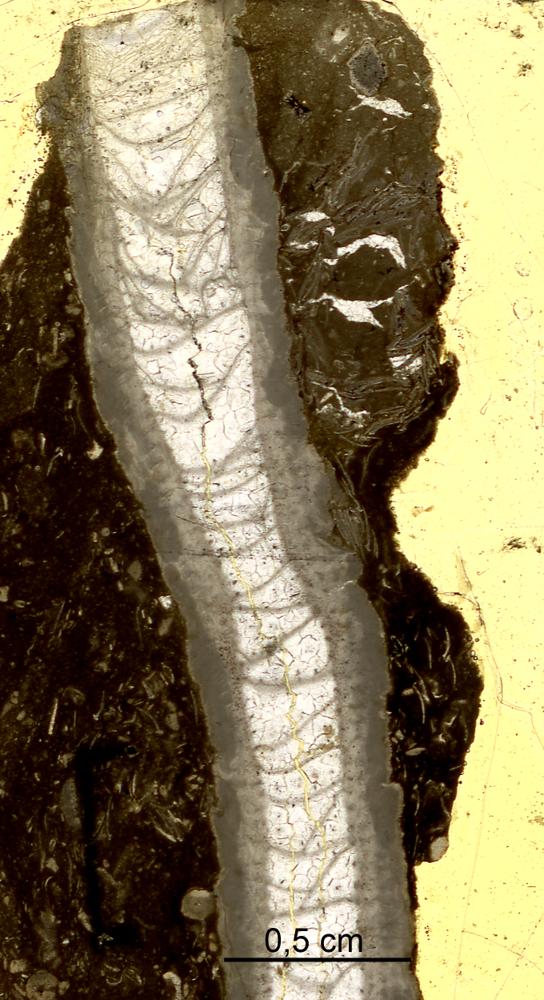
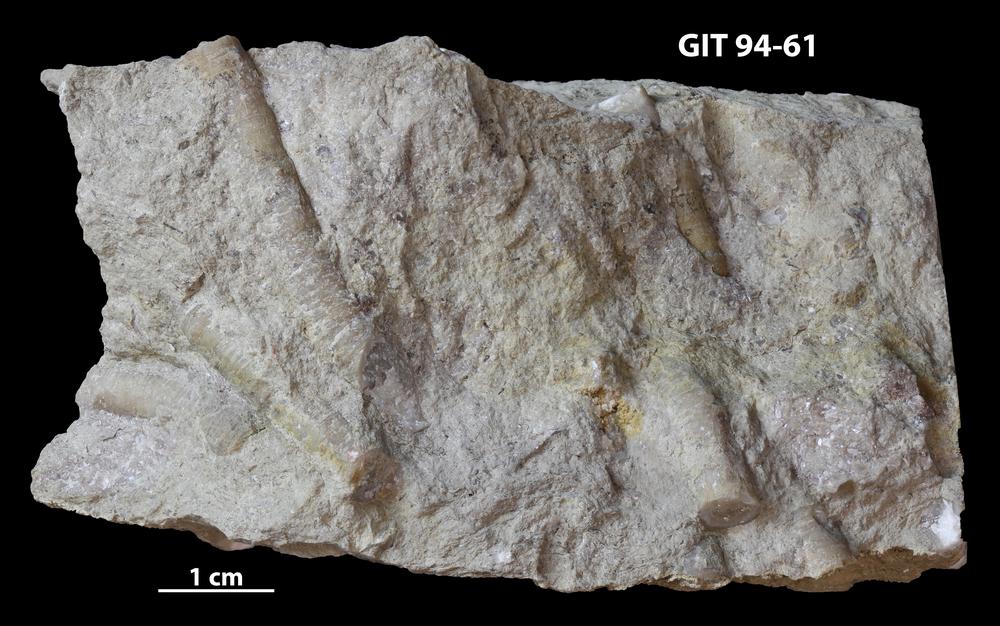
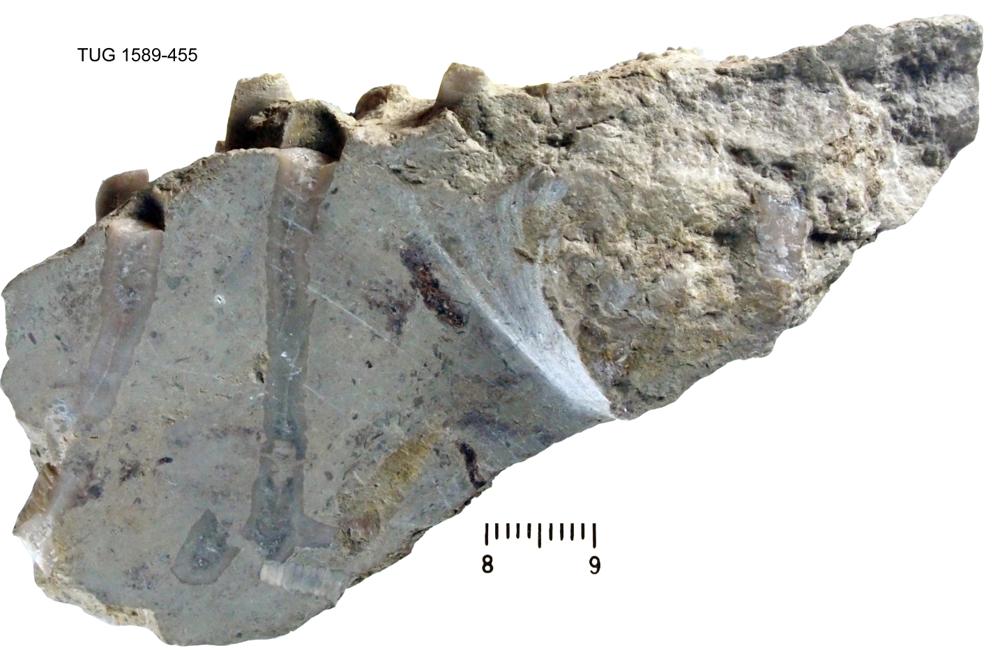
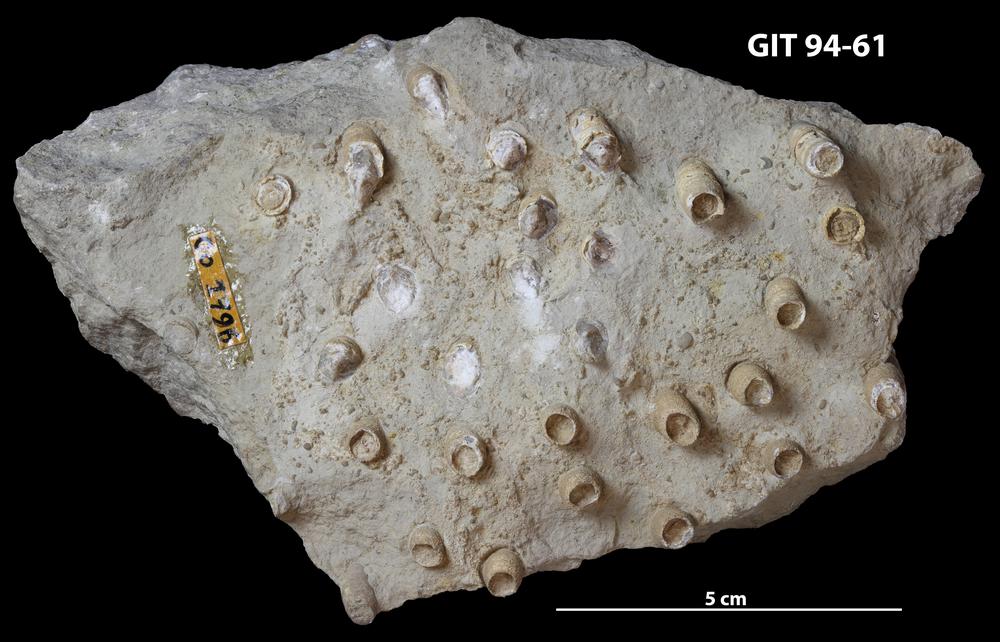
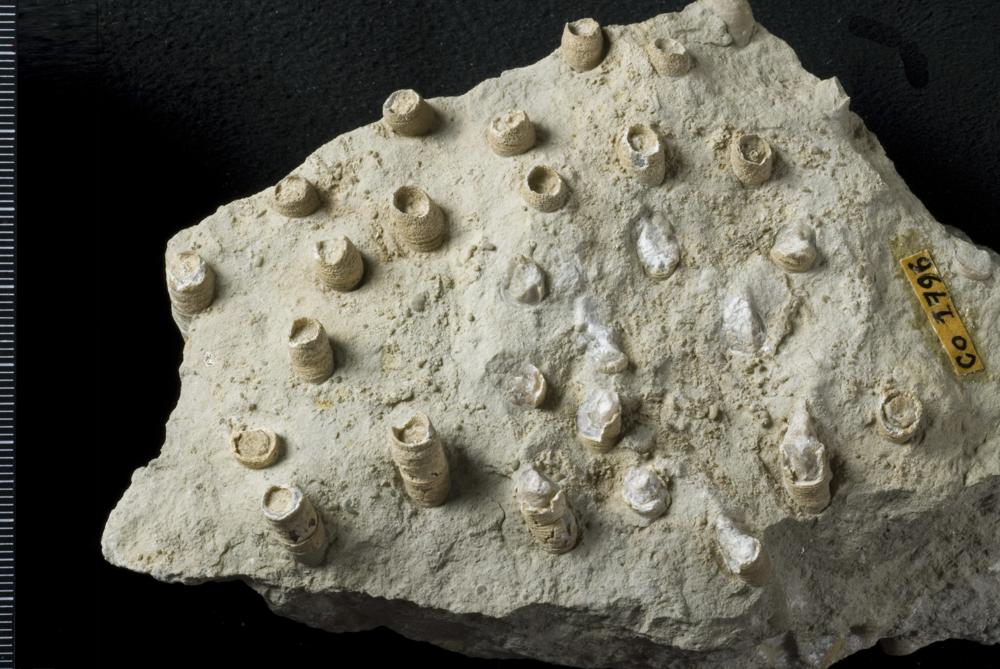
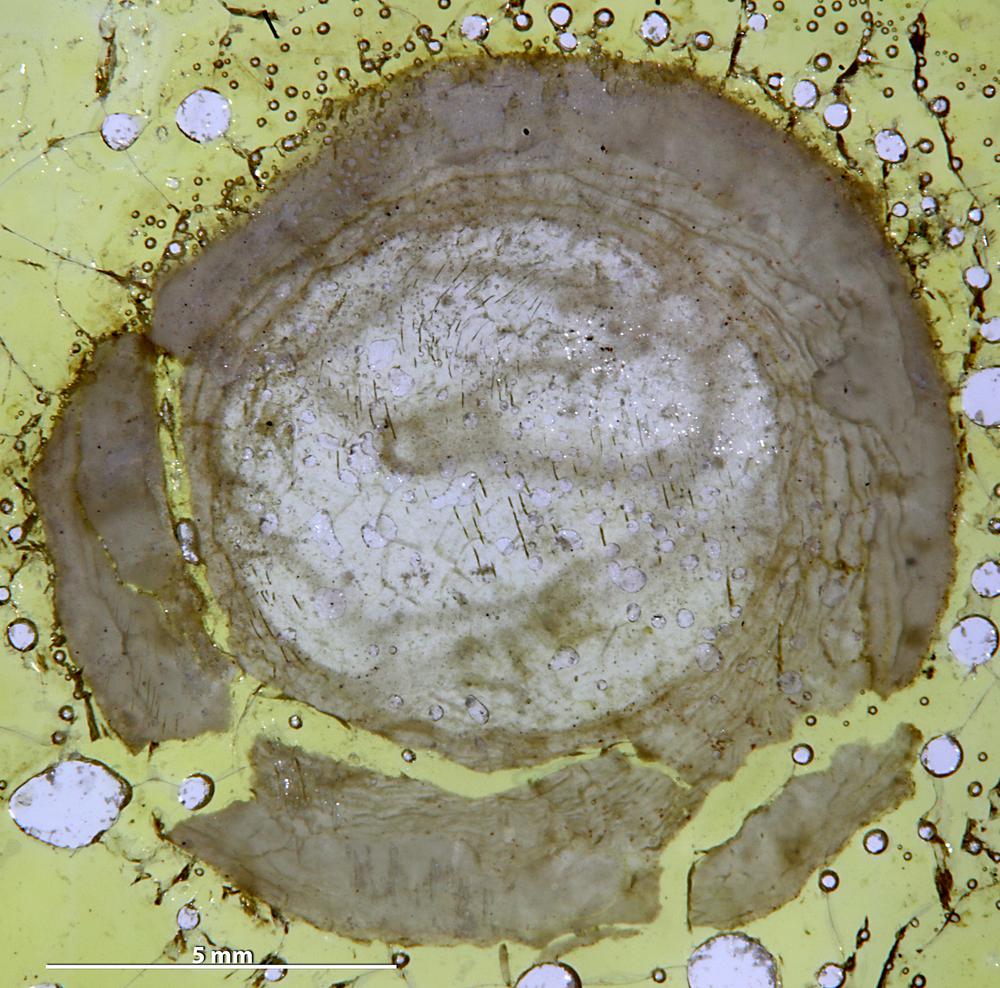
Museum image records associated with Adaverina depict fossil sponge remains with an overall fragmentary form showing a skeletal architecture consistent with branching and/or sheet-like (laminar) elements. The specimens are presented as porous, mineralized/infilled skeletal material typical of hexactinellid fossil forms in these collections (fossil specimen images attributed to GBIF/Geocollections of Estonia).
Nomenclature and Usage
The genus Adaverina (Klaamann, 1969) is a replacement name proposed for Syringocystis Klaamann, 1966. The nomenclatural change is explained as a response to homonymy involving an earlier Syringocystis occurrence (Deng, 1966). In the same taxonomic treatment, a key morphological distinction used to separate the compared material involved the presence/absence of connecting tube structures: the Baltic (Estonian) material described by Klaamann was treated as lacking connecting structures, which supported its assignment to Aulocystidae and therefore motivated the renamed genus Adaverina.
Gallery
References
- ↑ Dataset view for Animalia / Porifera / Hexactinellida / Lychniscosida / Aulocystidae / Adaverina constructed from imageomics/TreeOfLife-200M records under this taxonomic path. Hugging Face Datasets. https://huggingface.co/datasets/imageomics/TreeOfLife-200M.