Actinostromatidae
Taxonomy
This page represents the following TreeOfLife-200M taxonomic path.[1]
- Kingdom: Animalia
- Phylum: Porifera
- Class: Actinostromatidae
Visual Description
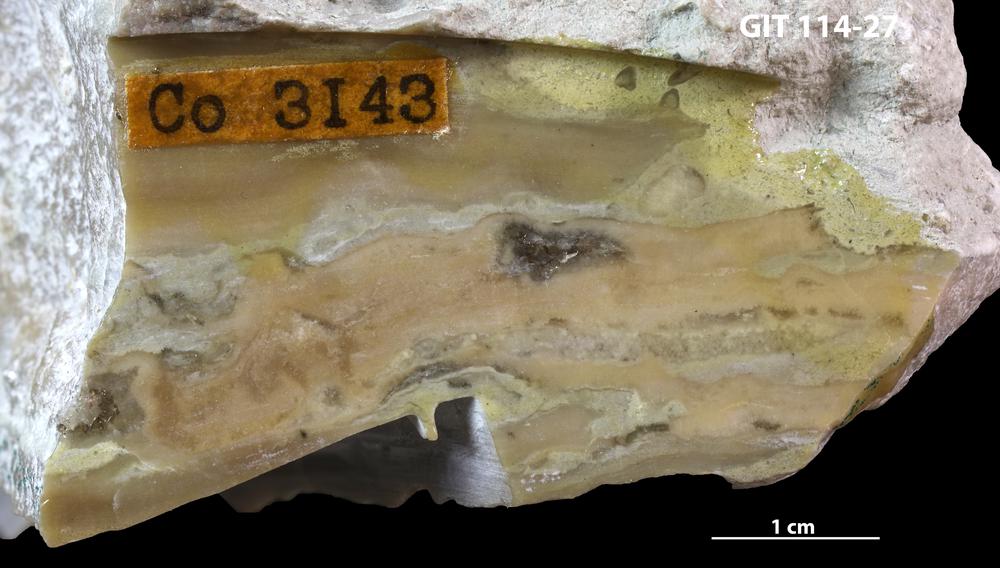
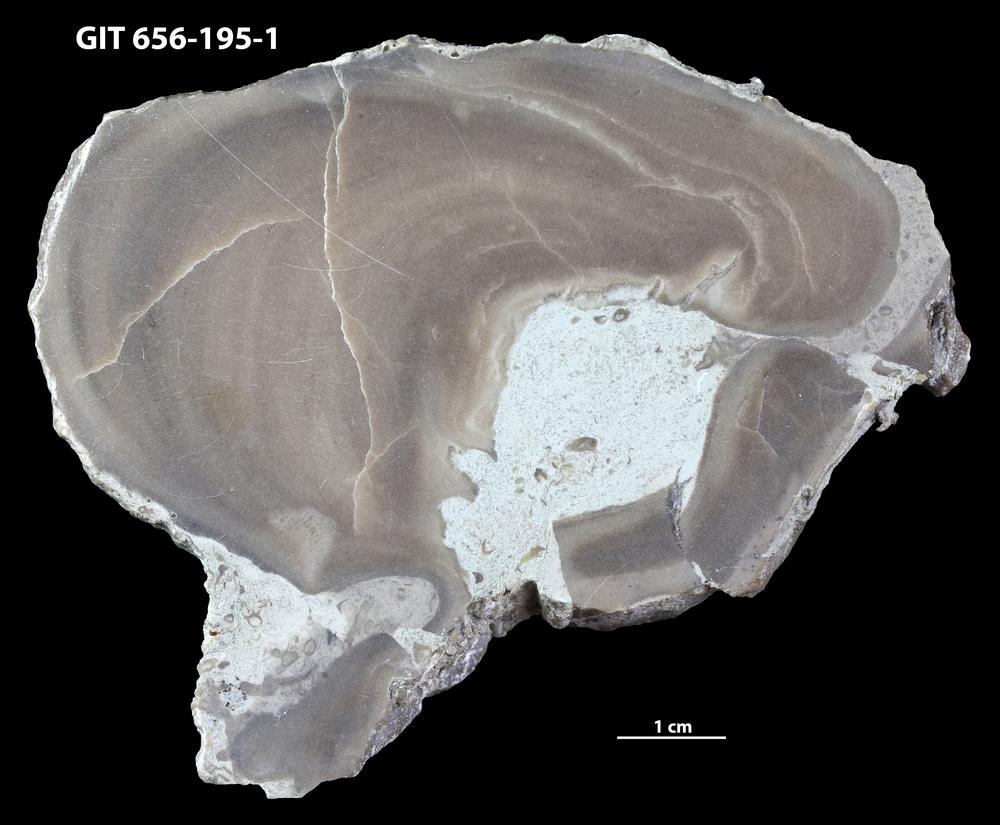
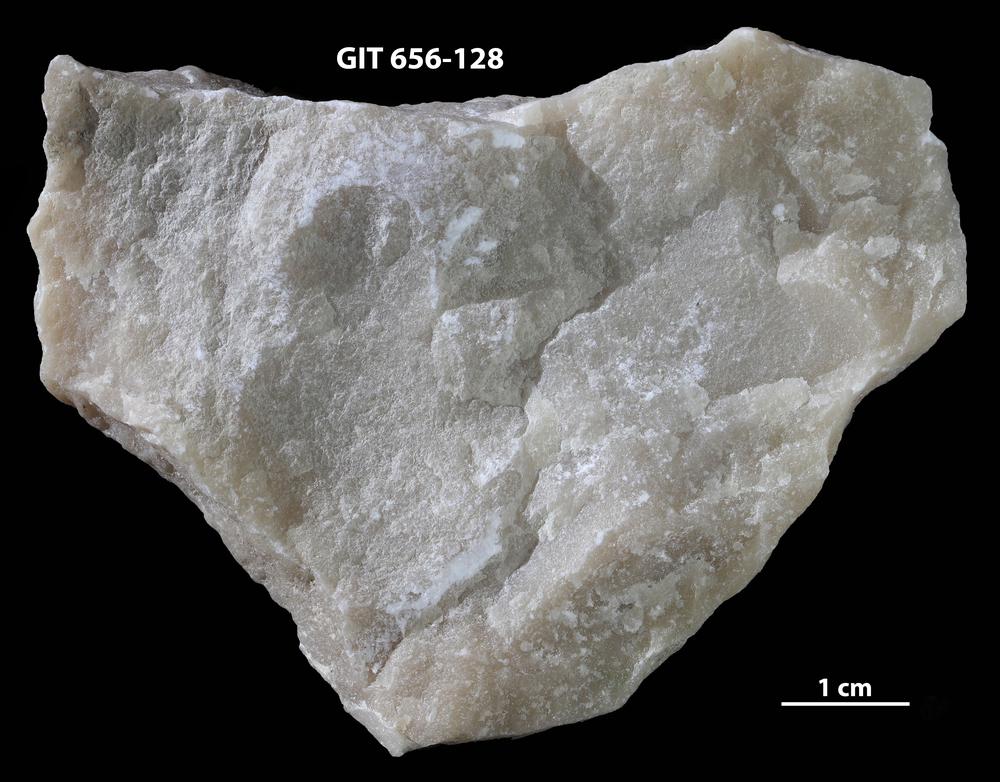
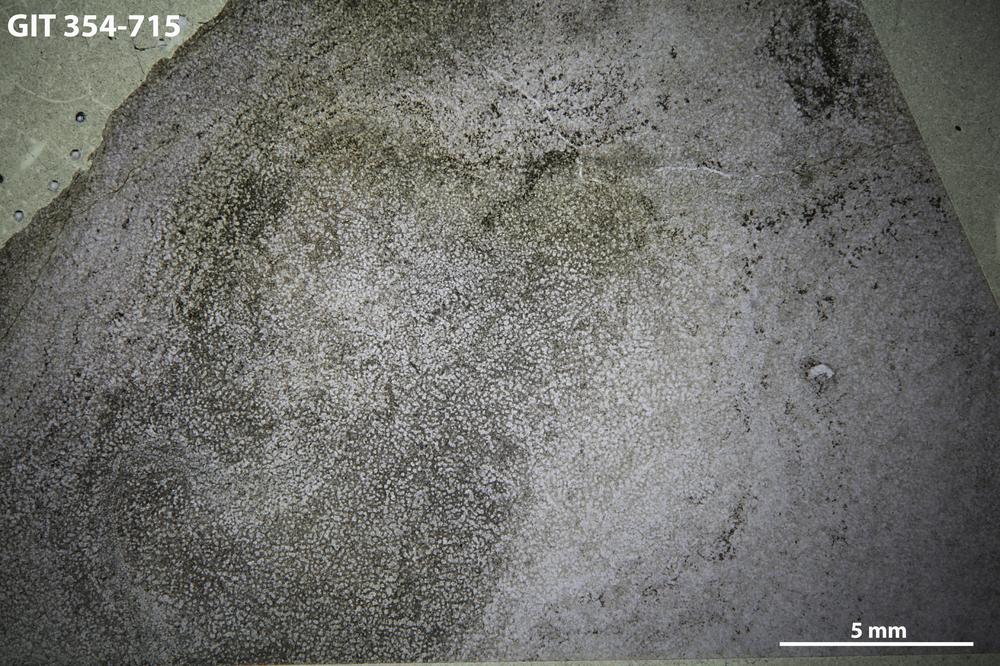
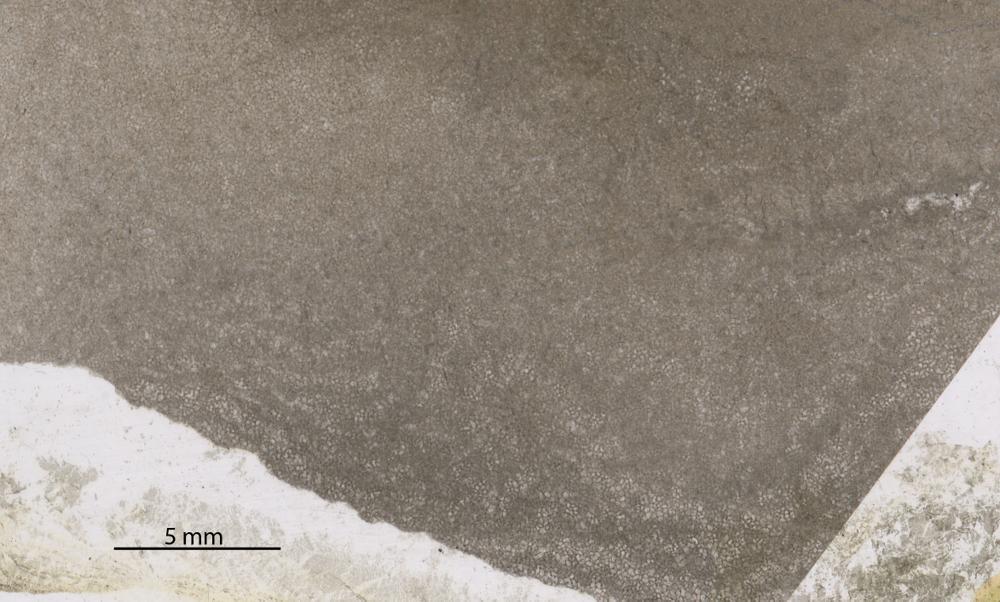
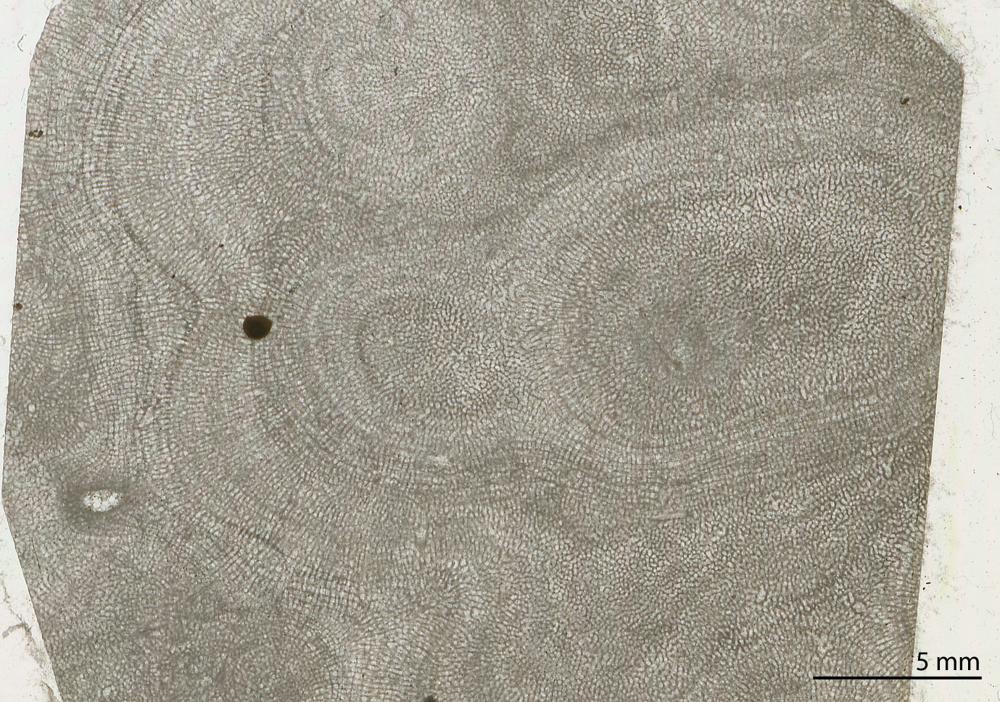
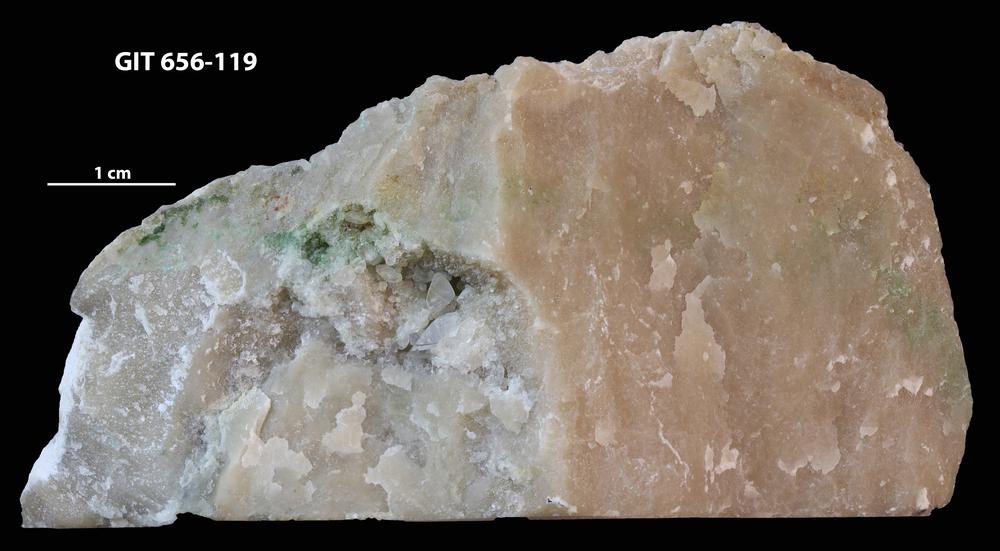
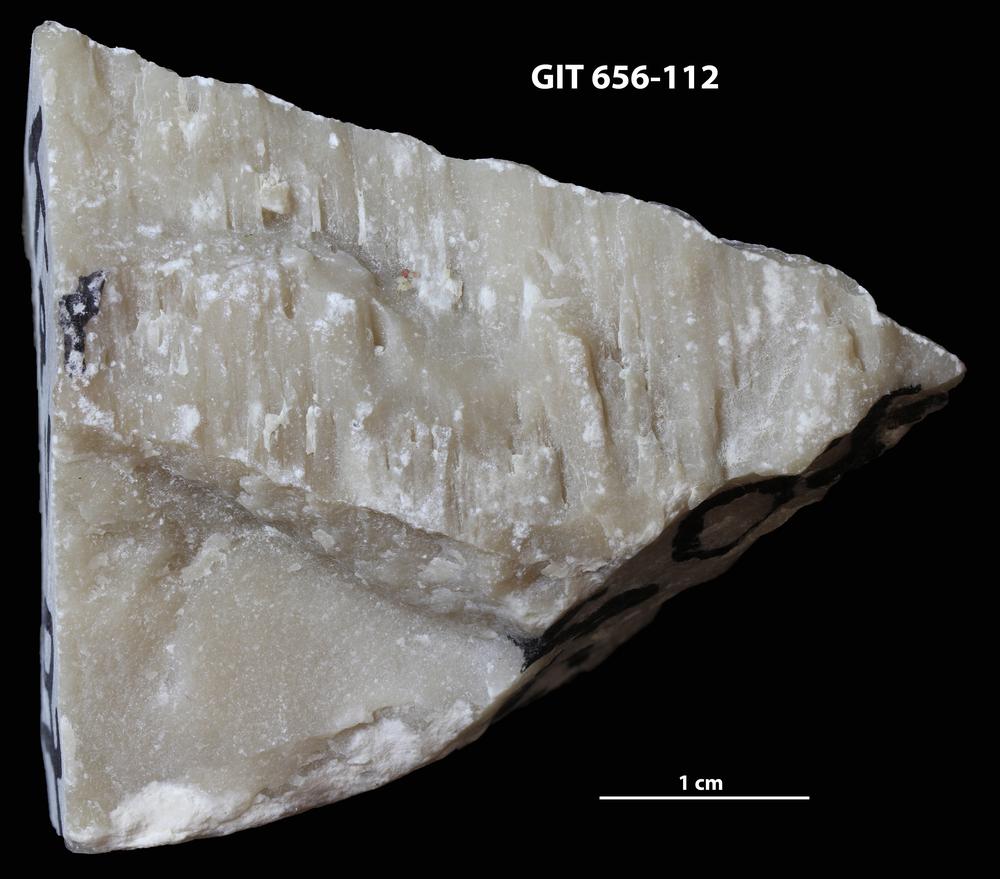
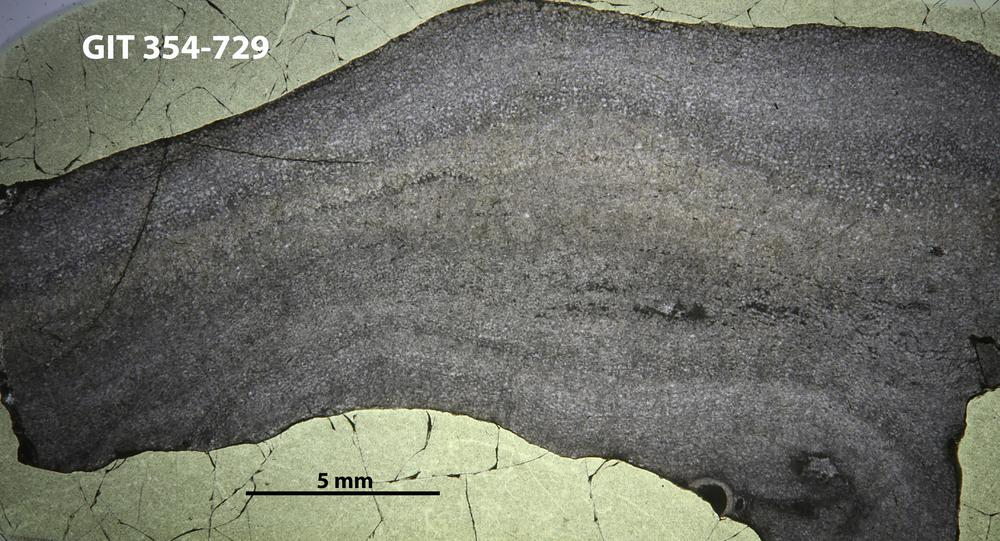
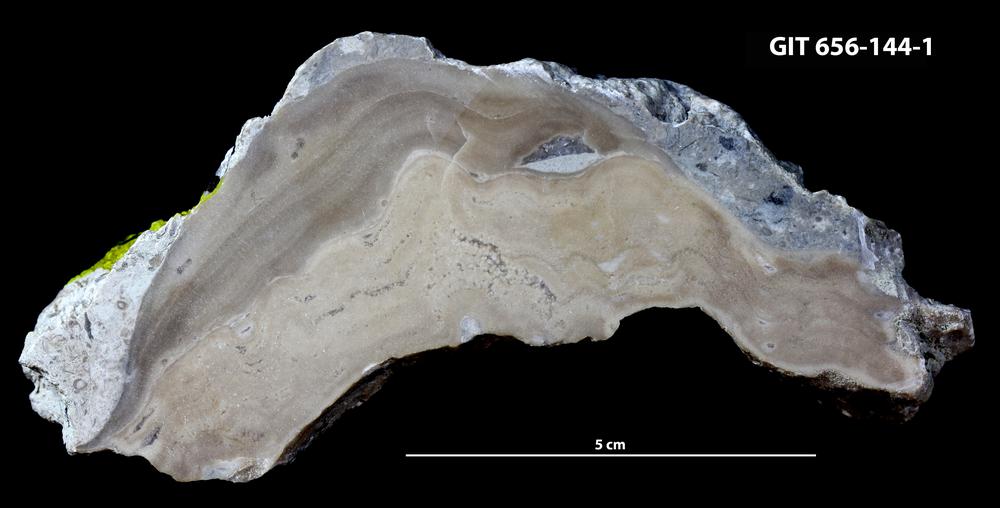
Actinostromatidae are fossil stromatoporoid sponges. Museum specimens commonly show a skeletal framework dominated by vertical pillars and a horizontal mesh of rods (colliculi), producing a constructional pattern visible in cleaned or cut fossil surfaces. In many specimens the collicular mesh is comparatively subtle relative to the pillars, reflecting the pillar-dominant skeletal architecture described for the group.
General Biology and Paleoecology
Actinostromatids (as Devonian stromatoporoid sponges) are described as common constituents of Givetian–Frasnian organic buildups in shallow, turbulent marine settings, at depths of several metres below sea level.[2]
Diagnostic Skeletal Architecture
Within Actinostromatidae, the diagnostic skeletal architecture is based on pillars (vertical elements) and a horizontal network of colliculi (rods forming a delicate mesh parallel to the growth surface). Colliculi are generally less prominent than pillars.
Diversity, Growth Forms, and Environmental Associations (Devonian)
A detailed Devonian study of southern Poland reports actinostromatid assemblages analyzed at species level, distinguishing nine species across the genera Actinostroma and Bifariostroma.[2]
In that study area, actinostromatids predominated in lower Frasnian carbonate buildup margins, with highest species-level diversity in the middle Givetian Stringocephalus Bank, the upper Givetian–lower Frasnian biostromal complex, and lower Frasnian organic buildups; lowest diversity occurred in detrital facies surrounding the Frasnian carbonate buildups.[2]
The same work documents generalized environment-linked differences in skeletal construction, including shifts from forms with thin, close-set pillars and widely spaced laminae (noted for the middle Givetian) toward forms with long, thick pillars and megappillars (predominant in the early and middle Frasnian, including Bifariostroma).[2]
Growth forms are reported to show significant intraspecific variation, including tabular vs. low domical morphologies depending on palaeoenvironmental setting.[2]
Gallery
References
- ↑ Dataset view for Animalia / Porifera / Actinostromatidae constructed from imageomics/TreeOfLife-200M records under this taxonomic path. Hugging Face Datasets. https://huggingface.co/datasets/imageomics/TreeOfLife-200M.
- 1 2 3 4 5 Paweł Wolniewicz. Representatives of the family Actinostromatidae (Stromatoporoidea) in the Devonian of southern Poland and their ecological significance. Geologos. 2016. https://doi.org/10.1515/logos-2016-0023.