Acrophthalmyda
Taxonomy
This page represents the following TreeOfLife-200M taxonomic path.[1]
- Kingdom: Animalia
- Phylum: Arthropoda
- Class: Insecta
- Order: Diptera
- Family: Bombyliidae
- Genus: Acrophthalmyda
Visual Description
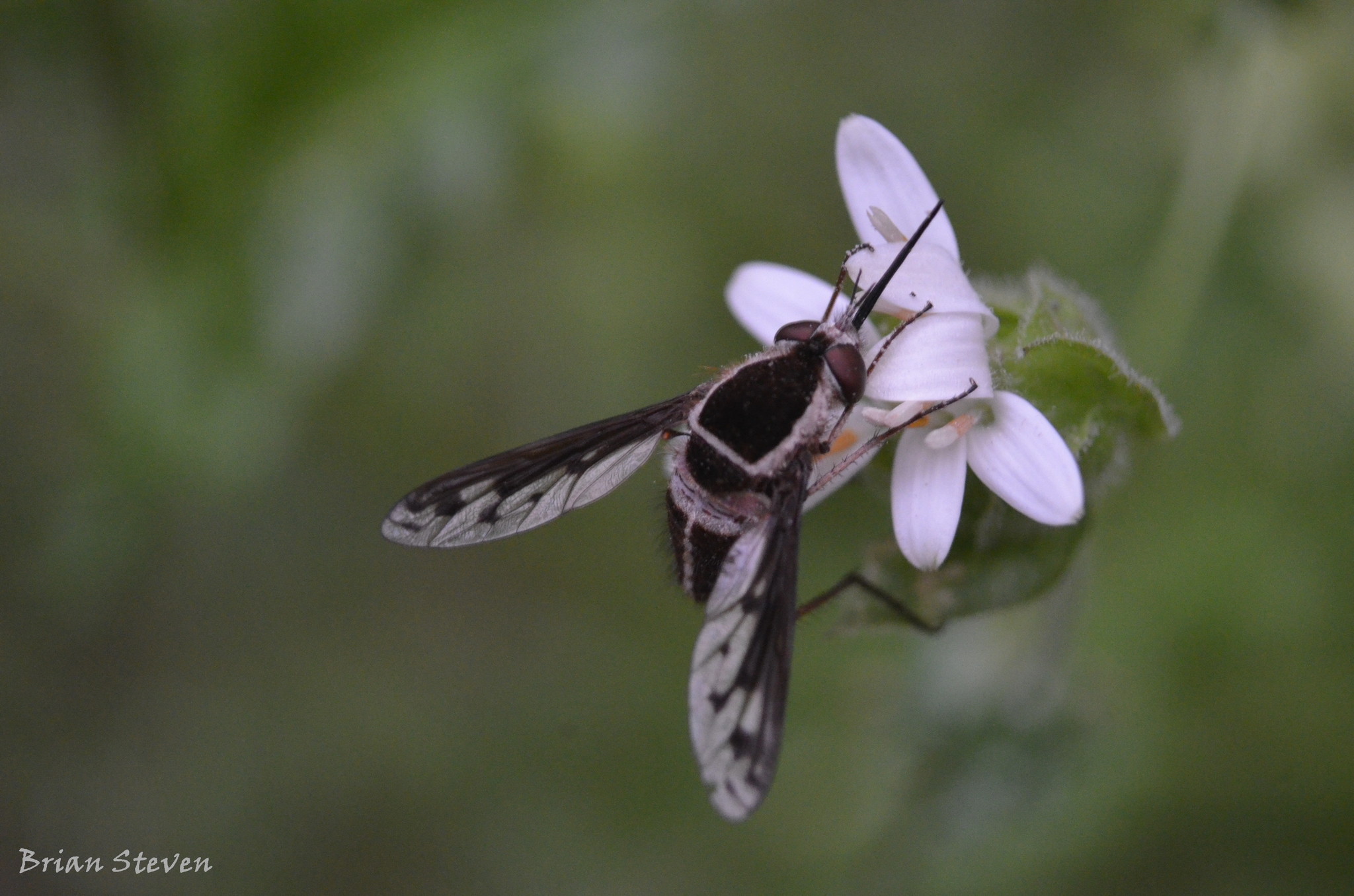
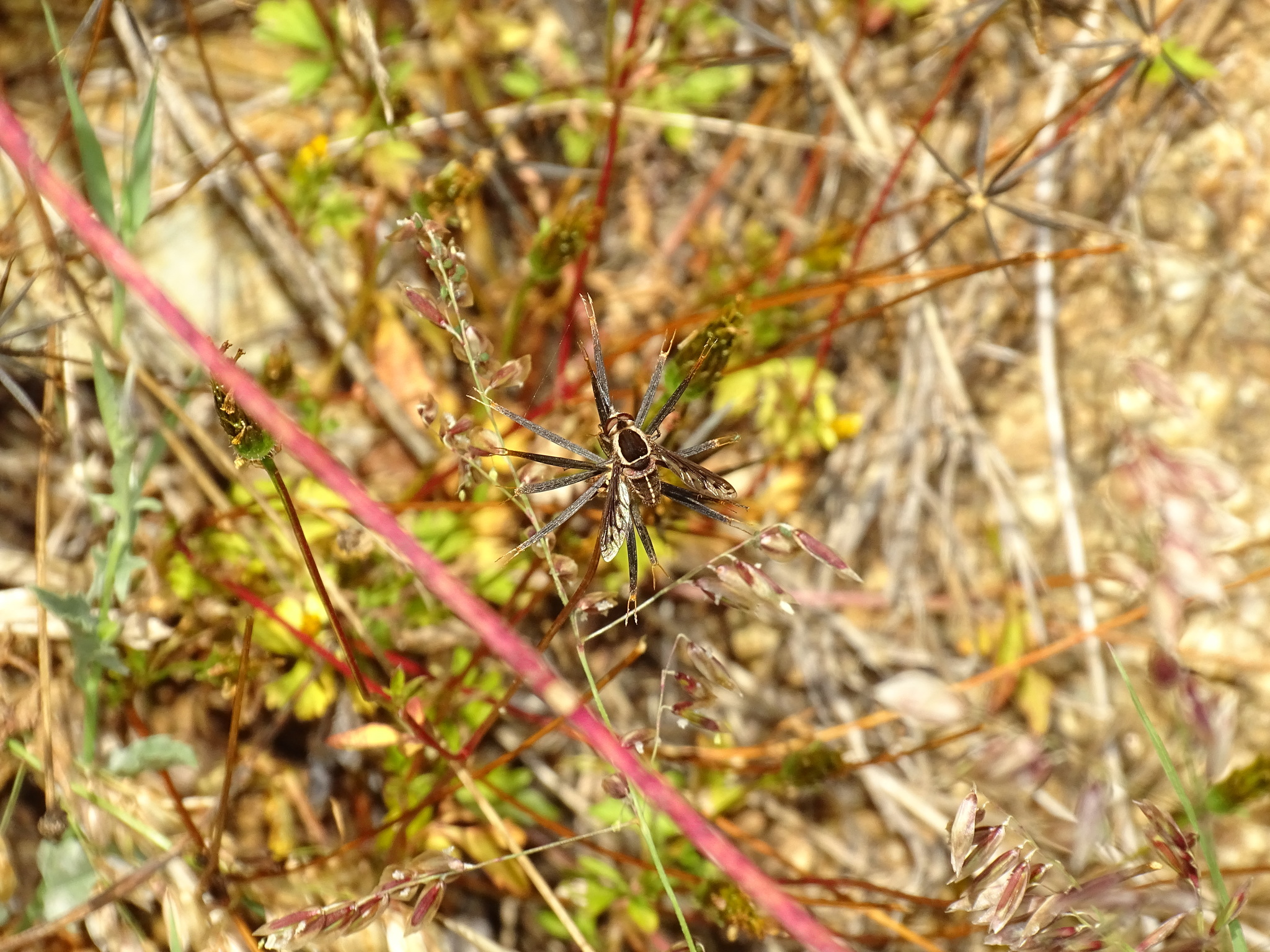
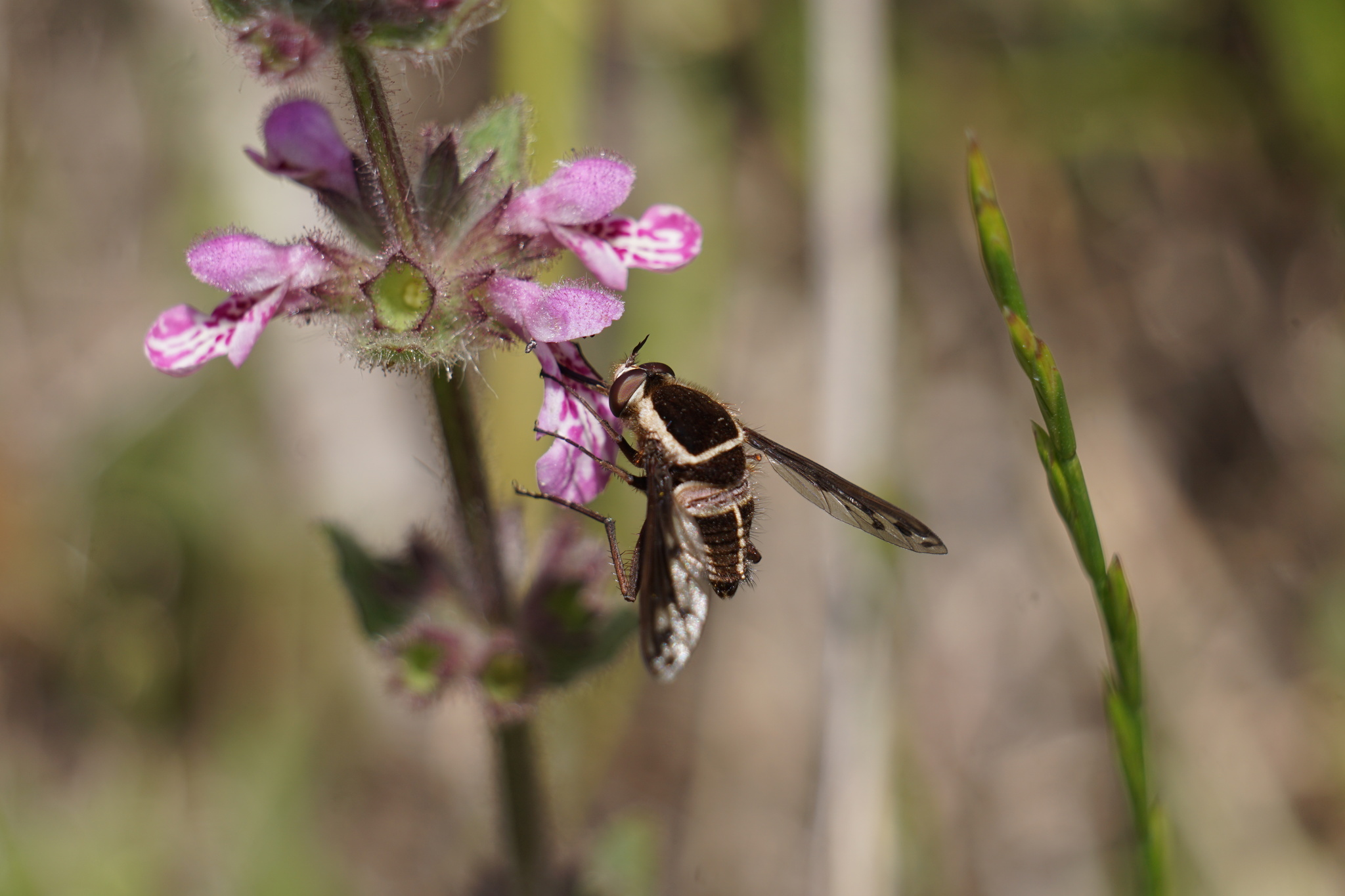
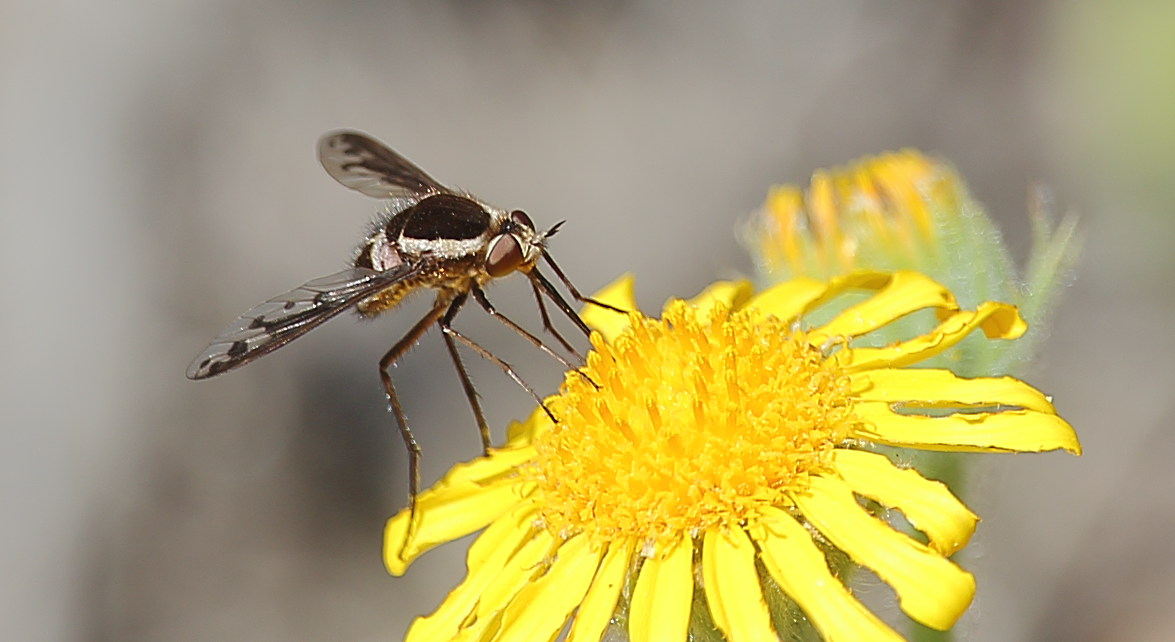
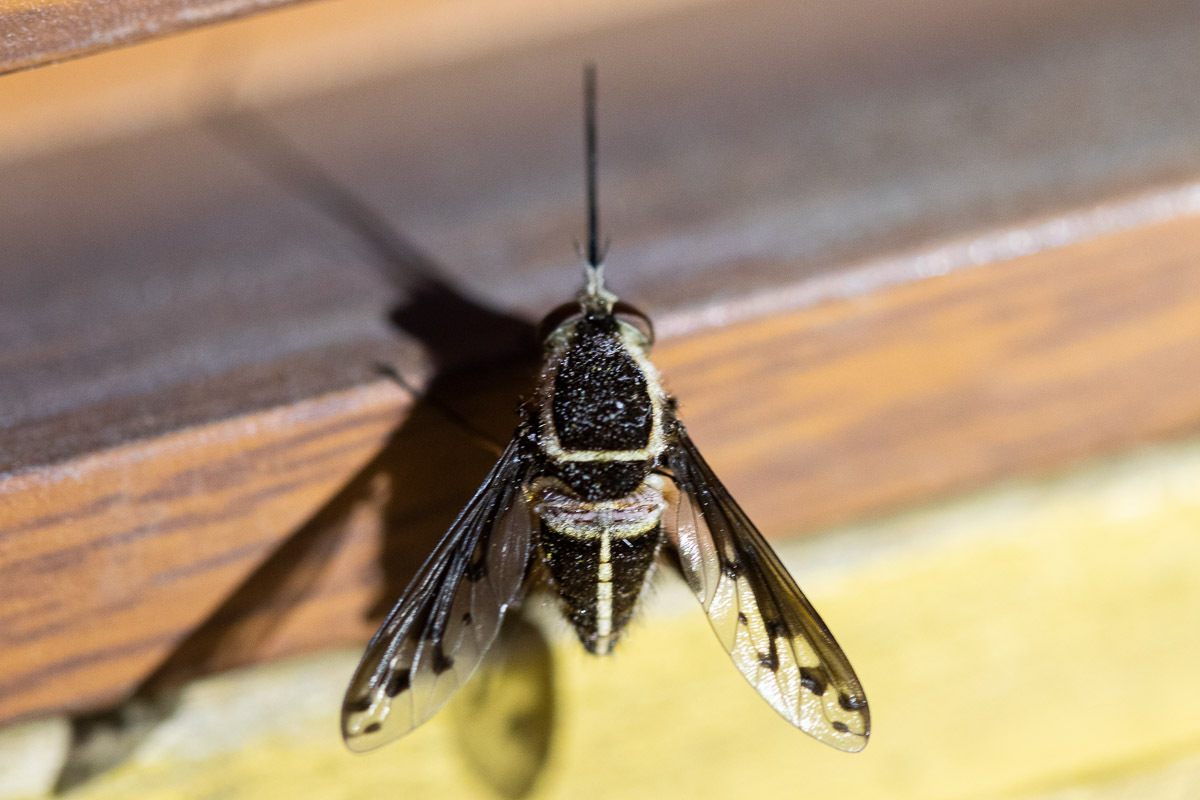
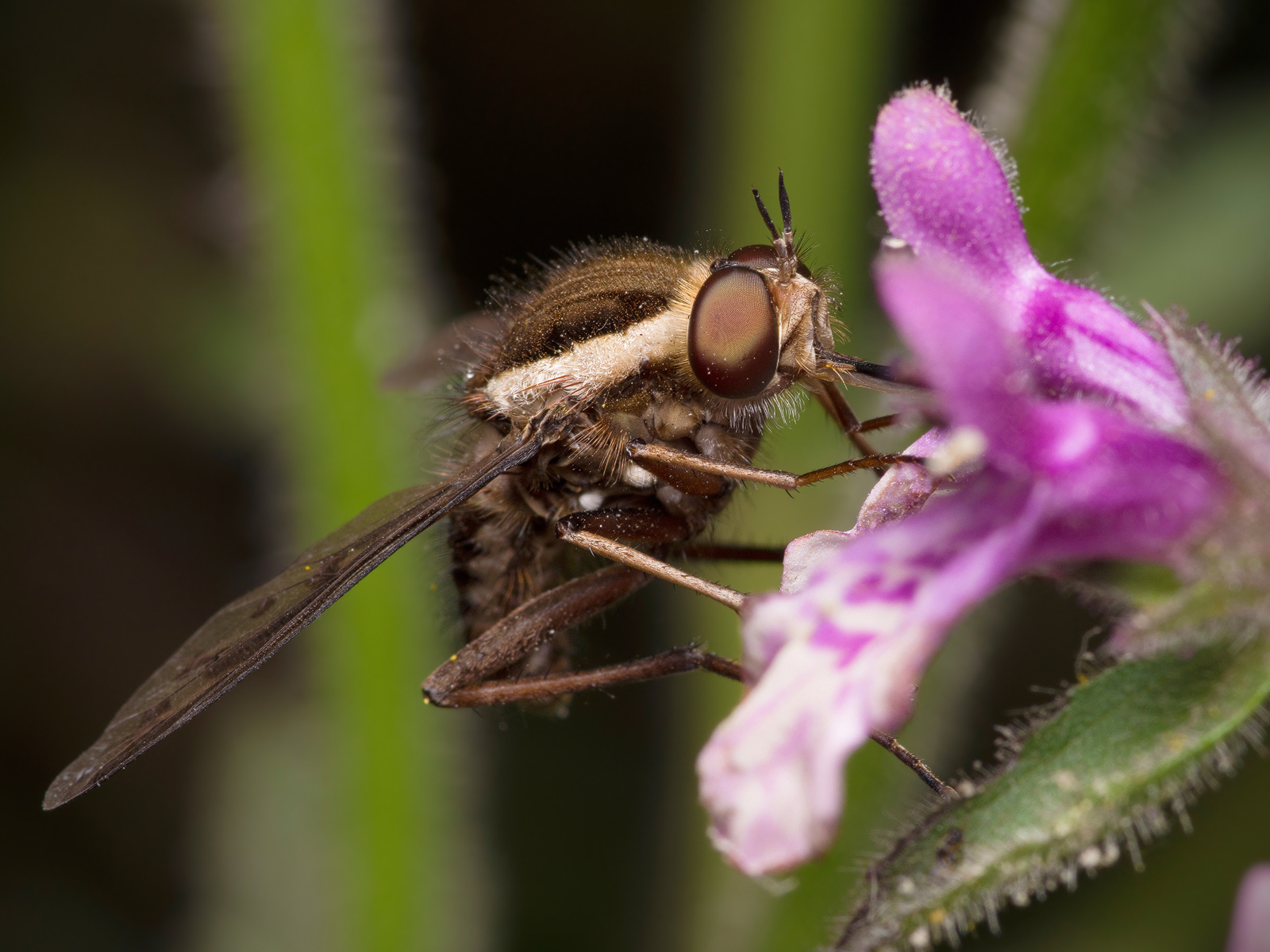
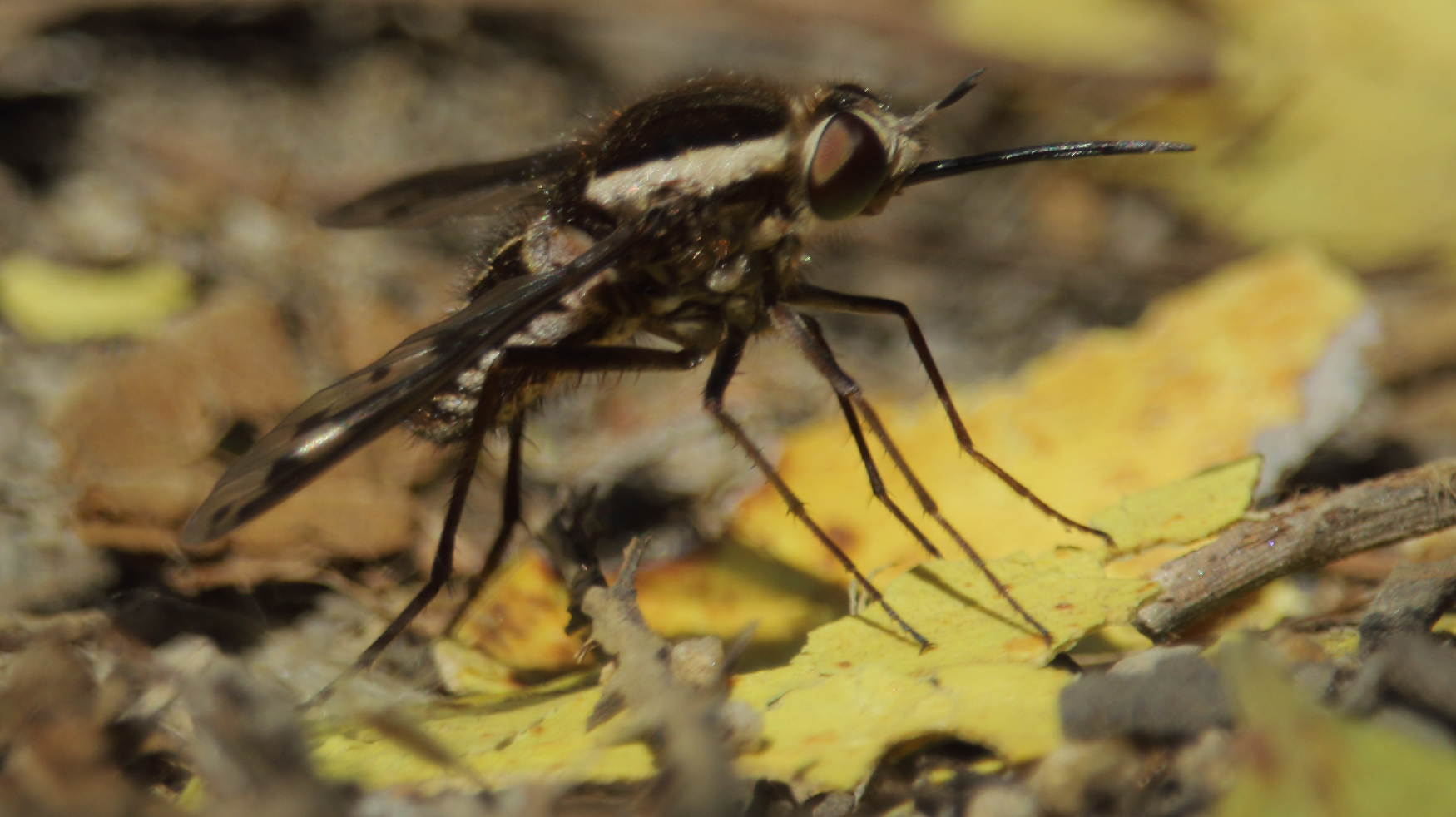
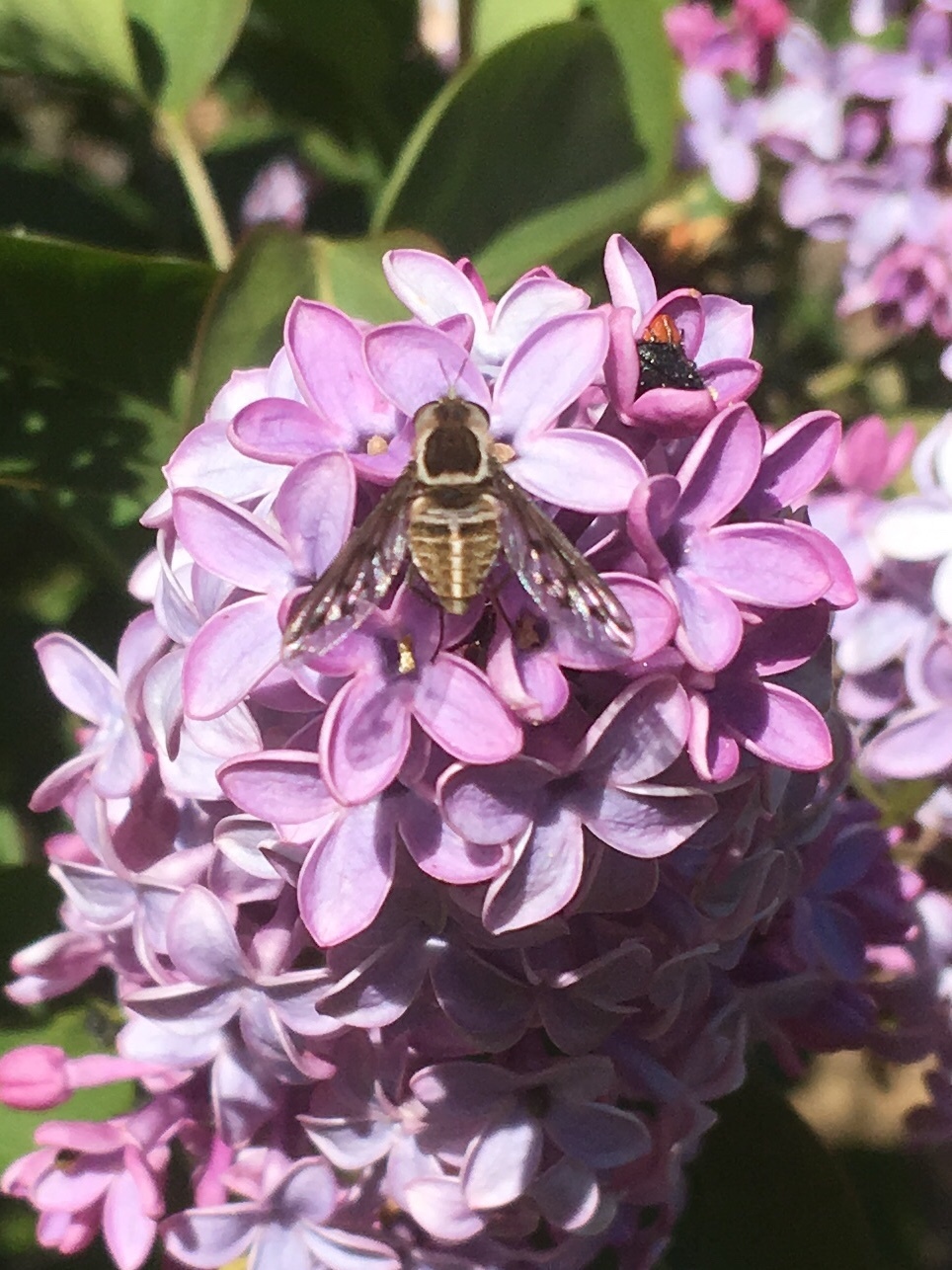
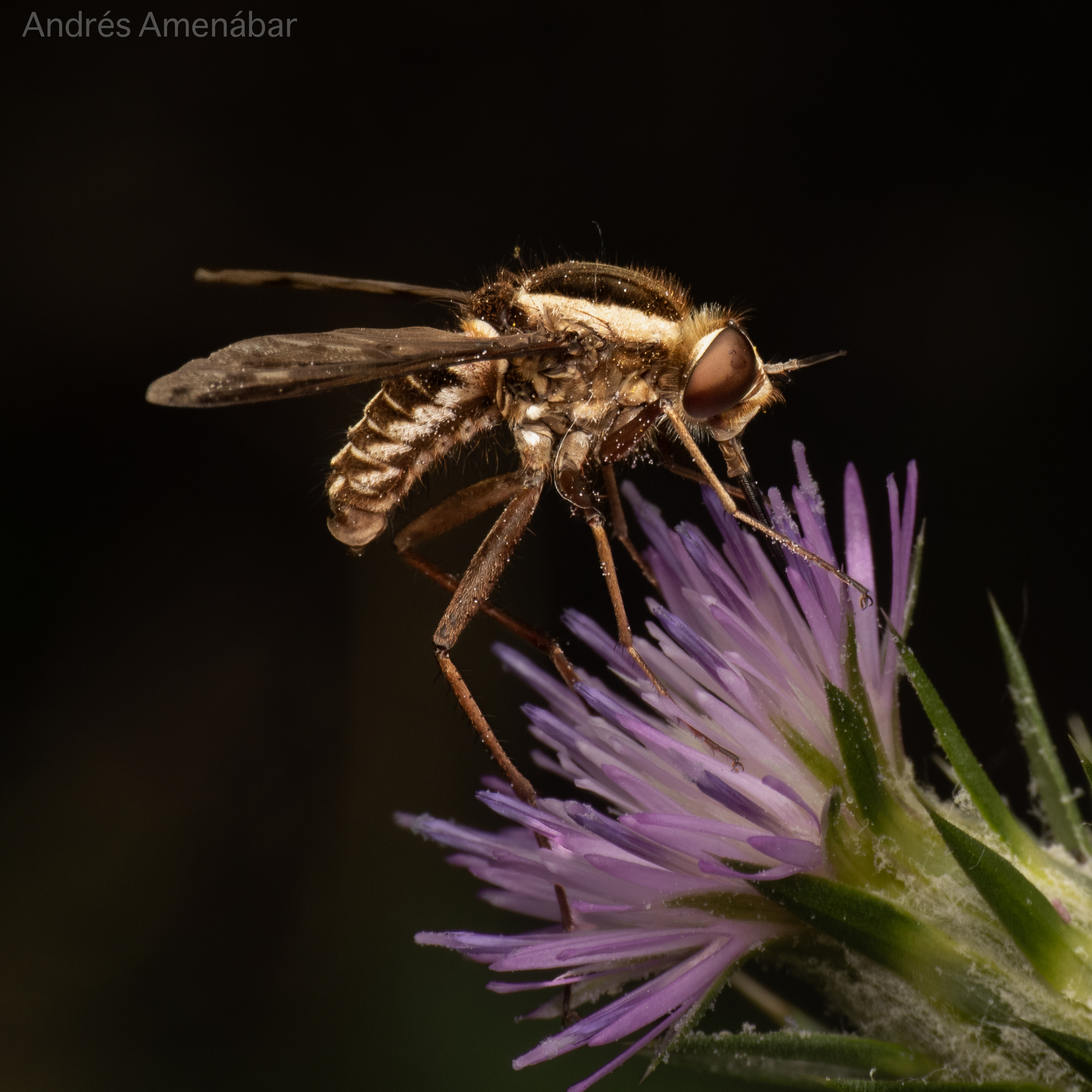
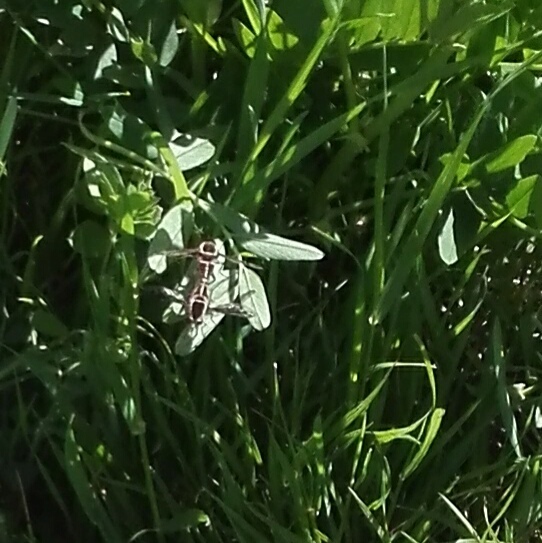
Based on observations from the TreeOfLife-200M dataset, members of the genus Acrophthalmyda (such as A. paulseni) exhibit typical bombyliid morphology.[1] They are characterized by a robust, often densely setose (hairy) body, which is a common trait among bee flies. The wings are typically clear or have distinct patterns, and the proboscis is often elongated, adapted for nectar feeding.[1]
Ecology and Behavior
The genus Acrophthalmyda is part of the family Bombyliidae, commonly known as bee flies. Research indicates that Acrophthalmyda paulseni acts as a floral visitor for the perennial vine Bomarea salsilla (Alstroemeriaceae) in temperate forests of central Chile.[2] During these visits, the flies have been observed touching the reproductive structures of the flowers while feeding, suggesting they play a role in pollination.[2]
Gallery
References
- 1 2 3 Dataset view for Animalia / Arthropoda / Insecta / Diptera / Bombyliidae / Acrophthalmyda constructed from imageomics/TreeOfLife-200M records under this taxonomic path. Hugging Face Datasets. https://huggingface.co/datasets/imageomics/TreeOfLife-200M.
- 1 2 Carlos E. Valdivia; Javier A. Simonetti. The additive effects of pollinators and herbivores on the vine Bomarea salsilla (Alstroemeriaceae), remain spatially consistent in a fragmented forest. Revista Mexicana de Biodiversidad. 2018. https://doi.org/10.22201/ib.20078706e.2018.4.2546.