Aciurina trixa
Taxonomy
This page represents the following TreeOfLife-200M taxonomic path.[1]
- Kingdom: Animalia
- Phylum: Arthropoda
- Class: Insecta
- Order: Diptera
- Family: Tephritidae
- Genus: Aciurina
- Species: Aciurina trixa
Visual Description
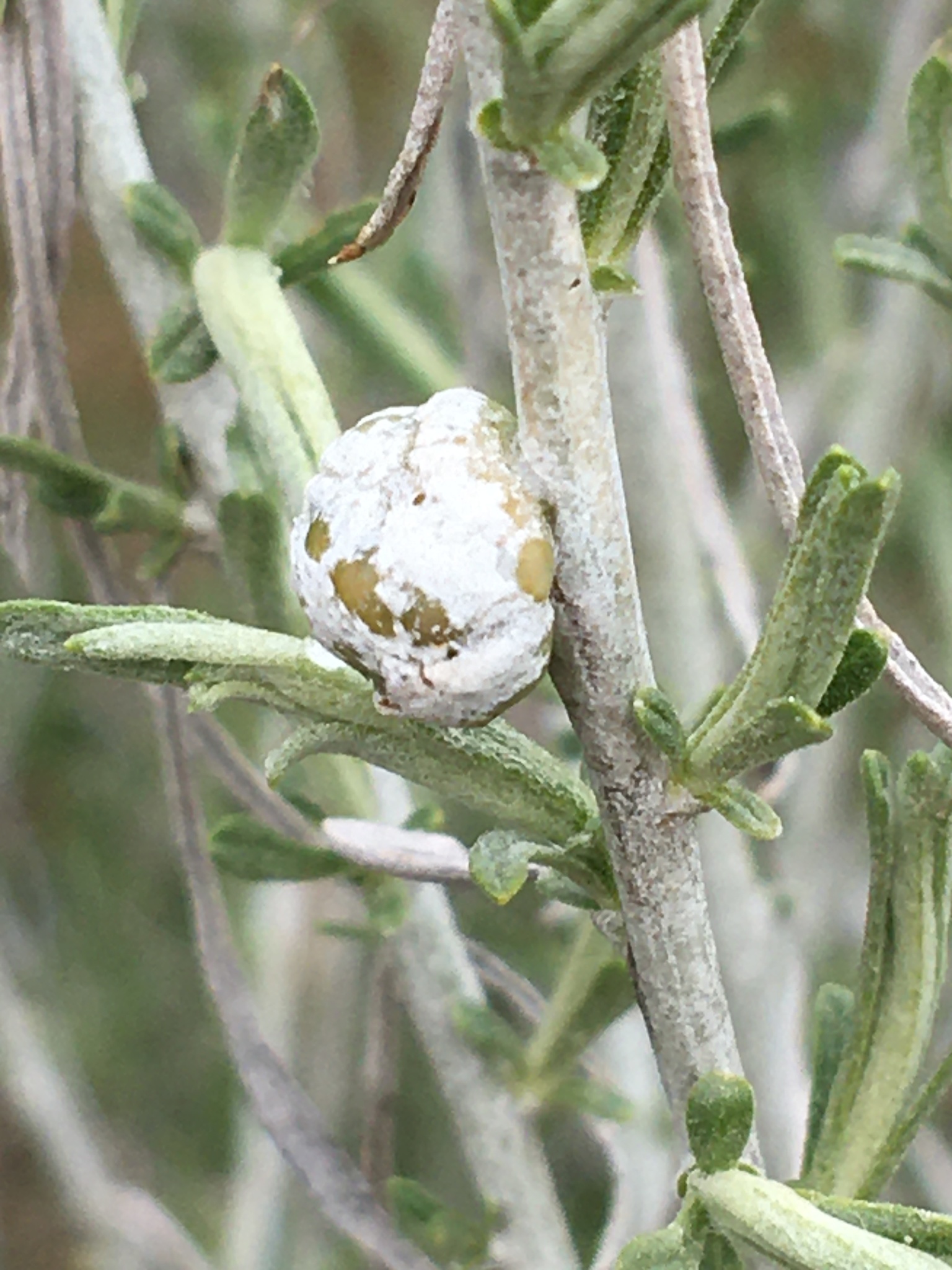
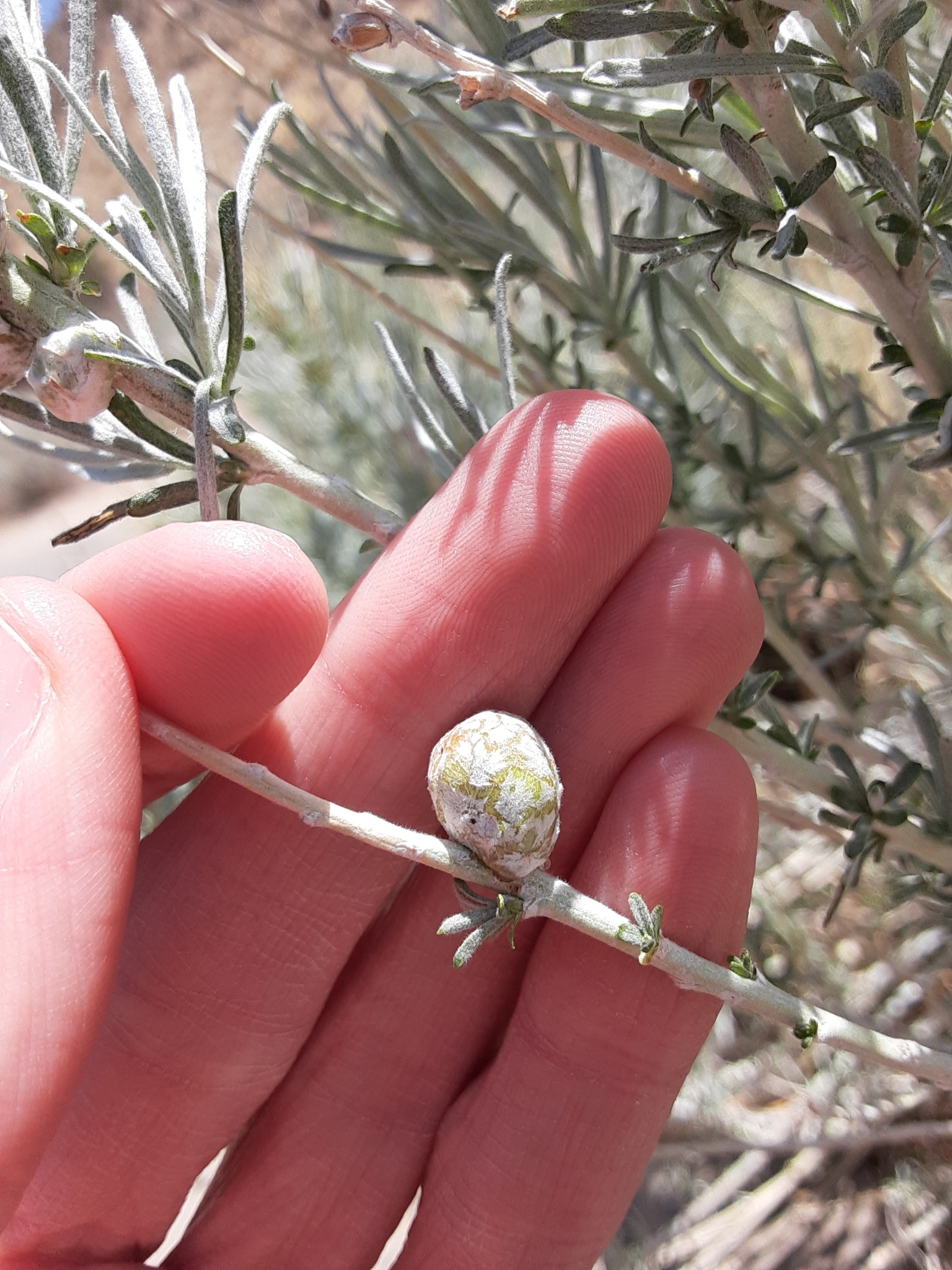
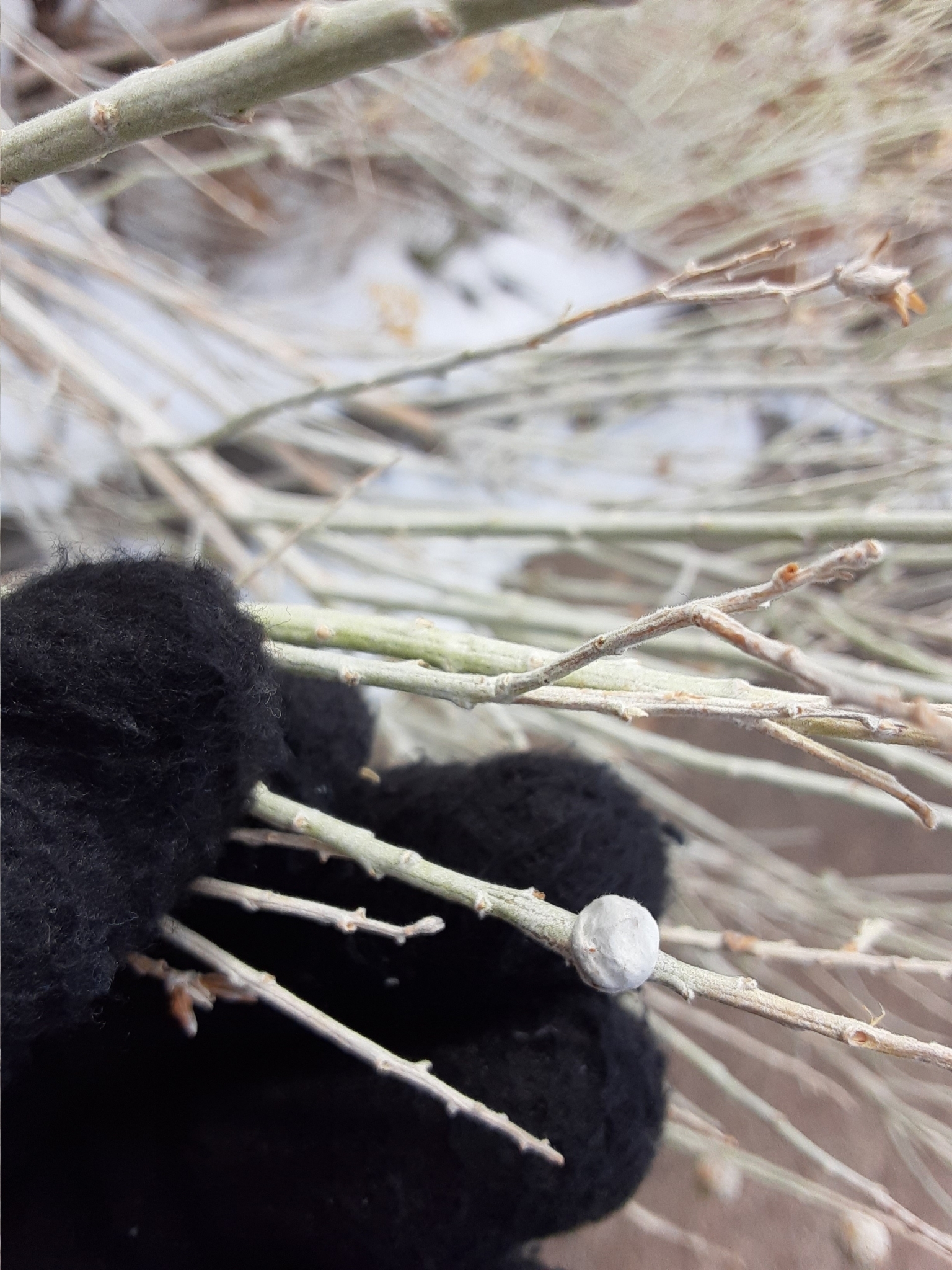
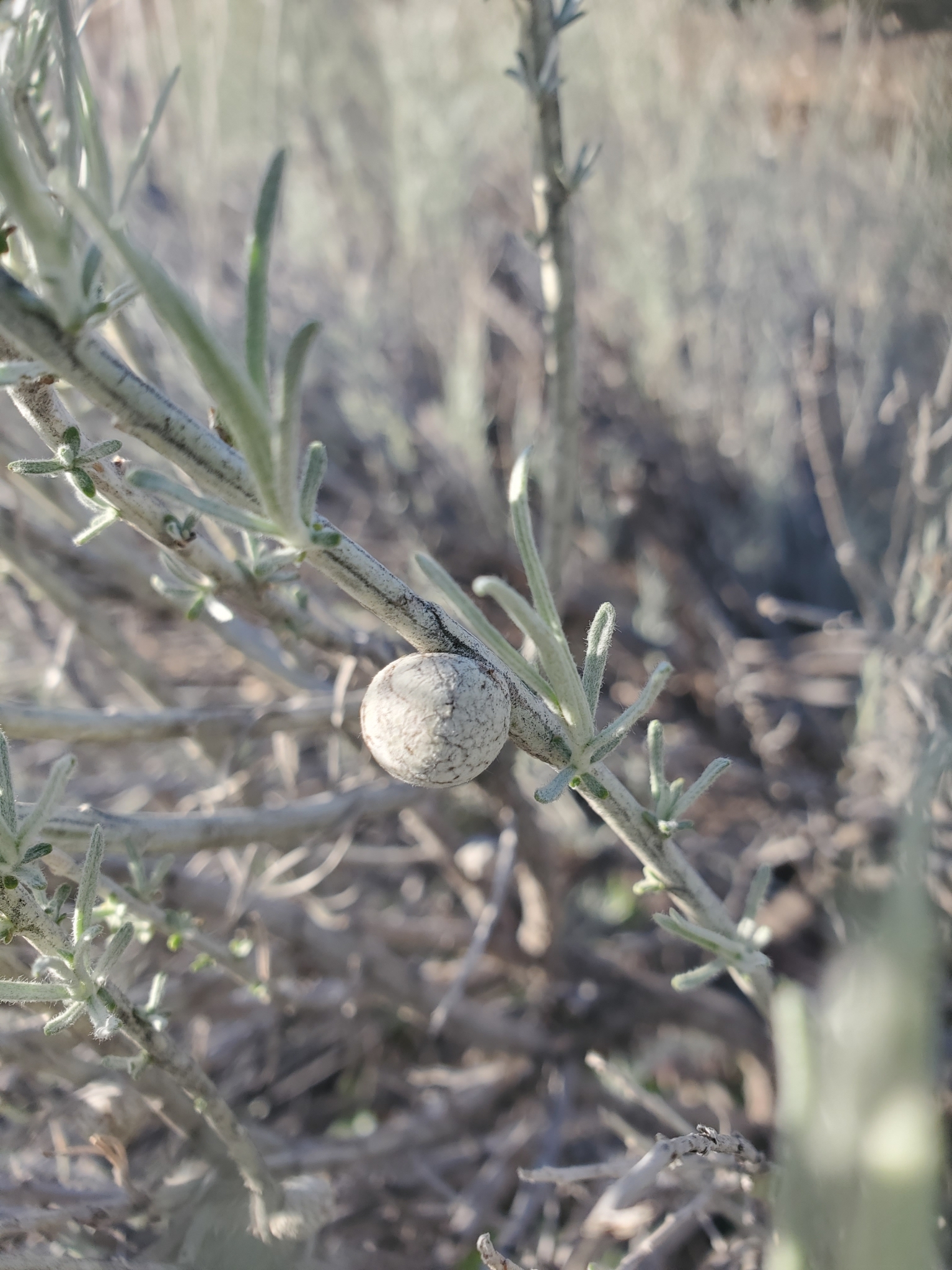
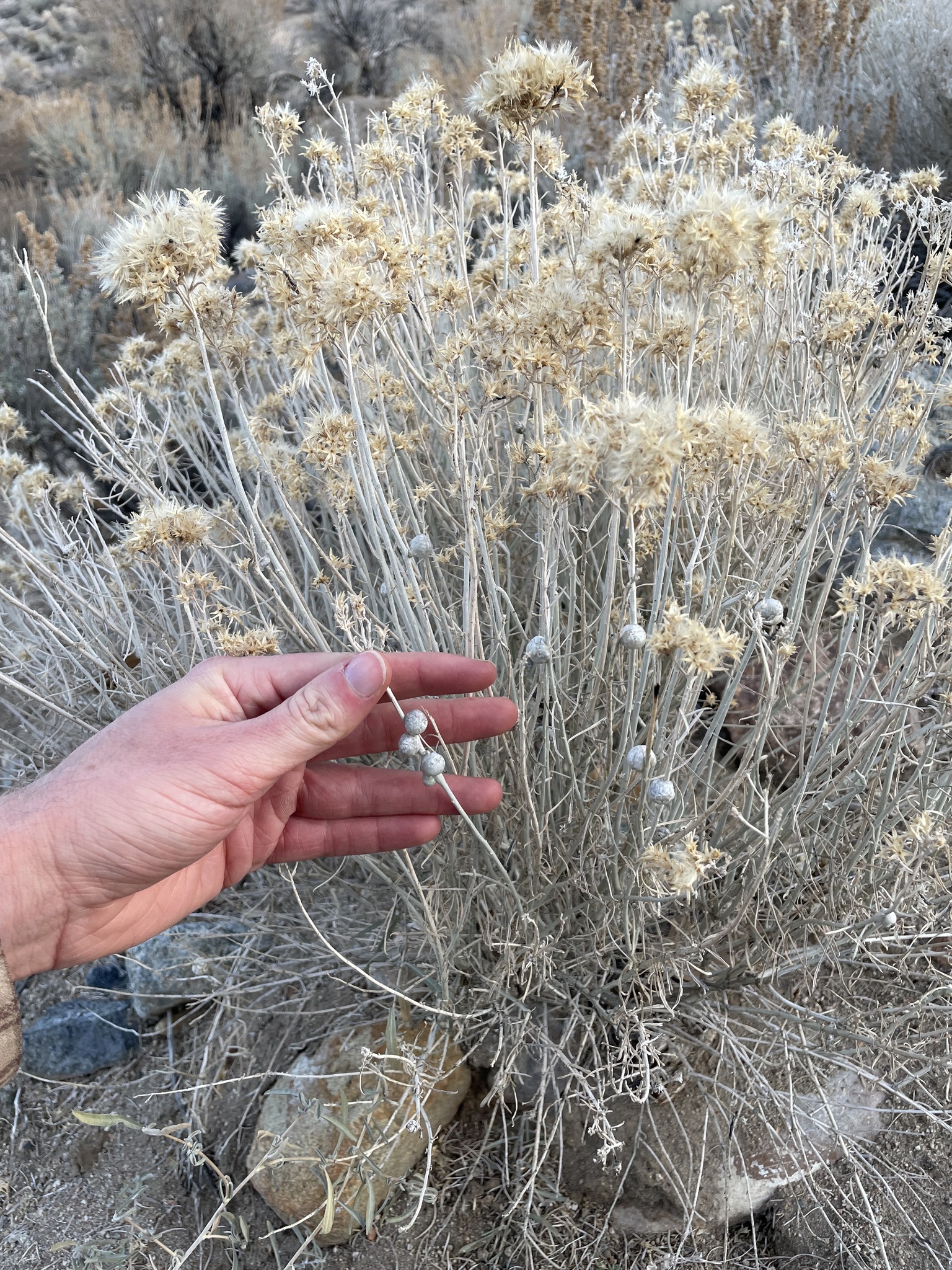
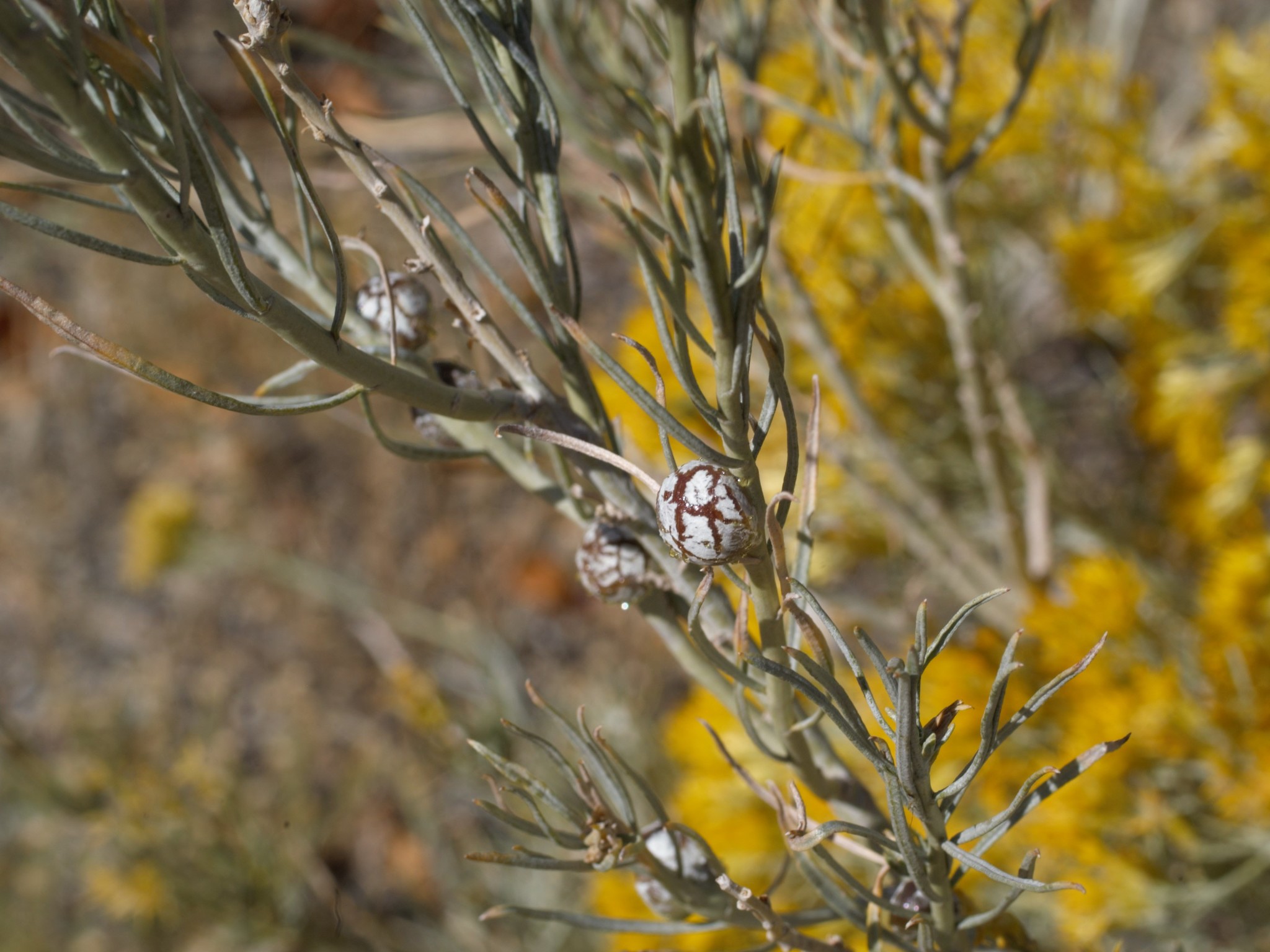
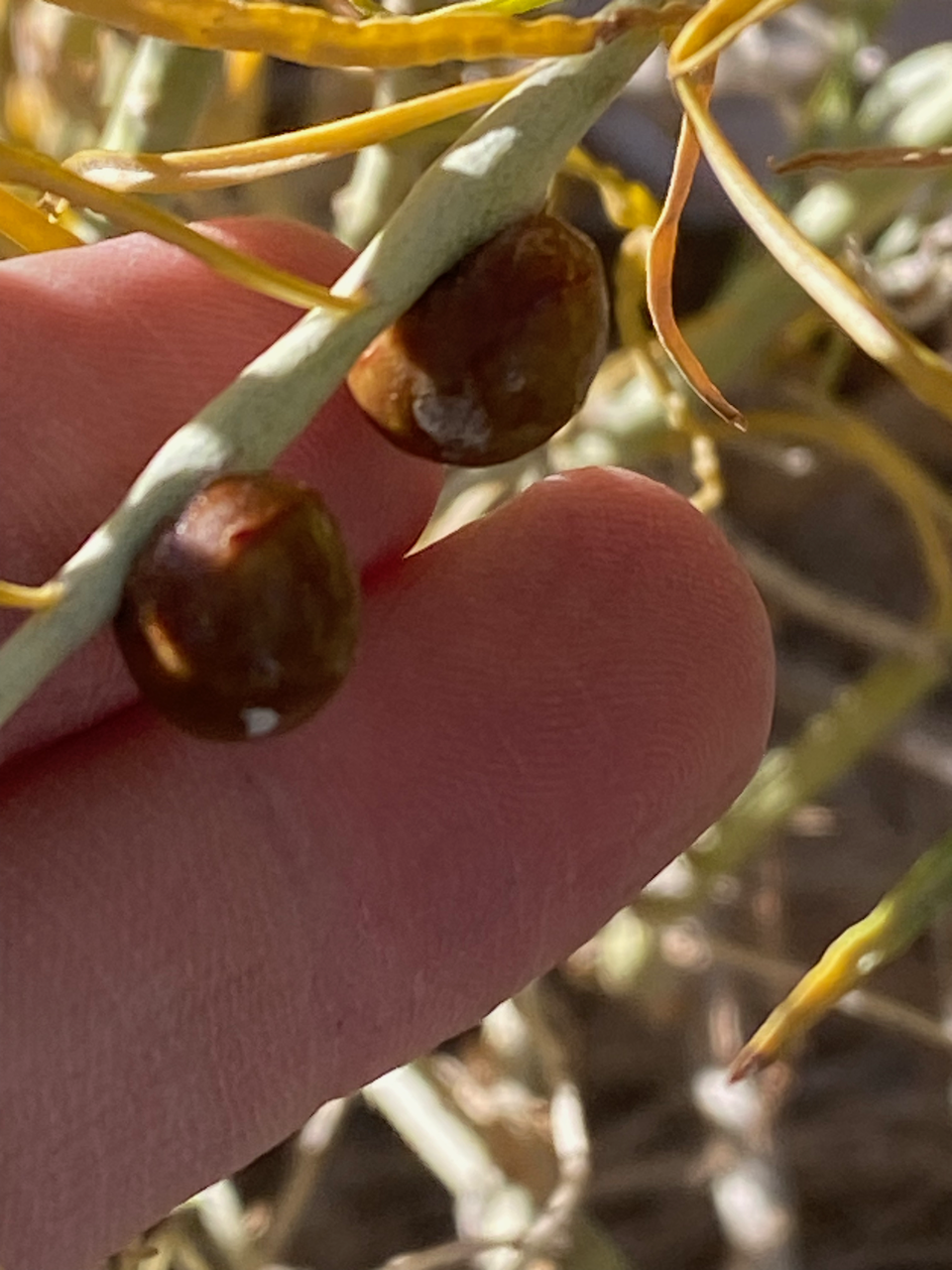
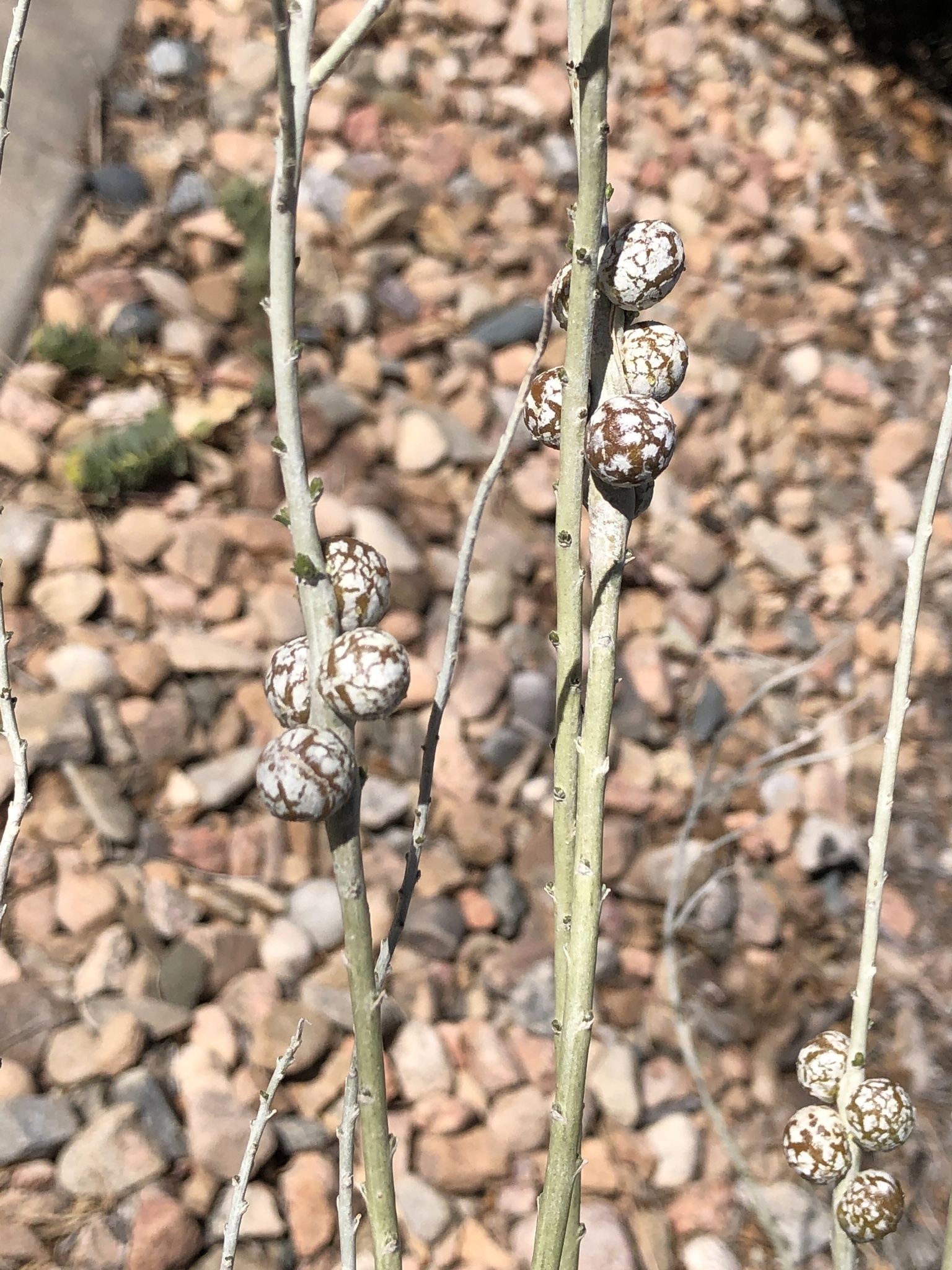
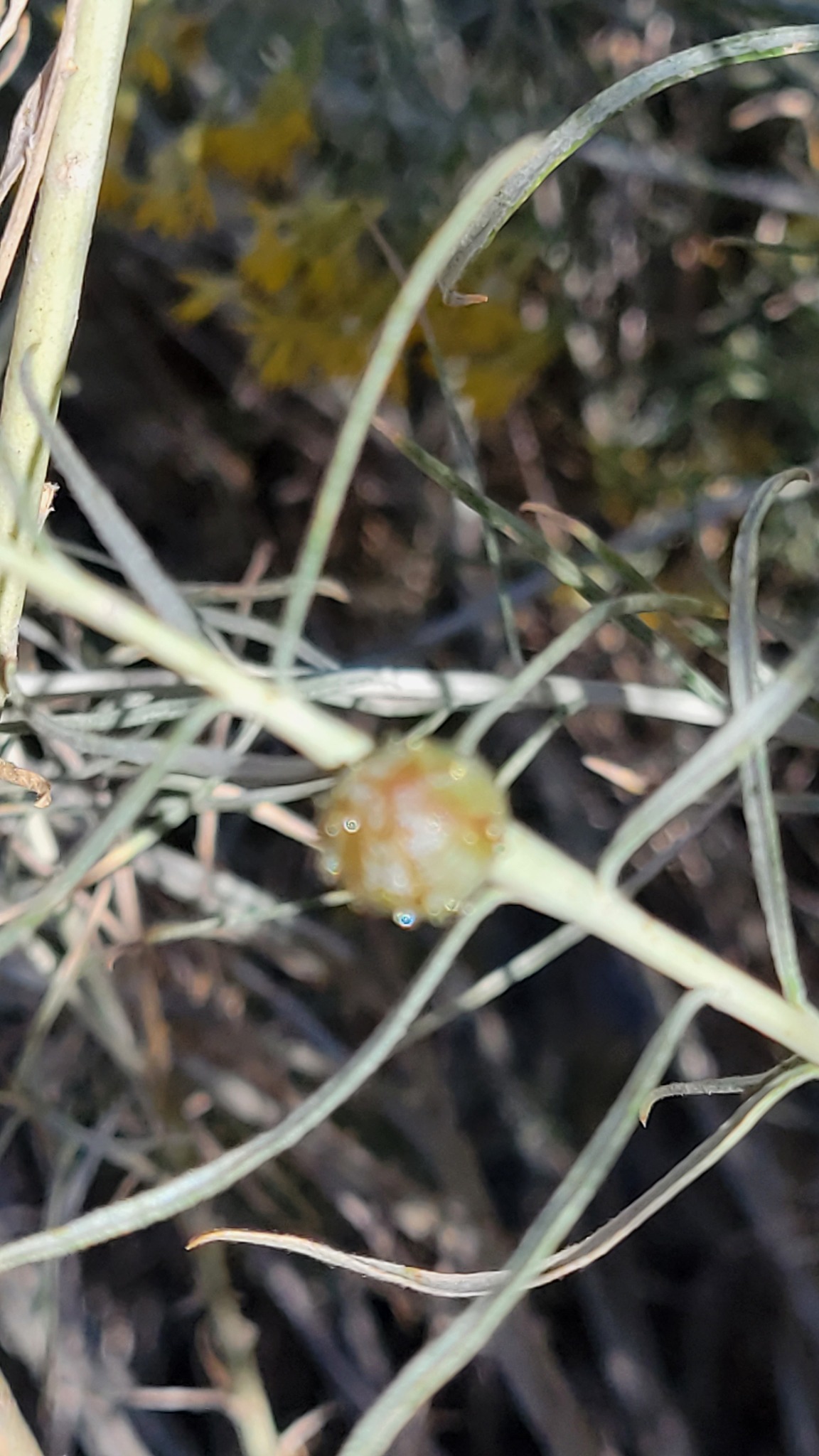
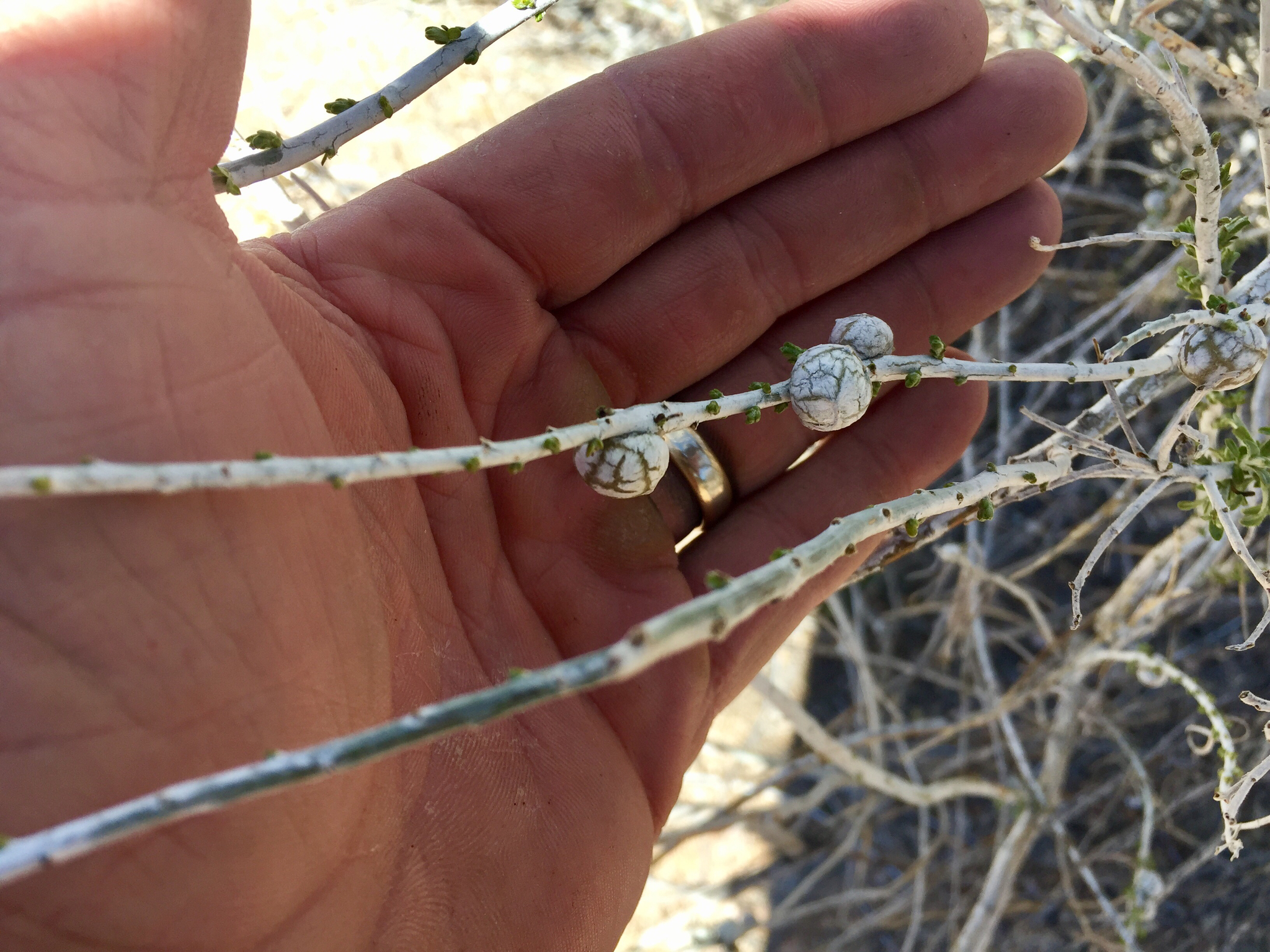
Aciurina trixa is a gall-inducing tephritid fly. The galls it induces on its host plant are spherical or globular in shape, often appearing as distinct, woody, or hardened structures on the stems or branches of the host plant. These galls typically exhibit a mottled or patterned surface, often with lighter, whitish, or greyish patches against a darker background, giving them a textured, sometimes cracked appearance.[1]
Biology and Ecology
Aciurina trixa is a univoltine gall-inducing tephritid fly that forms galls on Ericameria nauseosa ssp. nauseosa var. latisquamea, specifically in rocky washes along the Rio Grande and Gila River basins in New Mexico.[2]
The species is a sister taxon to Aciurina bigeloviae, with which it shares similar body morphology and life cycles, though they are distinguished by consistent differences in gall morphology and host plant variety specificity.[2] A. trixa inserts single eggs into the base of a leaf bud in the spring; the resulting gall forms in late summer, and the larva tunnels a single chamber to feed on internal nutritional cells before overwintering, pupating between March and May, and eclosing as an adult in May or June.[2]
A. trixa galls serve as habitats for a complex community of associate arthropods, including parasitoids, predators, and inquilines.[2] A total of 15 species have been identified as associates of A. trixa, including two species exclusive to it.[2] The inquiline weevil Anthonomus cycliferus is commonly found within A. trixa galls, feeding on parenchymatous tissue between the outer dermal tissue and the sclerenchyma; however, studies indicate that the presence of these weevils does not negatively impact the fitness of the A. trixa inducer, as there is no measurable correlation between weevil abundance and either adult fly size or gall size.[2]
Gallery
References
- 1 2 Dataset view for Animalia / Arthropoda / Insecta / Diptera / Tephritidae / Aciurina / trixa constructed from imageomics/TreeOfLife-200M records under this taxonomic path. Hugging Face Datasets. https://huggingface.co/datasets/imageomics/TreeOfLife-200M.
- 1 2 3 4 5 6 Quinlyn Baine; Emily E. Casares; Daniel W.W. Hughes; Vincent G. Martinson; Ellen O. Martinson. Arthropod communities associated with gall-inducing Aciurina bigeloviae and Aciurina trixa (Diptera: Tephritidae) in New Mexico. bioRxiv (Cold Spring Harbor Laboratory). 2023. https://doi.org/10.1101/2023.09.05.555642.