Acanthochaetetidae
Taxonomy
This page represents the following TreeOfLife-200M taxonomic path.[1]
- Kingdom: Animalia
- Phylum: Porifera
- Class: Demospongiae
- Order: Clionaida
- Family: Acanthochaetetidae
Visual Description
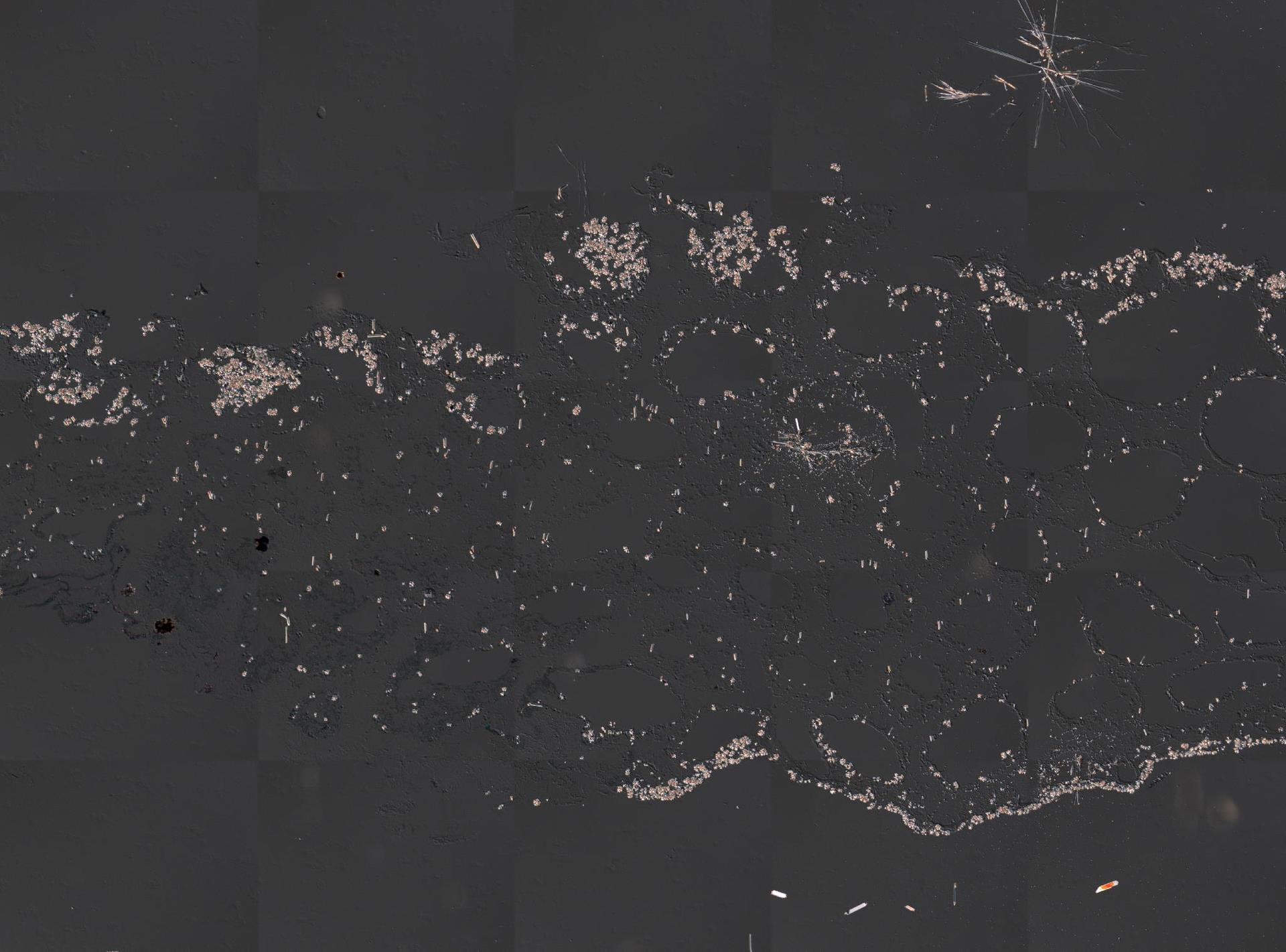
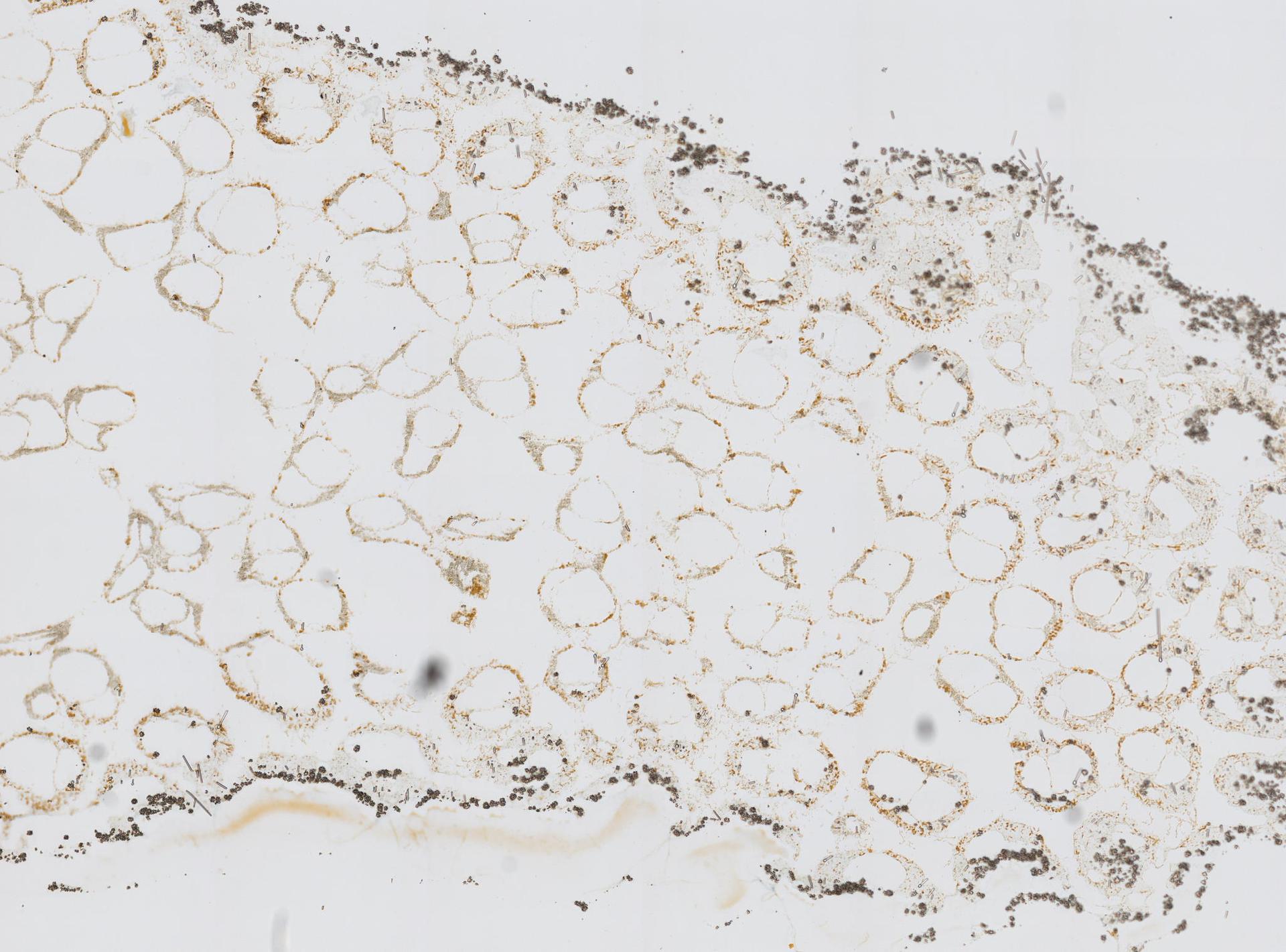
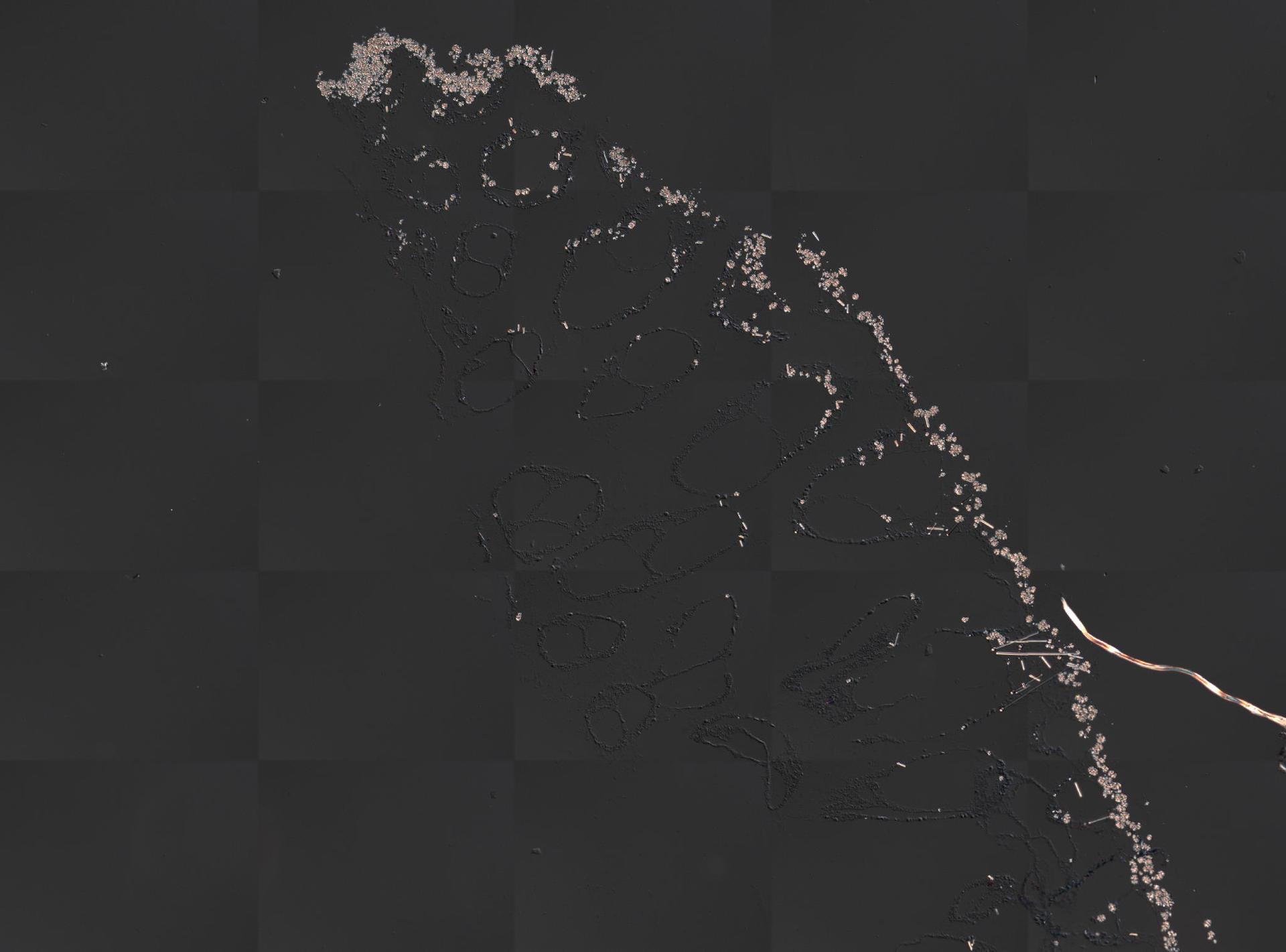
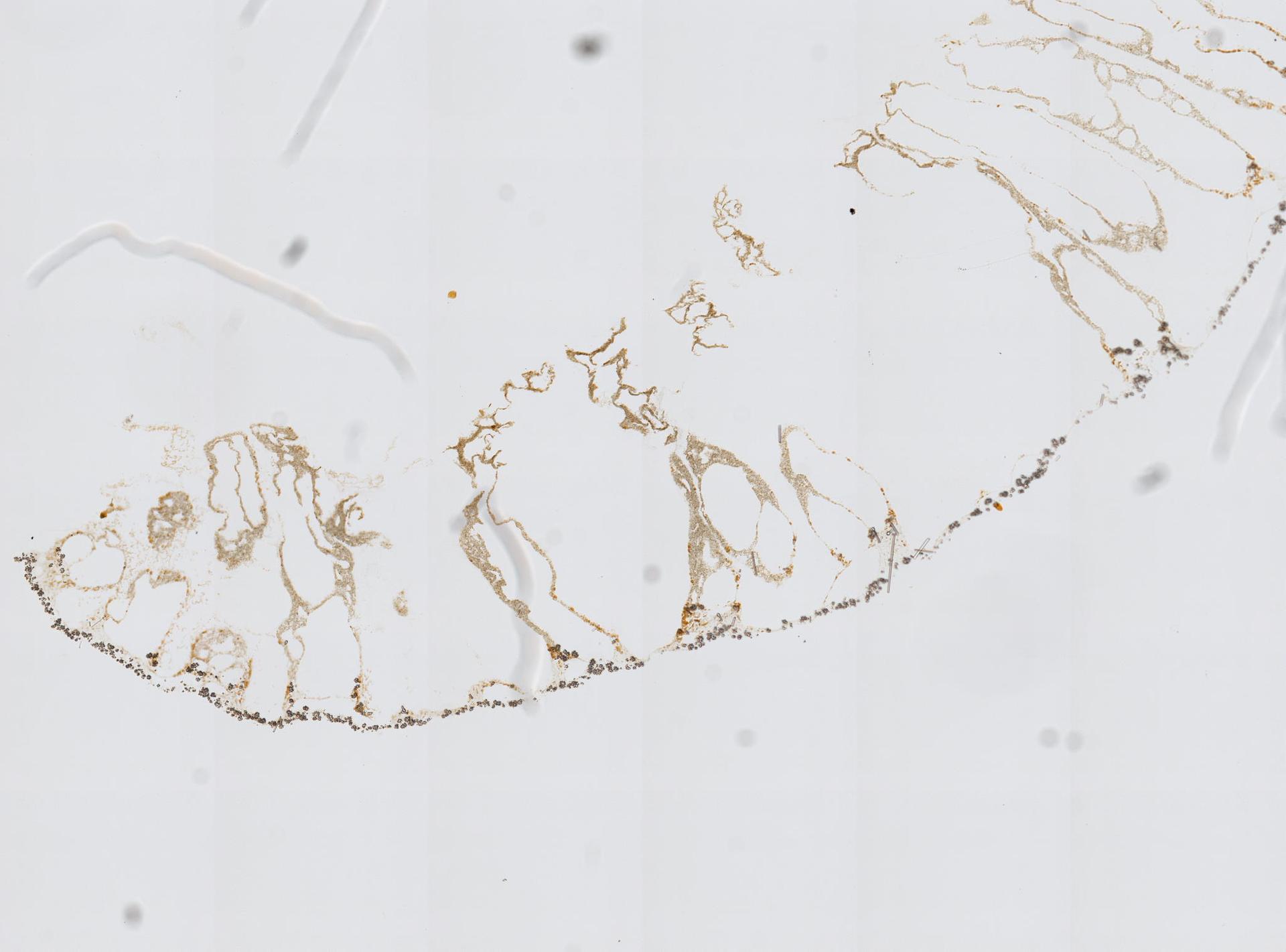
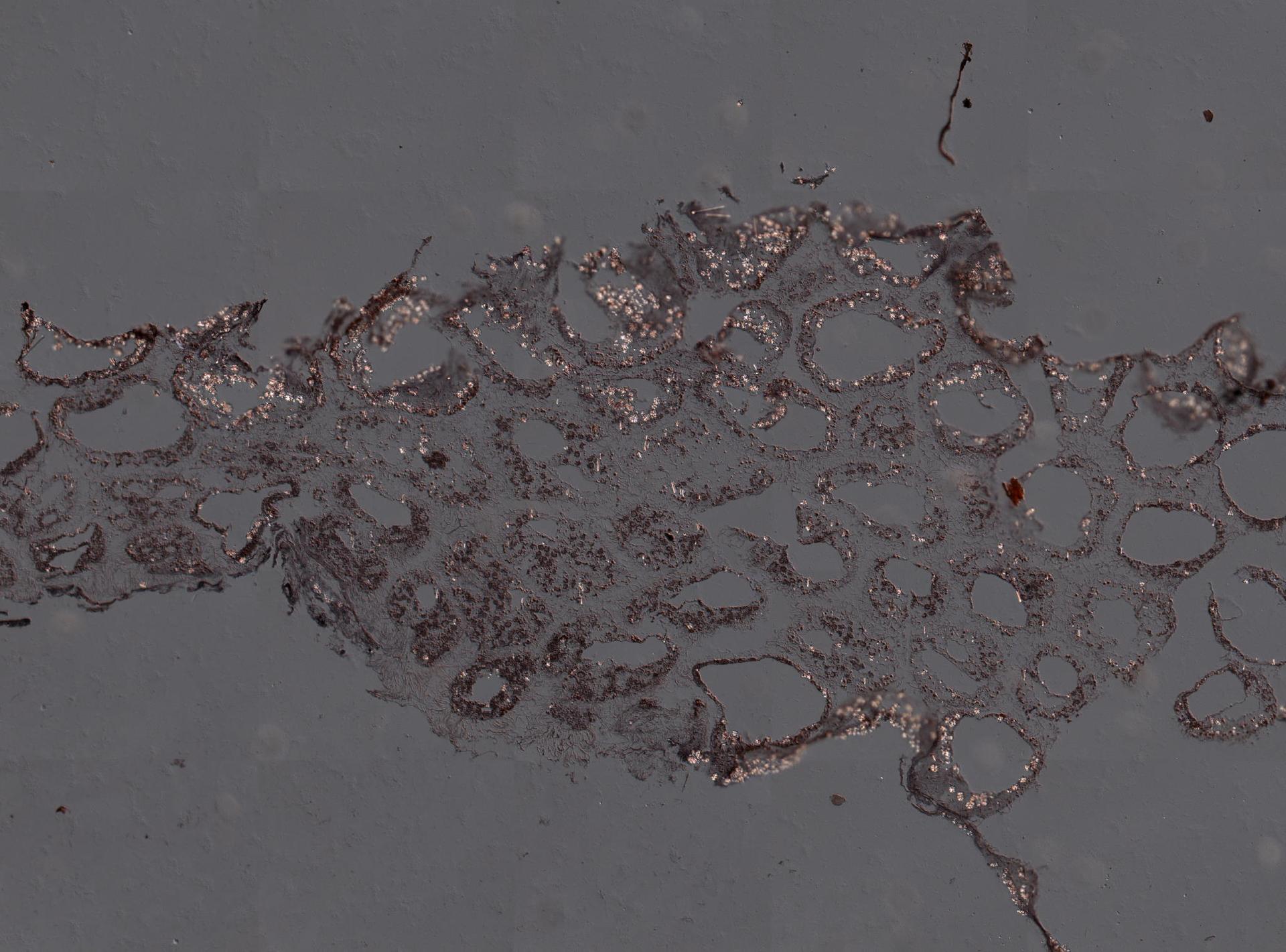
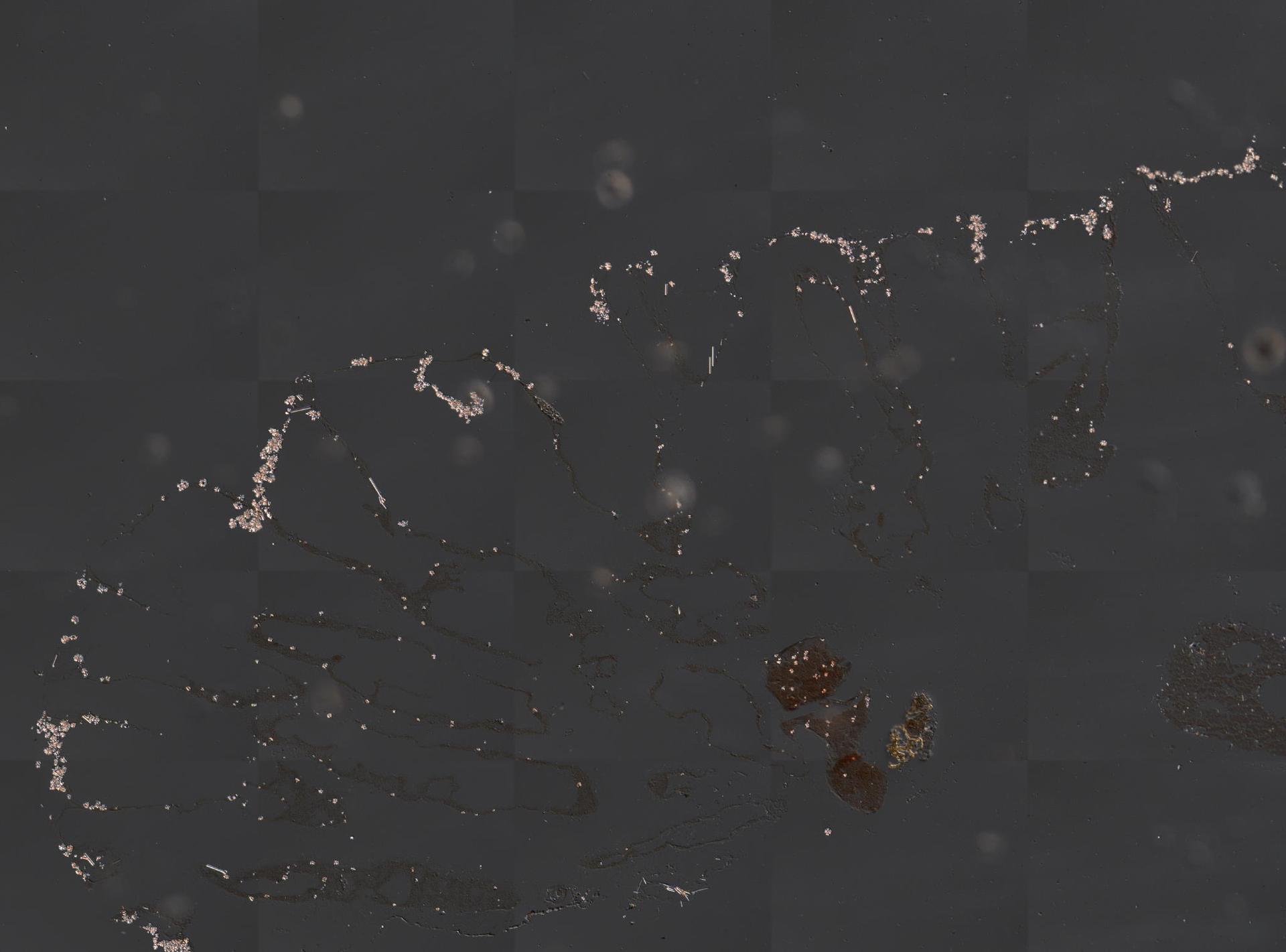
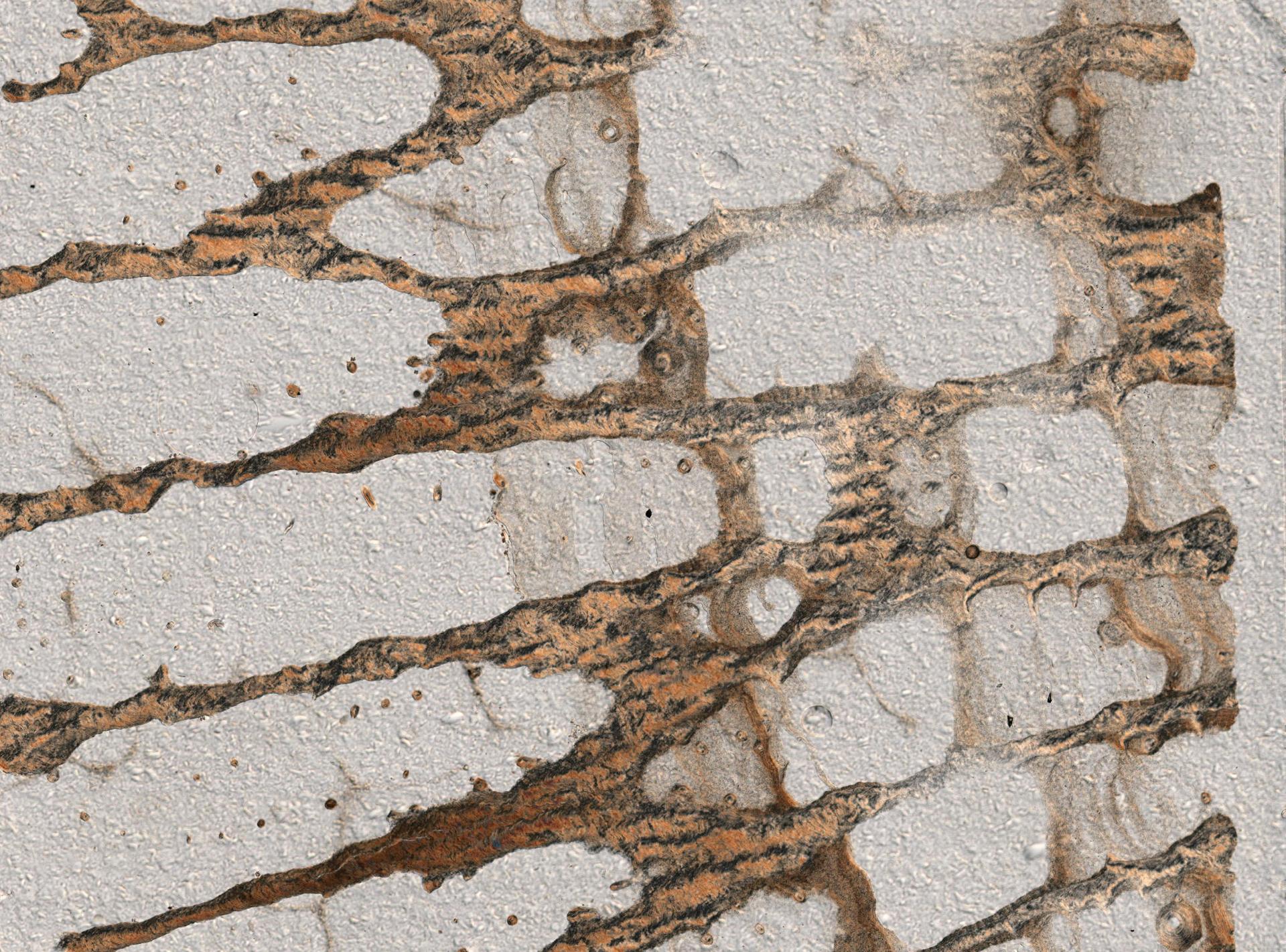
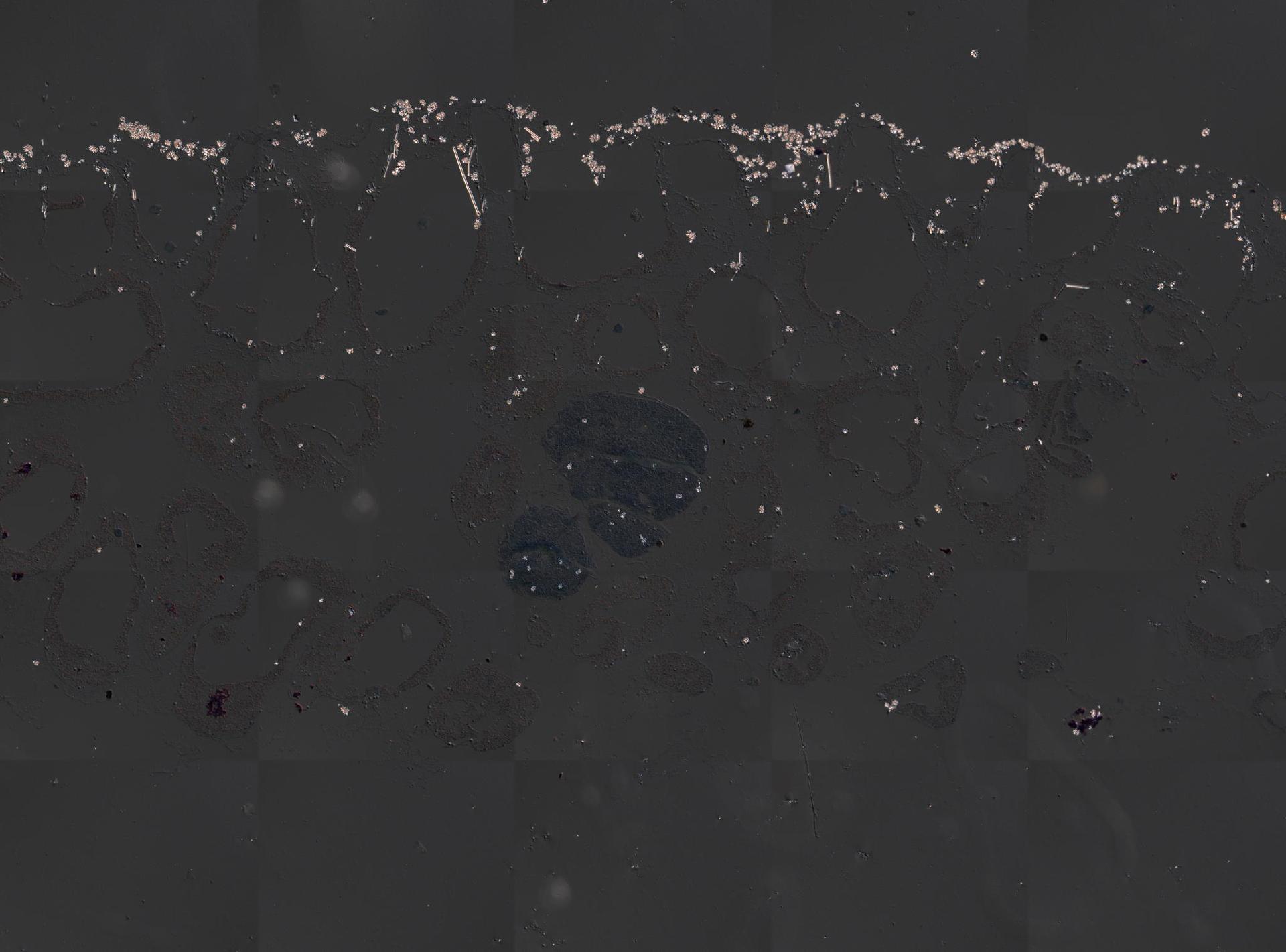
Members of Acanthochaetetidae are “hypercalcified” demosponges that form hard, mineralized skeletons. In museum specimen records, the family is represented by rigid sponge skeleton morphotypes (commonly sheet-like to nodular/clustered constructions depending on genus and preservation), reflecting extensive calcareous mineral deposition associated with the chaetetid grade (see Living hypercalcified sponges).
General Characteristics (authoritative synthesis)
Hypercalcified, coherently mineralized demosponges (chaetetid grade)
Within the demosponges, Acanthochaetetidae is treated as part of the “chaetetid” (hypercalcified) morphological grade of living sponges: skeletons are laminar to domical, with an externally honeycomb-like superficial architecture formed by numerous small tubes.
Tissue forms a thin veneer at the surface and within outer tube regions. Tube interiors can be partitioned by horizontal tabulae, and cavities may contain reserve cells that can support regeneration (often discussed as “pseudogemmules”), which can relate to discontinuous growth patterns. Secondary calcareous infilling at tube ends contributes to a very hard, coherent skeleton.
Skeletal mineral type and microstructure (Acanthochaetetes/Acanthochaetetidae context)
For hypercalcified demosponges in the relevant category that are not derived from a primary spicular skeleton, the calcareous skeleton is calcite (rather than aragonite in some related groups). For Acanthochaetetes (a focal taxon associated with Acanthochaetetidae in the chaetetid-grade synthesis), the skeleton has a microlamellar microstructure, with formation occurring in a narrow zone between the basal pinacoderm and the mature skeleton. Mineralization proceeds on threadlike folded templates (“spaghetti fibers”).
Habitat and distribution (ecological constraints)
Living hypercalcified sponges are described as relatively uncommon compared with overall sponge diversity and typically restricted to warm to warm-temperate regions and cryptic refuge habitats (for example, bathyal cliffs and littoral dark caves), rather than functioning as dominant reef builders.
Growth and life history (broad synthesis)
Chaetetid-grade hypercalcified sponges are inferred to grow slowly relative to major modern reef builders. In the focal group context that includes Acanthochaetetes, growth has been estimated at roughly 50–100 µm per year, with inferred long lifespans for larger constructions (including examples on the order of ~1000 years for small to decimeter-scale constructions in cavity settings). Sexual reproduction is reported as poorly known for many hypercalcified taxa; when observed, it can resemble that of non-calcified relatives. For some frequently studied forms (including Acanthochaetetes wellsi), sexual reproduction has not been observed and alternative life-history interpretations are discussed, but remain difficult to diagnose.
Gallery
References
- ↑ Dataset view for Animalia / Porifera / Demospongiae / Clionaida / Acanthochaetetidae constructed from imageomics/TreeOfLife-200M records under this taxonomic path. Hugging Face Datasets. https://huggingface.co/datasets/imageomics/TreeOfLife-200M.