Acanthochaetetes
Taxonomy
This page represents the following TreeOfLife-200M taxonomic path.[1]
- Kingdom: Animalia
- Phylum: Porifera
- Class: Demospongiae
- Order: Clionaida
- Family: Acanthochaetetidae
- Genus: Acanthochaetetes
Visual Description
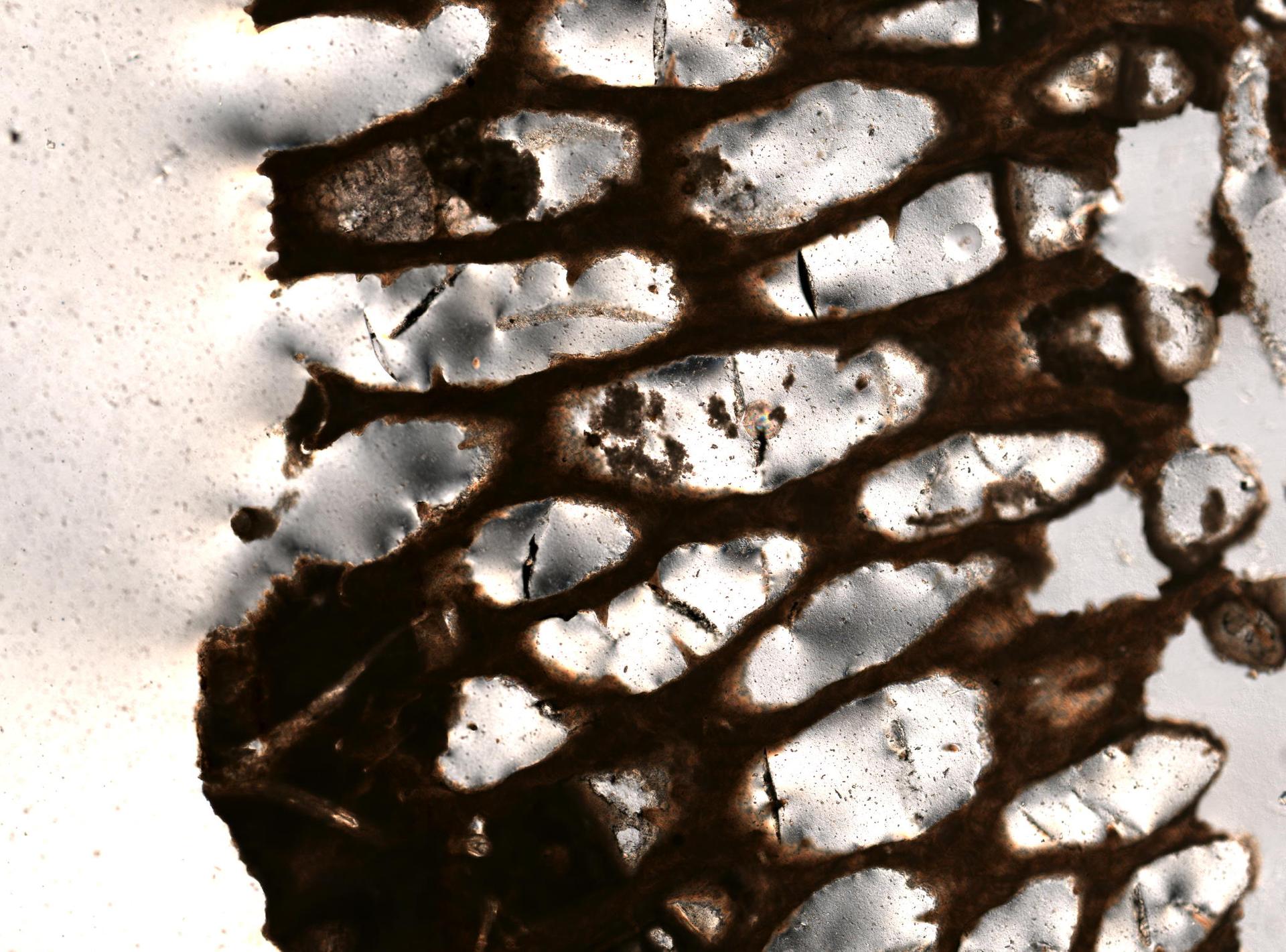
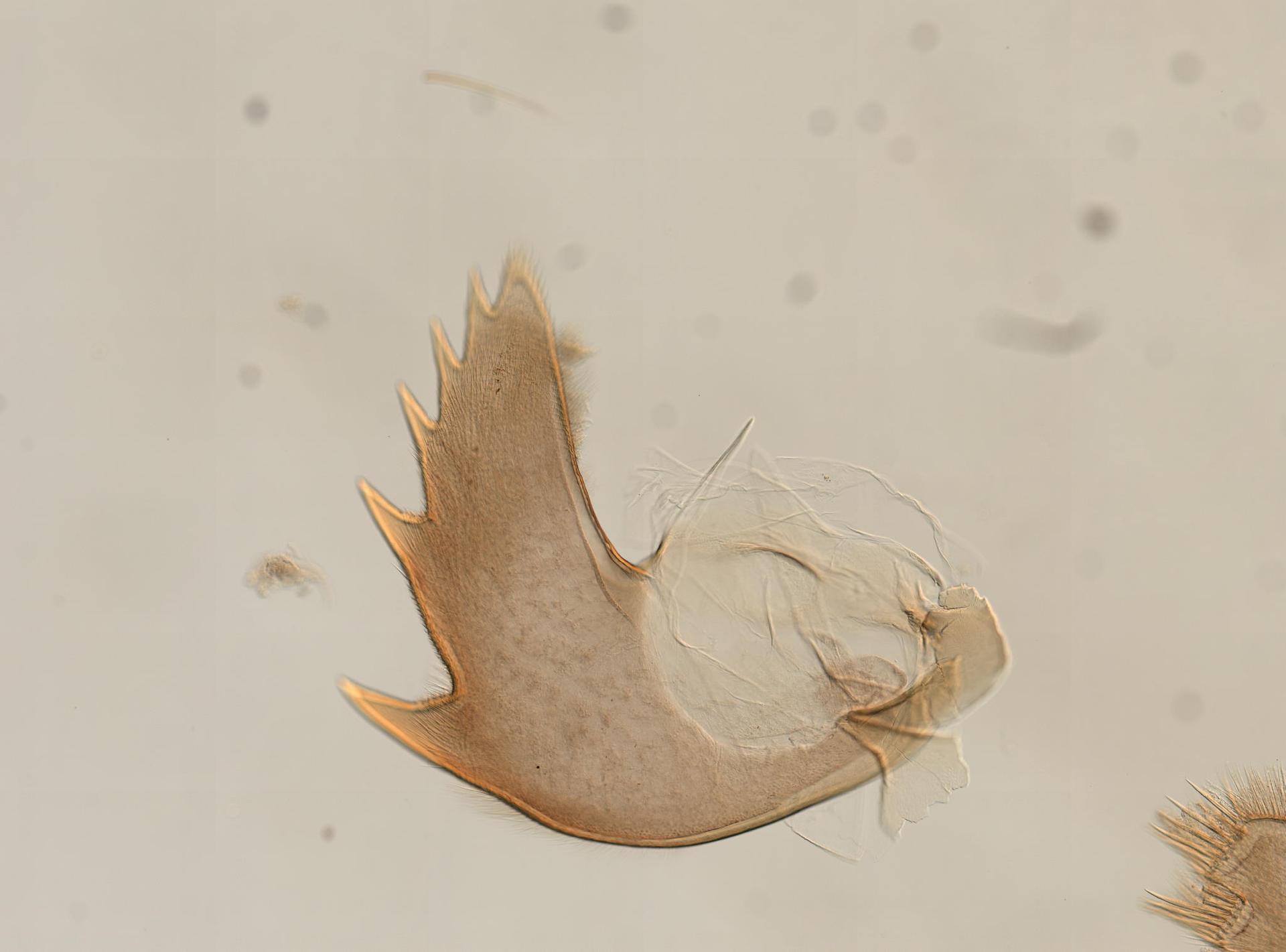
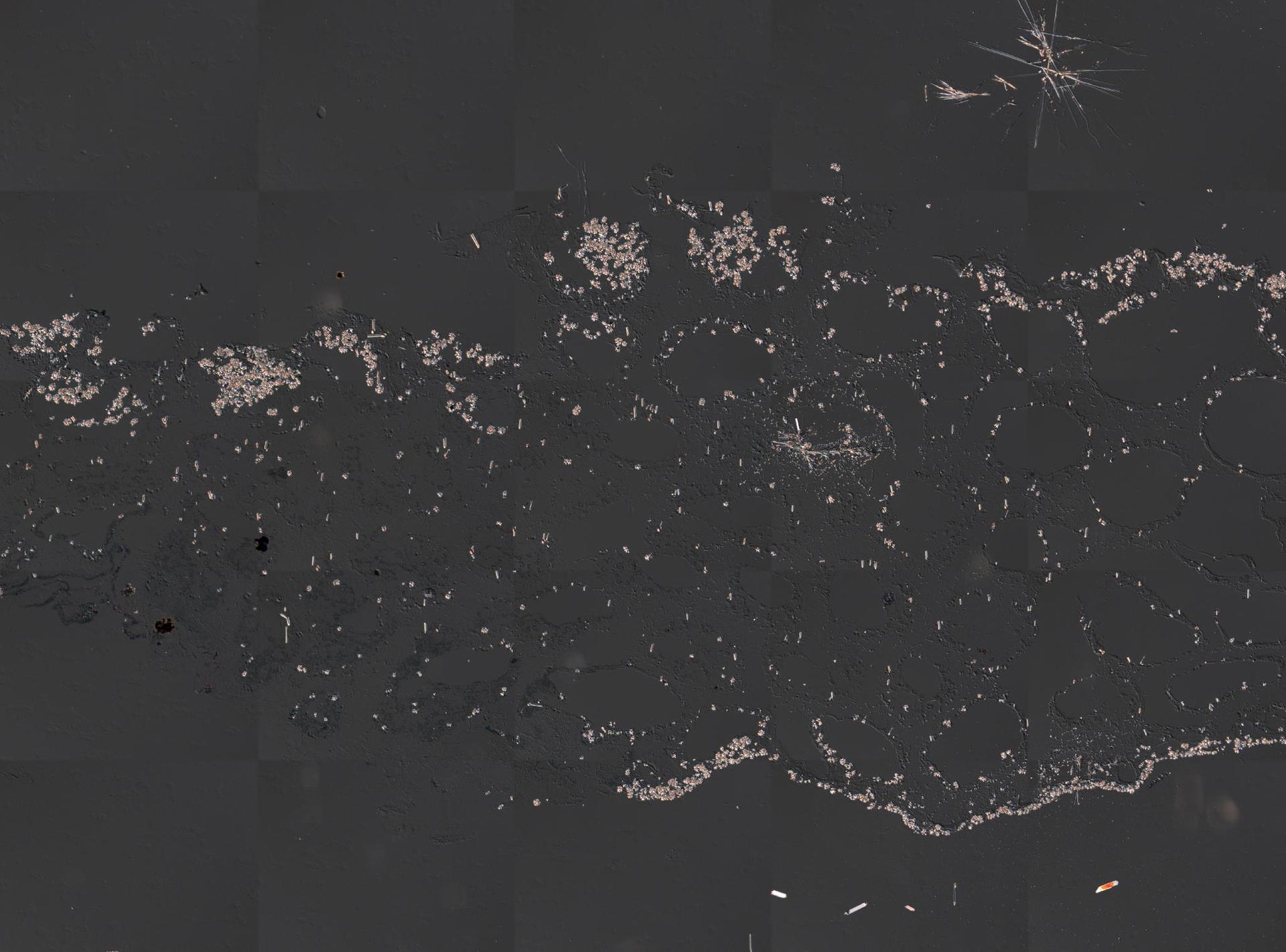
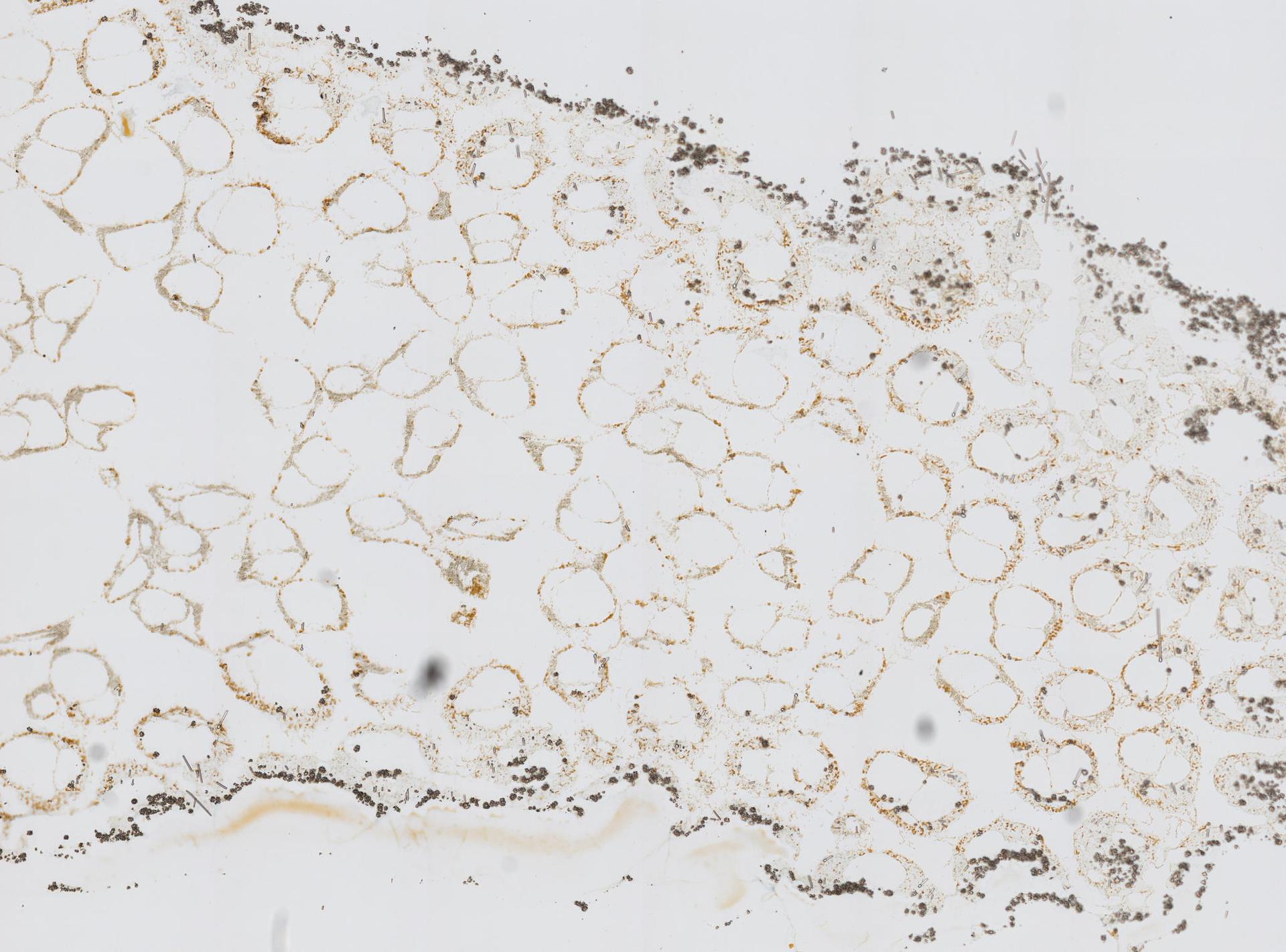
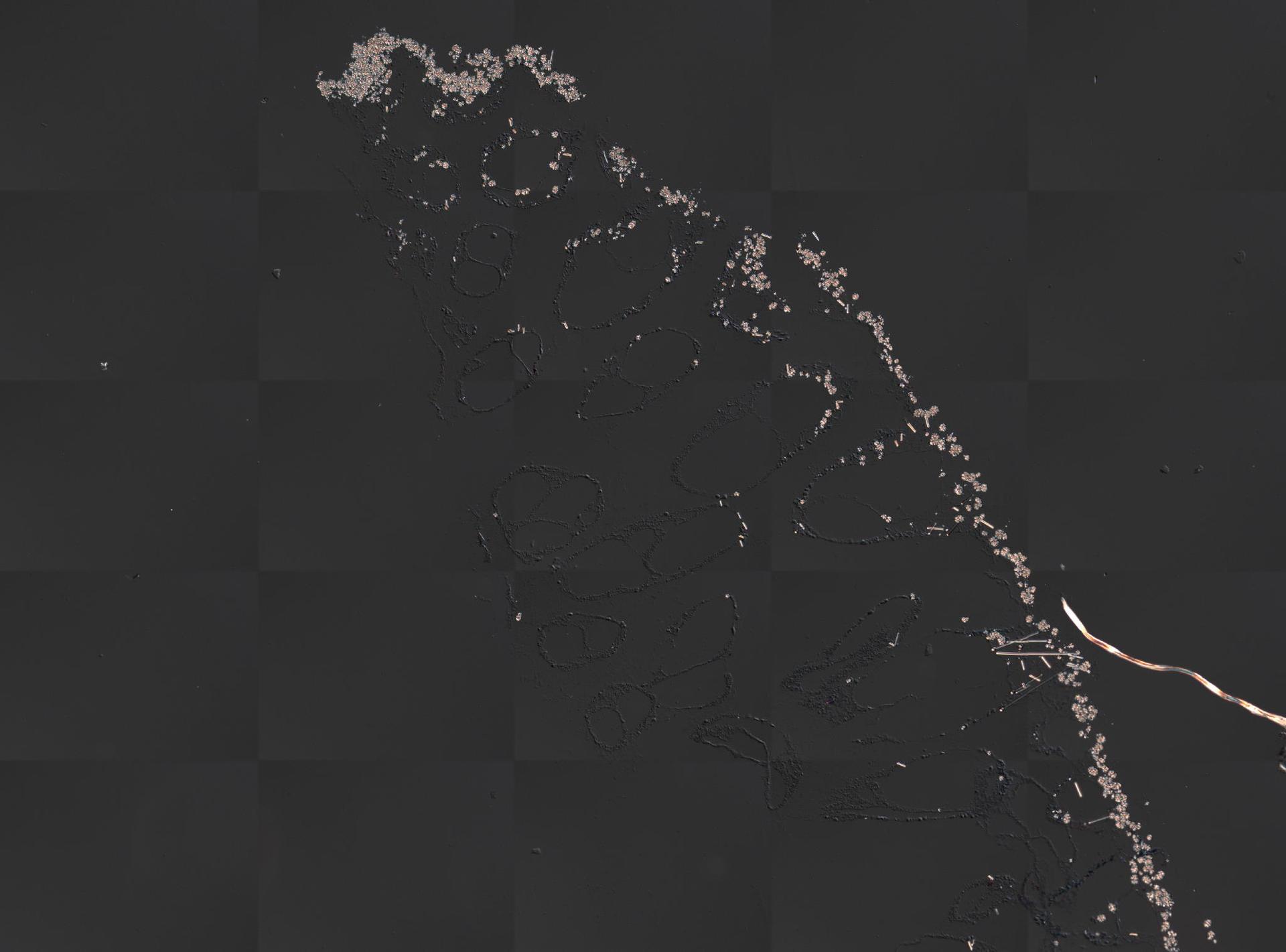
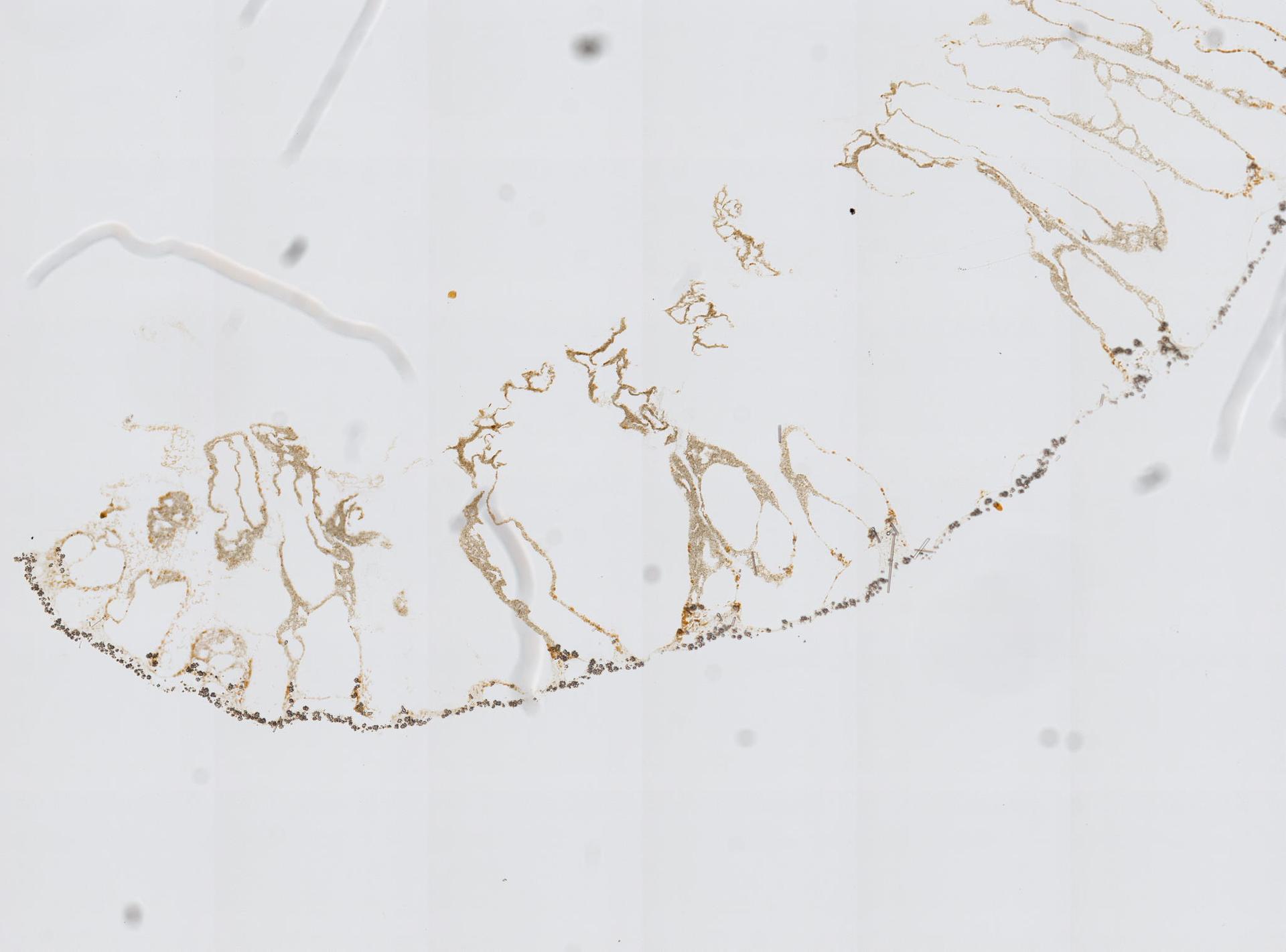
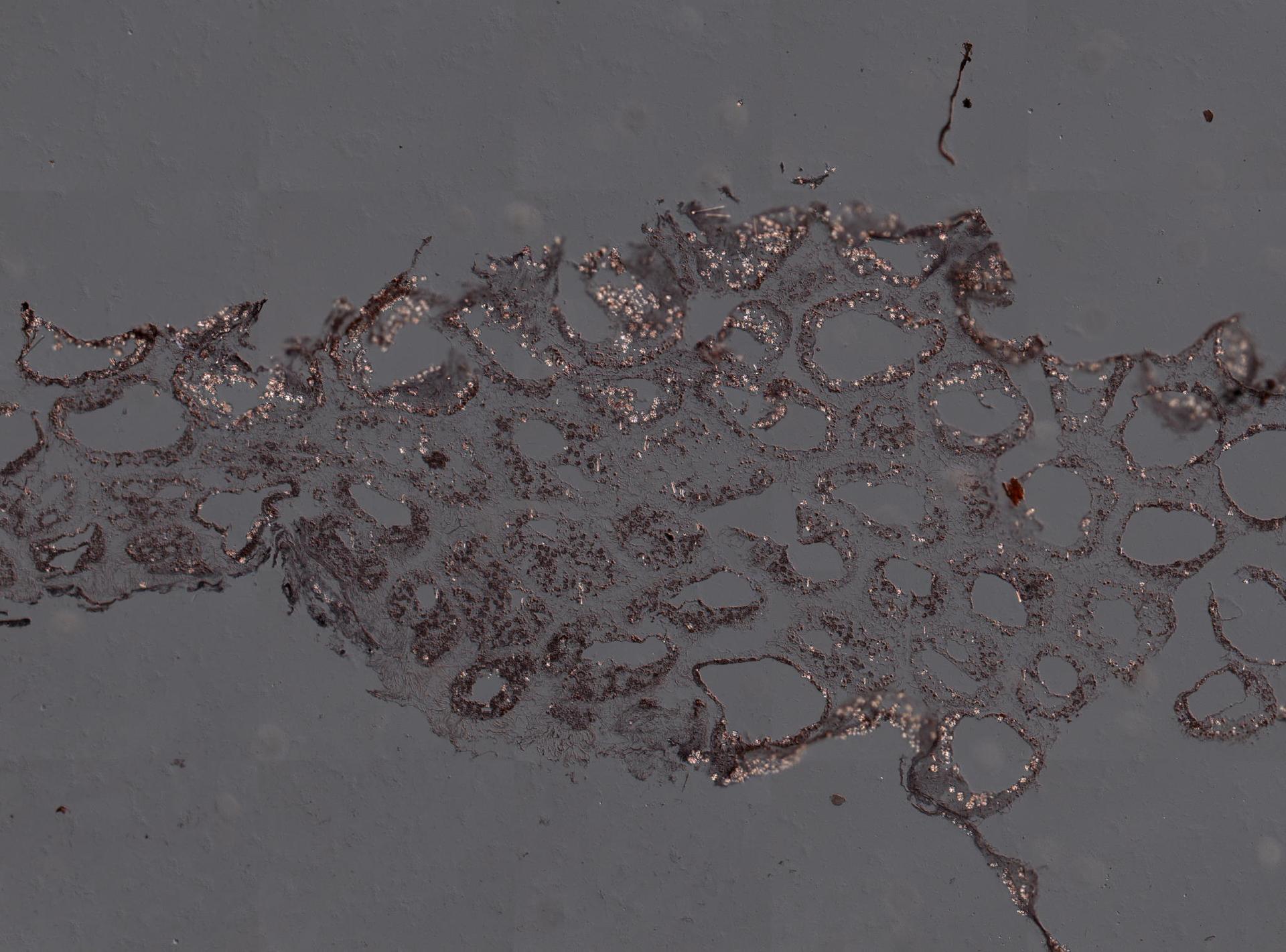
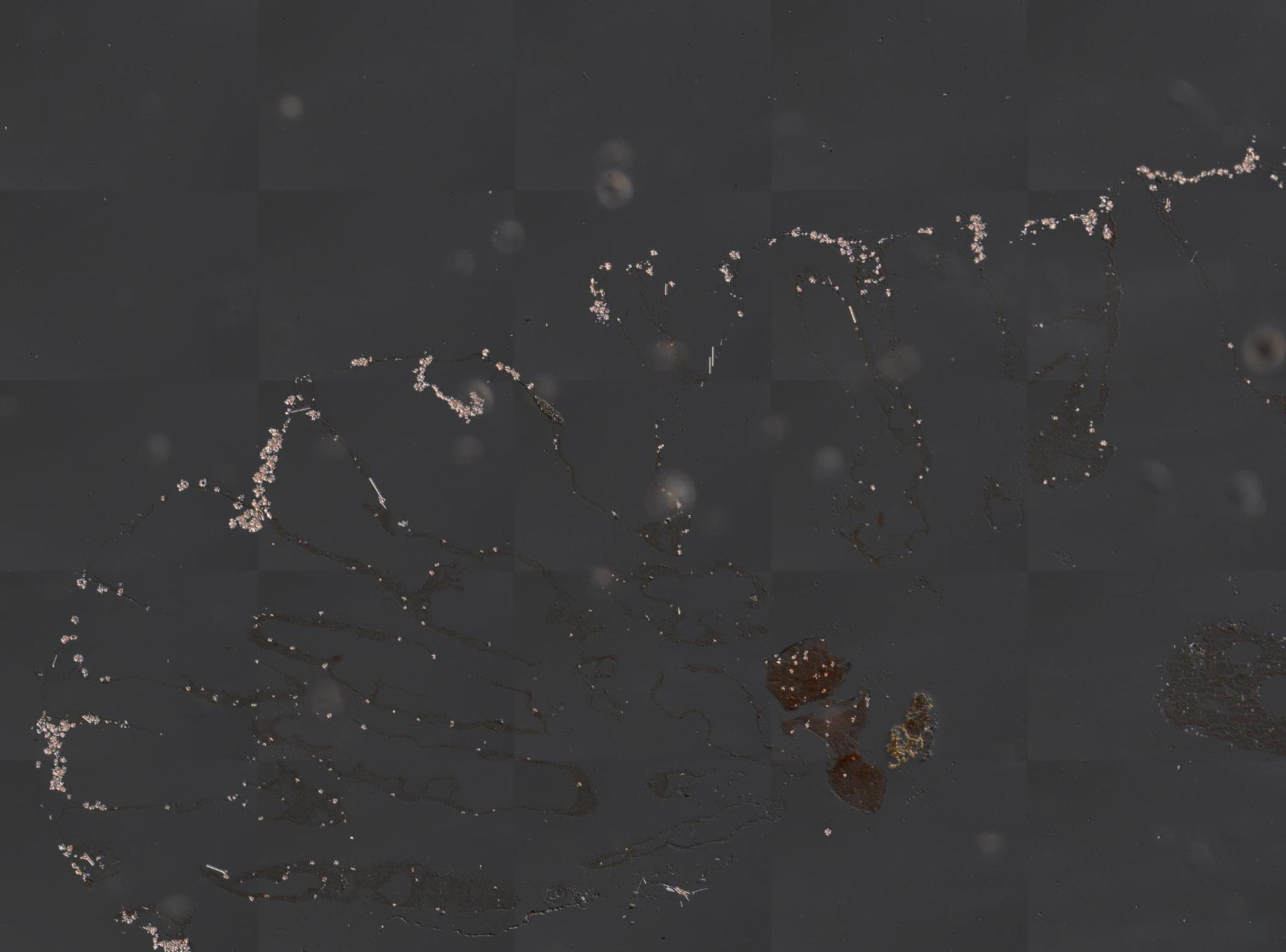
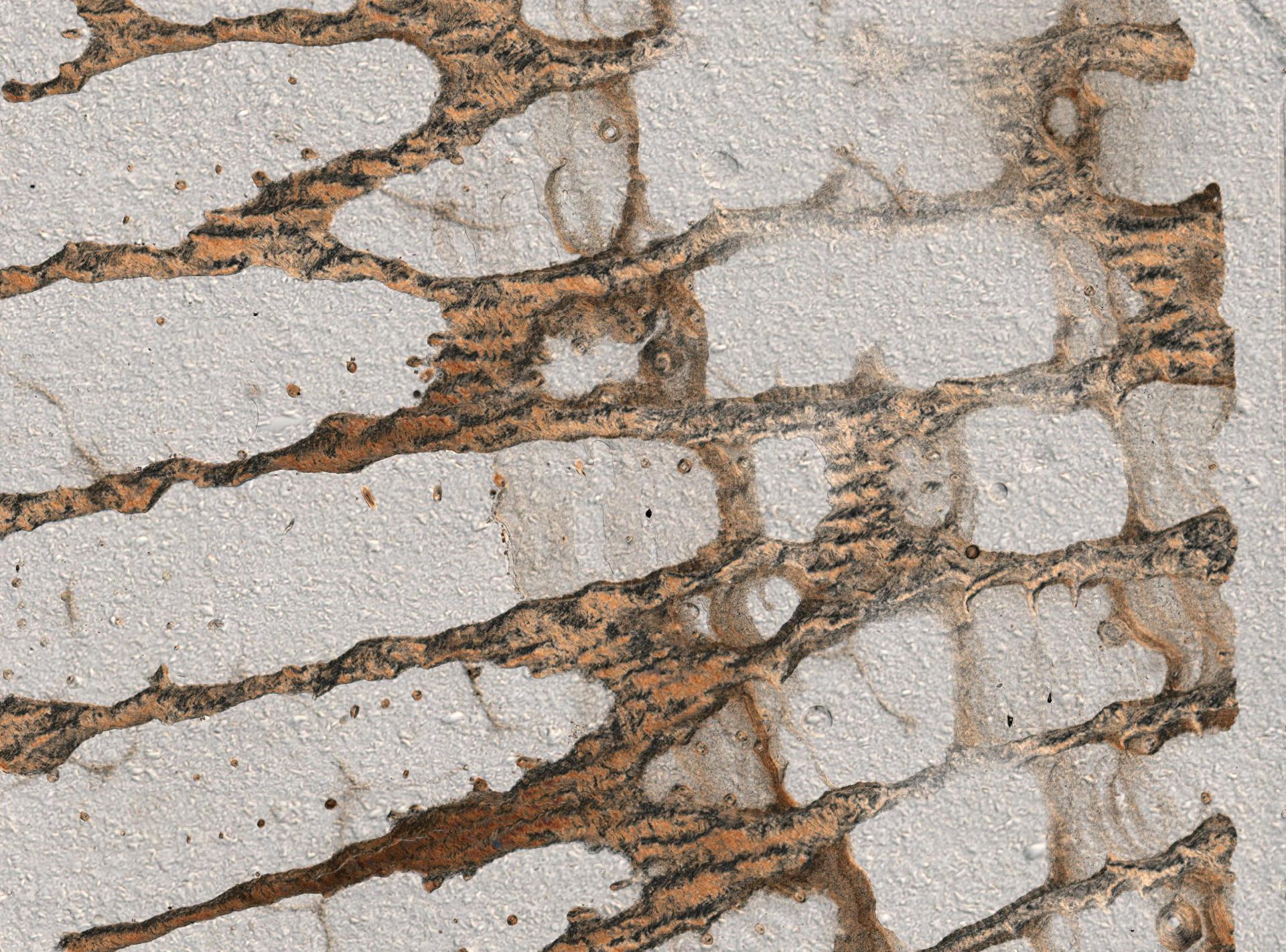
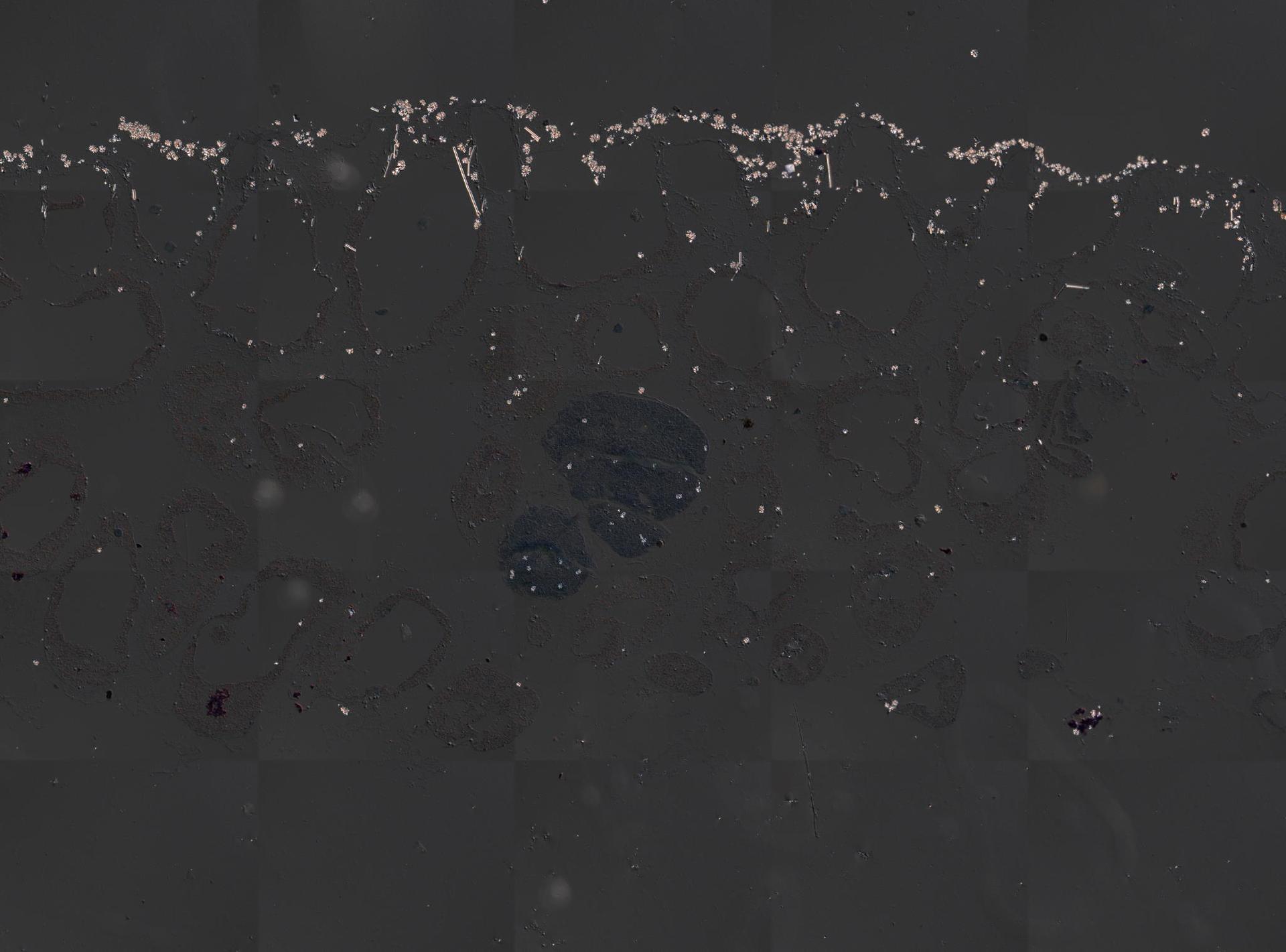
In online museum specimen images mapped to this genus, Acanthochaetetes appears as a preserved, rigid, encrusting to domed form consistent with hypercalcified “chaetetid-type” sponge skeletons used in morphological comparisons (often referred to as having a rigid basal calcareous skeleton architecture).[2]
General Biology and Significance
Members of Acanthochaetetes are among the extant hypercalcified demosponges historically compared with Paleozoic “chaetetid-type” fossils. A recurring theme is that fossil interpretations were long debated because chaetetid-type skeletal material often has few or no spicules, whereas living sponge taxonomy more commonly depends on spicule characters—so gross macromorphology alone can be misleading for resolving relationships.[2]
West (2011) summarizes the broader historical shift in interpretation: the rediscovery/greater acceptance of calcareous-skeleton sponges in reefal environments in the late 1960s–early 1970s helped support the view that hypercalcified “chaetetid-type” skeletons can be sponge-derived, and not necessarily non-sponges.[2]
Taxonomic Placement and Nomenclature
Acanthochaetetes is treated as an accepted genus in occurrence-based taxonomy services and is consistently placed within the family Acanthochaetetidae (order Clionaida, class Demospongiae).[3] Additionally, NCBI records for the genus provide an experimental-organism lineage that includes Acanthochaetetidae within Clionaida.[4]
Gallery
References
- ↑ Dataset view for Animalia / Porifera / Demospongiae / Clionaida / Acanthochaetetidae / Acanthochaetetes constructed from imageomics/TreeOfLife-200M records under this taxonomic path. Hugging Face Datasets. https://huggingface.co/datasets/imageomics/TreeOfLife-200M.
- 1 2 3 Ronald R. West. Treatise Online, no. 20, Part E, Revised, Volume 4, Chapter 2A: Introduction to the fossil hypercalcified chaetetid-type Porifera (Demospongiae).. Treatise Online. 2011. https://doi.org/10.17161/to.v0i0.4137.
- ↑ Acanthochaetetes Fischer, 1970. GBIF. https://www.gbif.org/species/2251954. Accessed 2026-07-09.
- ↑ Acanthochaetetes. NCBI Nucleotide. https://www.ncbi.nlm.nih.gov/nuccore/?term=txid81537[organism:exp]. Accessed 2026-07-10.