Acanthiophilus helianthi
Taxonomy
This page represents the following TreeOfLife-200M taxonomic path.[1]
- Kingdom: Animalia
- Phylum: Arthropoda
- Class: Insecta
- Order: Diptera
- Family: Tephritidae
- Genus: Acanthiophilus
- Species: Acanthiophilus helianthi
Visual Description
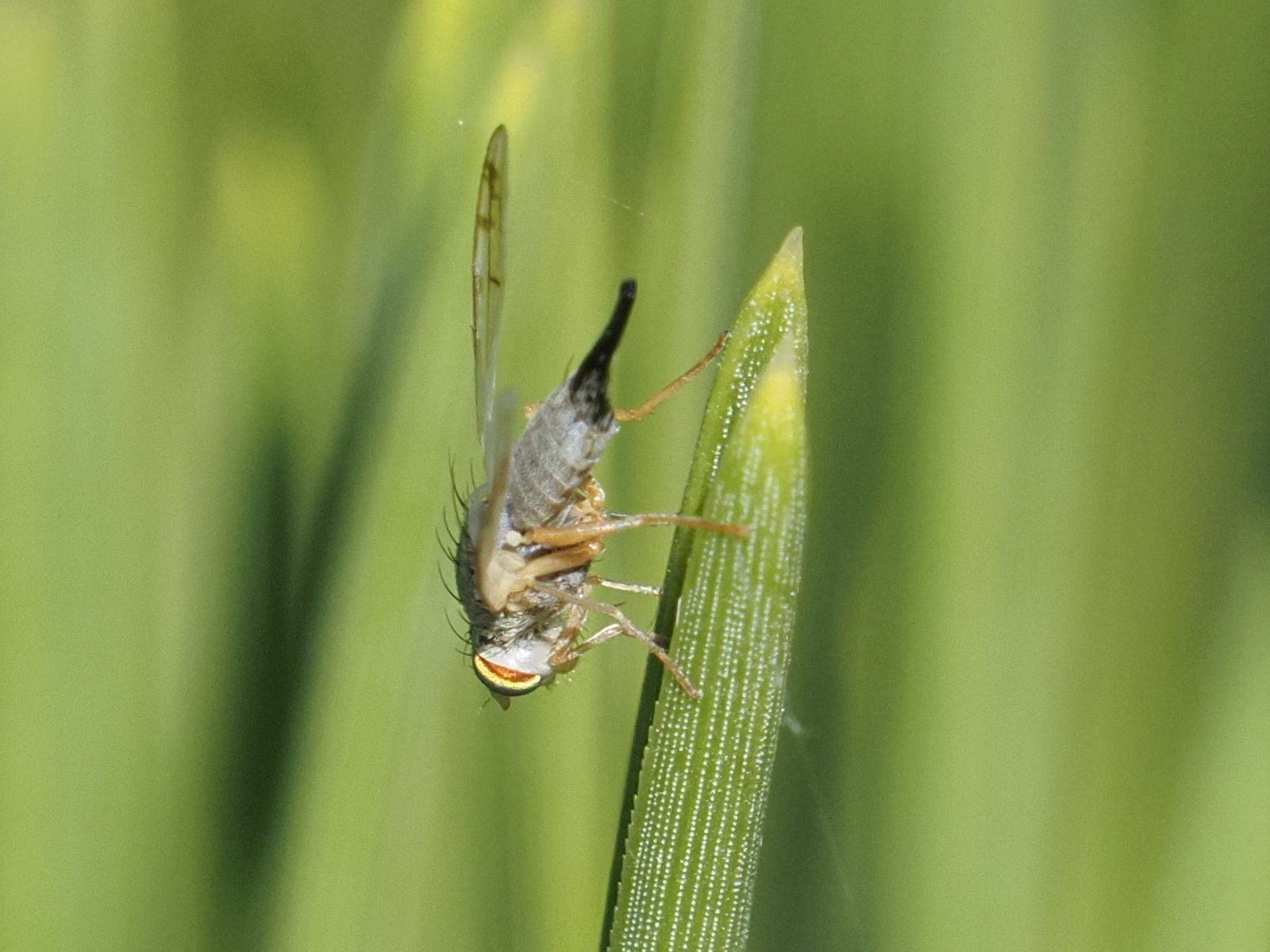
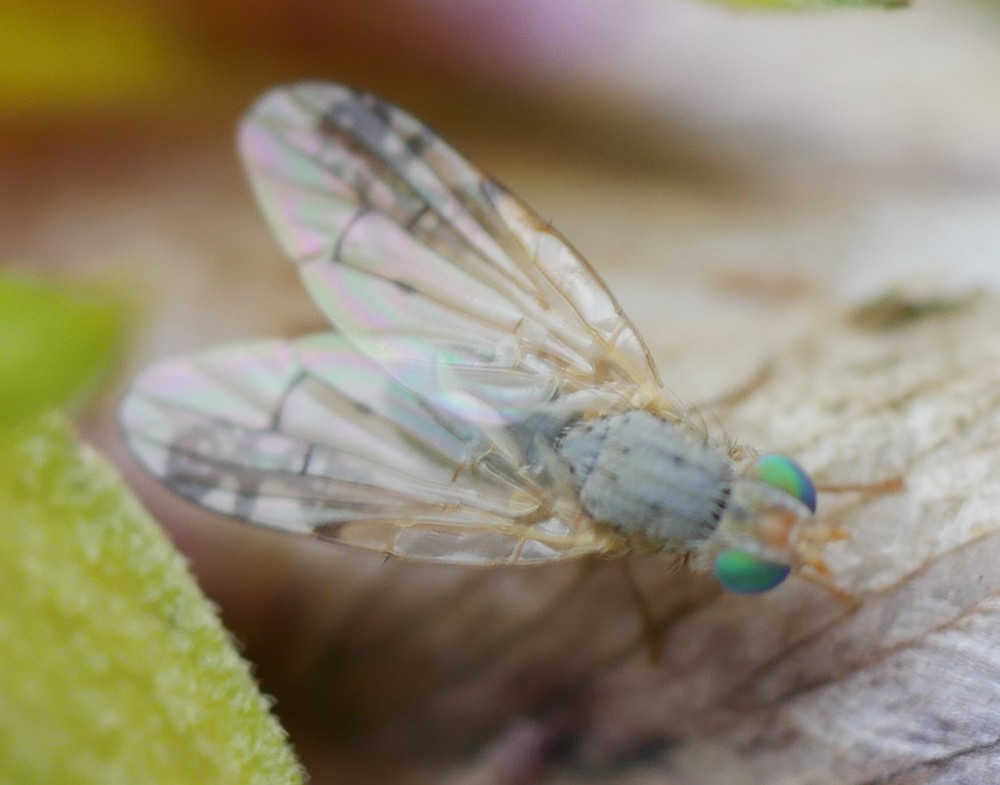
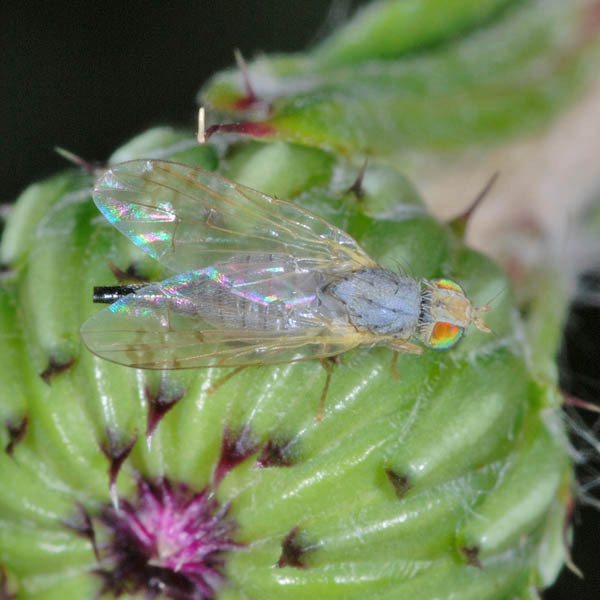
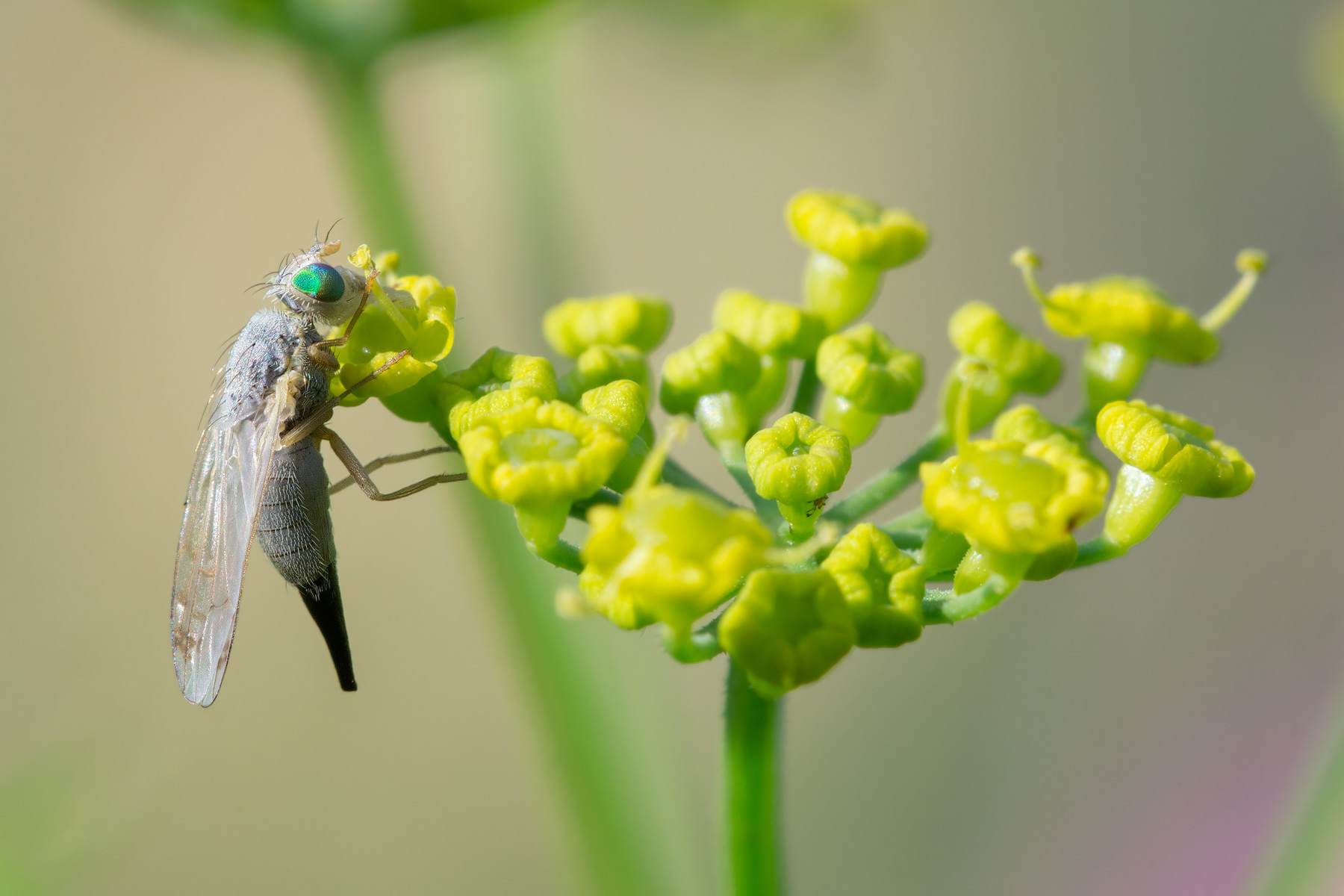
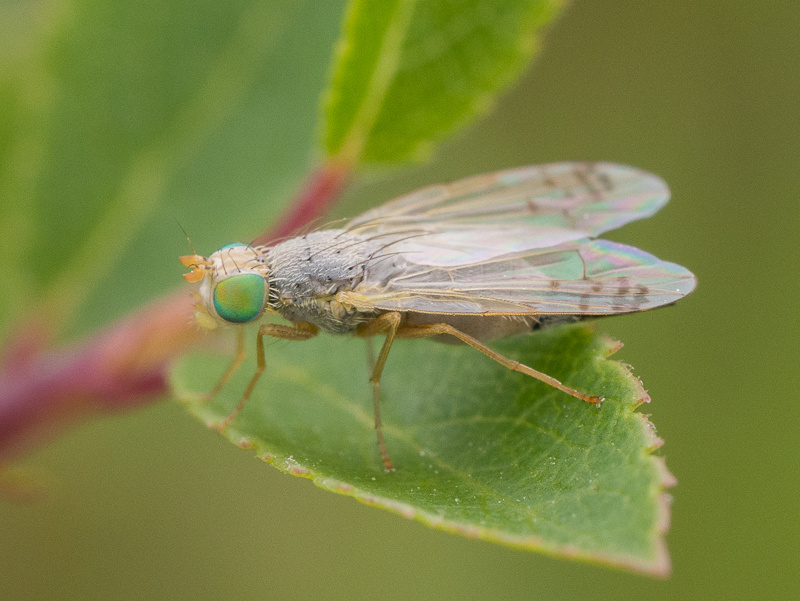
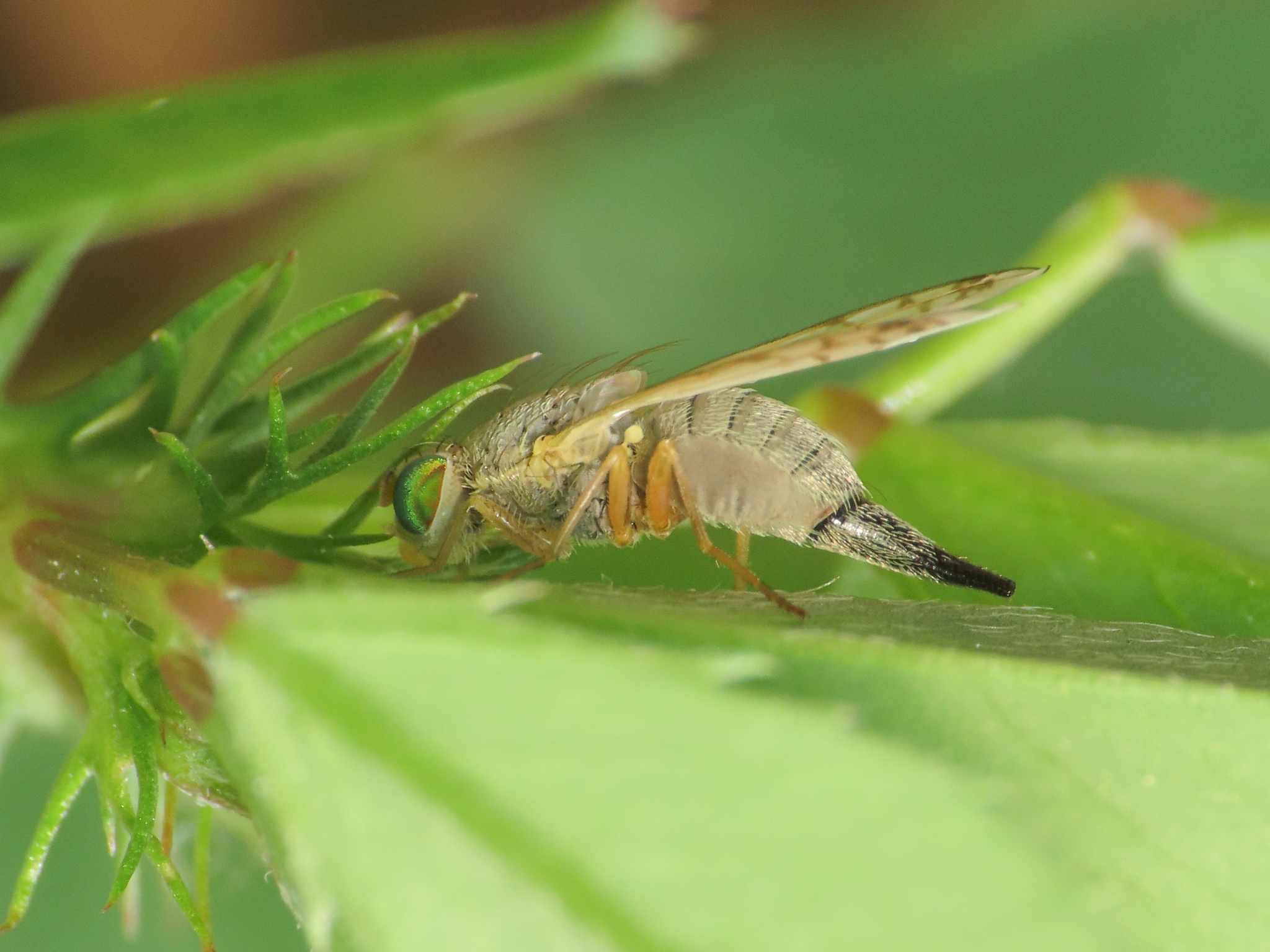
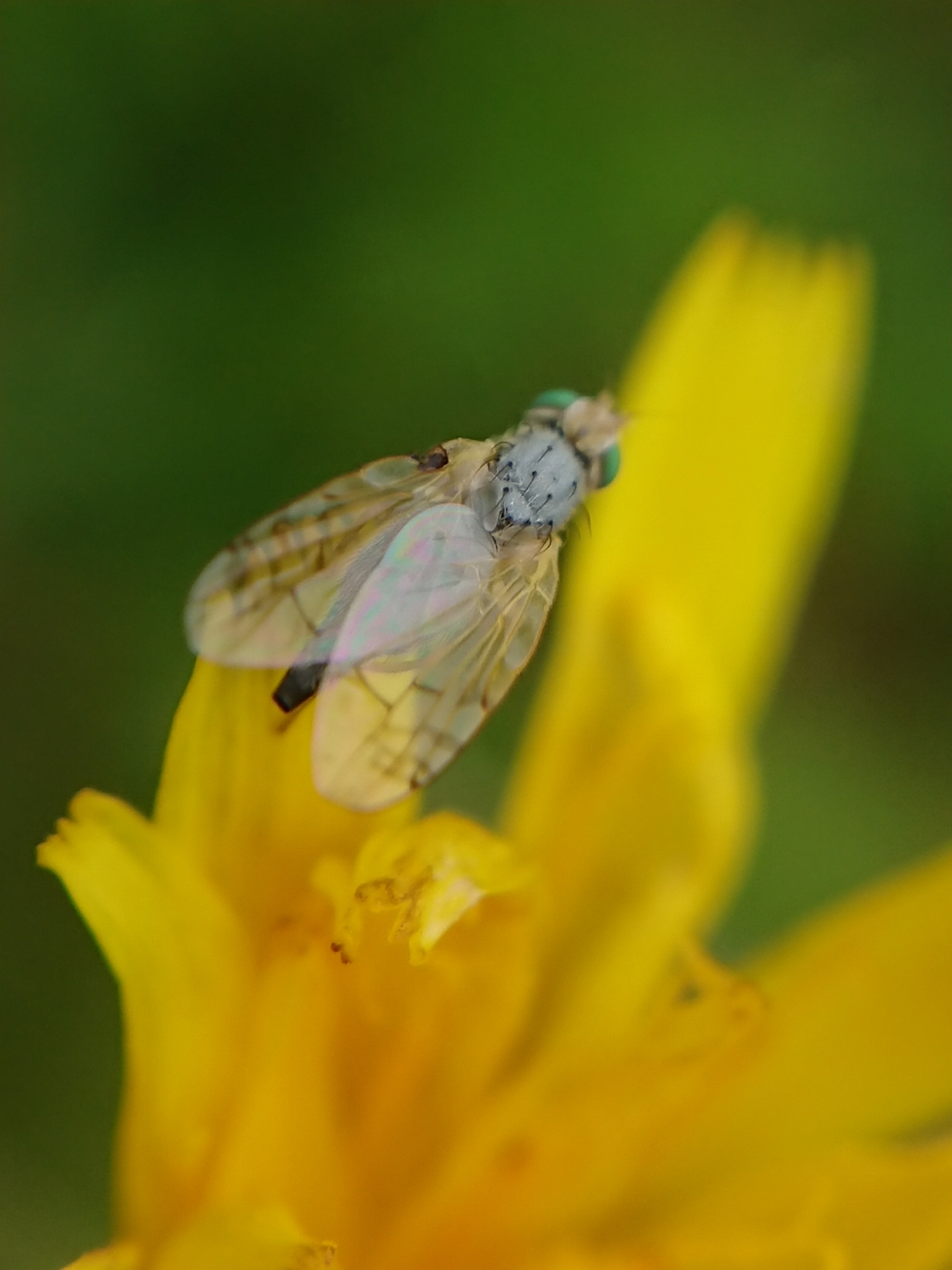
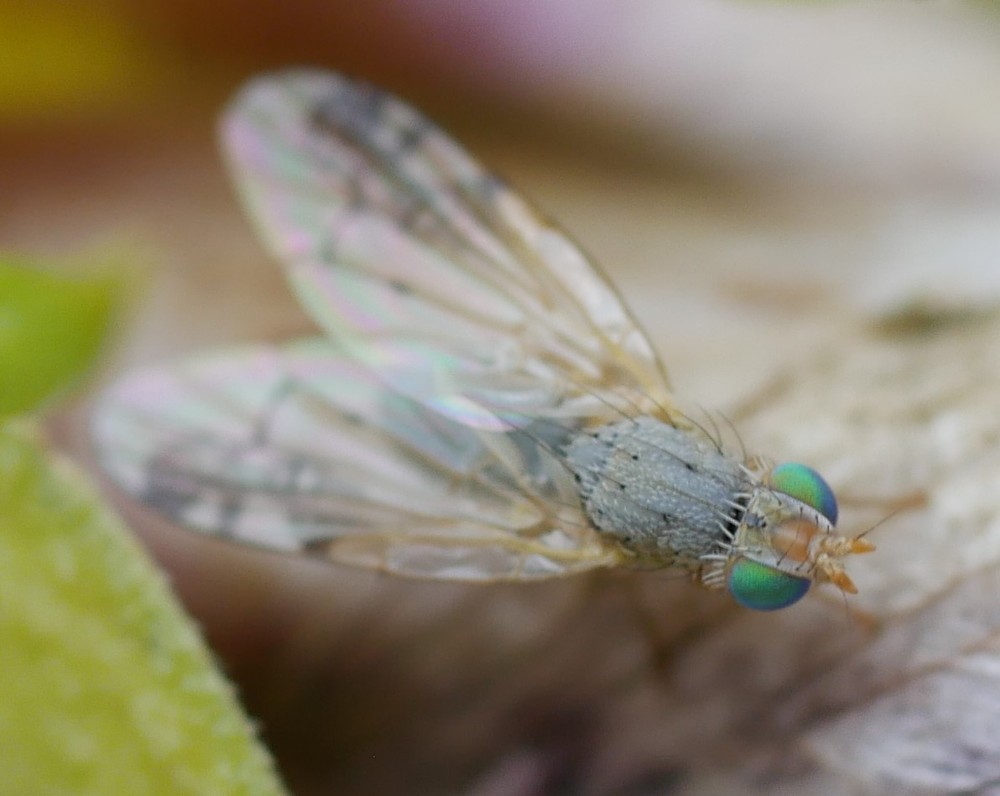
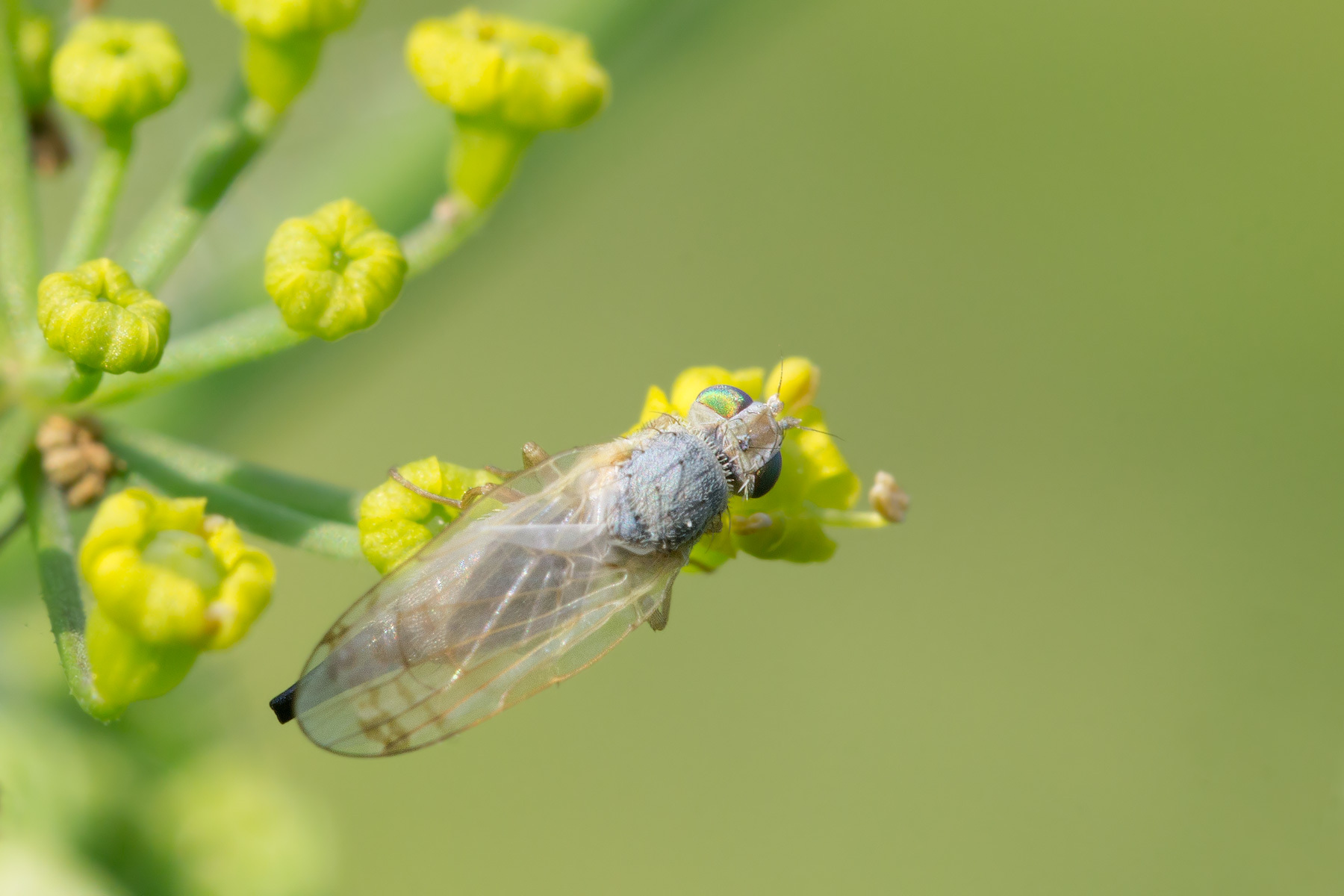
Acanthiophilus helianthi is a small fly characteristic of the family Tephritidae. Observations from the TreeOfLife-200M dataset show that the wings are patterned with a distinct, complex network of dark, reticulated markings against a lighter, often yellowish or hyaline background.[1] The body is typically covered in fine, short setae, and the thorax and abdomen often exhibit a brownish or yellowish coloration, which helps the insect blend into its host plant environment.[1]
Ecology and Economic Importance
Acanthiophilus helianthi, commonly known as the Safflower capsule fly, is a significant pest of safflower (Carthamus tinctorius). It is distributed across various regions, including Iran, Ethiopia, India, Pakistan, Turkey, Hungary, Iraq, Italy, and Egypt.[2]
The species completes three generations annually. Larval development occurs in three instars over approximately 3–4 weeks under spring conditions. Larval feeding behavior varies by generation: first-generation larvae feed on the inner side of plant bracts and buds, while subsequent generations attack the flower ovaries, consuming their contents and preventing proper seed development. This damage can result in shriveled seeds and may facilitate the growth of sooty mold fungi such as Botrytis cinerea.[2]
Natural Enemies
In Kohgiluyeh province, Iran, ten species of hymenopterous parasitoids have been identified attacking the pupae of A. helianthi. These include Antistrophoplex conthurnatus (Torymidae), Microdontomerus annulatus (Torymidae), Bracon hebetor (Braconidae), Bracon luteator (Braconidae), Isocolus tinctorius (Cynipidae), Pronotalia carlinarum (Eulophidae), Eurytoma acroptilae (Eurytomidae), Ormyrus orientalis (Ormyridae), Colotrechnus viridis (Pteromalidae), and Pteromalus sp. (Pteromalidae). Antistrophoplex conthurnatus is the most prevalent, accounting for approximately 38% of total pupal parasitism. The mean total parasitism rate in the studied regions is approximately 44%.[2]
Gallery
References
- 1 2 3 Dataset view for Animalia / Arthropoda / Insecta / Diptera / Tephritidae / Acanthiophilus / helianthi constructed from imageomics/TreeOfLife-200M records under this taxonomic path. Hugging Face Datasets. https://huggingface.co/datasets/imageomics/TreeOfLife-200M.
- 1 2 3 K. Saeidi; Shahram Mirfakhraie; Fariba Mehrkhou. Hymenopterous parasitoids attacking Acanthiophilus helianthi Rossi (Diptera: Tephritidae) pupae in Kohgiluyeh Safflower farms of Iran. Journal of Entomological and Acarological Research. 2016. https://doi.org/10.4081/jear.2016.5085.