Acanthiophilus
Taxonomy
This page represents the following TreeOfLife-200M taxonomic path.[1]
- Kingdom: Animalia
- Phylum: Arthropoda
- Class: Insecta
- Order: Diptera
- Family: Tephritidae
- Genus: Acanthiophilus
Visual Description
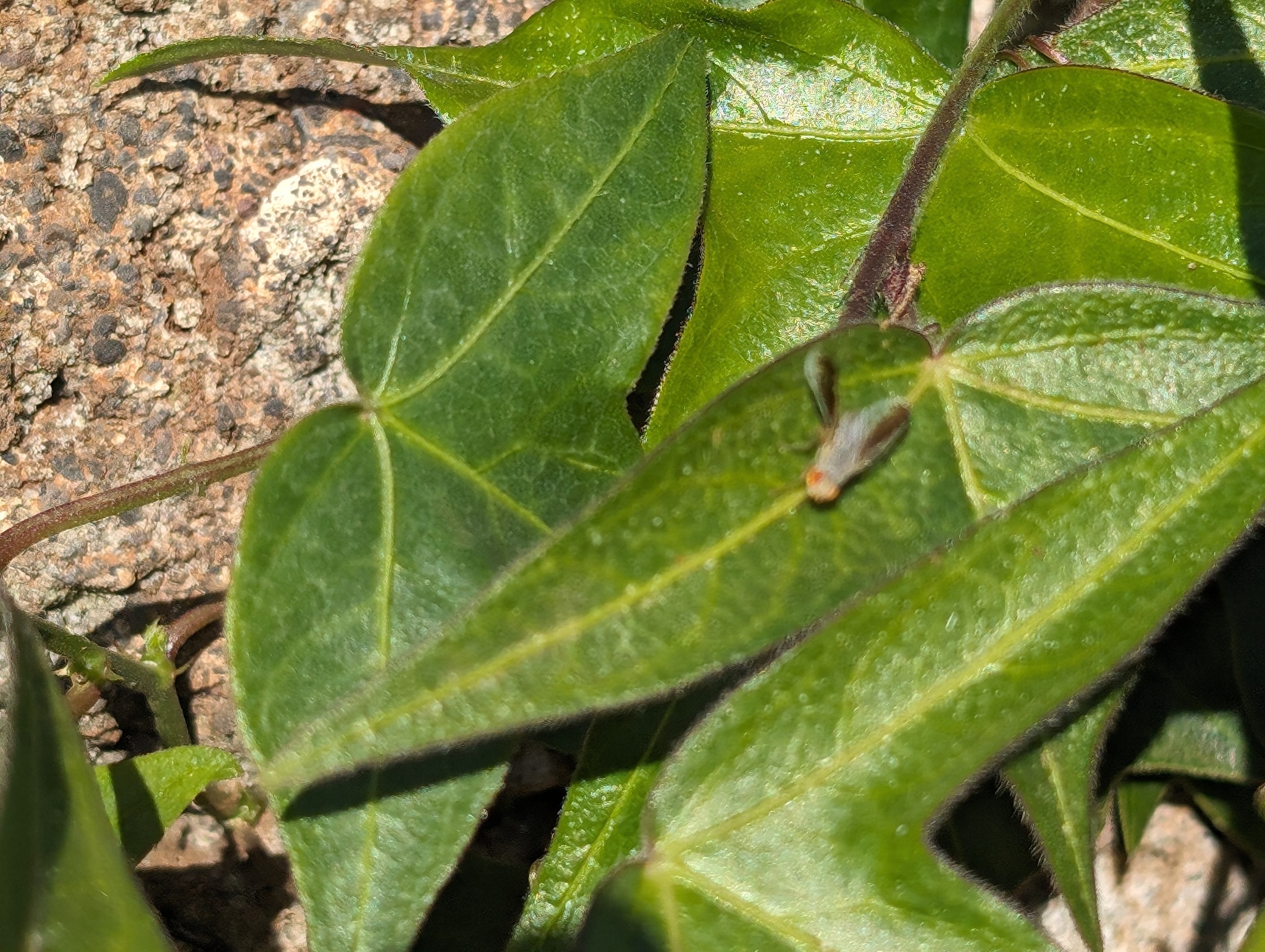
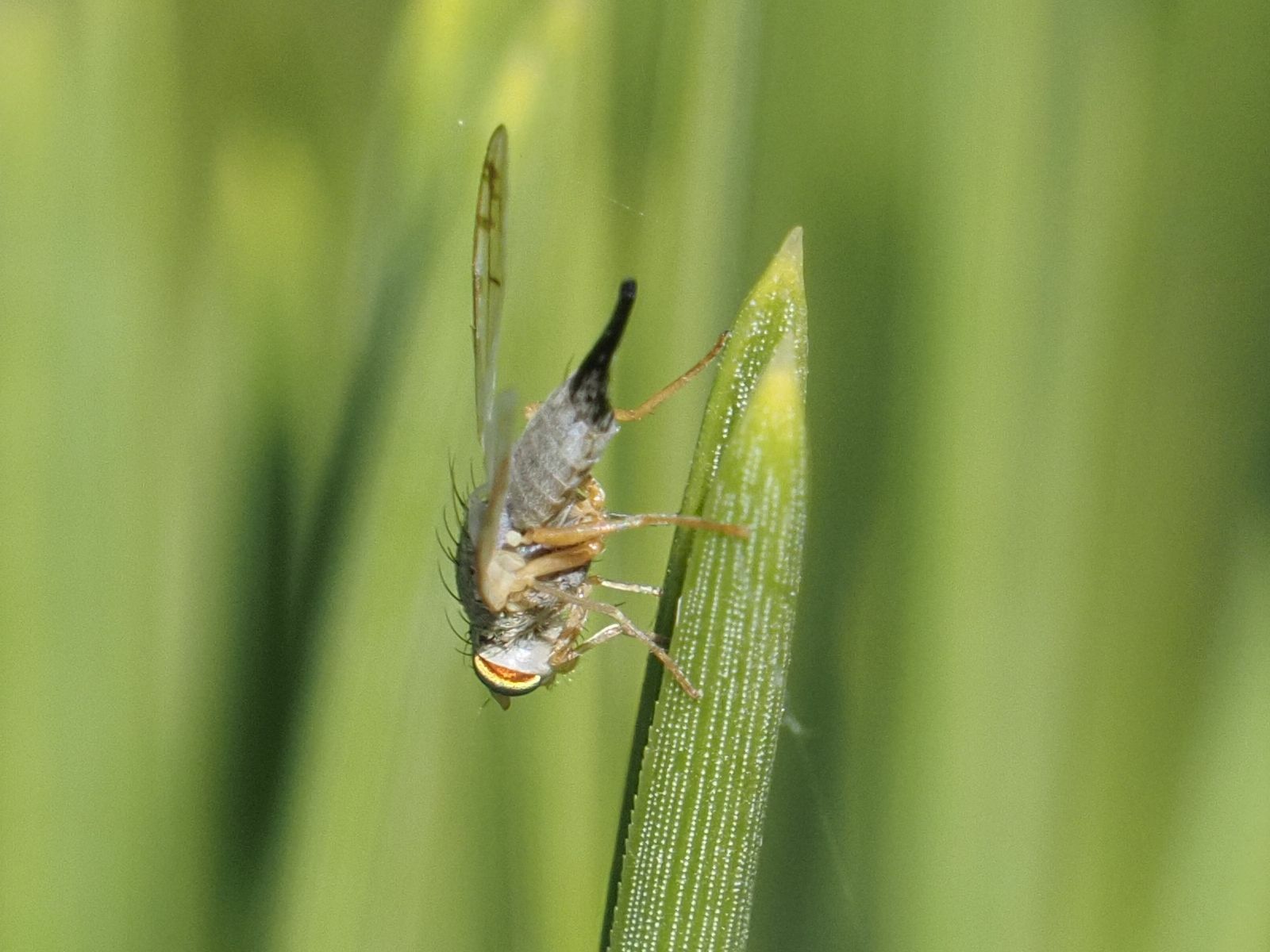
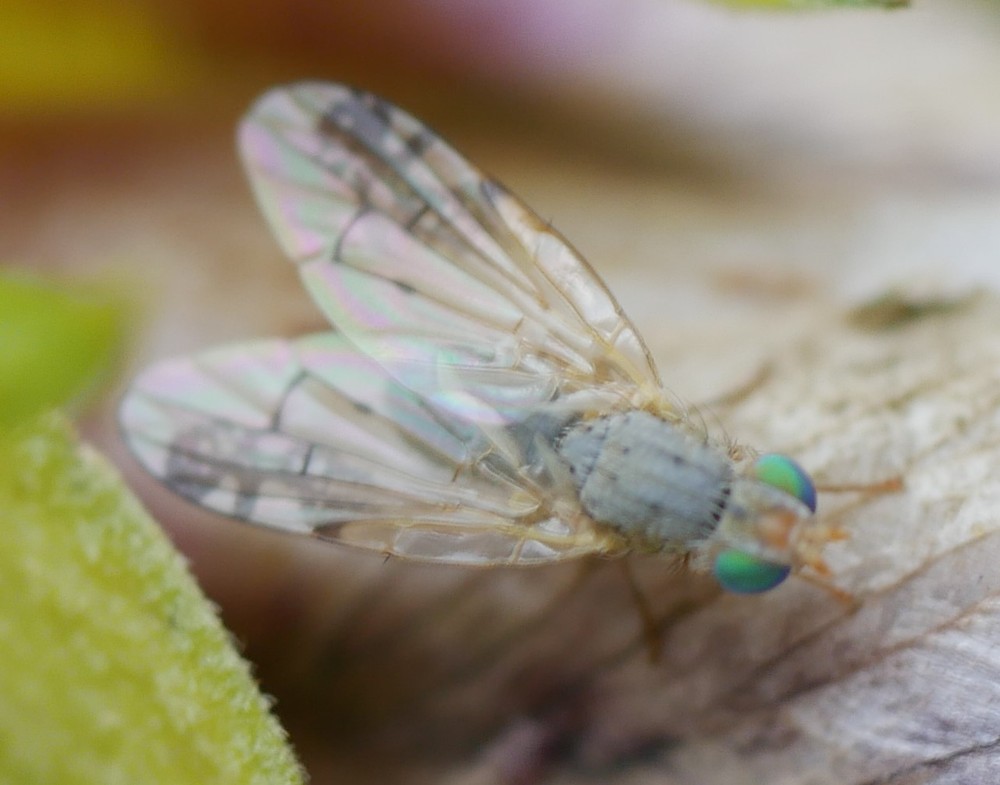
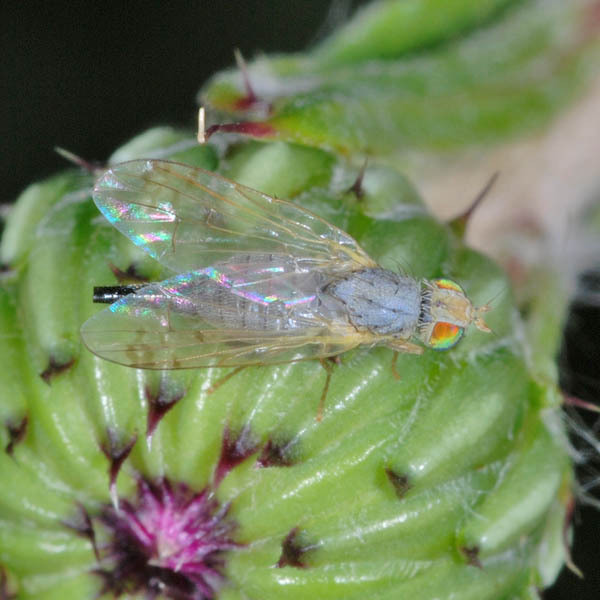
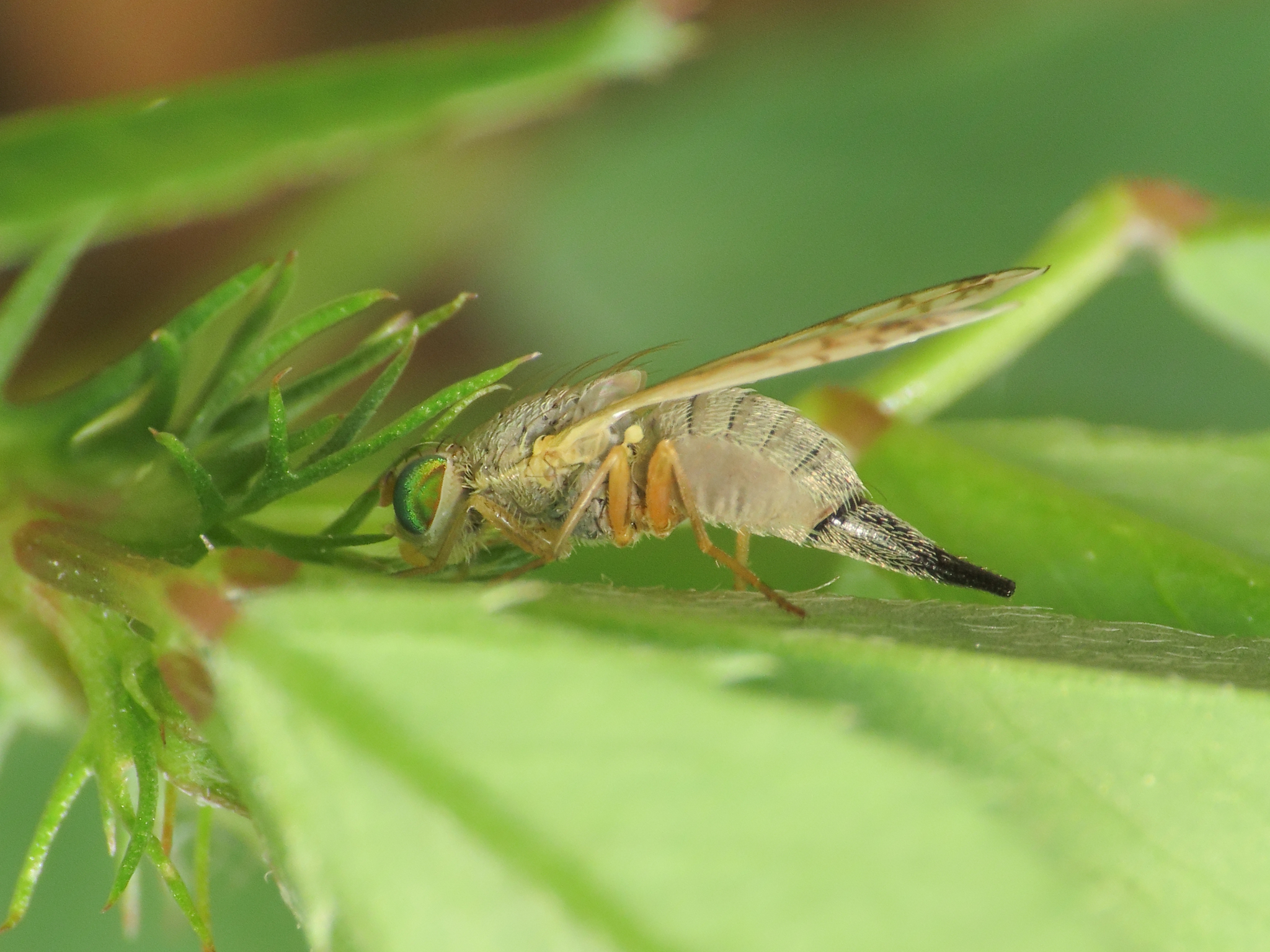
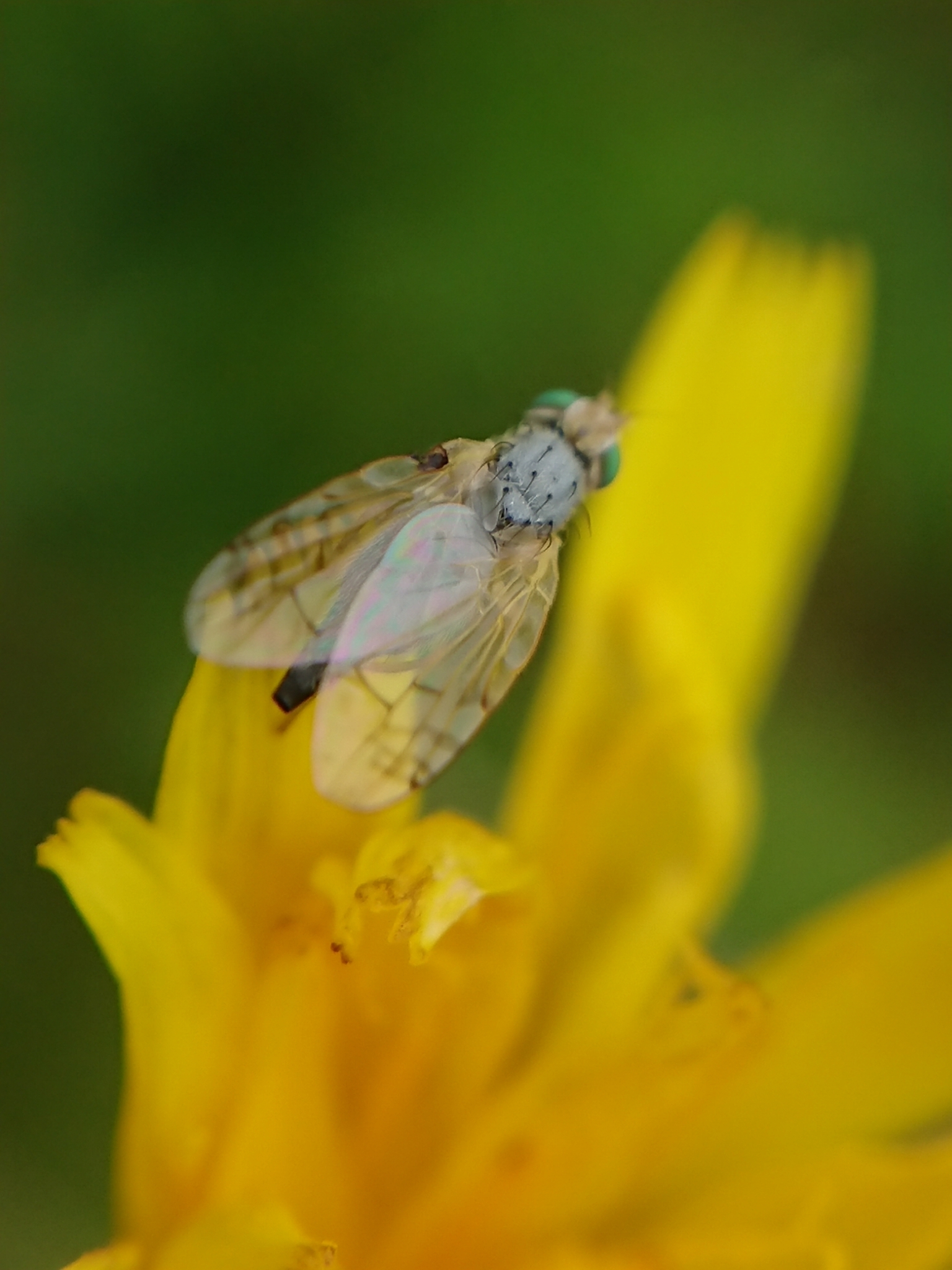
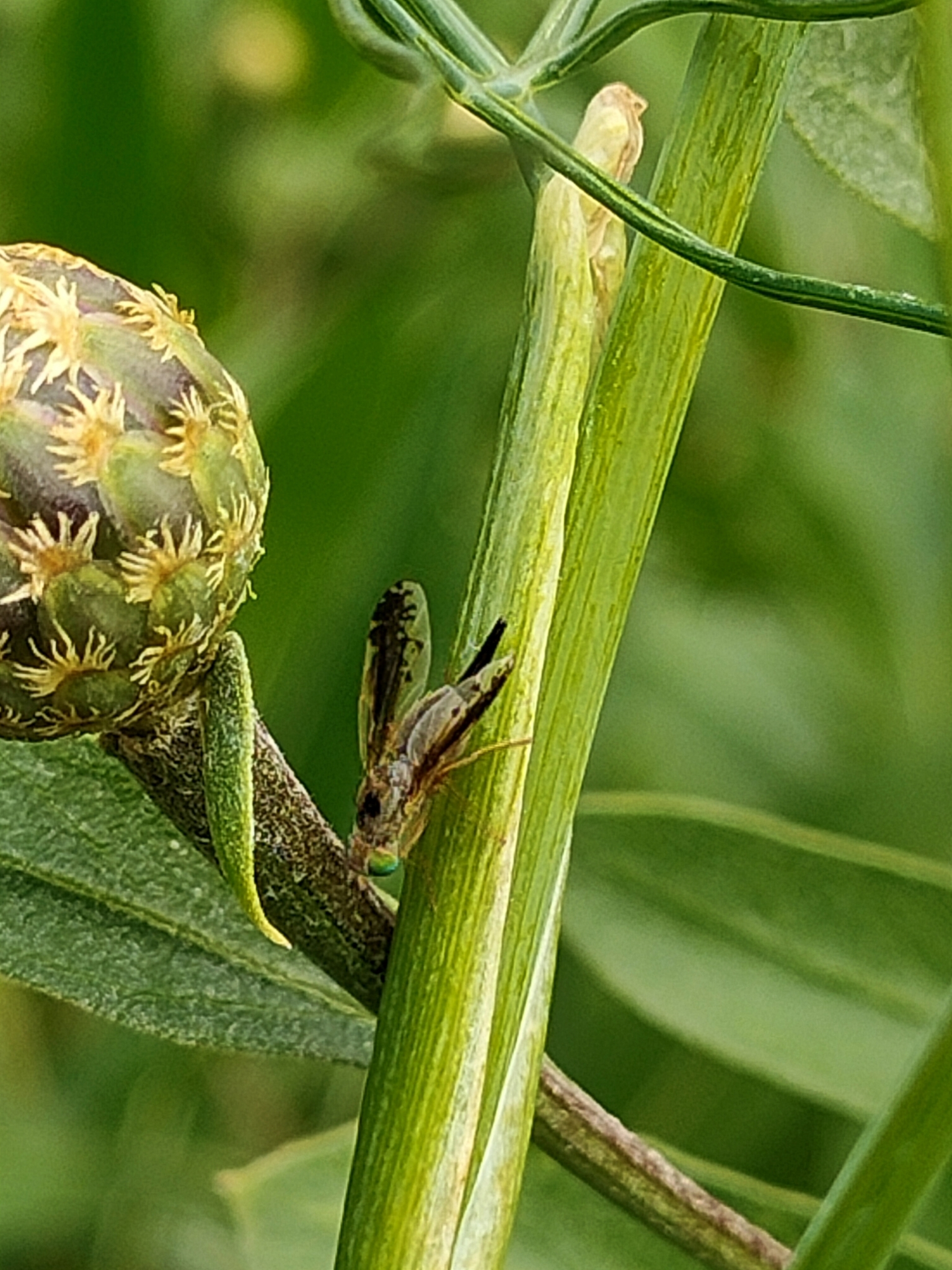
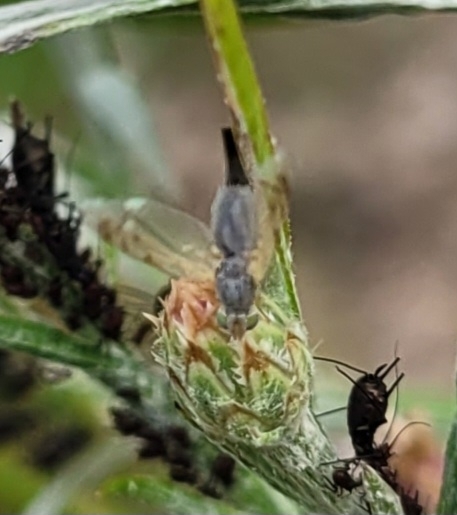
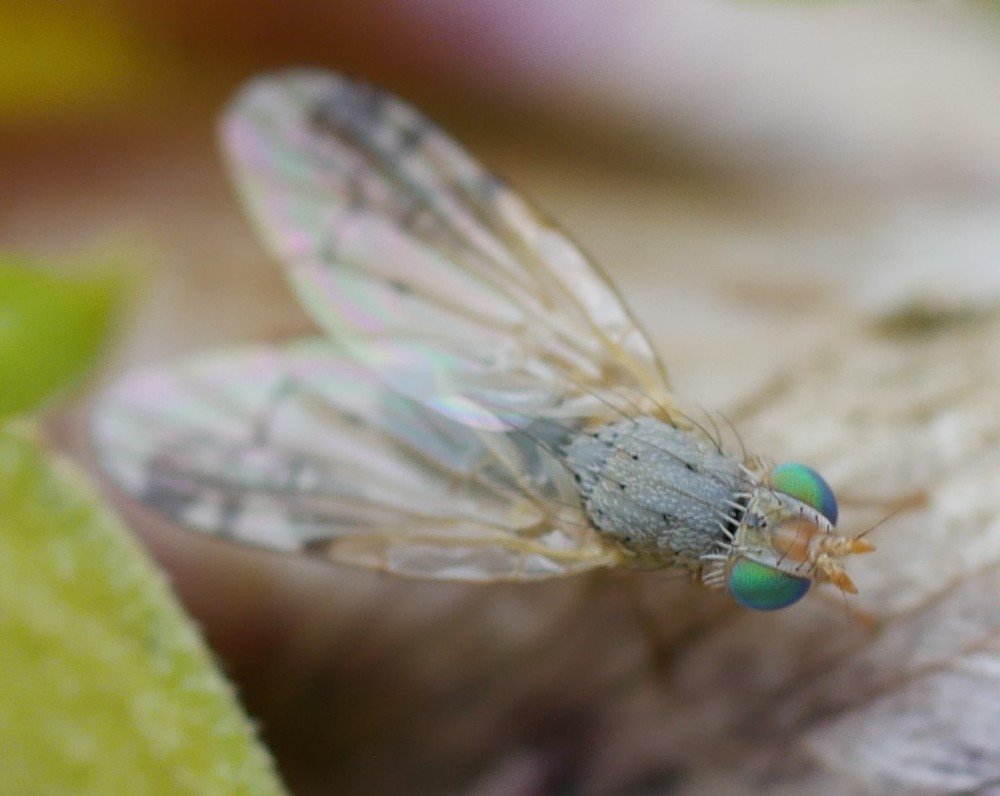
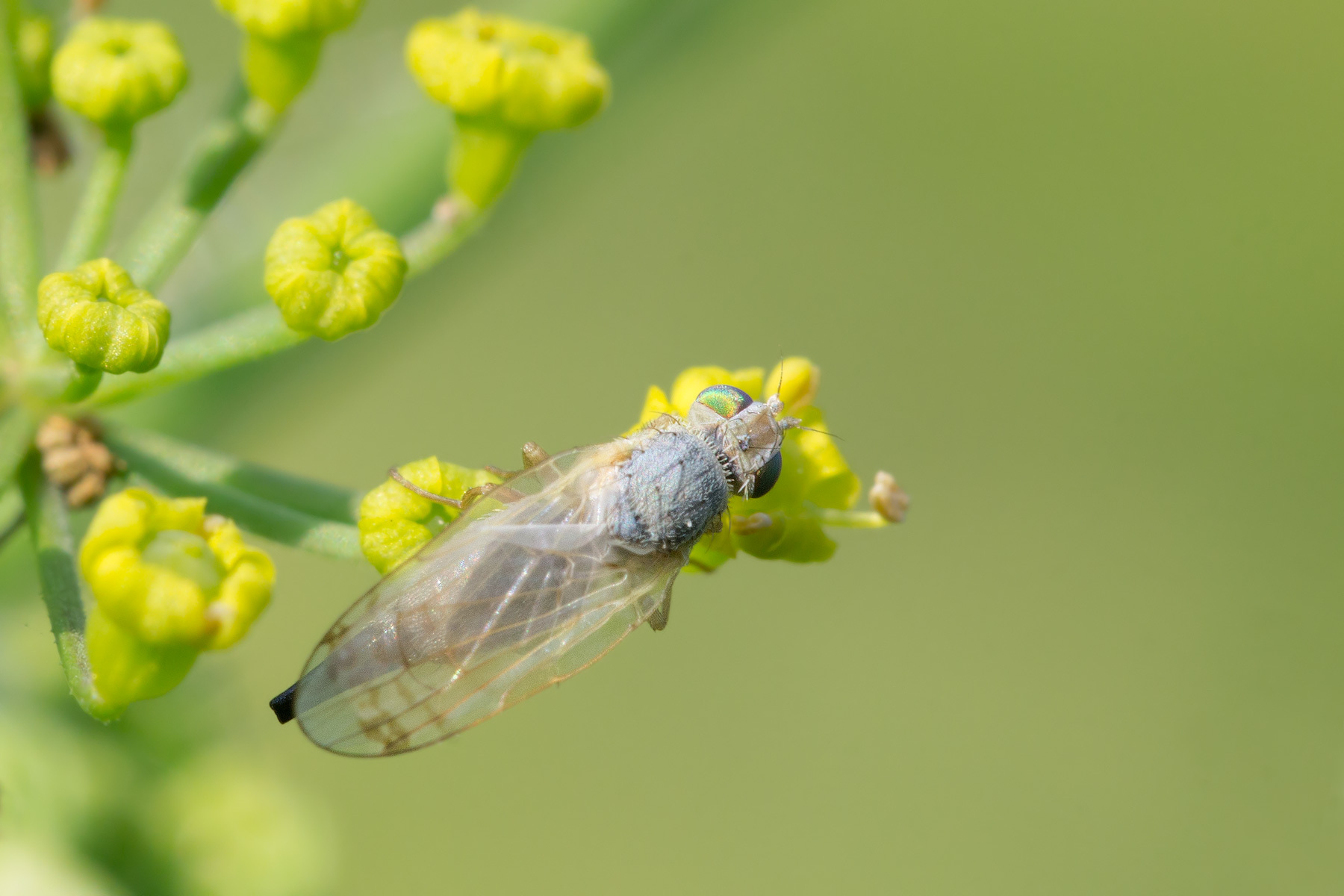
Acanthiophilus species, such as Acanthiophilus helianthi, are characterized by their distinct appearance as tephritid fruit flies. Observations from the TreeOfLife-200M dataset reveal that these flies typically possess patterned wings, a common trait among many members of the family Tephritidae.[1] The body structure is typical of dipterans, with a compact thorax and abdomen.
Ecology and Biology
Acanthiophilus helianthi (Rossi), commonly known as the Safflower capsule fly, is a notable pest of the safflower plant (Carthamus tinctorius L.). It causes direct damage to seeds within the flower heads and can indirectly promote the growth of sooty mold fungi, such as Botrytis cinerea.[2]
The life cycle of A. helianthi involves three larval instars, with development from egg to pupation taking approximately 3–4 weeks under spring conditions. The species typically completes three generations annually. Larvae of the first generation feed on the inner surfaces of plant bracts and buds, while subsequent generations attack the flower ovaries, which deprives the developing embryos of essential nutrients.[2]
A study in Iran identified ten species of hymenopterous pupal parasitoids associated with A. helianthi, including species from the families Braconidae, Cynipidae, Eulophidae, Eurytomidae, Ormyridae, Pteromalidae, and Torymidae. Antistrophoplex conthurnatus was found to be the most prevalent parasitoid.[2]
Gallery
References
- 1 2 Dataset view for Animalia / Arthropoda / Insecta / Diptera / Tephritidae / Acanthiophilus constructed from imageomics/TreeOfLife-200M records under this taxonomic path. Hugging Face Datasets. https://huggingface.co/datasets/imageomics/TreeOfLife-200M.
- 1 2 3 K. Saeidi; Shahram Mirfakhraie; Fariba Mehrkhou. Hymenopterous parasitoids attacking Acanthiophilus helianthi Rossi (Diptera: Tephritidae) pupae in Kohgiluyeh Safflower farms of Iran. Journal of Entomological and Acarological Research. 2016. https://doi.org/10.4081/jear.2016.5085.