Acanthella acuta
Taxonomy
This page represents the following TreeOfLife-200M taxonomic path.[1]
- Kingdom: Animalia
- Phylum: Porifera
- Class: Demospongiae
- Order: Bubarida
- Family: Dictyonellidae
- Genus: Acanthella
- Species: Acanthella acuta
Visual Description
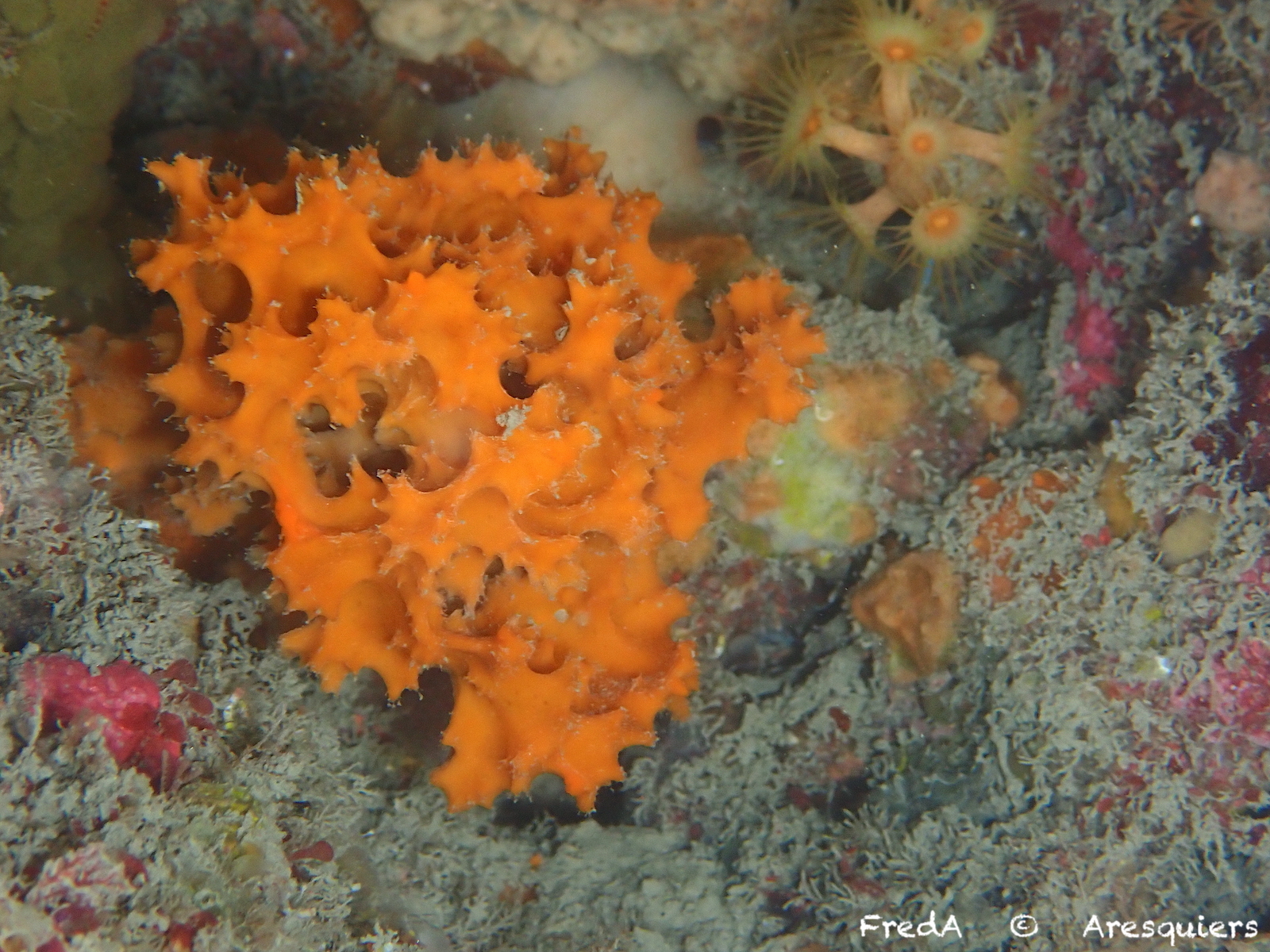
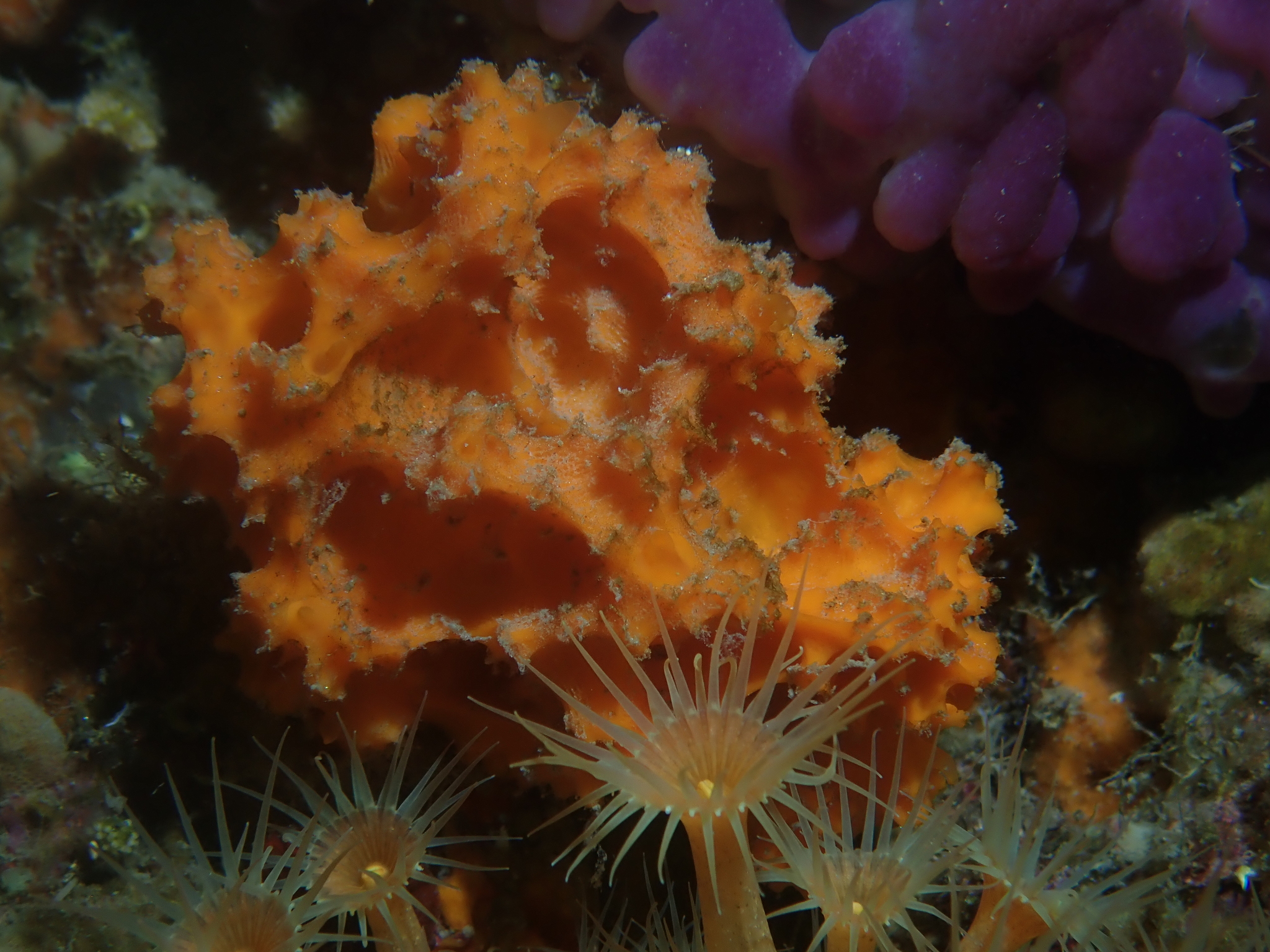
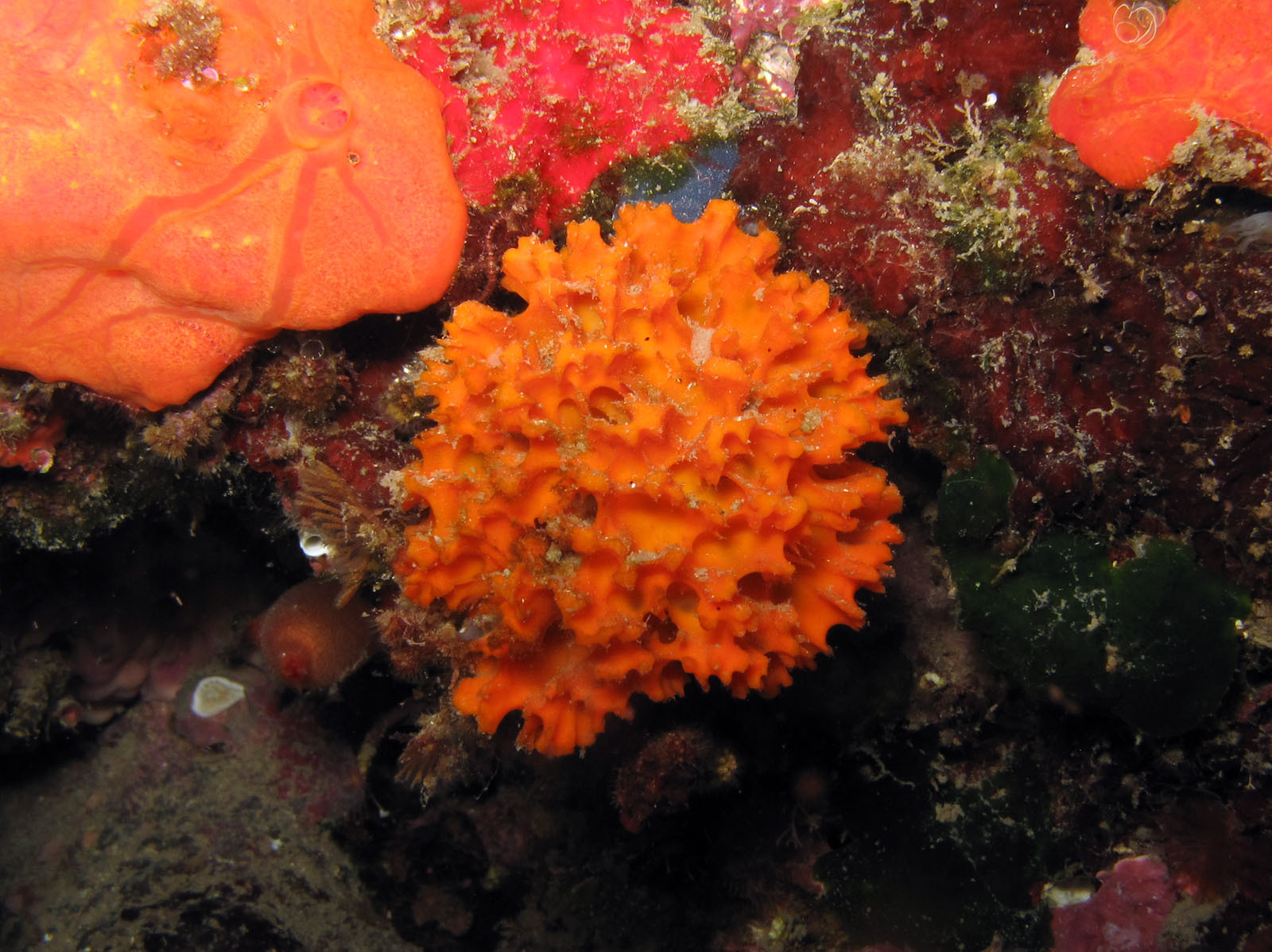
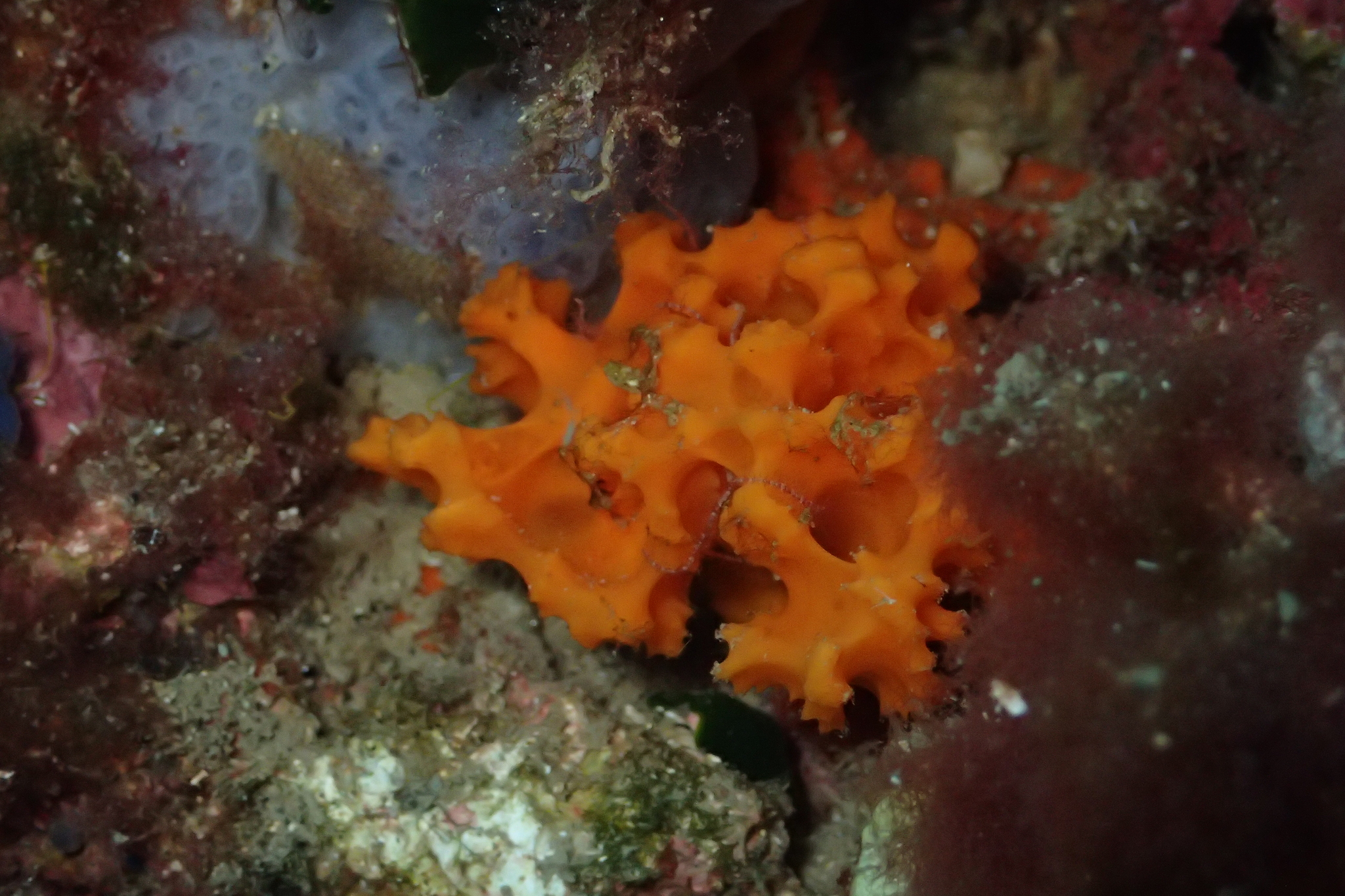
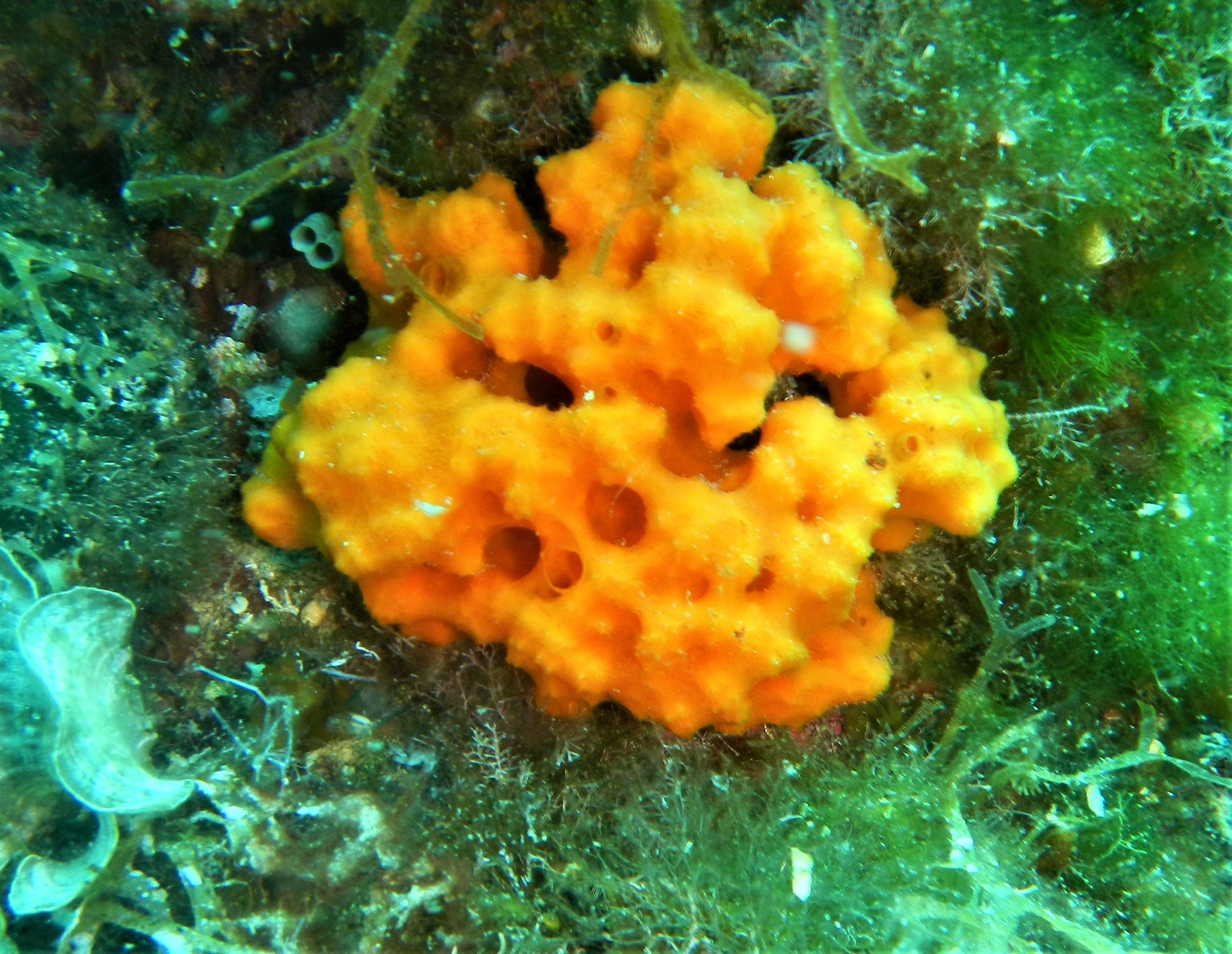
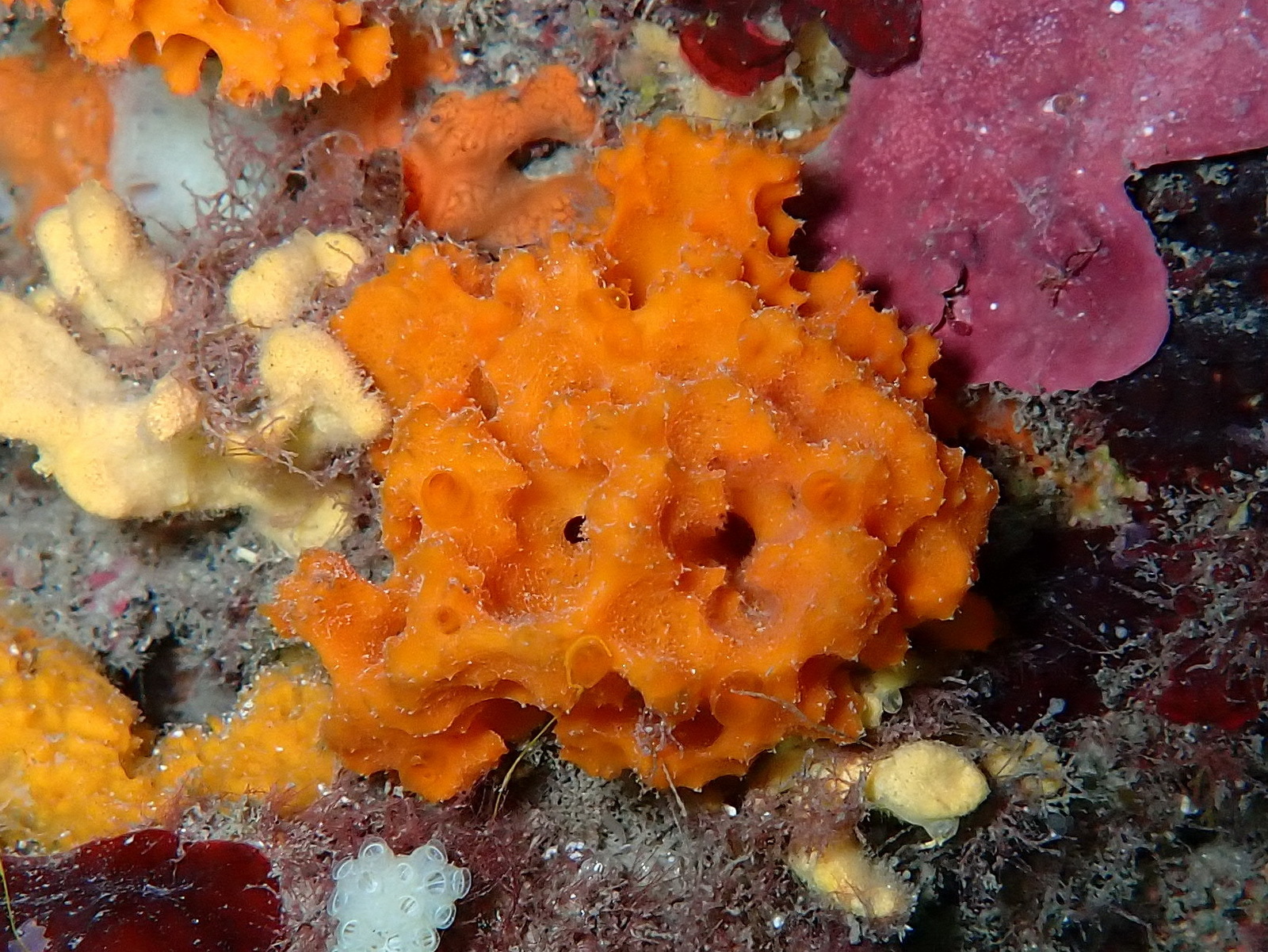
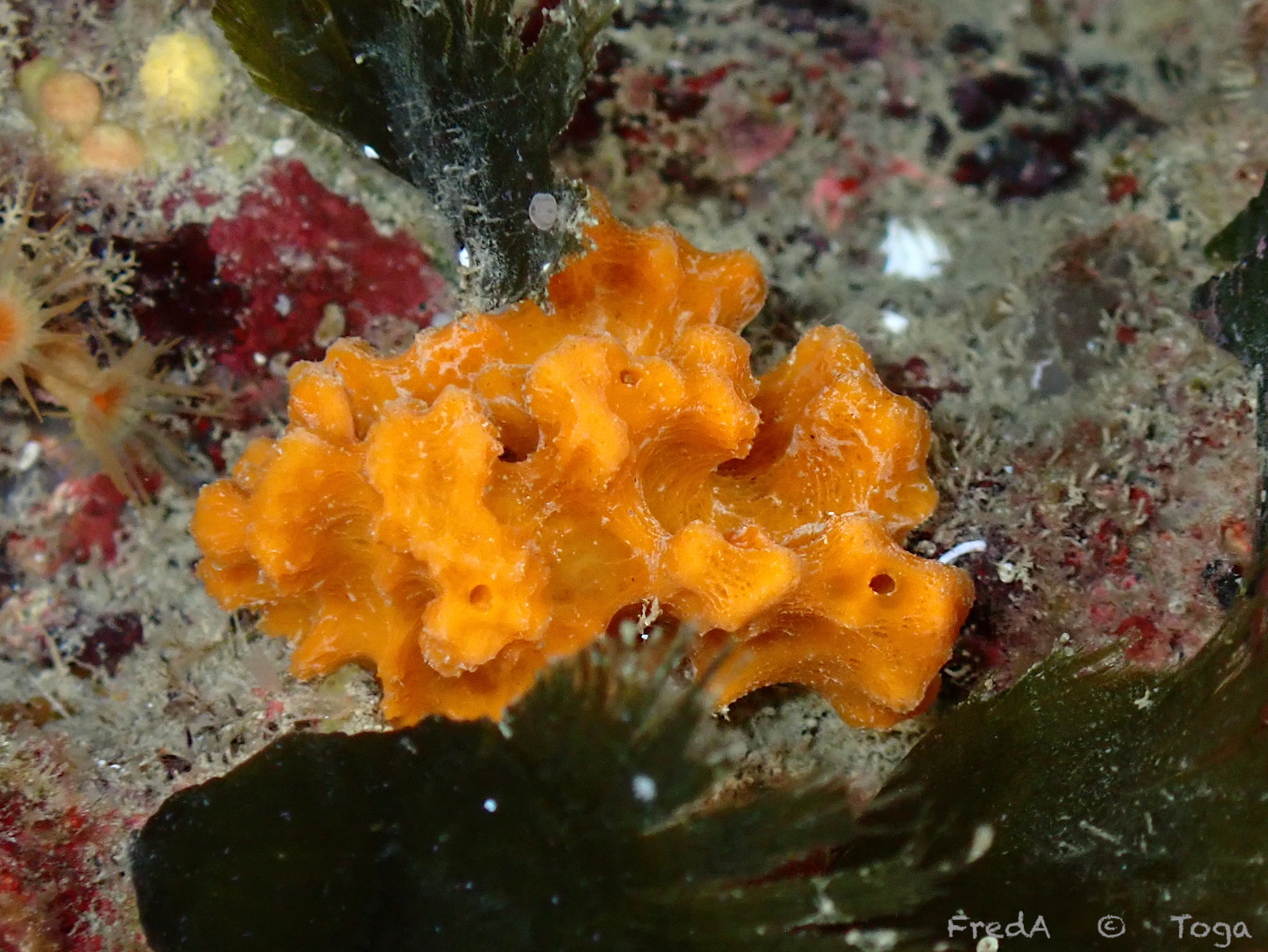
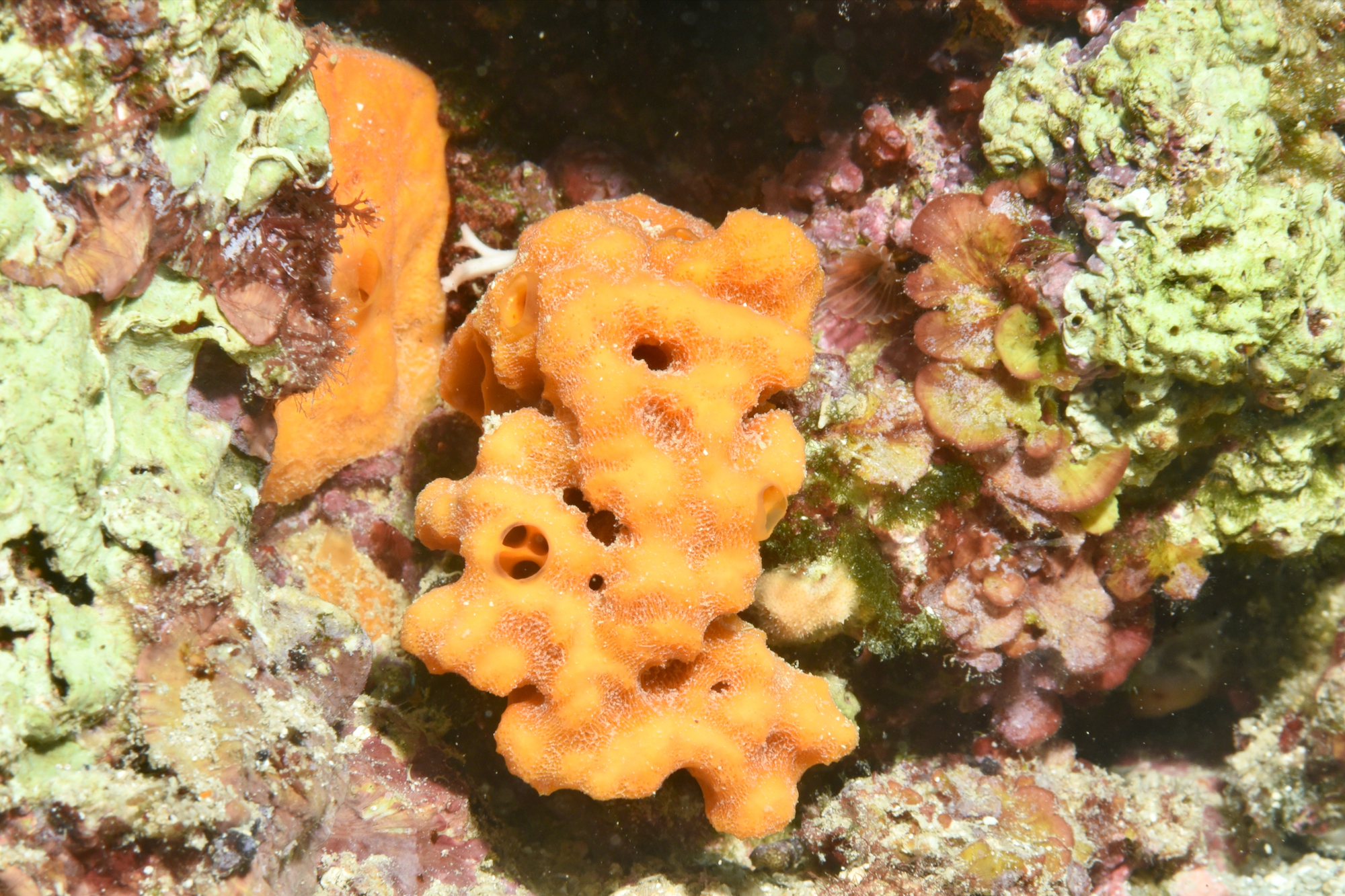
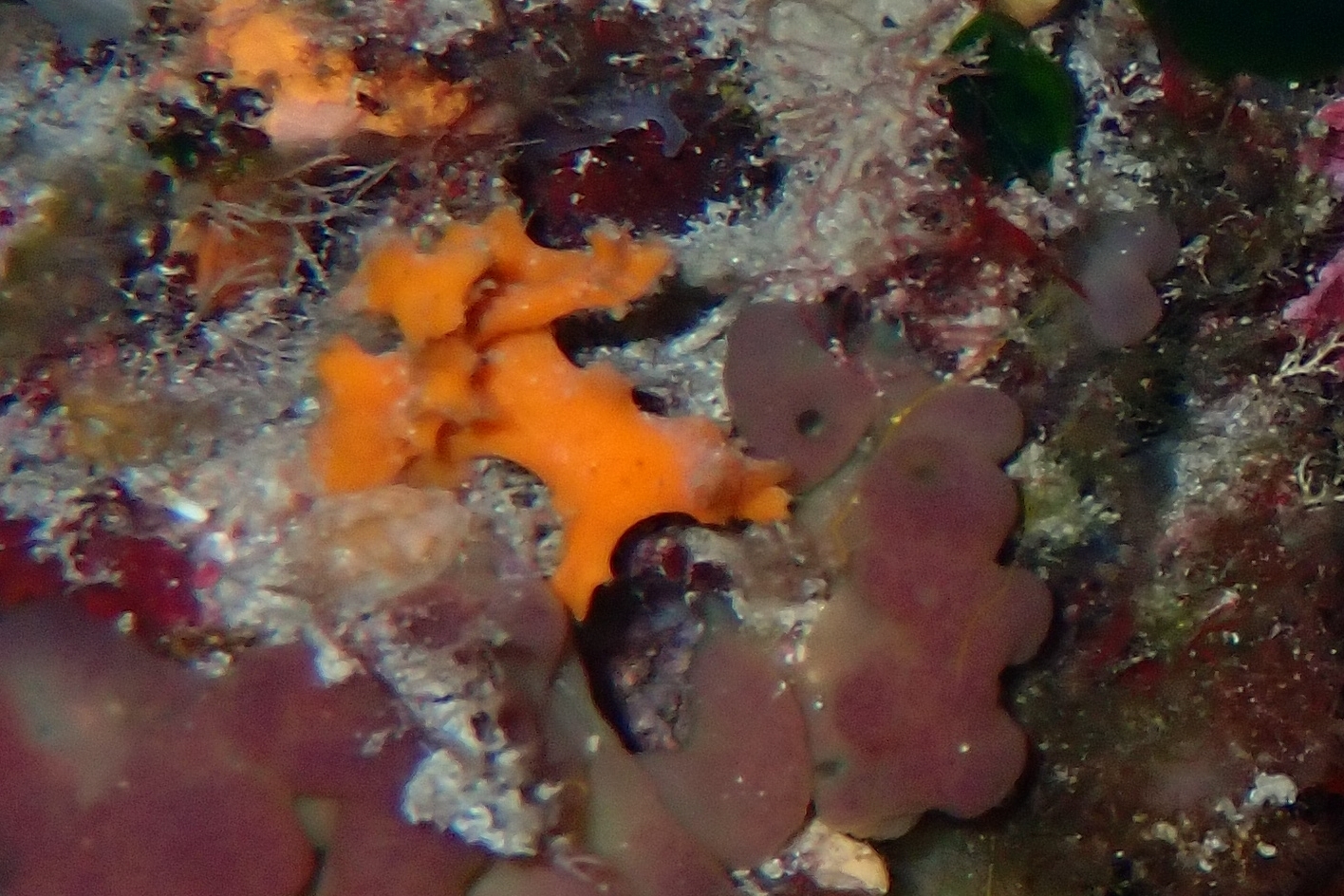
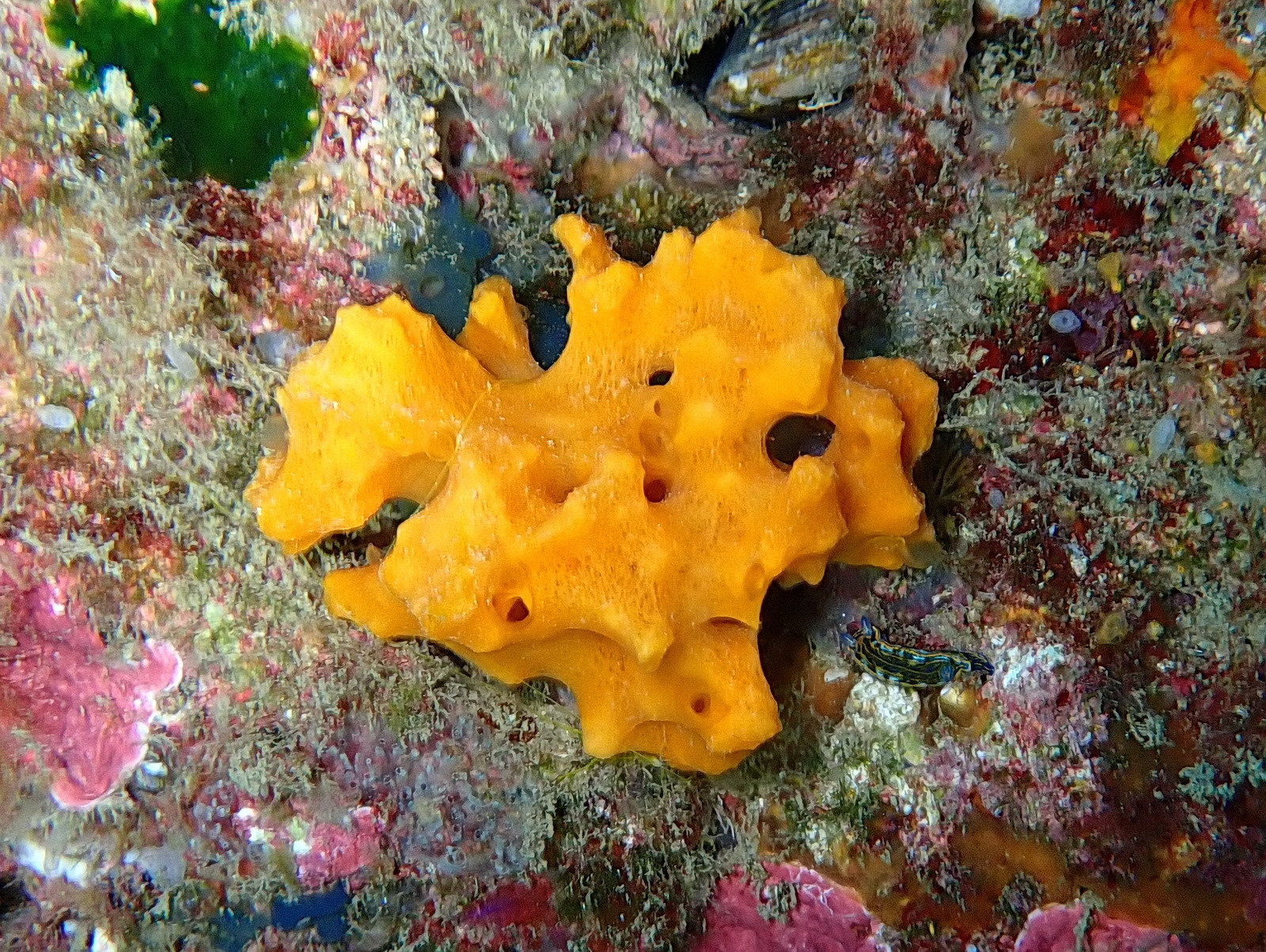
Acanthella acuta is visually associated in occurrence photography and image records with the common name “cactus sponge,” and images show a sponge form that is often conspicuous and outwardly textured/stellate rather than smooth or encrusting. The TreeOfLife-200M and GBIF-linked image records for this species (including iNaturalist citizen-science observations) consistently depict it as a macroscopic, columnar or upright, irregularly protruding sponge-like organism on hard substrate or in shallow marine settings.[1][2]
Taxonomic status and identifiers
GBIF lists Acanthella acuta (authorship: Schmidt, 1862) as an accepted species name within the genus Acanthella.[2]
NCBI taxonomy for Acanthella acuta places the species in Porifera (Demospongiae, Bubarida) within Dictyonellidae.[3]
Distribution and ecology (general)
Open biodiversity records link Acanthella acuta to marine habitats where it is observed and photographed by the public (GBIF/iNaturalist records) as a conspicuous benthic sponge (“cactus sponge”).[2]
Biomedical research (in vitro)
A study assessing in vitro antitumor activity reports that an extract of Acanthella acuta prepared from specimens collected in the Adriatic Sea (Bay of Kotor) was tested on malignant and normal cell lines. A dichloromethane/methanol extract was evaluated using an MTT viability assay on HeLa (cervical adenocarcinoma) and LS174 (colon adenocarcinoma), and compared with the normal cell line MRC5 (fetal lung fibroblasts).[4]
The extract showed significant cytotoxicity toward the malignant cell lines (reported IC50 values for HeLa and LS174) while showing no significant cytotoxic effect against MRC5 cells in that assay.[4]
The study further reported flow-cytometry evidence consistent with apoptosis induction in HeLa cells, including a time-dependent increase in the subG1 fraction and concomitant changes in G2/M fraction following treatment at concentrations derived from the IC50-based results in the MTT assay.[4]
Biotic interactions (host–microbe relationships reported)
Global Biotic Interactions compiles interaction records for Acanthella acuta where the sponge is reported as a host for bacterial taxa (interaction type “hostOf”).[5]
Gallery
References
- 1 2 Dataset view for Animalia / Porifera / Demospongiae / Bubarida / Dictyonellidae / Acanthella / acuta constructed from imageomics/TreeOfLife-200M records under this taxonomic path. Hugging Face Datasets. https://huggingface.co/datasets/imageomics/TreeOfLife-200M.
- 1 2 3 Acanthella acuta Schmidt, 1862. GBIF. https://www.gbif.org/species/5183042. Accessed 2026-07-09.
- ↑ Acanthella acuta. NCBI Nucleotide. https://www.ncbi.nlm.nih.gov/nuccore/?term=txid85783[organism:exp]. Accessed 2026-07-10.
- 1 2 3 Tatjana Stanojković; Sanja Milović; Ivana Z. Matić; Nađa Grozdanić; Zoran Kljajić. IN VITRO ANTITUMORAL ACTIVITY OF THE EXTRACT OF SPONGE ACANTHELLA ACUTA. Lekovite sirovine. 2015. https://doi.org/10.5937/leksir1535089s.
- ↑ Acanthella acuta. Global Biotic Interactions. https://www.globalbioticinteractions.org/?targetTaxon=Acanthella%20acuta. Accessed 2026-07-10.