Acanthella
Taxonomy
This page represents the following TreeOfLife-200M taxonomic path.[1]
- Kingdom: Animalia
- Phylum: Porifera
- Class: Demospongiae
- Order: Bubarida
- Family: Dictyonellidae
- Genus: Acanthella
Visual Description
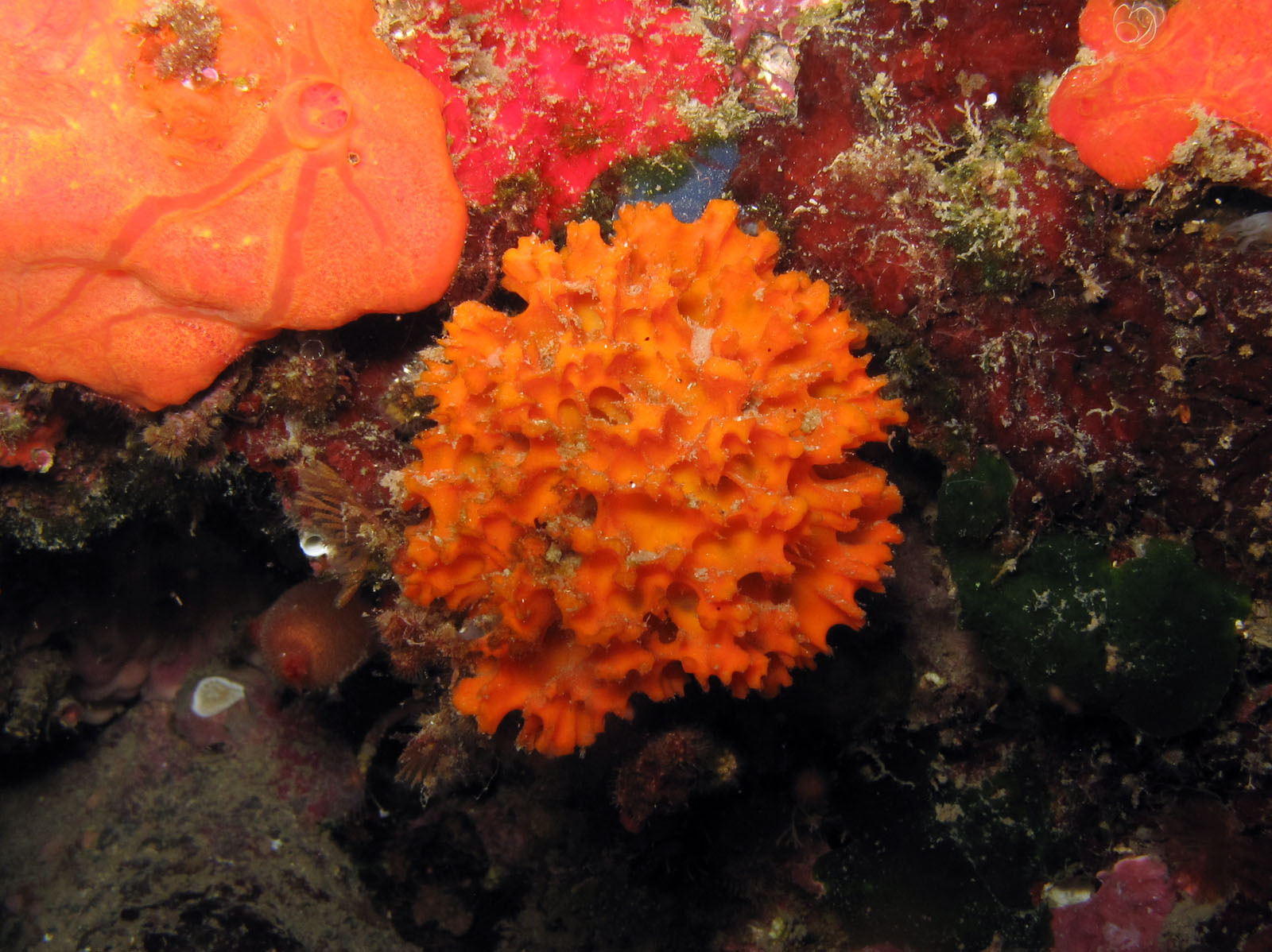
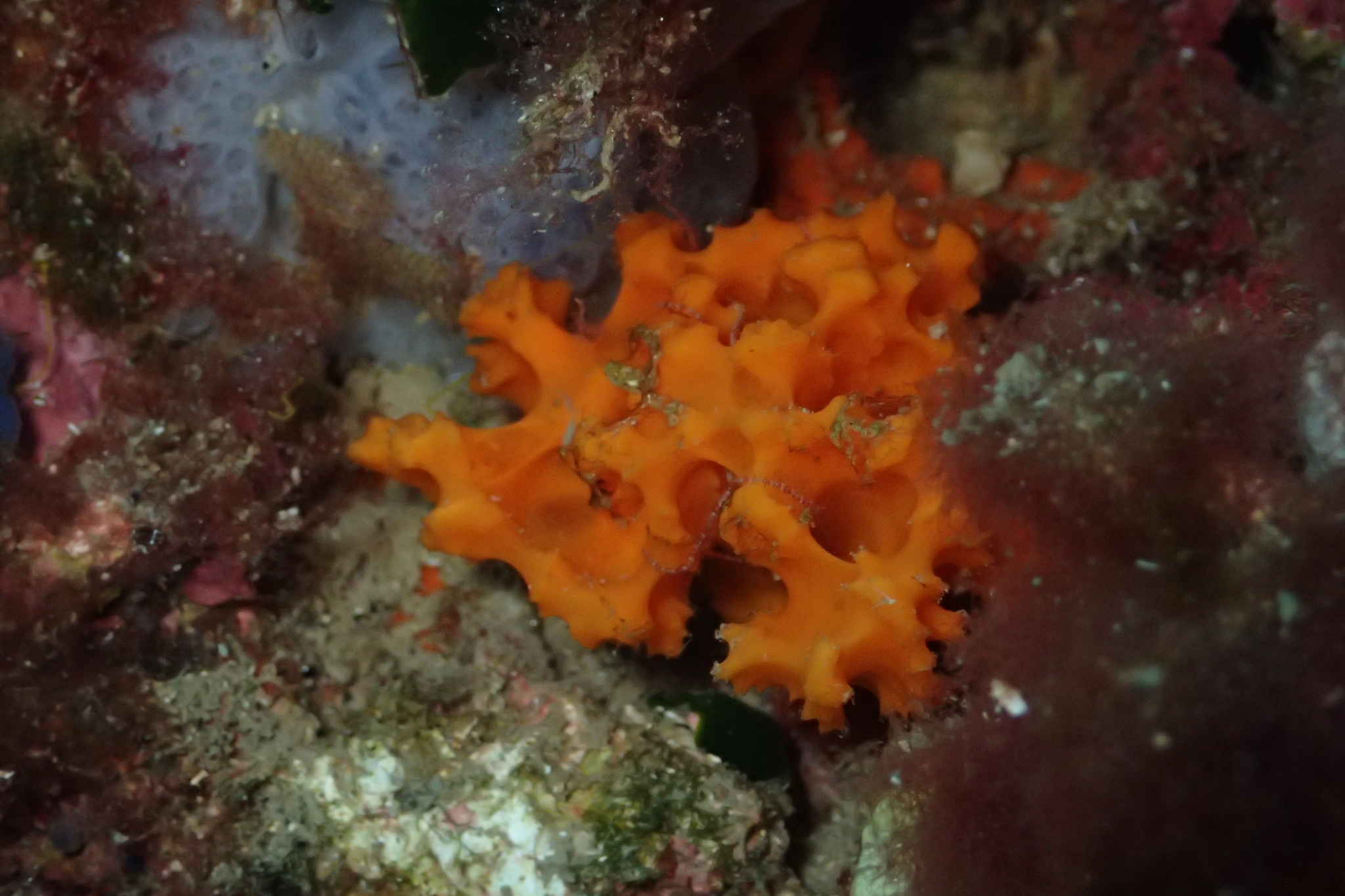
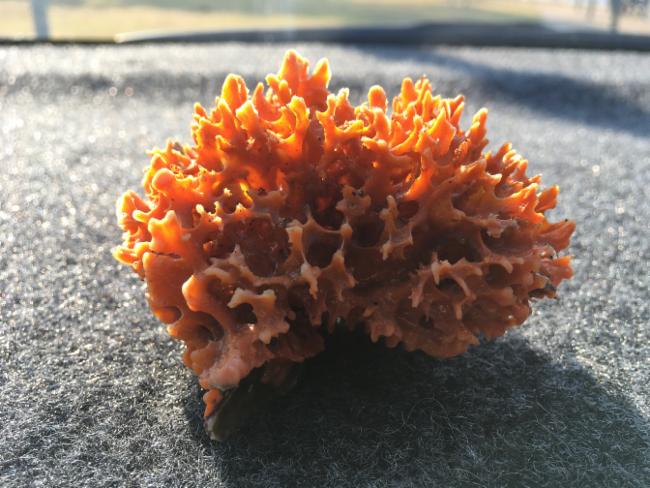
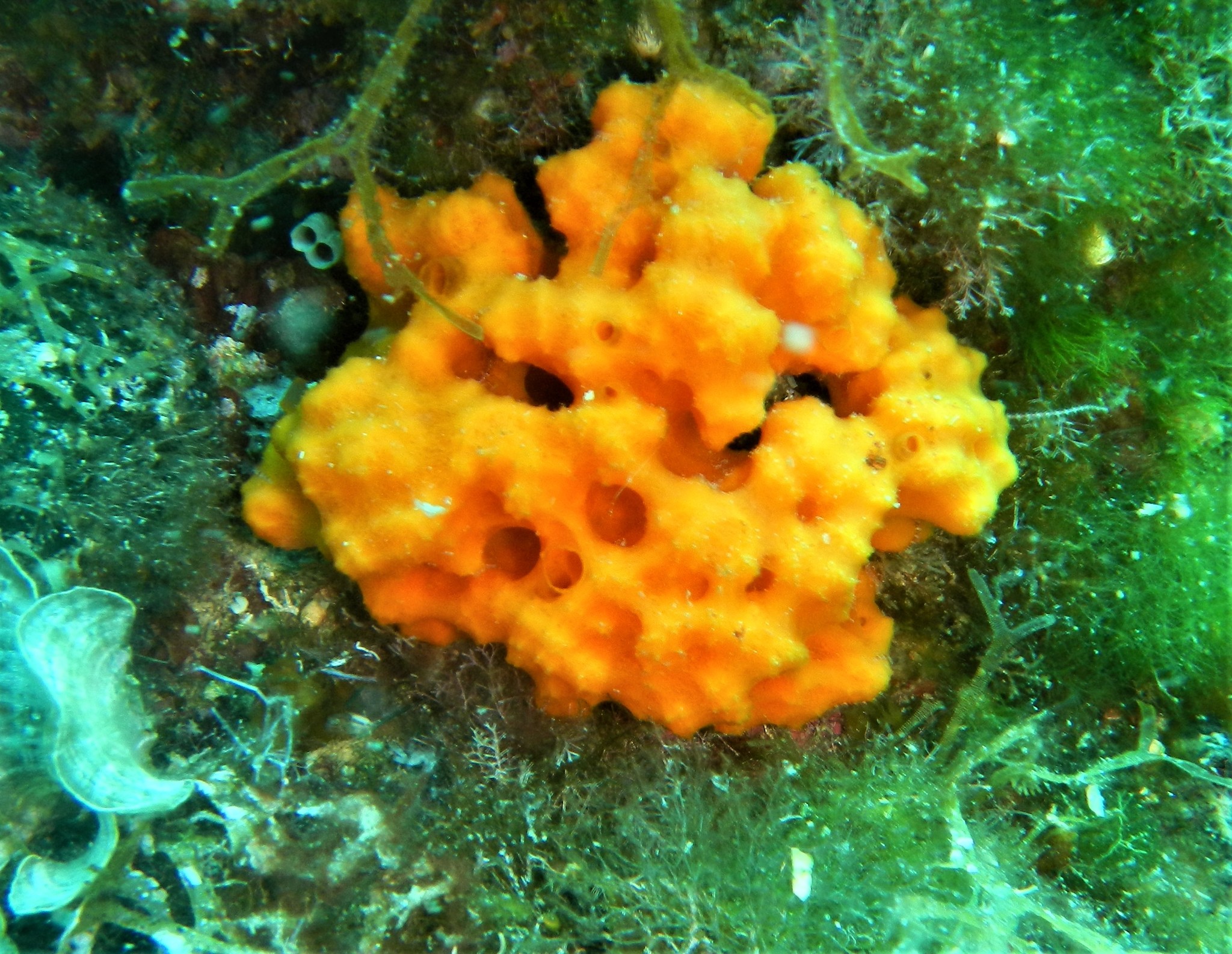
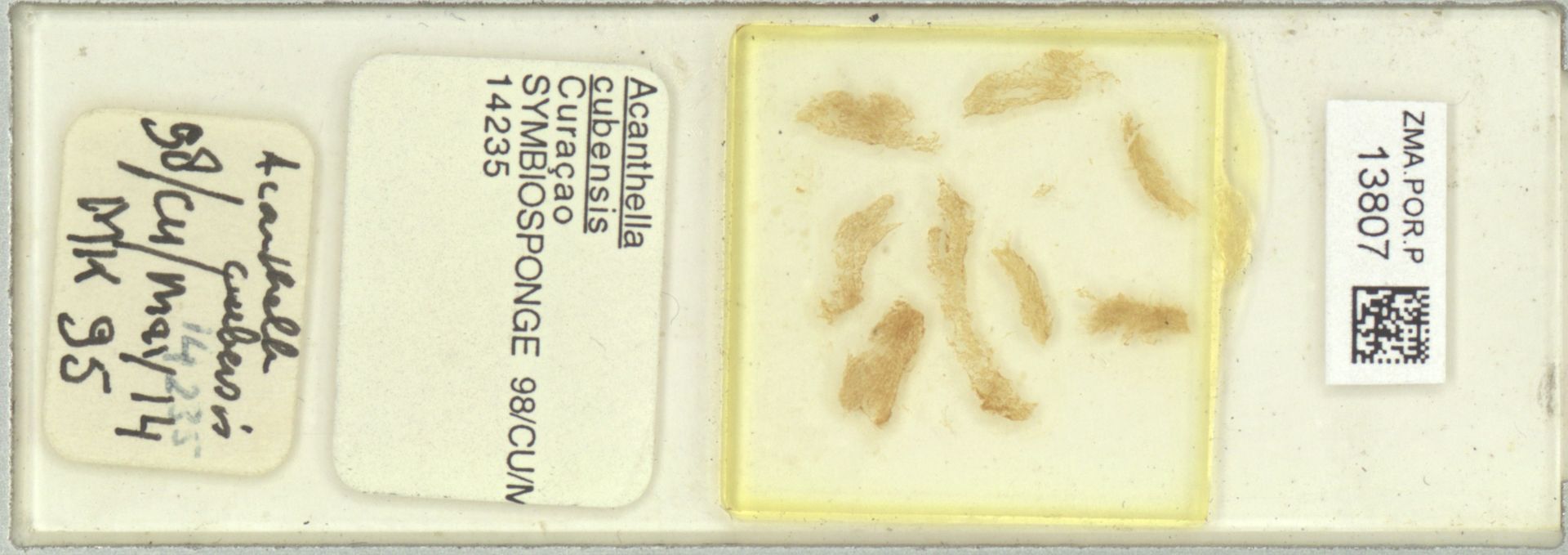
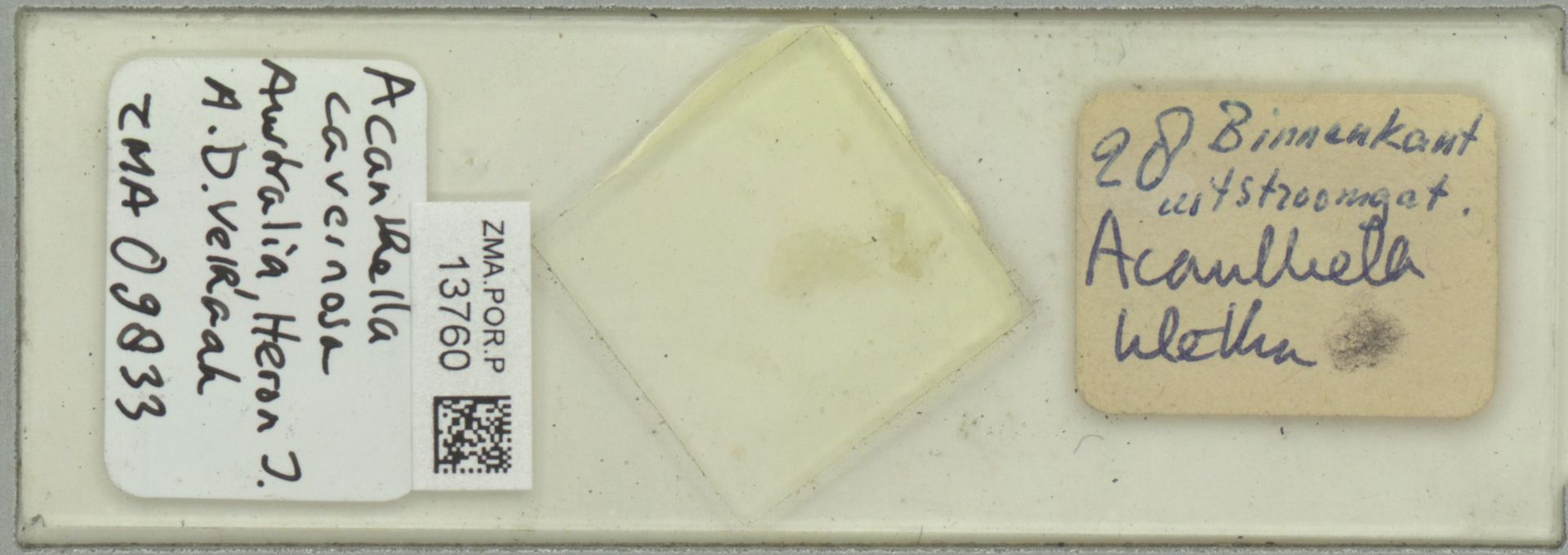
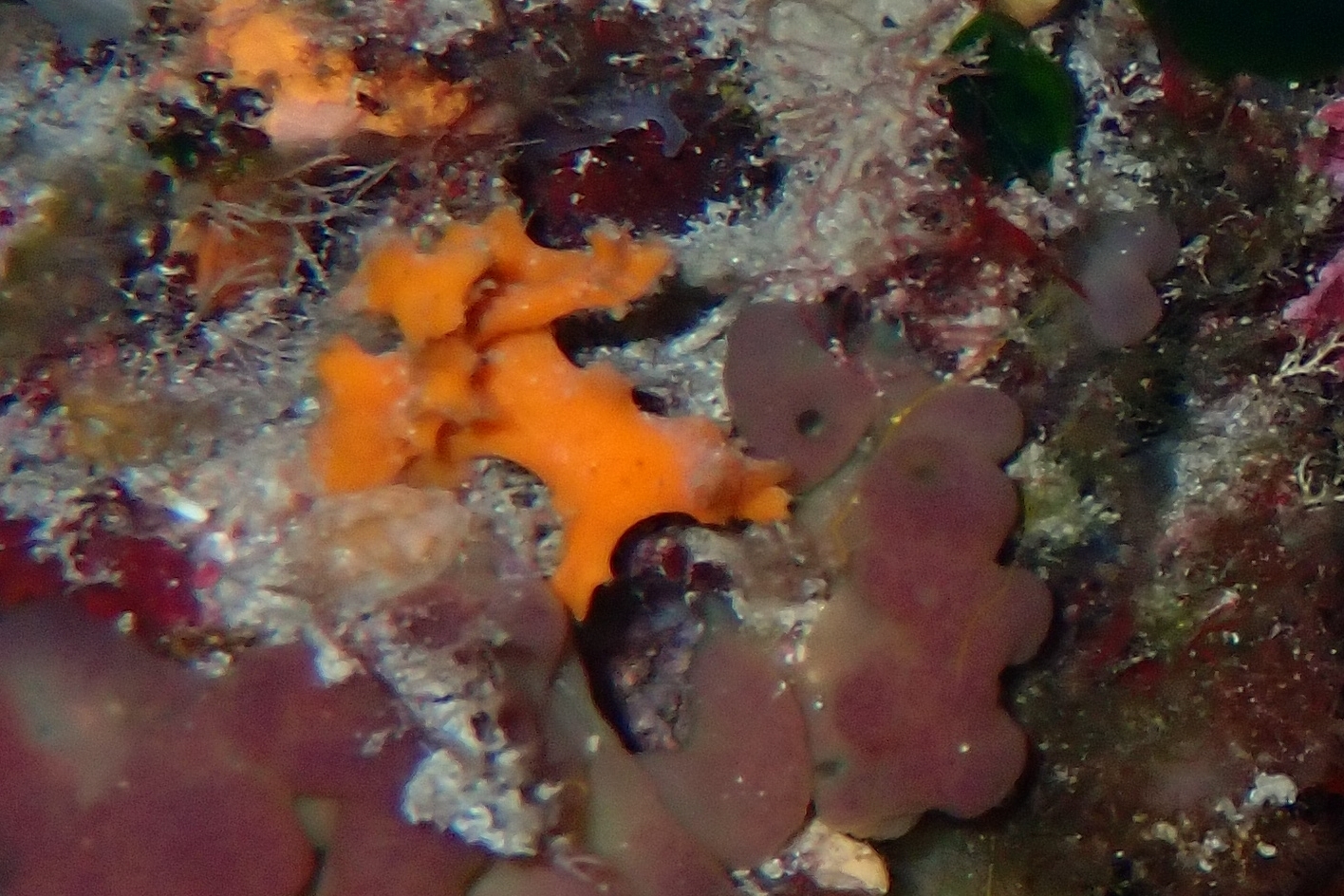
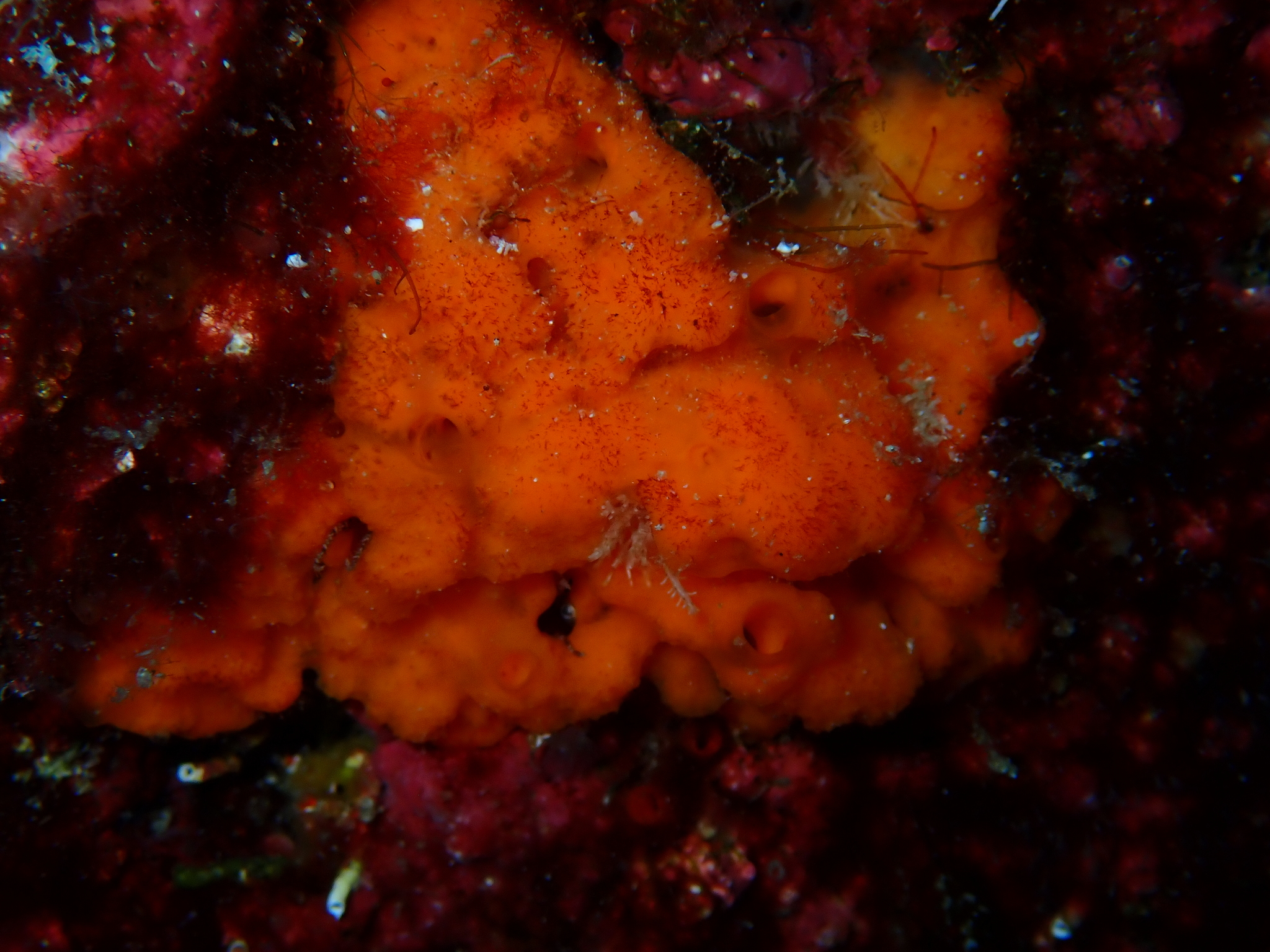
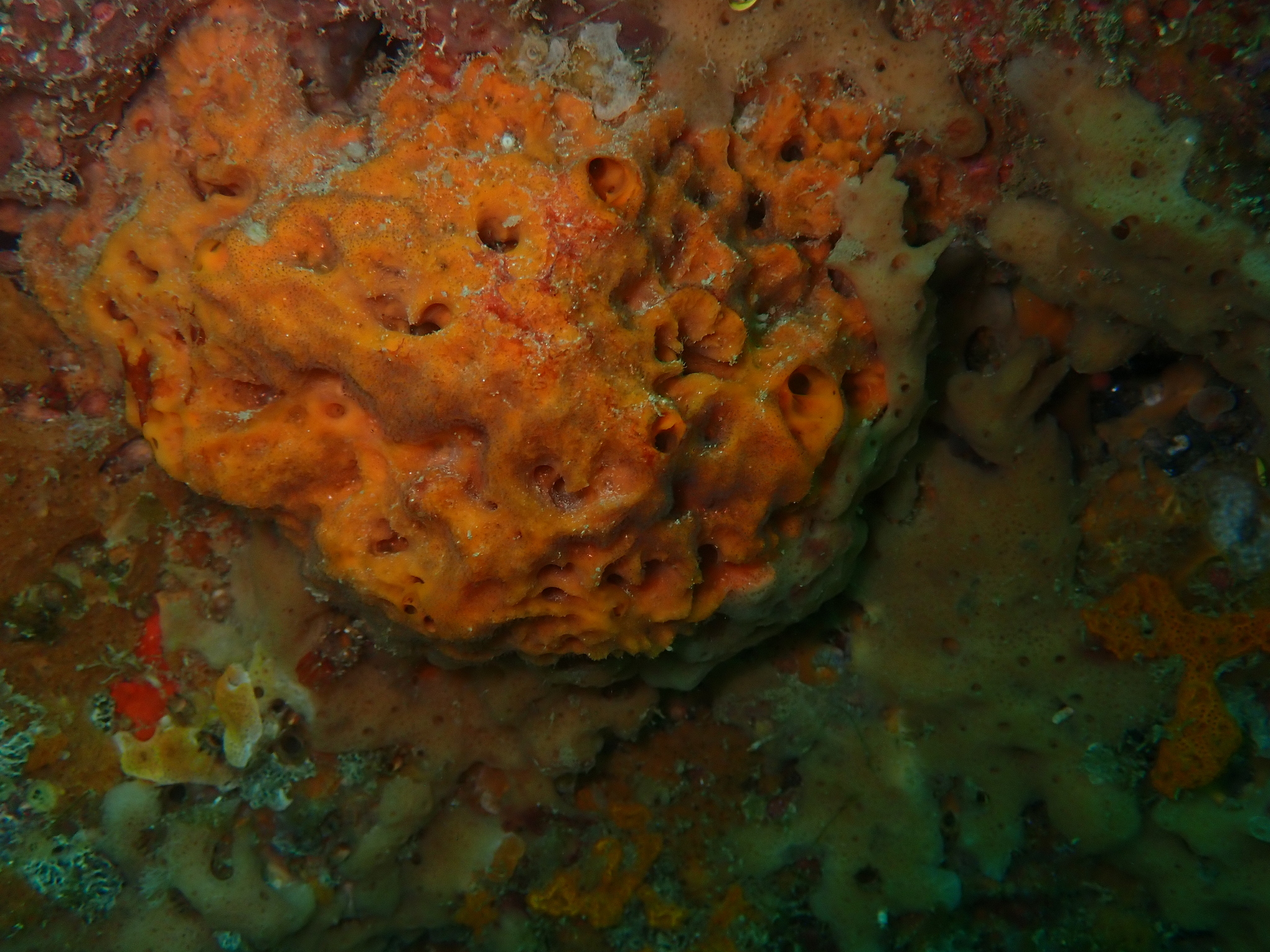
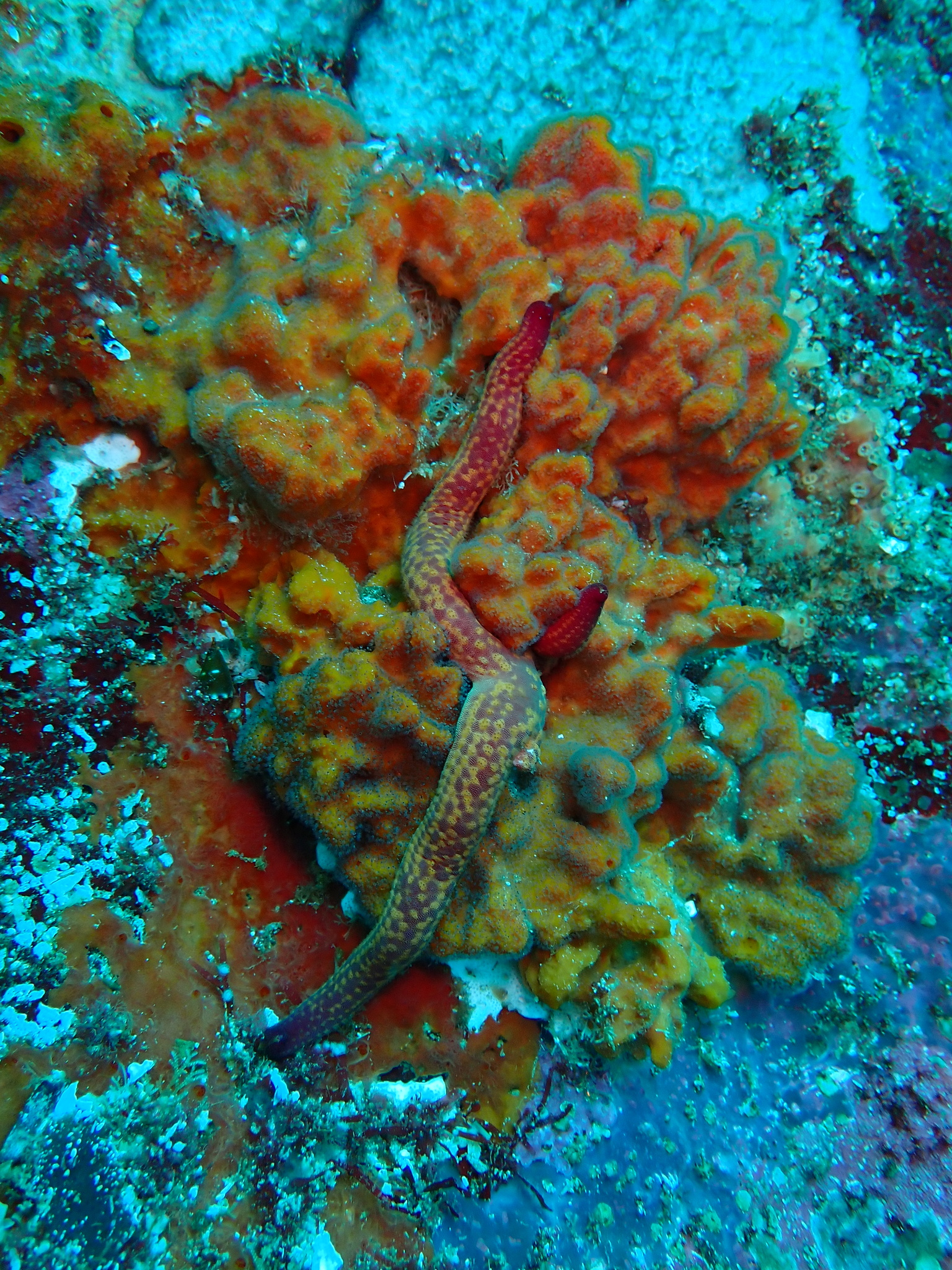
TreeOfLife-200M images and specimen photos attributed to Acanthella show demosponges with conspicuous external morphologies, often appearing as upright, mound-like, or cushion-like bodies on substrates. Images associated with named species within the genus (e.g., Acanthella acuta, commonly labeled “Cactus sponge”, and other Acanthella species such as A. cavernosa, A. saladinorum, A. mastophora, A. pulcherrima, and A. klethra) exhibit variation in surface “feel” and gross shape (from more jagged/rough-appearing to smoother/lobed forms), but are recognizable as dictyonellid demosponges in museum and biodiversity-survey photography.
Secondary Metabolites / Carotenoid chemistry (selected)
A study on the sea sponge Acanthella vulgata reported isolation and structural characterization of a novel aromatic carotenoid. The compound was identified as 3-hydroxy-β,ψ-carotene and the authors proposed the trivial name isoagelaxanthin A for it; structural assignment was supported by visible absorption spectroscopy, mass spectrometry, IR, and ¹H-NMR, and by comparison with a synthesized reference on TLC.[2]
Genetic resources
NCBI’s Nucleotide records are indexed under the genus name Acanthella.[3]
Species interactions (overview)
Global Biotic Interactions lists Acanthella as a target taxon for interaction records (e.g., host/associate relationships in biotic-interaction data).[4]
Gallery
References
- ↑ Dataset view for Animalia / Porifera / Demospongiae / Bubarida / Dictyonellidae / Acanthella constructed from imageomics/TreeOfLife-200M records under this taxonomic path. Hugging Face Datasets. https://huggingface.co/datasets/imageomics/TreeOfLife-200M.
- ↑ Yoshito Tanaka; Yoshihito Ito; Teruhisa KATAYAMA. The structure of isoagelaxanthin a in sea sponge Acanthella vulgata.. NIPPON SUISAN GAKKAISHI. 1982. https://doi.org/10.2331/suisan.48.1169.
- ↑ Acanthella. NCBI Nucleotide. https://www.ncbi.nlm.nih.gov/nuccore/?term=txid85782[organism:exp]. Accessed 2026-07-10.
- ↑ Acanthella. Global Biotic Interactions. https://www.globalbioticinteractions.org/?targetTaxon=Acanthella. Accessed 2026-07-10.