Abothrium
Taxonomy
Abothrium is a genus of tapeworms (Cestoda) within the family Triaenophoridae and the order Bothriocephalidea. The genus was formally described by Van Beneden in 1871. Taxonomic classification generally places it within the subclass Eucestoda, phylum Platyhelminthes.[1][2][3][4]
Biology and Ecology
Members of the genus Abothrium are parasitic organisms that infect various species of fish (Actinopterygii). Documented hosts include haddock (Melanogrammus aeglefinus), Pacific cod (Gadus macrocephalus), Atlantic cod (Gadus morhua), burbot (Lota lota), and Arctic char (Salvelinus alpinus alpinus). The species Abothrium gadi is a recognized member of this genus.[1][4]
Occurrence data for the genus indicates a broad distribution range, spanning latitudes from 42°N to 73°N and longitudes from 133°W to 3°E, with records documented between 1917 and 1995.[3]
Visual Description
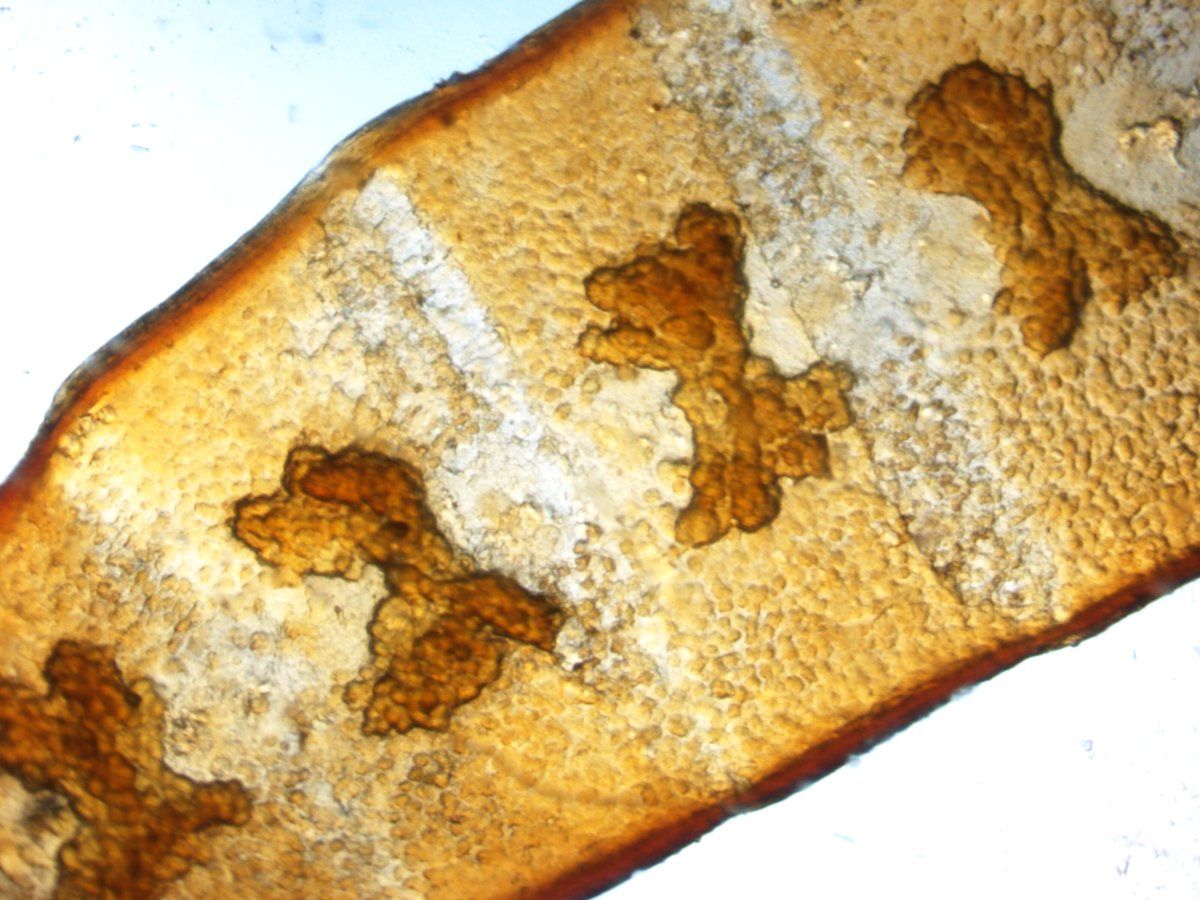
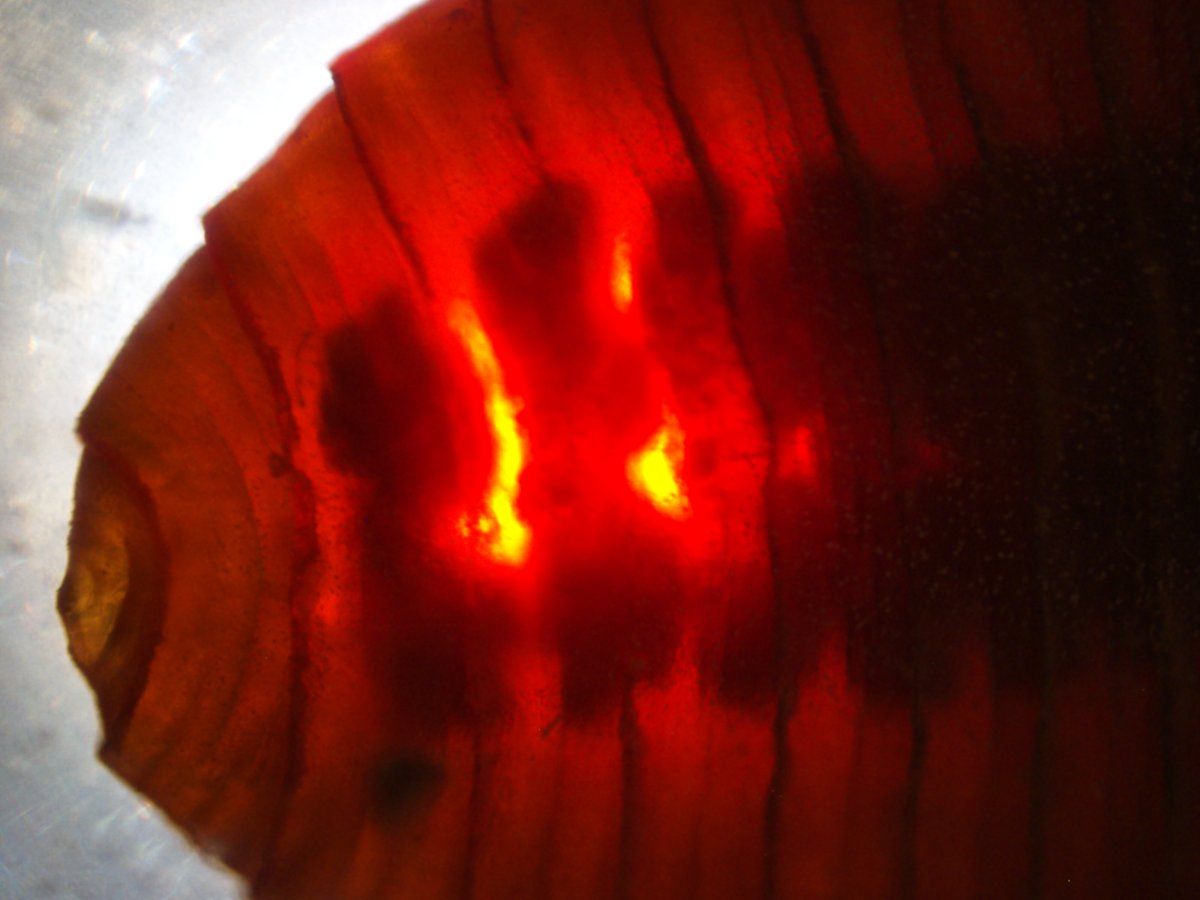
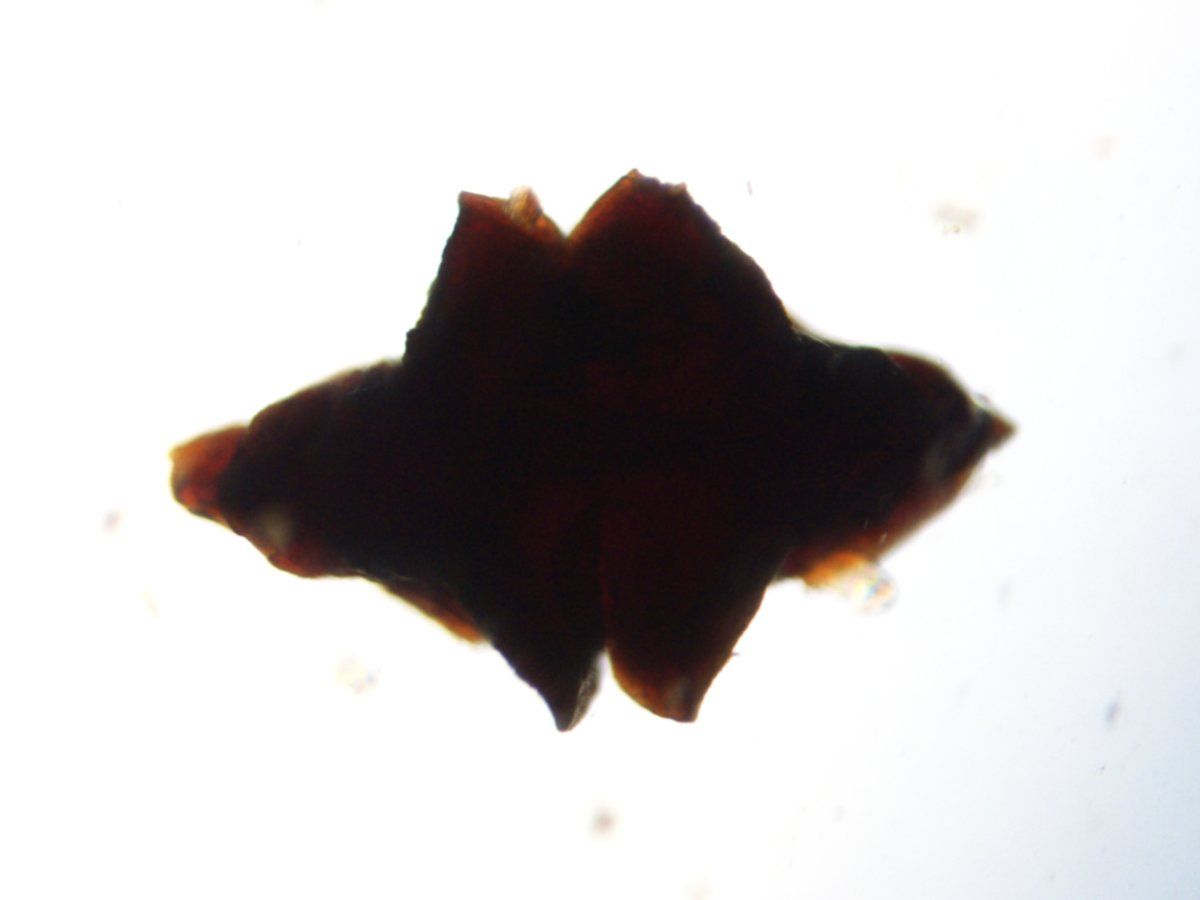
Specimens of Abothrium typically present as flattened, elongated tapeworm segments (proglottids). Under microscopic examination, these segments exhibit a granular or cellular surface texture and contain distinct, repeating internal reproductive structures that appear as dark, lobed masses. When viewed with backlighting, the segments may appear translucent with a deep reddish-brown coloration, revealing bright, yellowish, elongated internal organs or ducts. Some fragments may appear as dark, opaque, and irregularly shaped, with a notched or lobed morphology.
Gallery
References
- 1 2 Abothrium. Global Biotic Interactions. https://www.globalbioticinteractions.org/?targetTaxon=Abothrium. Accessed 2026-09-05.
- ↑ Abothrium. NCBI Nucleotide. https://www.ncbi.nlm.nih.gov/nuccore/?term=txid70588[organism:exp]. Accessed 2026-09-05.
- 1 2 Abothrium Van Beneden, 1871. GBIF. https://www.gbif.org/species/4344976. Accessed 2026-09-05.
- 1 2 Dataset view for Animalia / Platyhelminthes / Cestoda / Bothriocephalidea / Triaenophoridae / Abothrium constructed from imageomics/TreeOfLife-200M records under this taxonomic path. Hugging Face Datasets. https://huggingface.co/datasets/imageomics/TreeOfLife-200M